Uncategorized

WATCH: ANC ‘neglect’ blamed for flooded classrooms, broken roads at Zikhethele Secondary School

By Lebone Rodah Mosima

The Democratic Alliance (DA) says years of neglect and infrastructure failure in the ANC-led Lesedi Local Municipality have left pupils at the no-fee Zikhethele Secondary School in Devon, Johannesburg, struggling to learn in flooded and unsafe classrooms.

😱 Zikhethele Secondary School is in ruins following heavy rains in Lesedi Local Municipality. DA Cllr Mokete Motsamai is on the ground to expose the ANC’s government in Lesedi.

Read the full statement here: https://t.co/D3VeIwfMoz pic.twitter.com/02Bb30O92i

— DA Gauteng (@DAGauteng) October 27, 2025

In a statement on Monday, DA Midvaal councillor Mokete Motsamai said the party had conducted an oversight visit to the school as part of a broader assessment of governance and service delivery in the municipality.

“The oversight visit revealed a state of critical decline,” Motsamai said. “The road infrastructure surrounding the school is failing, marked by numerous potholes.”

The DA accused the municipality of failing to act despite repeated complaints from the community. “This clearly sends a message to these children that they are not valued and are forgotten by the ANC,” Motsamai said.

He said the absence of a stormwater drainage system had caused severe flooding on school grounds. “It was found that several classrooms have been flooded and are currently unable to be utilised by the school community, directly disrupting learning,” he said.

Residents told the oversight team that the problems had persisted since 2019, with no municipal intervention. “This leaves students broken and beaten down, as the feeling that there is no hope for change mounts, crushing motivation,” Motsamai said.

He added that the deterioration of infrastructure had “left learners and residents to bear the brunt of an unsafe and deteriorating environment, as well as a deeper sense of loss of dignity”.

The DA called on the municipality to urgently repair the damaged infrastructure and “restore the school and create a conducive learning environment so that students’ dreams can be rekindled”.

INSIDE EDUCATION

Weekend cricket heats up with top schools delivering thrilling performances
Uncategorized

Weekend cricket heats up with top schools delivering thrilling performances

By Johnathan Paoli

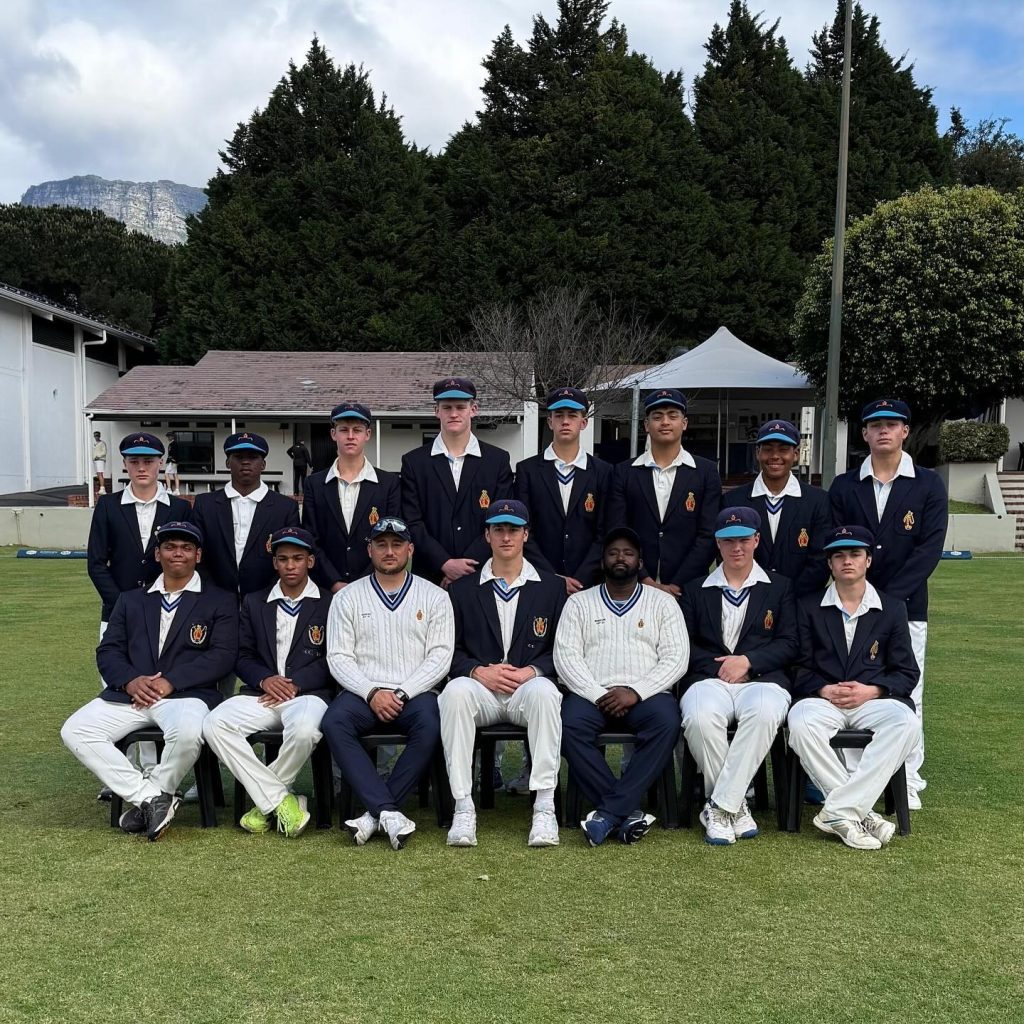
South Africa’s top cricketing schools produced a feast of action over the weekend, as teams across the country recorded impressive victories in a series of tightly contested fixtures that showcased leadership, composure, and individual performance.

Westville Boys’ High captain Seth Simpson turned in a classy all-round performance to steer his side to a six-wicket win over Michaelhouse during a match at home in Durban on Saturday.

“[It was a] competitive weekend of cricket for Westville, with strong performances across all age groups. Well done to all players and coaches for their hard work and commitment on the field,” the school said on social media.

After winning the toss, Michaelhouse elected to bat but struggled to find fluency, eventually bowled out for 155 runs in 47 overs.

Only Cody Sander (38 runs off 85 balls) and Rex Wardlaw (23) showed real resistance as Westville’s bowlers controlled the tempo.

Chasing 156, Westville began steadily before two quick wickets from Liam O’Dwyer briefly raised Michaelhouse’s hopes, but Simpson guided his side home with a composed, unbeaten 51 off 75, supported by Misbah Nair with 16 runs.

At Glenwood, Kearsney College survived a batting collapse of their own to secure a 24-run victory in a match dominated by bowlers.

Having posted 128 all out, thanks largely to Cole Young’s 31, Kearsney’s bowlers responded to dismiss Glenwood for 104.

Despite Kreesan Pillai’s brave all-round performance, Glenwood fell short.

In KwaZulu-Natal’s capital, Maritzburg College defeated St Charles College by six wickets in a spirited Pietermaritzburg derby.

Batting first, St Charles compiled a competitive 245 runs/7 wickets, built around a 100-run, third-wicket stand between Caleb Sharp (69 off 103) and Rico Honiball (63 off 79).

Late fireworks from AJ Bosman (43 off 28) added momentum, while College captain Daniel Nadasan and Sam Hughes contained the damage.

In reply, College lost Nadasan early but were steadied by Kyle de Bruyn and Akhil Bharath, who produced a fluent 84 off 112.

Dedekind, however, maintained an unbeaten 86 from 81 balls to carry his side to 249/4 and a deserved derby triumph with 13 balls to spare.

On the Jacques Kallis Oval in Cape Town, Bishops Diocesan College edged Wynberg Boys’ High by a single wicket in one of the weekend’s most dramatic encounters.

After Wynberg posted 229/9, anchored by opener Matthew Saunders’ 73 and Joshua Prince’s 41, Bishops responded with grit and balance rather than fireworks.

Despite spirited efforts from Ihsan Khan and Damien Harris, Wynberg couldn’t deny Bishops an away win at 230/9.

At Riverside, Pretoria, Northwood captain Kyle White produced a captain’s knock of 47 not out to secure a five-wicket win over Clifton College in a low-scoring affair.

Clifton were bowled out for 105, undone by Jordan Matthews and Ryan van Zyl.

Clifton’s Caleb Naicker tried to inspire a fightback with 3/21, but White’s composure alongside Luc Boyall saw Northwood home in the 33rd over at 106/5.

As the test cricket season rages on, organisers and participating schools praised the weekend’s activities as underlining the depth of South Africa’s youth talent, a reminder that the next generation of stars is already sharpening its skills.

INSIDE EDUCATION

Carinity Education schools set to celebrate World Teachers Day
Uncategorized

Carinity Education schools set to celebrate World Teachers Day

Teachers across Australia inspire, support, and empower young people every single day.

Ahead of World Teachers Day on October 31 we had a chat with some Carinity Education teachers about what they most enjoy about supporting students in our schools.

Belinda Skinner pictured teaching students at Carinity Education Glendyne, a special assistance school in Hervey Bay.

“I’m passionate about helping students rediscover their confidence and develop lifelong skills through creativity, compassion, and connection,” Carinity Education Glendyne teacher Belinda Skinner said.

Belinda was drawn to teaching at the Hervey Bay special assistance school because it provides “a safe and nurturing environment for young people who need education delivered differently”.

“Glendyne’s focus on tailored support and wellbeing aligns perfectly with my belief that every student deserves an education that meets them where they are and inspires them to grow.

“I love watching students experience success in ways they never thought possible: whether it’s mastering a literacy skill, creating an expressive artwork, or simply engaging with learning again after a difficult journey.

“Seeing that spark of pride and self-belief is the most rewarding part of teaching.”

Aden Bennett started teaching at Carinity Education Shalom after completing a month-long service-learning unit at the Townsville school, while he was studying at James Cook University.

Aden Bennett is “truly inspired” by the Carinity Education Shalom community.

His favourite thing about teaching at the Townsville school is “learning from my students and seeing the world through their diverse perspectives”.

“Building meaningful connections and relationships with young people is what makes me love coming to work every day,” Aden said.

“One of my fondest classroom memories was my first time teaching Business. Initially, I was dreading it because it was my first time teaching the subject.

“However, by the end of the term, the students and I had so much fun learning together and creating different ideas and products.

“It reminded me that teaching is just as much about curiosity and collaboration as it is about content.”

Cheryl Hendry began teaching at Carinity Education Rockhampton after seeing how some students need more assistance in the classroom to succeed.

Cheryl Hendry worked in the mainstream education system for 40 years before deciding to retire and spend time supporting her three grandchildren who were born hearing impaired.

She started working casually at Carinity Education Rockhampton after seeing “how difficult it is for students who need additional assistance in a regular classroom, to be successful”.

“My favourite thing about teaching is being able to share with young people the joy of learning. Being a lifelong learner is, I believe, something that shapes our lives in a positive way,” Cheryl said.

Some of Cheryl’s most memorable moments as a teacher have been outside of school, realising she has made a lasting impact on young people beyond the classroom.

“A student came back to school to tell me that he finally ‘got’ what I was talking about with the wisdom to be found in Shakespeare’s plays. He thanked me for that. That was important to me,” Cheryl recalls.

Belinda Culley is an at teacher at Carinity Education Southside in Brisbane.

Belinda Culley has also taught in both independent and state secondary schools and has “witnessed many students in desperate need of specialised support simply fall through the cracks”.

A teacher for 32 years, Belinda was drawn to the student-centred approach at Carinity Education Southside, an all-female special assistance school in Brisbane.

“It was clear that Southside prioritises the needs of students over data, and that really resonated with me,” the visual arts teacher said.

“I aim to create a classroom where every student feels seen and valued, using creativity and storytelling to inspire confidence, curiosity, and a belief in their own potential.

“One of the things I love most about teaching is the opportunity to nurture young people, especially those who may not have received the care and support they needed growing up.

“Being able to offer encouragement, consistency, and compassion can make a real difference in their lives, and it’s a privilege to be part of that journey.”

Uncategorized

DSTI launches landmark e-Mobility Energy Drive to showcase EV viability

By Lebone Rodah Mosima

The Department of Science, Technology and Innovation (DSTI), in collaboration with the South African National Energy Development Institute (SANEDI), the Uyilo e-Mobility Programme at Nelson Mandela University (NMU), and Volvo Cars South Africa, has launched the e-Mobility Energy Drive, a landmark initiative aimed at demonstrating the viability of electric vehicles (EVs) for long-distance travel in South Africa.

Taking place from 28–30 October 2025, the Energy Drive will culminate at the Uyilo e-Mobility Innovation Summit in Gqeberha, Eastern Cape. According to the DSTI, the summit is a flagship Transport Month event showcasing South Africa’s progress toward a sustainable mobility future.

The vehicle undertaking the drive—a Volvo XC40 Recharge Twin Motor Ultimate—will collect real-world data on EV performance, charging efficiency, and energy consumption over a route stretching from Johannesburg to Gqeberha, crossing Gauteng, the Free State, and the Eastern Cape.

“This initiative proves that clean mobility is not just a vision for the future, it is happening now,” said Mandy Mlilo, Acting Chief Director: Hydrogen and Energy at DSTI.

“Through strategic partnerships with SANEDI, Uyilo and Volvo, we are building public confidence in electric mobility, advancing our just energy transition goals and reducing our national carbon footprint.” 

The department and SANEDI said the Energy Drive will also raise public awareness around clean mobility and engage communities along the route.

A senior representative from the Uyilo e-Mobility Programme said the Energy Drive and Summit will serve as a powerful platform for collaboration between government, academia, and industry.

“The Uyilo e-Mobility Summit and this Energy Drive create a powerful platform to accelerate collaboration across government, academia, and industry,” said the senior representative from the Uyilo e-Mobility Programme.

“As we mark Transport Month, we are proud to position South Africa as an emerging leader in the global shift toward smart, sustainable mobility.” 

SANEDI CEO Dr. Titus Mathe added that the initiative highlights the nation’s growing capacity and commitment to cleaner transportation.

“This partnership reflects our nation’s growing capacity and commitment to cleaner transportation. By aligning research, innovation, and public engagement, we are driving tangible progress toward a low-carbon, energy-efficient future,” Mathe said.

The DSTI and SANEDI further said that the e-Mobility Energy Drive underscores South Africa’s commitment to building a resilient, sustainable transport ecosystem that supports economic growth, environmental sustainability, and energy justice.

INSIDE EDUCATION

Manamela hails SAQA’s new era of innovation and integrity
Uncategorized

Manamela hails SAQA’s new era of innovation and integrity

By Thapelo Molefe

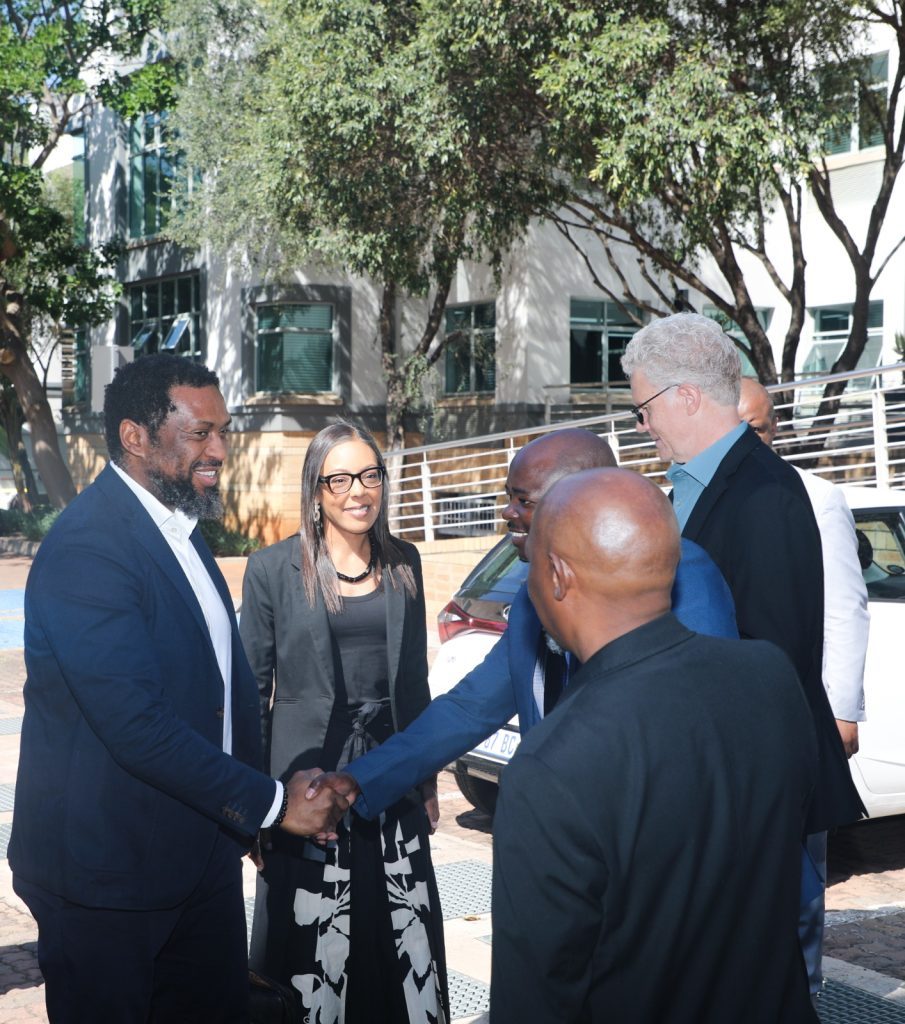
The Minister of Higher Education and Training, Buti Manamela, has hailed the South African Qualifications Authority (SAQA) as a beacon of transformation, integrity, and innovation in South Africa’s education landscape, as he officially opened the new SAQA House in Hillcrest, Pretoria on Friday.

The event, which coincided with SAQA’s 30th anniversary, marked what Manamela described as a renewed commitment to excellence, integrity, and inclusiveness in education and training.

Manamela said far more than the unveiling of a new building, the occasion symbolised a bold new chapter for an institution that has, since its inception, been central to democratising education and recognising learning in all its forms.

“This new home represents not just bricks and mortar, but the living heart of South Africa’s qualifications system, one that connects aspiration with opportunity, and opportunity with hope,” Manamela said.

Reflecting on SAQA’s three-decade journey, the Minister paid tribute to its pivotal role in transforming a racially divided education system into one anchored on equity and inclusion.

Established in 1995 alongside the birth of democracy, SAQA was tasked with developing and maintaining the National Qualifications Framework (NQF), ensuring that all learning, formal, informal, or experiential is valued and recognised.

“From its very conceptualisation, SAQA has been a democratic tool transforming a previously inequitable system of race-based education into an integrated framework centred on the NQF,” Manamela said. “Today, the NQF stands as a cornerstone of our national education system, ensuring that every form of learning is recognised, valued, and connected.”

The minister highlighted that over the years, SAQA has emerged as a model of good governance and professionalism within the public sector, consistently achieving clean audits, advancing digital credentialing, and strengthening the recognition of foreign qualifications.

Manamela praised the authority for “building bridges where there were once barriers” and for creating pathways for citizens to pursue lifelong learning.

“Education is not preparation for life; it is life itself,” the Minister emphasised.

“Institutions like SAQA remind us that access to quality learning is not a privilege, it is a right that must be protected and advanced.”

Manamela also lauded SAQA’s growing global footprint, noting its leadership in regional and international forums on mutual recognition of qualifications, quality assurance, and digital transformation in education.

“Through this leadership, South Africa is not just participating in the global knowledge economy, we are helping to shape it.”

The National Qualification Framework covers 10 levels, starting with high school at level 1, through matric at level 4 then higher certificate, diplomas and degrees all the way to doctorates at level 10.

The Minister used the occasion to bid farewell to SAQA’s outgoing Board, led by interim chair Dr James Keevy, commending its members for their integrity and vision in steering the organisation through a period of unprecedented change.

Other board members include SAQA CEO Ms Nadia Starr, Ms Anne Kathleen Oberholzer, Mr Ashley Benjamin, Mr Bonisile McLaren Gantile, international governance expert Ms Jo-Ann Christine Agulhas, Dr Linda Meyer, Dr Mafu Rakometsi, Mr Mark Mamello Mafisa, Ms Sara Nyawa Dikwayo, representing the Chartered Accountancy profession, Dr Thabo Shadrack Mashongoane, Ms Trudi van Wyk, Mr Vijayen Naidoo, and Dr Whitfield Green.

“It is during this board’s tenure that SAQA achieved a series of milestones,” Manamela noted, “including consecutive clean audits, the rollout of digital credentialing initiatives, and the strengthening of international partnerships.”

In her reflection, SAQA CEO Starr described the new SAQA House as “a hub of thought leadership and critical reflection,” representing the spirit of collaboration and innovation that defines the NQF.

“This is more than just SAQA House — it is a tangible symbol of everything and everyone that makes the NQF a transformative tool,” Starr said.

“I look forward to the coming years of contemplation and collaboration as we advance the principles and promises of the NQF.”

As SAQA looks to the future, both Manamela and Starr underscored the institution’s mission to align South Africa’s education and training systems with global standards while empowering citizens through skills recognition, lifelong learning, and equitable access.

With a 30-year legacy built on trust and transformation, Mananela says SAQA now enters a new era, one defined by digital innovation, global leadership, and a steadfast commitment to ensuring that education remains the greatest enabler of social and economic change.

“May SAQA House stand as a beacon of learning, excellence, and service for generations to come,” Manamela concluded. “Together, we will continue to build a nation of lifelong learners, one qualification, one recognition, one dream at a time.”

INSIDE EDUCATION

Uncategorized

AGSA clears KZN Education Department R2.62 billion in irregular expenditure

By Levy Masiteng

The Auditor-General of South Africa (AGSA) has cleared the KwaZulu-Natal Department of Education of R2.62 billion in irregular expenditure, following a thorough investigation and assessment of two contracts.

The finding arises from the 2022/2023 financial year and, according to the AG, is based on non-compliance with the principles outlined in Section 217 of the Constitution and Section 38 of the Public Finance Management Act (PFMA). As of 31 March 2025, the expenditure on these two contracts stood at R2.62 billion.

In a statement released this week, the AGSA said the department had initially disclosed the amount as irregular expenditure under assessment in the annual report, in line with the National Treasury Instruction no. 4 of 2022/2023, to allow for further assessment and investigation.

However, during the 2024-25 financial year audit, the department disputed the finding and consulted with the provincial treasury and the AGSA.

The AGSA said its technical audit support unit conducted a further assessment, which found that the contracts were not irregular. “The technical assessment has subsequently found that the contracts are not irregular,” the AG said, “the department’s own assessment, in consultation with provincial treasury, has also concluded that the contracts are not irregular.”

KZN’s MEC of Education, Sipho Hlomuka, welcomed the revised findings and said the outcome reflects the department’s commitment to providing accurate information, strengthening internal controls, and ensuring full compliance with applicable legislation and financial management standards.

“We value the role of the Auditor-General as an independent oversight institution that strengthens transparency, accountability and good governance. This development isa testament to the commitment by the MEC to ensure the development of a post audit action plan to implement the recommendations highlighted in the AG’s report,” Hlomuka added.

According to the department, the AGSA’s findings are a significant victory for them, as they had been facing potential financial implications and reputational damage due to the irregular expenditure allegations.

The department added that the clearance comes as a relief, allowing it to focus on its core mandate of delivering quality education to learners in KZN.

“We will continue to manage public resources responsibly to ensure that every rand spent contributes to the improvement of teaching and learning in our schools,” said Hlomuka.

INSIDE EDUCATION

Uncategorized

Education a national imperative, says Gwarube at TALIS 2024 report launch

“Education is not a spectator sport; it is a national imperative that must be accessible to all,” said Basic Education Minister Siviwe Gwarube, speaking at the launch of the Teaching and Learning International Survey (TALIS) 2024 South Africa Report on Thursday.

TALIS, a large-scale international survey led by the Organisation for Economic Co-operation and Development (OECD), collects detailed self-reported data from teachers and school leaders on their working conditions, teaching practices, and learning environments.

The data supports evidence-based education policy formulation.

Gwarube noted that South Africa remains the only African nation to have participated in TALIS twice—first in 2018 and again in 2024.

“We stand here with a sense of pride, as this places our country in a position of continental leadership in evidence-led policymaking,” she said.

Addressing school safety, Gwarube acknowledged incidents of violence in schools but described them as showing a “downward trend.” She emphasised ongoing efforts to make schools safer.

“We signed a Safer Schools Protocol with the South African Police Service earlier this year, and rollout has begun in crime hotspot areas such as Inanda Township in KwaZulu-Natal, Emfuleni and Manenberg in the Western Cape, and uMtata and Nelson Mandela Bay in the Eastern Cape,” she said.

The Minister also revealed that South Africa now has one of the youngest teaching cohorts globally.

“This means our efforts to attract young people into the profession are bearing fruit,” she said.

The average teacher age has dropped from 43 in 2018 to 41 in 2024, while the OECD average rose to 45. In addition, 62% of South African teachers reported that teaching was their first-choice career, up from 49% in 2018.

On gender representation, Gwarube noted that 62% of teachers are women, but only 32% of principals are female.

“Despite this leadership gender gap, South Africa is performing above the OECD average of 15% for female school principals,” she added.

She further stressed the importance of mother tongue-based bilingual education (MTbBE), which equips teachers to work effectively in multicultural and multilingual classrooms.

“In 2025, the MTbBE programme will extend mother tongue instruction beyond Grade 3 into Grade 4, starting with mathematics and natural science and technology,” Gwarube announced.

The minister also said the department is committed to reducing administrative burdens so that educators can focus on teaching.

“A mandate task has been given to the newly operational National Education and Training Council to develop tools and systems to ensure teachers are not overburdened by administrative tasks,” she said.

Gwarube said the TALIS findings align with the department’s curriculum reforms and literacy accelerator programmes.

“TALIS confirms what our reforms already recognise: strong foundations are not optional—they are the oxygen of learning,” she said.

Gwarube also paid tribute to South Africa’s educators:

“To all our teachers: your work is not in vain. Your voices, captured in this report, are now part of our agenda for transformation. Let us move forward with the courage to change, the humility to learn, and the urgency to act,” she said.

INSIDE EDUCATION

Uncategorized

Breaking News: Eight Milnerton High School pupils to appear in the Cape Town Magistrate’s Court on assault charges

By Lebone Rodah Mosima and Marcus Moloko

Eight Milnerton High School pupils are expected to appear in the Cape Town Magistrate’s Court on Thursday on charges of assault with intent to inflict grievous bodily harm.

The group was caught in a video allegedly assaulting a Grade 10 pupil.

Two additional videos have emerged in connection with the violent assault of a Milnerton High School learner, according to Western Cape Education Department spokesperson Bronagh Hammond.

The first video, which surfaced on social media on Wednesday, shows a Grade 10 pupil being viciously beaten by fellow students.

The footage sparked nationwide outrage and renewed calls for decisive action against school bullying.

The incident — currently under investigation by the provincial education department — occurred on October 16 after school hours.

The 16-year-old victim is seen being assaulted with a belt, hosepipe, and stick by a group of older boys, reportedly members of the school’s first rugby team.

Other learners can be seen watching and cheering during the attack.

The department confirmed that eight Grade 11 learners have been suspended in connection with the incident.

Hammond said the school – which is conducting its own investigation – was adhering to legal procedure.

“There is a process that’s taking place. That is what we have to respect,” she said.

“The disciplinary process is governed by law. The school needs to have a disciplinary hearing now. They’re currently gathering evidence. Two other videos have come to light involving some of the learners in the first video, and that will be placed in the investigation file.”

Hammond added that the alleged offenders cannot be expelled immediately.

“If the school had expelled the learners, then they would have every right to walk in the door of that school the next day, and this whole process would fall apart. The school is following due process as governed by law,” said Hammond.

“The disciplinary hearing needs to happen, and then only will there be a recommendation, and it is the head of department, not the school, that makes the decision regarding expulsion.”

The victim, who recently completed chemotherapy after a battle with cancer, has reportedly asked to be home-schooled due to the trauma caused by the attack.

His mother, in an audio message shared on social media, said the assault had dealt a devastating blow to her son’s recovery and emotional well-being.

INSIDE EDUCATION

Uncategorized

SA National Research Foundation secures R86.7m for climate research collaboration

By Lebone Rodah Mosima

The National Research Foundation (NRF) of South Africa has announced funding for 10 transdisciplinary research projects, each led by researchers based at African institutions.

The NRF is an independent statutory body created to advance research and innovation in South Africa.

In a statement released this week, it said that in collaboration with the Belmont Forum, it invited climate change researchers across Africa to apply for CRA (Collaboration Research Funding) over a year ago.

“The Belmont Forum is a group of funding agencies from around the world that support transdisciplinary, globally representative research groups and coproduction/participatory methods to address various global environmental change topics,” the NRF said.

It said the initiative sought to address “knowledge gaps and priorities in addressing climate change vulnerability across the continent,” identified during scoping sessions with researchers.

The work, it added, was carried out in support of the African Union’s climate, environment, and sustainability goals and priority areas for Agenda 2063.

The CRA focused on three main themes: the water-energy-food-health nexus, pollution, and disaster preparedness, responsiveness, and recovery. The “green and blue economy” was identified as a cross-cutting issue, while education and awareness were encouraged as complementary activities.

According to the NRF, the funding call generated 172 pre-proposals, while 59 full proposals were submitted by researchers from across the world.

The 10 projects ultimately selected were “led by researchers based at African institutions … following a comprehensive review”.

The selected projects will each be funded for three years, and “represent diverse research efforts that address the complex challenges at the interface of climate, environment, and health in Africa,” the statement said.

“This is one of the most significant funding administration initiatives the NRF has undertaken in recent years,” said Dr Nare Prudence Makhura, Executive Director: International Grants and Partnerships.

“It reflects our strong commitment to supporting African-led, solutions-driven research that tackles the pressing challenges of climate change on the continent. Equally, it highlights the sophistication of our funding administration systems to effectively manage complex, multi-partner international collaborations.”

The NRF said €4.29 million (R86.7 million) had been committed over three years by 14 funders. The NRF will contribute €1 million to support the participation of South African researchers in the initiative”.

Across the 10 projects, there are a total of 126 team members. Ten are African consortium leads, 29 are co-principal investigators and 87 are project partners.

The participants include 87 natural scientists, 23 social scientists, and 16 societal partners.

“In terms of continental representation, 97 of the team members are from Africa, representing 16 countries: Botswana, Côte d’Ivoire, DRC, Egypt, Ethiopia, Ghana, Kenya, Mozambique, Namibia, Niger, Nigeria, Senegal, South Africa, Tanzania, Tunisia, Uganda; five are from Asia, represented by Turkey; 17 are from Europe represented by France, Germany, Spain and Switzerland; six are from North America, represented by the United States of America; and one is from South America, represented by Brazil,” said the statement.

INSIDE EDUCATION

Uncategorized

Gondwe reaffirms SA’s commitment to skills development at AU Skills Week

By Palesa Nguqu 

Deputy Minister of Higher Education and Training Dr. Mimmy Gondwe says the African Union (AU) Skills Week has demonstrated the continent’s collective resolve to build a skilled, innovative, and resilient workforce.

Gondwe made the remarks at the conclusion of her working visit to the Africa Skills Week, held from 13 to 17 October 2025 at the AU Headquarters in Addis Ababa, Ethiopia.

Held under the theme “Powering Africa’s Industrial Future: Skills for Innovation, Growth, and Sustainability,” the annual event serves as a continent-wide platform for promoting youth skills development and brings together policymakers, educators, industry leaders, and youth from across Africa to share best practices, launch strategic initiatives, and strengthen collaboration aimed at empowering young Africans for employment and entrepreneurship.

“We must continue to collaborate, share knowledge, and implement strategies that empower our youth and unlock Africa’s full potential. Together, we can shape a brighter future for all Africans,” said Gondwe.

The Skills Week aligns with the broader goals of Agenda 2063, the AU’s strategic framework to transform Africa into a global powerhouse focused on economic growth, social inclusion, and sustainable development.

During the week-long programme, Gondwe participated in a high-level ministerial panel on skills development and attended both the opening and closing ceremonies.

A key highlight of the event was the launch of the Continental TVET Strategy 2025–2034, which underscores Africa’s commitment to building a skilled workforce capable of driving innovation and economic resilience.

On the sidelines of the Skills Week, Gondwe held bilateral meetings with key stakeholders, including Ethiopia’s Minister of Labour and Skills, H.E. Muferihat Kamil Ahmed, to exchange best practices on youth skills development and explore the use of artificial intelligence (AI) to link unemployed youth with job opportunities.

She also met with AU Commissioner for Infrastructure, Energy, and Digitisation, Lerato Mataboge, to discuss potential collaboration between the DHET and the African Union.

“The five-day Africa Skills Week brought together over 850 participants from AU member states, regional organisations, TVET leaders, academics, and youth. It promoted learning, dialogue, and collaboration. South Africa remains committed to knowledge sharing, research, and implementation — ensuring no African youth is excluded from the skills revolution that will define the Africa we want and need,” said Gondwe.

According to Gondwe’s spokesperson, Sipho Stuurman, South Africa’s readiness for the Fourth Industrial Revolution (4IR) must be treated as a systemic transformation of education — encompassing policy, financing, institutional preparedness, and industry participation, rather than being viewed merely as a curriculum reform.

He noted that this aligns with the AU’s Continental TVET Strategy, which prioritises employability, lifelong learning, and integration with science, technology, and innovation.

“The Department, through the TVET Branch and with support from SETAs such as ETDPSETA and merSETA, has launched 15 operational 4IR centres,” Stuurman said.

He further advocated for curriculum updates across all qualifications to include digital literacy, data and AI basics, automation, robotics, and critical thinking skills.

Stuurman also underscored the importance of modular micro-credentials, noting that they allow learners to progressively accumulate skills and adapt to rapidly changing labour market needs.

“The post-school education and training (PSET) system should incorporate modular micro-credentials so learners can accumulate skills progressively,” he said.

He added that expanding workplace-based learning through stronger employer partnerships is essential to ensure that learners gain practical experience with real 4IR technologies.

Highlighting a successful example, Stuurman said the Takealot–DHET Memorandum of Understanding (MoU) illustrates how the TVET system can align with global megatrends.

“Takealot, one of South Africa’s largest e-commerce platforms, represents a real-world ecosystem that links digital transformation, green innovation, and youth employability — positioning TVET as a vital driver of future-ready, opportunity-driven skills development in South Africa,” he said.

INSIDE EDUCATION