Uncategorized

Nel warns law students against overreliance on AI in legal studies

By Charmaine Ndlela

Deputy Minister of Justice and Constitutional Development Andries Nel has warned law students against relying on artificial intelligence (AI) to complete university assignments, saying the technology should be used to support, not replace, critical thinking, ethical judgment and personal responsibility.

Addressing aspiring legal practitioners during the Career Day for Law Students at North-West University’s Mahikeng Campus on Friday, Nel said students who fail to understand both the capabilities and limitations of AI risk undermining their professional development.

“Don’t go and ask ChatGPT to write your assignment,” Nel said.

ALSO READ: Mhaule says AI labs will prepare learners for jobs of the future

“Sit. Think. Think deeply about what you need to do. Write out a proper, detailed, well-thought-through and well-constructed prompt. Let AI do its thing. But once the output comes out, the responsibility rests with you to read it, interrogate it and engage with it critically. That is making smart use of technology,” he said.

Nel said AI has transformed the legal profession by enabling practitioners to search vast quantities of case law, summarise judgments, draft contracts and analyse legal information more efficiently.

However, he cautioned that AI could also generate inaccurate information, including fabricated legal authorities, making it risky for legal professionals who rely on it without verification.

“You don’t want to be the advocate or attorney who stands up in the Constitutional Court and gives judges the citation to a case that has never existed in the history of the world. AI is very capable of making you do that,” he said.

While encouraging students to embrace technological innovation, Nel stressed that the legal profession would continue to require qualities that machines cannot replicate.

“A machine can process information, and AI is incredibly good at doing that. Let’s be clear, it can do amazing things. But it cannot possess integrity. It can identify precedent, but it cannot understand the moral weight of a decision. It can analyse evidence, but it cannot fully appreciate the fear of a witness, the vulnerability of a child or the dignity of an accused person.

The future will not need lawyers who compete with machines at processing information. It needs lawyers who bring to technology what technology cannot supply — judgment, empathy, ethics, courage and human understanding,” Nel said.

Beyond technology, Nel reminded students that a career in law is ultimately about public service and safeguarding democracy.

Reflecting on South Africa’s constitutional democracy, he said every generation has a responsibility to continue building a society founded on democratic values, social justice and human rights.

“These are not abstract promises. They are tasks. Those tasks remain urgent and unfinished,” he said.

Nel said law graduates would play different roles in society, but all would contribute to shaping justice in South Africa.

“Some of you will become attorneys. Some will become advocates. Some will prosecute organised crime and corruption. Some will defend people who cannot afford legal representation. Some will draft legislation. Some will advise government. Some will conduct research and teach the next generation. Some of you may sit on the bench as judges. But every one of you will help shape the meaning of justice in South Africa,” he said.

He urged students to view the career exhibition as more than an opportunity to secure employment.

“A career is about what you do. A calling is about why you do it. South Africa needs lawyers who understand both,” Nel said.

Reflecting on South Africa’s democratic journey, Nel acknowledged declining levels of trust in public institutions, particularly among young people, but argued that this should motivate future lawyers to strengthen democracy rather than abandon it.

He said democracy is reinforced whenever prosecutors act independently, attorneys serve clients honestly, judges deliver fair judgments and legal professionals help ordinary citizens understand and exercise their constitutional rights.

Nel also encouraged students to explore the wide range of legal career paths available, including opportunities in government, Legal Aid South Africa, the National Prosecuting Authority, academia and private practice.

ALSO READ: OPINION| Why the DBE’s LTSM catalogue is central to improving early reading

He noted that although many graduates aspire to join large commercial law firms, the majority of South Africa’s more than 35,500 attorneys work in small firms that provide essential legal services to communities while training the next generation of legal professionals.

“But the reality is that the vast majority of legal practices in our country are small firms, with thousands of attorneys practising on their own. These smaller firms and social practitioners are often the first and only point of legal assistance available to communities,” Nel said.

He encouraged students to use networking opportunities to build their careers.

“Every conversation today could open a door tomorrow, but remember that no institution can build a career for you,” he said.

INSIDE EDUCATION

The post Nel warns law students against overreliance on AI in legal studies appeared first on Inside Education..
Uncategorized

Mhaule says AI labs will prepare learners for jobs of the future

By Charmaine Ndlela

Deputy Minister of Basic Education Reginah Mhaule has called for stronger collaboration between government, business and communities to prepare South African learners for the digital economy, saying partnerships are critical to ensuring no child is left behind in the age of artificial intelligence.

Speaking at the launch of an Artificial Intelligence (AI), Coding and Robotics Laboratory at Khulile Primary School in Motherwell, Eastern Cape, on Thursday, Mhaule said the facility would equip learners with the digital, coding and critical-thinking skills needed to succeed in an increasingly technology-driven world.

The laboratory, established through a partnership between the Department of Basic Education (DBE), Isuzu Motors South Africa and Sifiso EdTech, provides a dedicated space for learners to explore AI, coding and robotics through practical learning. It also includes specialised training for educators to integrate the subjects into classroom teaching.

Quoting the African proverb, “If you want to go fast, go alone. If you want to go far, go together,” Mhaule said collaboration between the public and private sectors was essential to expanding access to future-focused education.

“This laboratory gives our learners the opportunity to become creators, innovators and problem-solvers. It equips them with the digital, coding and critical-thinking skills they need to thrive in an evolving economy,” she said.

Mhaule said AI, coding and robotics are transforming industries worldwide, making it increasingly important for learners to develop technological skills from an early age.

She said initiatives such as the new laboratory would enable learners to become active participants in the technological revolution rather than passive consumers, while preparing them for careers in engineering, medicine, aviation and other emerging professions.

The investment, she said, supports government’s goal of equipping young people with the innovation, creativity and digital skills required for the Fourth Industrial Revolution.

Mhaule added that the project demonstrated how partnerships between government and the private sector could help reduce educational inequalities by giving township learners access to the same technological opportunities as those in more affluent communities.

She commended Isuzu Motors South Africa for its continued investment in education in the Eastern Cape.

Since 2024, Isuzu has partnered with the READ Educational Trust to strengthen literacy through library resources, digital devices, teacher development and parent training. The programme has benefited more than 1,390 learners through an investment of nearly R2.8 million.

Mhaule also highlighted Isuzu’s partnership with the Govan Mbeki Mathematics Development Centre, launched in 2021 to improve Mathematics and Physical Sciences teaching at KwaZakhele, Newell and Sophakama high schools.

According to Mhaule, the programme has delivered measurable results, with the 2025 Grade 12 cohort recording a 30% improvement in Mathematics and a 39% improvement in Physical Sciences.

She said Khulile Primary School, which has served the Motherwell community since 1990, was a fitting location for the initiative, describing the new laboratory as another example of how strategic partnerships can expand educational opportunities and prepare learners for a rapidly changing global economy.

“Together, government and the private sector can ensure that South Africa’s children are prepared and equipped to thrive in the age of artificial intelligence,” Mhaule said.

INSIDE EDUCATION

The post Mhaule says AI labs will prepare learners for jobs of the future appeared first on Inside Education..
Uncategorized

OPINION| Why the DBE’s LTSM catalogue is central to improving early reading

By Hubert Mathanzima Mweli

South Africa’s education system cannot afford distraction when it comes to one of its most urgent priorities: improving reading outcomes in the Foundation Phase.

The recent release of the Department of Basic Education’s (DBE) Learning and Teaching Support Material (LTSM) catalogue is a critical intervention aimed at addressing precisely this challenge.

Yet, instead of constructive engagement, the release of the catalogue may be derailed by allegations of corruption and impropriety.

These misguided claims, amplified by sections of the media, risk distorting public understanding of what is, in fact, a structured and quality-driven reform process.

At the centre of the controversy is a fundamental and consequential error: a misunderstanding of how and why the catalogue is created.

Over a two-year period, following an open call for submissions in 2024, the department oversaw the development and screening of learning materials aligned to evolving evidence on how children learn to read, particularly in African languages, where historically there has been a shortage of high-quality, culturally relevant resources.

Let’s turn to the procurement part driving the media discussion.

The allegations of a “corrupt tender” rest on a false premise.

The government’s procurement of goods or services does not only follow a traditional tender process.

Depending on the model and need, different processes are used, and this is one of those occasions.

The catalogue serves as a procurement process managed through creating a vetted pool of approved materials from which provinces and schools may later select and procure textbooks and readers according to their needs and budgets.

The work done so far means that the DBE has identified approved LTSMs for purchase based on the quality of the books and textbooks, but no specific contract with an amount has been signed or paid.

It is important that this point be cleared. Every reader of this article would agree that LTSM books guiding learners and teachers are a core educational deliverable. We can also agree that we all want the best quality materials in the hands of children. The integrity of the selection process, therefore, becomes critical, and our design is deliberate and robust in addressing this.

The Terms of Reference governing submissions are publicly available and aligned to National Treasury principles, including value for money, fairness, transparency, accountability, and open competition.

The Department issues an invitation for publishers or aspiring publishers, small and big, to indicate their intention to submit materials as per the guidelines. All publishers or aspirant publishers were then given about four months, equally, to develop the materials that they indicated in their “intention to submit”. More importantly, all materials undergo blind screening: manuscripts are anonymised, stripped of logos, branding, and any identifiers that could introduce bias.

This ensures that evaluation is based strictly on content quality and curriculum alignment, not on publisher reputation or market dominance. The evaluation itself is conducted by curriculum and pedagogy experts, primarily provincial subject advisors, whose role is to determine whether materials meet the required educational standards. Only once this quality threshold is met does pricing enter into consideration in line with the principle of value for money.

All this helps as preparatory information for provinces that will later undertake purchasing. This sequencing reinforces the central point: quality first, procurement later. In my experience, this cataloguing process has led to savings of up to 50%, allowing us to buy more books for more learners. Let’s turn to the publishers we choose.

The publishing industry is dominated by a handful of publishers, but textbooks make up 60% of books published and would therefore correctly draw the attention of major and minor players in the field.

While a select few large publishing companies with a national and/or international publishing footprint have dominated the textbook space for more than 15 years since we started developing national catalogues, we have encouraged all kinds of book developers to participate — large and small publishers, independent publishers, NGOs, individuals, academics, and universities.

The DBE’s position has always been about ensuring the best quality, at the best price, regardless of the publisher. Some wild exaggerations claim there are 1,700+ titles in the catalogue. This claim is misleading because it is based on counting individual components such as readers, posters, and teacher guides rather than complete subject packages.

In reality, each submission represents a structured set of materials aligned to specific grades, languages, and pedagogical requirements. Presenting these components as separate “titles” artificially inflates the scale and distorts the public understanding of the catalogue, as purchasing would be by package.

Further, the amount a company will get will be based on school/district/province decisions after bargaining on prices and delivery plan feasibility.

Once the selection is finalised, the delivery plan with milestones and delivery notes is agreed on and implemented between the province and publishers with DBE oversight.

As seen in the last 14 years, delivery has been above 90%. It is a well-oiled process, and I expect nothing less in this round.

I welcome the opportunity to share details on how the LTSM catalogue happens, and as the DG, I welcome all efforts to enhance transparency and scrutinise the process.

Hubert Mathanzima Mweli is the Director-General of the Department of Basic Education.

INSIDE EDUCATION

The post OPINION| Why the DBE’s LTSM catalogue is central to improving early reading appeared first on Inside Education..
Mhlauli urges youth to honour Mandela through service, leadership and active citizenship
Uncategorized

Mhlauli urges youth to honour Mandela through service, leadership and active citizenship

By Lebone Road Mosima

Deputy Minister in the Presidency Noncebo Mhlauli has urged young South Africans to honour Nelson Mandela’s legacy through service, leadership and active participation in democracy rather than entitlement.

Delivering the keynote address at the Nelson Mandela Day Student Leadership Dialogue and Student Services Expo in the Eastern Cape ahead of Mandela Day on 18 July, Mhlauli told students they were not only the leaders of tomorrow but also the leaders of today.

ALSO READ: Chikunga hails graduation of 20 wheelchair technicians as disability skills drive expands

“Some of South Africa’s greatest leaders first discovered their passion for justice while they were students. They learnt to organise, to listen, to debate respectfully, and learnt that leadership requires courage, discipline and accountability,” she said.

“The lessons you learn here will influence the kind of leaders you become tomorrow. Our country needs leaders who are not only intelligent but ethical; not only ambitious but compassionate; and not only successful but committed to serving others.”

Quoting Nelson Mandela’s famous words that education is “the most powerful weapon which you can use to change the world”, Mhlauli said education was about more than earning qualifications. It was about developing critical thinking, solving problems and preparing young people to make meaningful contributions to society.

“As students, you are developing skills that our country urgently needs. South Africa needs innovators. We need entrepreneurs. We need young people who are prepared to create opportunities, not only seek them,” she said.

She said government continued to invest in Technical and Vocational Education and Training (TVET) colleges because of their role in driving economic growth, industrial development and job creation.

Mhlauli said the National Development Plan 2030, National Youth Policy 2030 and Medium-Term Development Plan all placed young people at the centre of South Africa’s development agenda by expanding access to education, skills, entrepreneurship and employment.

However, she stressed that government could not achieve those goals alone.

“Partnerships with institutions of higher learning, the private sector, civil society and communities are essential if we are to unlock the full potential of South Africa’s youth,” she said.

She encouraged students to register on SA Youth.mobi, describing it as one of government’s key platforms linking young people to jobs, training, entrepreneurship support, volunteering and skills programmes at no cost.

ALSO READ: DHET defends R9.9m bill for four NSFAS advisers

Mhlauli also highlighted initiatives under the Presidential Youth Employment Intervention (PYEI), the Youth Employment Service (YES), Sector Education and Training Authorities (SETAs) and the National Youth Service (NYS), saying they provided work experience, accredited training, learnerships, internships, bursaries and monthly stipends for unemployed young people.

She called on young people to embrace entrepreneurship by identifying community challenges and creating businesses that generate jobs.

“Every successful enterprise begins with a single idea and someone who was courageous enough to pursue it,” she said.

Turning to democratic participation, Mhlauli expressed concern over declining youth voter registration and turnout, saying many young people had become disillusioned by unemployment and felt excluded from opportunities.

“This growing sense of disillusionment is reflected in one of the most concerning trends in our democracy: too many young people are choosing not to vote,” she said.

She urged Student Representative Council (SRC) leaders to champion voter education, combat misinformation and encourage students to register and vote.

“Your leadership should not end at resolving student issues on campus. It should extend to building active, informed and engaged citizens,” she said.

Mhlauli reminded students that voting was not a favour to political parties but an investment in the country’s future.

“Every ballot cast is an expression of hope, responsibility and accountability. It is your opportunity to shape the future of your community, influence the direction of our country and hold leaders accountable,” she said.

She also urged young people to embody Mandela’s values every day rather than limiting acts of service to Mandela Day.

“South Africa needs a generation that does not simply complain about the future but actively shapes it. The future will belong to those who participate, organise, lead and vote.”

INSIE EDUCATION

The post Mhlauli urges youth to honour Mandela through service, leadership and active citizenship appeared first on Inside Education..
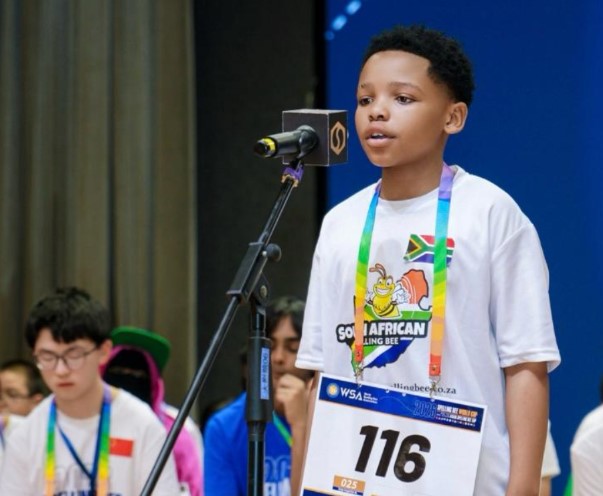
Six SA spellers compete at inaugural World Cup in Shanghai
Uncategorized

Six SA spellers compete at inaugural World Cup in Shanghai

By Levy Masiteng 

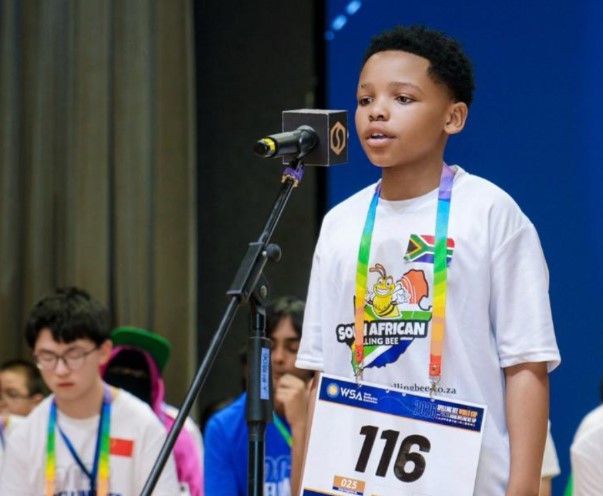
Six young South African spellers are representing the country at the inaugural Spelling Bee World Cup in Shanghai, China, after winning the continental team title earlier this year.

The learners are competing against spellers from more than 10 countries at the event, which runs from 14 to 19 July.

Team South Africa comprises Mbulelo Tolom, Ashton Singh, Rhyle Adams, Xilombe Xivuri, Ifeoma Osondo and George van Wyngaard.

ALSO READ: UKZN team helps treat 74 patients in surgical marathon

North West Education MEC Viola Motsumi wished the team well ahead of the competition.

“This is their moment to demonstrate to the world that South Africa is home to some of the finest young spellers,” Motsumi said.

Tolom, a 12-year-old Grade 7 learner at Klerksdorp Primary School, won the 2025 South African National Spelling Bee finals held at Sun City before being selected to represent the country at continental and international level.

The six learners previously represented South Africa at the eighth African Spelling Bee in Harare, Zimbabwe, from 18 to 21 March.

South Africa finished first in the overall team rankings, ahead of Nigeria in second place and hosts Zimbabwe in third. Eleven African countries sent six spellers each to the championship, while Singh finished second in the junior division.

South African Spelling Bee chief executive Roger Dickinson said after the continental victory that the Shanghai competition would be the team’s next major challenge.

“This is not the end of the journey for this team. The next step is to represent South Africa at the World Spelling Bee Championships, set to take place in Shanghai, China, in mid-July 2026,” Dickinson said at the time.

Basic Education Minister Siviwe Gwarube also praised the learners when she received the African championship trophy from the team in Pretoria on 9 April.

ALSO READ: Ramaphosa calls for overhaul of global education funding to protect access for all

“A reading nation is a winning nation. These learners have shown us that when we cultivate a strong culture of reading, we unlock the full potential of our young people,” Gwarube said.

The Department of Basic Education said spelling bees helped learners strengthen their vocabulary, reading comprehension, critical-thinking skills and confidence while encouraging them to read more widely.

Motsumi said the learners’ achievements also reflected the work of their teachers.

“Their achievement is also a testament to the dedication and hard work of our teachers, who continue to provide quality education and nurture excellence in our schools. We are proud of you and wish you every success. Go and make South Africa proud,” she said.

INSIDE EDUCATION

The post Six SA spellers compete at inaugural World Cup in Shanghai appeared first on Inside Education..
Uncategorized

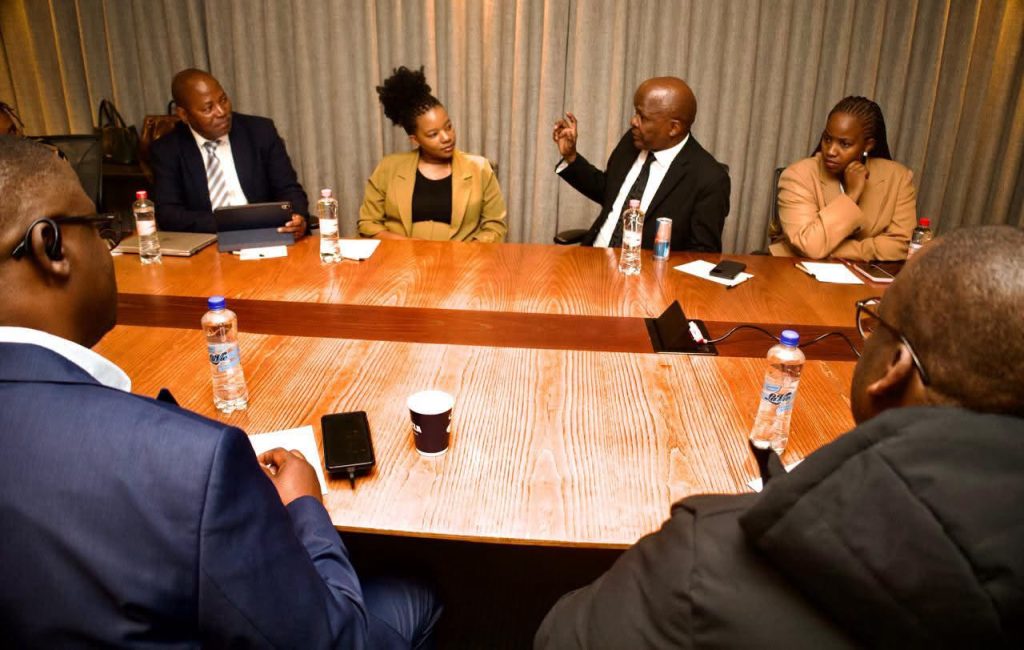
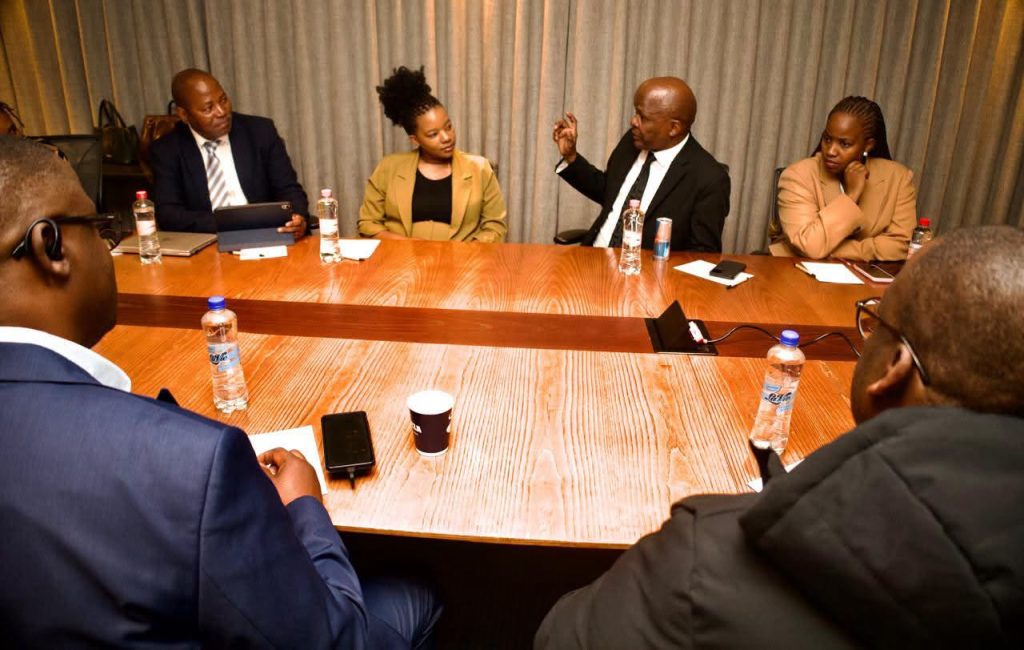
DHET defends R9.9m bill for four NSFAS advisers

By Charmaine Ndlela

The Ministry of Higher Education and Training has defended the approximately R9.9 million in combined annual remuneration allocated to four technical advisers appointed to support the administration of the National Student Financial Aid Scheme (NSFAS), saying the structure is smaller and less costly than previous governance support arrangements.

The clarification follows public criticism of expenditure associated with the administration led by Professor Hlengani Mathebula, who was appointed after NSFAS was placed under administration on 4 May.

The ministry said scrutiny of public spending was legitimate and necessary, but maintained that the debate should be based on verified information and an understanding of the different governance arrangements under which NSFAS had operated.

NSFAS administers more than R50 billion annually in financial assistance to university and technical and vocational education and training college students.

The current administration has adopted a technical support structure comprising four specialist advisers appointed to help Mathebula implement a time-bound programme aimed at stabilising the institution.

“The combined annual remuneration of these four advisers is approximately R9.9 million,” the ministry said.

It said the amount compared with technical support costs of approximately R16.5 million a year under a previous administration and about R19.6 million annually under an earlier administration.

The ministry also said the former NSFAS board and its committee structures received approximately R31 million in remuneration during the 2025/26 financial year.

The ministry said that the structures performed different statutory functions and were therefore not directly comparable.

It nevertheless argued that the figures showed that the current administration had chosen a smaller technical support structure while retaining the specialist expertise required to implement reforms.

“The purpose of these appointments is not to create additional bureaucracy, but to restore governance, strengthen financial controls, improve operational performance, modernise systems and rebuild institutional capability,” the ministry said.

Questions have also been raised about compliance with Section 17C of the NSFAS Act, which provides that the remuneration and allowances of an administrator and other people appointed to assist the administration may be determined by the Higher Education Minister with the approval of the Finance Minister.

The ministry said the appointment of the administrator and the approval of technical advisers were separate from the statutory process governing their remuneration and allowances. It said it had engaged Finance Minister Enoch Godongwana in accordance with the Act and would cooperate with lawful oversight processes.

It urged the public to assess the administration according to measurable improvements in governance, accountability and services rather than solely on the appointment of technical advisers.

NSFAS has faced repeated governance, financial and operational failures, including weak internal controls, unreliable data, delayed payments to students and institutions, unresolved appeals and problems with its information technology systems.

Former NSFAS chief executive Andile Nongogo’s employment was terminated in 2023 following investigations into his involvement in the appointment of companies contracted to make direct payments to students.

The NSFAS board was dissolved in April 2024 after it failed to implement fully recommendations concerning the direct-payment contracts and continued to face problems with student allowance payments, internal capacity, information systems and responses to student queries.

The scheme was again placed under administration in May after several board members resigned and Higher Education and Training Minister Buti Manamela concluded that the remaining board could not provide the leadership and oversight required to stabilise the institution.

Manamela appointed Mathebula as administrator and gave him full executive authority over NSFAS.

INSIDE EDUCATION

The post DHET defends R9.9m bill for four NSFAS advisers appeared first on Inside Education..

Chikunga hails graduation of 20 wheelchair technicians as disability skills drive expands
Uncategorized

Chikunga hails graduation of 20 wheelchair technicians as disability skills drive expands

By Charmaine Ndlela

Twenty young people, including persons with disabilities, have graduated as qualified wheelchair and mobility technicians, with government hailing the achievement as a boost to employment opportunities and improved access to assistive mobility services across South Africa.

The graduates were honoured at the Recreation Aid Foundation (RAF) Wheelchair and Mobility Technician Graduation Ceremony, held under the theme Celebrating Achievement, Ability and Inclusion in Soshanguve, Pretoria, on Wednesday.

Addressing the ceremony, Minister in the Presidency for Women, Youth and Persons with Disabilities Sindisiwe Chikunga said South Africa must move beyond policy commitments and accelerate implementation to remove barriers facing learners and job seekers with disabilities.

The graduates completed specialised training in the provision, maintenance and repair of wheelchairs and other assistive mobility devices, equipping them with practical skills while helping to strengthen mobility support services nationwide.

Chikunga commended the Recreation Aid Foundation for creating skills development opportunities for academically disadvantaged individuals and learners with special educational needs.

“Please be assured that your efforts have our full support, and our undivided attention,” she said.

She argued that the greatest barriers confronting learners with disabilities were inaccessible infrastructure, inadequate support systems and discriminatory attitudes rather than their disabilities.

“The obstacle is not the learner’s difference. It is the exclusionary design of our schools, our systems, our curricula, and, more often than not, our attitudes,” Chikunga said.

She said many special schools, particularly in townships, rural communities and farming areas, continue to face inaccessible classrooms, narrow corridors, unsuitable sanitation facilities and shortages of assistive devices.

“Classrooms without ramps, corridors too narrow for a wheelchair, toilets that cannot be used by a child with mobility needs. These physical impediments are not neutral. If a learner cannot enter a classroom with dignity, the conversation about inclusive education has already failed before the lesson begins,” she said.

Chikunga added that many educators had not received sufficient training to support inclusive classrooms, while stigma and discrimination continued to limit opportunities for learners with disabilities.

“This is not a personal failing of educators themselves. Our teacher training and professional development pipeline itself requires reinforcement,” she said.

The minister outlined four priorities to strengthen disability inclusion.

These include transforming special schools into regional resource centres that support mainstream schools, embedding multidisciplinary teams such as occupational therapists, psychologists, speech-language pathologists and assistive technology specialists within special schools, and strengthening pathways from school into Technical and Vocational Education and Training (TVET) colleges, higher education, entrepreneurship and employment.

Reaffirming government’s commitment to disability inclusion, Chikunga said the White Paper on the Rights of Persons with Disabilities and the National Development Plan provide a framework for advancing equality.

She said persons with disabilities account for about 12.34% of South Africa’s population, adding that government aims to ensure that at least 10% of employment opportunities and 7% of skills development opportunities are reserved for persons with disabilities by 2030.

Chikunga also announced several initiatives to strengthen partnerships with the Recreation Aid Foundation.

These include collaboration on the National Skills Fund’s R1 billion Disability Support Fund, launched in 2024 to provide workplace training, enterprise development and procurement support for persons with disabilities.

She further announced plans for a national legacy initiative that would pair every special school with a state-owned enterprise to improve infrastructure, educational resources and career opportunities through corporate social investment programmes.

In addition, the department is working with the Department of Public Service and Administration to help government departments meet the 10% employment equity target for persons with disabilities.

Chikunga urged organisations such as the Recreation Aid Foundation to assist government in developing a credible database of qualified persons with disabilities to support recruitment across the public sector.

She also announced plans to establish a Disability Inclusion Research, Advocacy and Mainstreaming Centre of Excellence to advance teacher training, research, digital inclusion and the development of disability-inclusive schools and classrooms.

Congratulating the graduates, Chikunga said their success extended beyond individual achievement.

“Your achievement today is not only your own. It is the achievement of your families, your teachers and your communities — and of every South African who believes that our society is stronger when every one of its members is included, respected and equipped to lead,” she said.

INSIDE EDUCATION

The post Chikunga hails graduation of 20 wheelchair technicians as disability skills drive expands appeared first on Inside Education..

Uncategorized

WATCH: KZN Education probes job-selling claims made by wife of spokesperson

By Charmaine Ndlela 

The KwaZulu-Natal Department of Education has ordered an investigation into job-selling and sex-for-jobs allegations against its spokesperson, Muzi Mahlambi, despite Mahlambi and his wife saying the video containing the claims was recorded four years ago and was not factual.

Head of Department Nkosinathi Ngcobo directed that a full investigation be commissioned through an independent body after the video, which shows Mahlambi arguing with his wife, Metu, circulated widely on social media.

In the footage, Metu alleges that her husband was involved in selling teaching posts and had sexual relationships with educators seeking employment. She also alleges that he avoided publicly addressing claims about the sale of posts because he was implicated in the practice.

Mahlambi is the department’s Head of Communications, while his wife serves as its Umlazi District Director.

In a joint statement issued before the department announced its investigation, the Mahlambis said the footage had been recorded four years ago during a private marital dispute.

They expressed regret that an “intensely emotional moment” had entered the public domain and said many of the allegations and remarks made during the argument were emotional expressions arising from hurt, frustration, and anger rather than factual representations.

ALSO READ: UKZN team helps treat 74 patients in surgical marathon

“They should not be taken as an accurate account of our relationship or of either of our characters,” the couple said.

They apologised to members of the public who had been offended or disappointed by the contents of the video.

They said they had since worked through their personal differences through honesty, forgiveness and commitment and remained together and “stronger and more united than before”.

But the department said the seriousness of the allegations required a fair, credible and impartial investigation to determine whether they were true.

“The investigation will be conducted without fear, favour or prejudice, and all relevant evidence will be considered,” the department said.

It urged the public not to draw conclusions before the investigation was completed, saying all parties were entitled to due process.

The department said it would cooperate fully with the independent investigation and act decisively after receiving its findings.

It also appealed to anyone with credible information relevant to the allegations to provide it to the investigating body or the appropriate law enforcement authorities so that the matter could be thoroughly investigated.

The Democratic Alliance in KwaZulu-Natal has separately called for an urgent independent forensic investigation into the claims.

DA KZN education spokesperson Sakhile Mngadi said the party was not making a finding of guilt against any individual, but added that the seriousness of the allegations and their potential implications for the department required an immediate independent investigation.

ALSO READ: Junior Proteas take 1-0 lead after dramatic 45-run triumph in Beckenham

Mngadi said the allegations, if proven, would represent a betrayal of qualified unemployed educators who had spent years seeking work through recruitment processes they believed were fair and transparent.

The DA said it had written to KwaZulu-Natal Education MEC Sipho Hlomuka requesting a forensic investigation and the preservation and examination of all potential evidence, including the circulating video and any supporting information.

The party said any criminal conduct identified during the investigation should be referred to the Hawks and the National Prosecuting Authority without delay.

INSIDE EDUCATION

The post WATCH: KZN Education probes job-selling claims made by wife of spokesperson appeared first on Inside Education..

UKZN team helps treat 74 patients in surgical marathon
Uncategorized

UKZN team helps treat 74 patients in surgical marathon

Staff Reporter

Urology specialists and trainees from the University of KwaZulu-Natal (UKZN) helped treat 74 patients during a five-day surgical marathon aimed at reducing elective surgery waiting lists in the public healthcare system.

The patients were treated from 6 to 10 July at the Victoria Mxenge-St Aidan’s Hospital Tertiary Complex in Durban and Ngwelezana Provincial Tertiary Hospital in Empangeni, as part of the KZN leg of the 2026 African Synergy Health Mandela Week Surgical Marathon.

The 74 patients represented more than a third of the national campaign’s aspirational target of treating at least 200 patients by the end of Mandela Month.

Staff and specialist trainees from UKZN’s Discipline of Urology joined public and private healthcare partners to perform complex procedures on patients who had been waiting for elective surgery in the public healthcare system.

The procedures included operations to correct congenital birth defects, reconstruct damaged urethras and remove kidneys or testes affected by cancer.

Several patients underwent more than one operation or procedure during the marathon. The total number of procedures performed has not yet been consolidated.

Help for surgical backlogs

Head of UKZN’s Discipline of Urology and the KwaZulu-Natal Clinical Department of Urology, Dr Cindy Zietsman, said the campaign demonstrated the effect partnerships between the public and private sectors could have on surgical backlogs.

“Treating 74 patients in just five days demonstrates both the commitment of our multidisciplinary team and the impact that strategic public-private partnerships can have on reducing surgical waiting lists,” said Zietsman.

“Despite operating with limited human and financial resources, we have shown what is possible when specialist expertise, hospital capacity and external partners work towards a common goal.”

Zietsman said demand for specialist urological services in KwaZulu-Natal continued to exceed the capacity available in the province.

Patients requiring urgent procedures for life-threatening conditions typically waited between two and eight weeks for surgery, while those requiring non-life-threatening elective procedures could wait for up to 12 months.

Leading the charge to zero-waiting lists is the Victoria Mxenge – St Aidan’s Hospital Tertiary Complex team, comprising medical staff, surgeons,
and nursing representatives. (Photo: UKZN)

Operating theatre capacity was expanded at both hospitals during the KwaZulu-Natal leg of the marathon to allow more patients to receive treatment.

At the Victoria Mxenge-St Aidan’s Hospital Tertiary Complex, eight theatre slates operated from early morning until late each day, compared with the usual six.

At Ngwelezana Provincial Tertiary Hospital, theatre capacity doubled from two to four slates.

The surgical marathon is being implemented through a memorandum of understanding between African Synergy Health, a non-profit public benefit organisation, and the National Department of Health.

The initiative is intended to eliminate elective surgical waiting lists in South Africa’s public healthcare system while expanding access to life-changing procedures and raising national awareness about healthcare access and patient dignity.

The programme is being rolled out across six provinces. Its Free State and KZN legs have been completed, while the initiative is currently underway in Gauteng.

The marathon will then continue in North West, Mpumalanga and Limpopo.

African Synergy Health founder and chief executive Dr Viola Morolo said the organisation’s vision was to eliminate elective surgical waiting lists through collaborative partnerships that strengthened South Africa’s healthcare system.

Morolo and Dr Marissa Conradie, also from African Synergy Health, volunteered their services during three of the five operating days.

They worked alongside five UKZN urology specialists, six registrar doctors and between four and six surgical nurses in each theatre at the two hospitals.

The initiative has expanded since the 2025 KwaZulu-Natal surgical marathon, when 38 patients underwent 118 procedures at the Victoria Mxenge-St Aidan’s Hospital Tertiary Complex.

INSIDE EDUCATION

The post UKZN team helps treat 74 patients in surgical marathon appeared first on Inside Education..

Uncategorized

DBE launches literacy toolkit to tackle reading crisis

By Lebone Rodah Mosima

The Department of Basic Education (DBE) is launching a national literacy-promotion toolkit aimed at coordinating efforts to encourage reading in homes, schools and communities.

The Department is launching the National Literacy Promotion Toolkit Initiative with the National Education Collaboration Trust and other literacy organisations at a three-day capacity-building workshop at Emperors Palace in Kempton Park, Ekurhuleni. The launch started on Tuesday.

ALSO READ: UKZN team helps treat 74 patients in surgical marathon

The workshop, held under the theme “From Plans to Implementation: Building a Reading Culture Together”, marked the official rollout of the toolkit following an earlier process in which education officials and literacy partners tested and refined its contents.

The initiative forms part of the South African National Literacy Strategy and Plan for 2024-2030. It is intended to support the strategy’s fourth pillar, which focuses on the involvement of parents and communities in children’s literacy development.

“Reading is more than a skill, it’s the foundation for lifelong learning,” the department said.

The launch comes amid continued concern about South African children’s reading ability.

The DBE’s 2025 Funda Uphumelele National Survey found that 31% of Grade 1 learners reached the expected home-language reading benchmark. About 33% of Grade 2 learners and 31% of Grade 3 learners reached the benchmarks set for their grades.

By Grade 4, only 46% of learners had reached the Grade 3 home-language reading benchmark, underscoring the scale of the foundational learning challenge the toolkit is intended to help address.

The toolkit itself is a planning and implementation framework rather than a standalone intervention. Its success will depend on sustained implementation by provinces, education districts, schools and community partners, as well as access to resources and effective monitoring.

Opening the workshop, DBE Deputy Director-General for Delivery and Support Simone Geyer described the toolkit as a practical instrument for building a sustainable reading culture across the country.

Geyer said literacy development extended beyond the classroom and required the involvement of parents, communities, schools, libraries, civil society organisations and the private sector to ensure children had access to reading opportunities from birth.

“We can’t do it alone, and we can’t do it in a classroom alone. We have to work with everyone,” Geyer said.

“It is everyone’s responsibility to ensure that the child is developed right from birth.”

ALSO READ: Junior Proteas take 1-0 lead after dramatic 45-run triumph in Beckenham

DBE Director for Reading Dr Nompumelelo Nyathi-Mohohlwane said the initiative was rooted in the national literacy strategy and aimed to promote reading in homes and communities through practical, evidence-informed resources.

“Literacy is a social practice. It’s shaped by culture, by language and daily experiences, and it is important to leverage home languages as a gateway to literacy rather than something to be overcome,” Nyathi-Mohohlwane said.

She introduced District Reading Collectives as the initiative’s implementation structure at district level.

The collectives are expected to bring together government departments, schools, libraries, community organisations, faith-based groups, businesses and literacy partners to coordinate reading-promotion programmes and reduce duplication.

“The toolkit provides a shared national framework for literacy promotion, including guidance on establishing reading clubs, creating print-rich environments, celebrating national literacy events, and supporting initiatives such as the reinstated DBE National Spelling Bee,” she said.

Nyathi-Mohohlwane said the initiative was not intended to be a once-off project, but a sustained programme aimed at embedding literacy promotion in the education system through to 2030.

DBE Chief Director for Foundations for Learning Kulula Manona said literacy development started before children entered formal schooling.

“Literacy begins long before a child enters Grade R or Grade 1. It starts at home, in conversations, songs, stories, play, pictures, and books,” Manona said.

Manona stressed the importance of investing in children’s early years as the foundation for lifelong learning and the development of a lasting reading culture.

She said the toolkit was intended to provide a practical framework through which different organisations and institutions could coordinate their literacy-promotion activities and help children become confident readers.

“Our goal is a child who chooses to read, a caregiver who tells stories, a teacher who inspires a love of books, a community that celebrates literacy, and a society where reading becomes part of everyday life,” she said.

Three flagship literacy programmes are due to be showcased during the workshop: Nal’ibali Reading Clubs and Reading Campaigns, Room to Read’s School Library Development programme and the DBE National Spelling Bee Programme.

INSIDE EDUCATION

The post DBE launches literacy toolkit to tackle reading crisis appeared first on Inside Education..