Communications and Digital Technologies Minister Solly Malatsi has said that South Africa is losing digital employment opportunities to overseas markets while millions of young people remain unemployed and local businesses struggle to recruit suitably skilled workers.
Speaking at the CollectiveXChange 2026 conference in Randburg, Johannesburg, on Thursday, Malatsi called for better cooperation between government, businesses and training institutions to ensure digital skills programmes produced graduates equipped for available jobs.
He said South Africa’s digital economy could become a major driver of economic growth, potentially contributing more than 15% to gross domestic product (GDP), compared with its estimated current contribution of between 7% and 8%.
“The digital economy currently contributes between 7% and 8% of our GDP. With the right policy interventions, the right investment, the right partnerships, I have no doubt that our focus of contributing more than 15% to the GDP can happen,” he said.
He said the Digital Economy Masterplan envisaged creating at least one million employment and income-generating opportunities over the next decade, but warned that achieving this ambition would depend on developing a suitably skilled workforce.
He cited estimates indicating that more than 28,000 testing and application development jobs had been outsourced internationally, despite significant unemployment among South Africans with digital qualifications.
“This illustrates something profound, that the demand is there. The supply of eager and available talent is locally bound. What is needed is to equalise that equation,” he said.
The country had a youth unemployment rate of 47.4% in the second quarter of 2026, according to Statistics South Africa, with about five million people aged 15 to 34 unemployed.
Malatsi said government could not address the skills mismatch alone and urged employers and training providers to align programmes with actual workplace requirements.
Collective X chief executive Evan Jones said the organisation was working to expand digital training and employment opportunities through its Digital Skills Impact Fund, which he said had secured R700 million in funding commitments.
The organisation also reported a 95% absorption rate into learning and work opportunities, although the figure does not necessarily represent permanent employment.
Jones said Collective X aimed to double the country’s annual digital skills development output from approximately 20,000 to 40,000 by 2028 and help 500,000 young people enter employment by 2034.
“Whilst those numbers are numbers to be proud of, it’s simply not enough,” he said.
“We’re at a pivotal point in our plans where we now need to shift our attention from piloting proof points and implementation, which is what we’ve been doing, to meaningful scale for the country.”
Collective X executive for public sector partnerships Linda Peter said training programmes should be designed around identified employment opportunities rather than simply producing qualifications.
“One thing that we agree on is that we need a skill to be truly demand-led. That means we need to start with a job in mind,” she told Inside Education.
“Traditionally, we’ve been starting with qualifications and certificates in mind and hoping that there’s a job at the end.”
Peter called for funding models that measured success by employment outcomes instead of enrolment and completion rates.
“The way that the system has been working is that we are funding based on the number of people enrolled and number of people completed, which doesn’t exactly necessarily result in a job.”
For 32-year-old Bethusile Mafumana, a Collective X and Umuzi programme participant, digital training provided an opportunity to establish her own business rather than continue searching for employment.
Mafumana founded Betana, a digital solutions studio operating across Gqeberha and Johannesburg, which has grown to a team of four.
“I realised that no one was coming to save me, no one was coming to give me a job,” she told Inside Education.
But she said that skills training alone was insufficient without continued financial support to help emerging businesses expand and employ others.
“The freelancing programme was amazing, but I feel like it was just half the job done,” she said.
Mafumana said additional funding would allow Betana to recruit interns and provide practical experience to other young professionals, particularly those from underserved communities in the Eastern Cape.
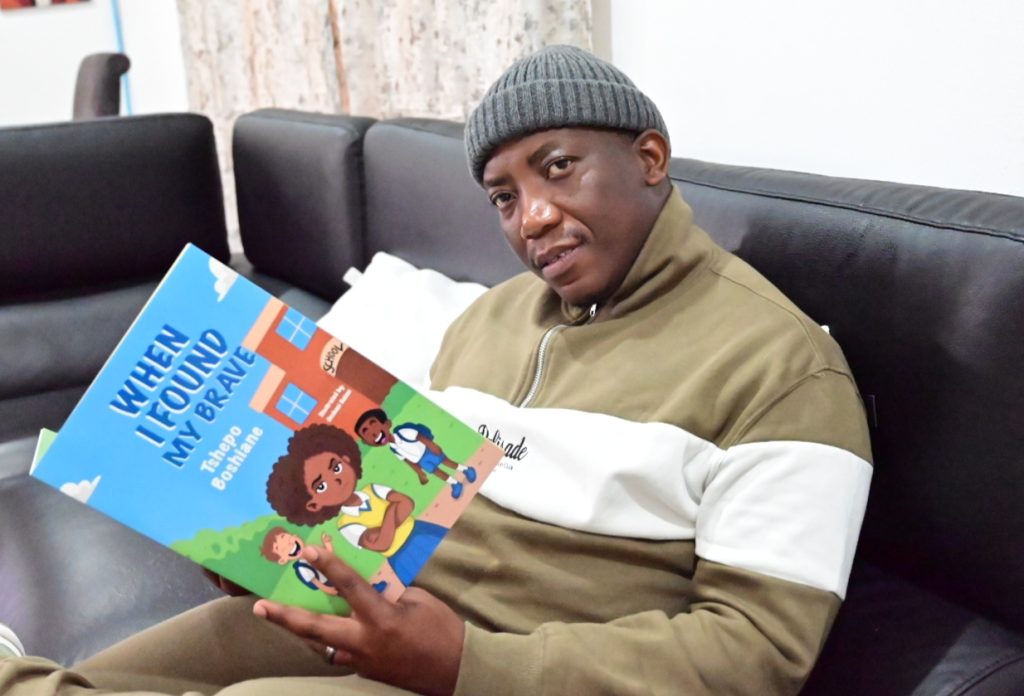
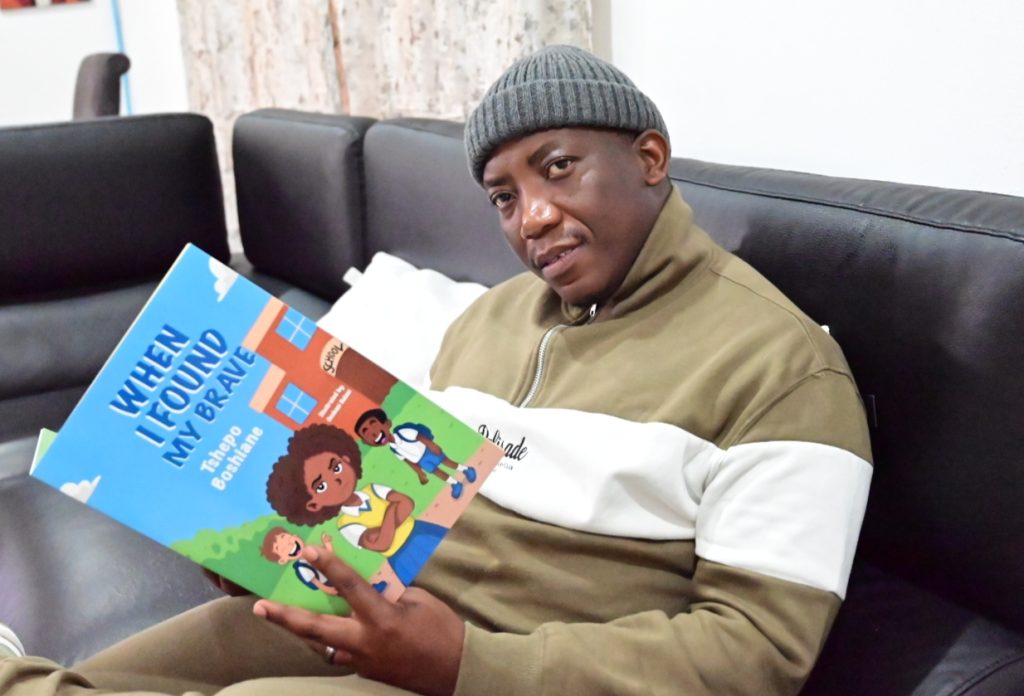
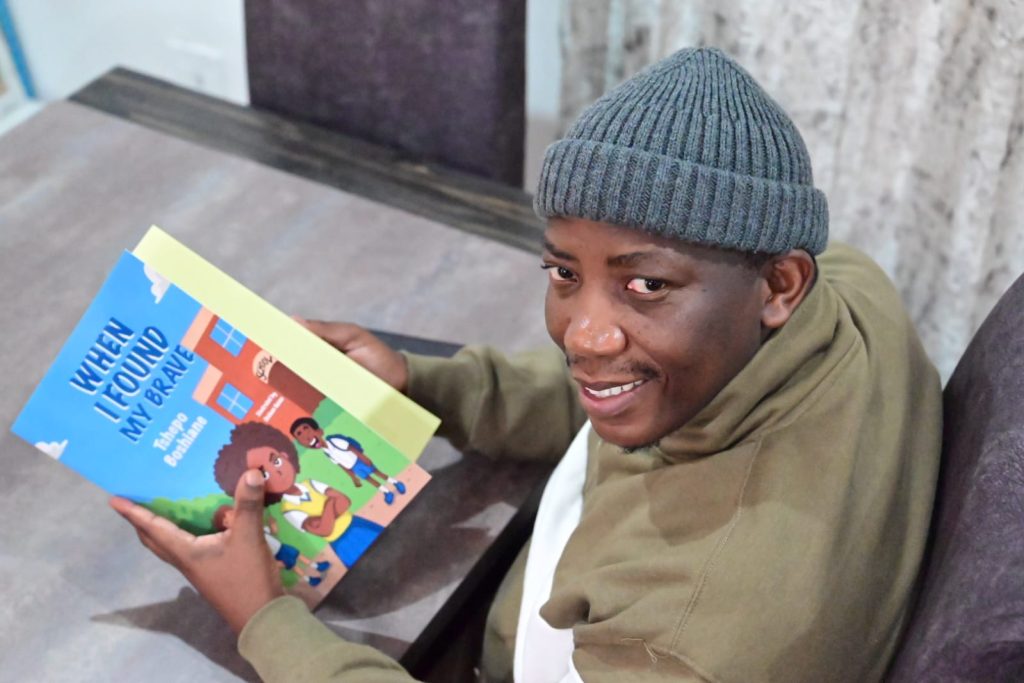
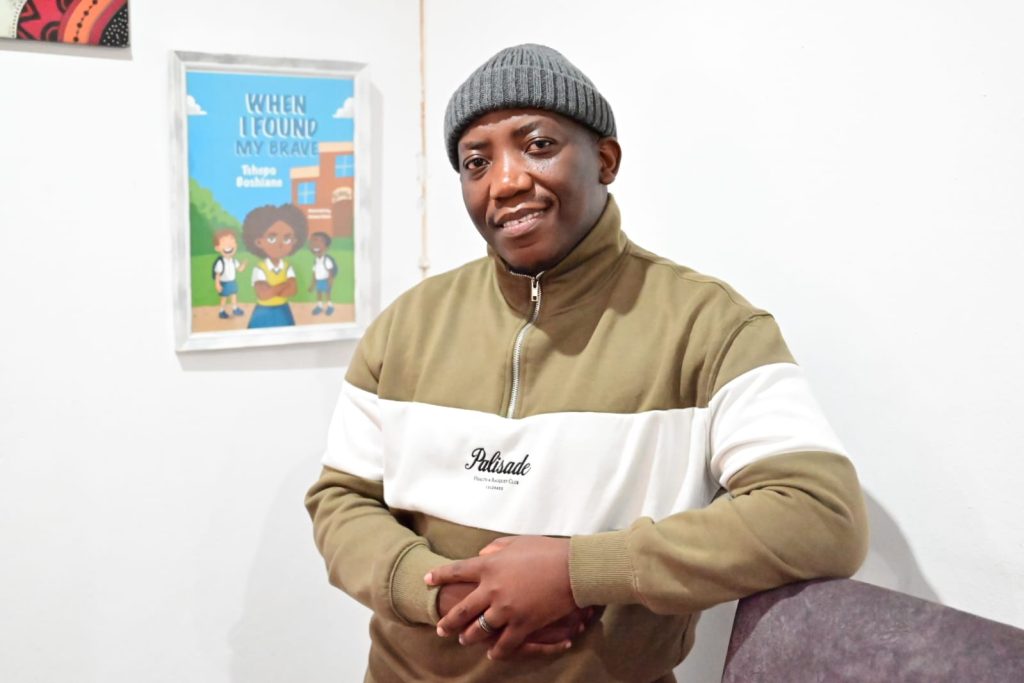
For Tshepo Boshiane, helping children find the courage to stand up against bullying, embrace their identities and respect people from different cultural backgrounds is more than a writing project but it is part of a mission to give young people hope.
“My vision is to become a global ambassador for kids and young people,” said Boshiane, a South African author, communications practitioner and youth development advocate whose children’s book, When I Found My Brave, seeks to use storytelling to address bullying, discrimination and cultural identity.
The book was published in April 2026. Boshiane told Inside Education that the book reflects his belief that stories can help children understand their experiences, develop empathy and recognise the value of their identities.
Boshiane said his mission was to bring hope in the hopeless and change lives.
The author, who is from the Tshwane area of Hammanskraal, has extended that mission beyond the pages of his book through his work with young people and his efforts to promote education and youth development.
At the centre of When I Found My Brave is Baki, a child from Limpopo who moves to Soweto and experiences racial discrimination because of her name. The story follows her encounter with a white child who bullies her, before the two eventually become friends.
Through Baki’s experience, Boshiane explored how prejudice can affect children’s sense of belonging, while encouraging readers to look beyond differences and learn to respect one another.
The book also highlighted the preservation of African cultures, the importance of African names and the need to respect the heritage of others.
Boshiane said that the message extends beyond children, noting that adults can also experience bullying at home, in their communities and in the workplace.
His ambition is to make the story accessible to more young readers while encouraging meaningful conversations about bullying, identity and the responsibility people have towards one another.
Boshiane’s interest in storytelling stretches back more than two decades.
He began writing poetry for a local newspaper in Hammanskraal around 2003, laying the foundation for a journey that would eventually lead him to children’s literature.
“I fell in love with writing in 2003; that was before I was even enrolled in school. I started poetry writing for a local newspaper,” Boshiane said.
In 2024, he wrote a novel exploring interracial marriages before turning his attention to a children’s book that tackles issues affecting young people.
The idea for When I Found My Brave began taking shape towards the end of 2025. Talking to Inside Education, he said the book’s content took him about two weeks to finish, and he had not expected to reach the milestone so soon.
His work as a communications practitioner has also informed his approach to storytelling, allowing him to use words to communicate social issues in a way that can resonate with different audiences.
Tshepo Boshiane. Photo: Eddie Mtsweni
“The challenge I faced writing this book was that the writing is very different from journalism; I had to connect with the audience at the same level as them,” Boshiane said.
“I was observant in creating the characters. The main character’s name is the first two letters from my daughter’s name.”
Beyond writing, Boshiane founded the Tshepo Boshiane Foundation, through which he has pursued projects involving children and young people. The foundation’s broader work focuses on social cohesion, educational initiatives, poverty alleviation and youth empowerment.
His commitment to education is particularly important to him. In addition to raising awareness about bullying, he has spoken about the need to keep young people in schools and tertiary institutions and has expressed concern about challenges such as teenage pregnancy.
“I got to see the latest statistics of bullying and decided to come with a solution to address the bullying faced by children and young people,” Boshiane said.
Boshiane has continued the discussion focusing on young people’s challenges and opportunities, with storytelling serving as a way to educate and empower them.
Boshiane described When I Found My Brave as a children’s story that promotes self-awareness and self-love, discourages bullying and encourages respect for other cultures and heritage.
The message is one he also hopes to reinforce through his role as a father.
For Boshiane, the hope is that children who encounter the book will recognise that differences should not become reasons to ridicule or exclude others.
Instead, they should be encouraged to understand themselves, appreciate other people and find the confidence to confront harmful behaviour.
Although he said he does not recall being bullied himself, he wants to use writing to communicate how damaging bullying can be and encourage people to take the issue seriously.
His ambition is to see When I Found My Brave reach classrooms and young readers across the country, opening conversations that might otherwise remain unspoken.
Ultimately, Boshiane’s work is rooted in the belief that empowering young people begins with giving them the tools to understand their experiences and the confidence to navigate them.
Through Baki’s journey, he hopes to remind children that courage is not about being untouched by adversity, but about learning to stand up for themselves and others while respecting the differences that make people who they are.
“I had to be brave and actually head on this challenge of writing children’s book. If you know and believe in yourself, take that pen and the ideas will run to you,” Boshiane said.
A six-year-old girl is fighting for her life after she was allegedly stabbed multiple times inside a classroom at a school in Umhlali, KwaZulu-Natal, on Tuesday, raising concerns about security at the facility.
The incident occurred on the morning of 13 October 2026 at a church-based educational facility on the North Coast.
According to local reports, the 16-year-old suspect allegedly entered the school through the back of the property at about 8.15am, locked a classroom door and stabbed the child before attempting to flee.
The girl sustained serious stab wounds to her chest, abdomen and arm and was rushed to hospital for emergency treatment.
KwaZulu-Natal police spokesperson Sergeant Thenjiswa Ngcobo confirmed that a 16-year-old boy had been arrested on charges of attempted murder and assault.
“It is alleged that the teenager entered a classroom occupied by learners and an educator, locked the door and stabbed six-year-old girl multiple times before attempting to flee the scene,” Ngcobo said.
Police said preliminary investigations had established that the teenager was previously arrested for intimidation in April 2026.
He was also allegedly linked to a failed bombing attempt at Ballito Junction shopping centre in March 2026. He is believed to be a former pupil at the school.
IPSS Medical Rescue paramedics responded to the scene and stabilised the child before transporting her to a specialist medical facility in Durban.
IPSS Medical Rescue spokesperson Samantha Meyrick confirmed that the girl was in a critical condition.
“The girl, who was stabbed multiple times, is in a critical condition and has been transported to a specialist facility under the care of IPSS Medical Rescue Advanced Life Support Paramedics,” Meyrick said.
The North Coast Courier reported that the teenager was allegedly carrying several dangerous items, including a large kitchen knife, cable ties, an improvised firearm fitted with a blade and a bag containing camouflage clothing.
The publication also reported that the teenager had allegedly published a manifesto before the Ballito Junction incident, outlining grievances and making threats, including references to the school where Tuesday’s stabbing occurred.
The teenager was previously admitted to Town Hill Hospital, a specialised psychiatric facility in Pietermaritzburg, following the Ballito Junction incident.
He was reportedly seen at the shopping centre again on 1 July and arrested on 3 July before being released after appearing in the KwaDukuza Regional Court.
Tuesday’s stabbing has raised questions about security at the school, including how the suspect allegedly gained access through the back of the property and locked the classroom door.
The incident adds to concerns about violence and safety in South African schools.
The teenager remains in police custody and is expected to appear in the KwaDukuza Magistrates’ Court.
The South African Social Security Agency (SASSA) has brought forward November’s social grant payments to avoid a clash with the 4 November local government elections, with older persons set to receive their grants from 30 October.
In a statement issued on Wednesday, SASSA said that disability grant beneficiaries would be paid on Monday, 2 November, followed by children’s grant recipients on Tuesday, 3 November.
The changes follow the declaration of Wednesday, 4 November, as a public holiday for the local government elections.
Under the original payment schedule, older persons were due to receive their grants on 3 November, disability grant beneficiaries on 4 November and children’s grant recipients on 5 November.
“The National Treasury has approved the revised schedule following consultations with various stakeholders,” SASSA said.
“The revised payment schedule follows extensive consultations between SASSA and various stakeholders to ensure that social grant payments continue to be administered efficiently, securely and with minimal disruption during the election period,” it said.
SASSA also confirmed that Thursday, 5 November, would be reserved for beneficiaries whose grants are undergoing review.
“The fourth-day payment on 05 November 2026 is specifically intended for beneficiaries whose grants fall within the review process,” SASSA said.
Beneficiaries undergoing reviews have been urged to respond to official communication and attend appointments when requested.
SASSA also encouraged beneficiaries to rely on its official communication channels for accurate information and to remain alert to misinformation about grant payments.
Learning gaps caused by Covid-19 disruptions remain a concern for the 2026 matric class, as second-term pass rates in Mathematics and Physical Sciences declined compared with last year.
Department of Basic Education (DBE) deputy director for Further Education and Training, Bulara Samson Monyaki, said the class of 2026 experienced significant schooling disruptions when learners were in Grades 6 and 7 during 2020 and 2021.
He was presenting to the Portfolio Committee on Basic Education on the state of readiness for the 2026 National Senior Certificate (NSC) exams.
Lockdowns, the suspension of contact teaching and rotational timetables affected learning during a period when learners were expected to strengthen their literacy and numeracy skills.
“The cohort’s most severe interruption occurred during the intermediate to senior phase transition, a period foundational to numeracy and literacy consolidation,” Monyaki said.
He said the effects of lost contact time remained evident when learners reached Grade 8 in 2022, despite the return to full-time schooling and the introduction of curriculum recovery plans.
The department also identified teacher attrition in some provinces and socioeconomic inequalities as continuing concerns affecting learning and performance in Grades 10 to 12.
The department’s figures show that the second-term Mathematics pass rate fell from 73.3% in 2025 to 68.25% in 2026.
Physical Sciences also recorded a decline, with the pass rate dropping from 75.9% to 73.12% over the same period.
Subject enrolment figures show that 258,337 candidates registered to write Mathematics in 2026, 882 fewer than in 2025. Physical Sciences had 208,260 candidates, a decrease of 577 from the previous year.
DBE Director-General Mathanzima Mweli acknowledged ongoing academic challenges and spoke on the support programmes the department administered.
“You will never reach a point where a learner is adequately prepared for the next grade; there will always be some gaps or so,” Mweli said.
The department has introduced additional support to help learners improve their performance in critical subjects, including targeted teacher training, Saturday tutoring, revision programmes and extra classes.
The department said support was directed at struggling and progressed learners, as well as underperforming schools, through additional tuition and learning materials.
The department is also preparing for a significant increase in the number of progressed candidates.
A total of 76,317 progressed learners registered for the 2026 exams, compared with 41,119 in 2025. The presentation identifies this as the highest number recorded since 2022.
The class of 2026 is the largest full-time cohort to sit the NSC exams to date, with 815,051 full-time candidates. A further 147,781 part-time candidates have registered, bringing the total number of candidates to 962,832.
DBE Deputy Minister Reginah Mhaule attributed these growing numbers to government support programmes, such as scholar transport and school nutrition programmes.
“The system is improving every year and the number of learners who are carried through from grade one to grade twelve is increasing,” Mhaule said.
To address the learning gaps, the DBE ran a monitoring and support programme across 75 districts between 26 January and 30 July. The programme reached 159,180 learners at 1,262 centres.
The department said the programme started and ended early enough to benefit learners, while schools and districts also introduced additional classes and revision activities.
“The Department of Education embraces the philosophy of ‘First Day, First Period and First Lesson’,” Monyaki said, referring to the importance of delivering stationery and textbooks before schools reopen.
According to the department, all nine provinces delivered stationery before the start of the school year and provided additional textbooks where needed. Calculators and mathematical instruments were also supplied.
Learners received revision guides, previous examination papers and online learning materials. They also wrote mock exams to familiarise themselves with the format and duration of the final papers.
The department reported that 98.4% of learners surveyed said they benefited from winter support classes. Spring classes ran from 23 September to 6 October.
The department also highlighted examination security following the leak of seven question papers and marking guidelines at the DBE in 2025.
The presentation lists the incident alongside concerns about breaches of trust by some officials and educators, impersonation and group copying.
In response, the department said it had implemented recommendations from the National Investigative Task Team, held hearings for learners implicated in irregularities and continued disciplinary hearings against officials.
It said it was deploying a “zero-compromise” strategy for 2026, with the goal to “eradicate failures, protect learner effort and restore public trust”.
Provincial education departments have completed audits of examination centres, which have been classified according to risk.
High-risk centres may be taken over administratively or assigned resident monitors, while invigilator training has been completed, with additional training continuing in October.
Despite the academic challenges, the department said preparations for the exams had progressed, with all question papers set and approved by Umalusi.
The 2026 cohort will also be the ninth to offer new subjects in the final exams, including South African Sign Language at Home Language level.
In its conclusion to the committee, the department said it was “collectively confident that our learners will achieve their full potential, resulting in an improved quality of passes”.
The exclusion of Black voices from cultural institutions and the appropriation of African heritage by global commercial interests have renewed questions about who controls, preserves and benefits from the continent’s cultural narratives.
These issues took centre stage at the Yale Directors Forum 2026 Global Symposium in Johannesburg on Tuesday, where international cultural leaders examined how museums and heritage institutions can confront historical inequalities, recognise African knowledge and ensure communities retain a voice in how their histories are told.
Held from 12 to 16 October, the symposium brought together museum directors, curators, conservators, academics and creative practitioners from 15 countries to explore the role of cultural institutions in preserving history while responding to contemporary social and economic realities.
Convened by Yale University’s Institute for the Preservation of Cultural Heritage (IPCH), the gathering focused on representation, institutional transformation and the recognition of African knowledge, with discussions extending beyond museum collections to include textiles, food, music, photography, religious traditions and creative enterprises.
In her welcoming address, Charlotte Ashamu, director of international programmes at Yale’s IPCH, said the Yale Directors Forum emerged from conversations with people establishing museums, libraries and cultural spaces across Africa, many of whom were working in isolation and using their own resources.
The programme was established to connect these leaders, enabling them to exchange knowledge, build professional relationships and learn from one another’s experiences.
Ashamu said the network had grown to include 28 fellows across 15 countries, with participation extending to Latin America and the Caribbean.
The initiative promotes the exchange of knowledge, recognising that cultural institutions in Africa and the Global South have valuable expertise to contribute to international heritage preservation.
Through the network, fellows have visited one another’s institutions, collaborated on projects and introduced organisational changes, including staff training and specialised departments such as collections management.
Ashamu said preservation extended beyond exhibitions and public programmes, requiring the patience, technical expertise and rigour of the people responsible for ensuring cultural materials remained accessible to future generations.
She also highlighted the importance of recognising the knowledge embedded in African textiles and other cultural practices.
Drawing on her personal connection to textiles through her mother, aunts and grandmothers, Ashamu said their significance extended beyond aesthetics and fashion.
Textiles carry histories, techniques and knowledge passed down through generations, yet African traditions are often used by global fashion brands without adequate recognition of their origins, she said.
She stressed the need to document these traditions and acknowledge the communities and practitioners responsible for sustaining them.
The discussion raised broader questions about who receives recognition for cultural knowledge, whose histories are documented and whose contributions are overlooked when traditional practices enter global commercial markets.
Reclaiming Black histories
The symposium also examined how museums can confront difficult histories and challenge institutional practices that have excluded Black people from positions of influence.
Anthropologist and curator Hélio Menezes drew on his experience at Museu Afro Brasil, now known as Museu Afro Brasil Emanuel Araújo, to illustrate how cultural institutions can develop more inclusive and historically grounded accounts of society.
Menezes, whose research explores contemporary art, race, archives and Afro-diasporic practices, said he had studied the museum for about 15 years before becoming its artistic director.
Founded in 2004, the museum holds a collection that, according to Menezes, demonstrates why Brazil cannot be understood without acknowledging the central role of Africa and the African diaspora in shaping its identity.
He highlighted Brazil’s history of slavery, saying about five million Africans were brought to the country through the transatlantic slave trade. Brazil abolished slavery in 1888, becoming the last country in the Americas to do so.
Despite the profound influence of African heritage on Brazilian art, culture and society, the country continues to grapple with racism and inequalities affecting Black communities, he said.
Menezes challenged the notion of Brazil as a racial democracy in which different populations blended harmoniously, describing it as a myth that obscures racial discrimination.
He said the museum’s collection offered an opportunity to confront these contradictions and recognise the African foundations of Brazilian society.
However, transforming the institution required more than displaying historically significant objects.
When he assumed leadership, the museum faced weaknesses in conservation, governance, programming and publishing. Menezes also questioned its limited engagement with contemporary African and Afro-Brazilian artists, curators, critics and other cultural practitioners.
He said the museum’s board had consisted entirely of white men from Brazil’s elite during its first 15 years, highlighting the disconnect between its African-centred collection and the lack of diversity in its governance.
The imbalance raised questions about who holds decision-making power in institutions established to represent Black histories and experiences.
Menezes said his appointment came with considerable challenges because he had previously criticised the museum’s curatorial choices and institutional structure.
He accepted the opportunity to help transform the institution and broaden its understanding of African and Afro-Brazilian cultural production.
Changes included introducing contemporary African artists into the collection, moving beyond displays that relied heavily on ethnographic interpretations of African art.
The museum also reconsidered how it presented slavery, seeking to move beyond representations centred on suffering and the aesthetics of torture towards a fuller account of African and Islamic contributions to Brazil’s production techniques and labour history.
Its treatment of Afro-Brazilian religions was expanded to acknowledge connections with other Black religious traditions across the Americas, including Cuba and the southern United States.
Menezes also described efforts to improve representation in the museum’s historical displays. In one section, about 85% of the people depicted were Black men, prompting the institution to include more Black women and broaden the narratives presented to visitors.
These changes formed part of a wider effort to move beyond narrow national interpretations of cultural heritage and recognise the historical exchanges connecting Africa, Brazil and the wider Atlantic world.
Heritage as an economic resource
The Johannesburg symposium also explored cultural heritage as a source of economic opportunity, highlighting its links to tourism, creative enterprise and cultural businesses.
The discussions recognised that traditions and historical knowledge could support livelihoods while strengthening communities’ understanding of their identities.
Johannesburg was presented as a fitting setting for the conversations because of its position as a regional arts and cultural hub, with a living heritage expressed through its neighbourhoods, music, food, photography and contemporary creative industries.
The programme includes a visit to Eyethu Heritage Hall in Soweto on Wednesday. The cultural space draws on the legacy of Eyethu Cinema, one of South Africa’s first Black-owned cinemas.
The visit is hosted by Yale Directors Forum fellow Batana Vundla, executive director of Eyethu Heritage Hall, and includes musician Yvonne Chaka Chaka.
The engagement highlights the importance of preserving community-based cultural spaces and recognising the people and institutions that safeguard histories beyond conventional museum settings.
Through its international network, the Yale Directors Forum aims to strengthen collaboration among cultural leaders and support institutions in preserving collections, expanding public engagement and responding to changing social realities.
Deputy Minister of Basic Education Dr Reginah Mhaule has called on parents, educators and community leaders to give girls more opportunities to lead, saying that confidence cannot flourish in communities that tolerate violence against women and children.
She was speaking at the 2026 International Day of the Girl Child commemoration at Die Wilge Special School in Potchefstroom, North West, on Monday.
“Notice the girl who has gone quiet. Give her the opportunity to lead and give it to her more than once,” Mhaule said.
The event was held under the theme “Building Confident Leadership for Girls” and brought together 240 learners, educators and community stakeholders through a collaboration between the Department of Basic Education (DBE), Dove, Unilever and the Development Bank of Southern Africa (DBSA).
Mhaule urged parents and caregivers to give their daughters the same educational opportunities as their sons.
“To parents and caregivers, invest in your daughter’s education with the same conviction as you invest in your sons. Listen to them, protect them, and let them see that you believe in them,” she said.
She also called on traditional and religious leaders, local government representatives and communities to help create safer environments for girls.
“Girls cannot be confident in communities that tolerate violence against women and children. We need our communities and the leaders of communities more than before,” she said.
Mhaule stressed the importance of sustaining partnerships between government, communities and organisations working to advance girls’ development.
“The gains we have made are real, but they are fragile and they will only last if we sustain them together,” she said.
She thanked artists who had volunteered their time to support the initiative and urged stakeholders to remain committed to empowering young people.
“Because when a girl believes in herself, she does not only change her own future, she helps shape the future of the nation,” Mhaule said.
Miss South Africa 2025 Qhawekazi Mazaleni also encouraged girls to embrace courage and remain authentic, saying leadership often required people to act despite their fears.
During a panel discussion, Mazaleni reflected on her experience entering the Miss South Africa competition and her decision to cut her hair while awaiting confirmation of whether she had progressed.
She said she had initially hesitated because she believed she looked “more beautiful” with long braids. However, she eventually questioned that belief and cut her hair, only to learn shortly afterwards that she had made it into the competition.
The experience prompted her to reconsider whether she should change her appearance to meet perceived beauty standards.
“Courage doesn’t mean that you’re not afraid of what you’re going to do. It means going ahead and doing it anyways,” Mazaleni said.
She explained that her decision to enter Miss South Africa had been driven by a desire to make a difference rather than by beauty.
“I think beauty is the least interesting thing about a person. I entered Miss South Africa because I saw I wanted to make a change,” she said.
Mazaleni said she wanted to improve education in South Africa, particularly inclusive education and support for people with autism.
Understanding her purpose, she said, helped her resist pressure to conform to beauty expectations.
“So was I afraid? Yes. But I think that courage and knowing why I was there in the first place really carried me through,” she said.
The commemoration also highlighted school-based programmes aimed at developing young people’s self-esteem and resilience.
Through the Dove Self-Esteem Project, facilitator-led workshops are delivered in South African schools in collaboration with educators and the DBE.
The workshops help learners develop a positive relationship with their appearance, challenge societal pressures and recognise their potential.
According to the department, the programme also provides opportunities for age-appropriate discussions about School-Related Gender-Based Violence (SRGBV), supporting efforts to create safer and more inclusive learning environments.
The partnership combines Dove’s expertise in body confidence and self-esteem, the department’s reach through schools and the DBSA’s development expertise.
The North West was selected as the focus province for the 2026 programme, with partners aiming to extend its impact through sustained school-based initiatives rather than a once-off event.
Observed annually on 11 October, the International Day of the Girl Child celebrates girls’ achievements while drawing attention to barriers that continue to limit their opportunities.
KwaZulu-Natal is preparing to accommodate a record 203,815 candidates for the 2026 National Senior Certificate (NSC) examinations, which begin on Tuesday.
Provincial Education MEC Sipho Hlomuka announced the figures on Monday during a media briefing on the department’s state of readiness at the Maritime School of Excellence in Durban.
He said the record number of candidates had prompted the department to strengthen its examination systems to ensure the process was conducted securely and efficiently.
Of the registered candidates, 188,102 are full-time and 15,713 are part-time. The total represents an increase of 7,916 candidates, or about 4%, from the 195,899 registered in 2025.
“This is the biggest examination ever conducted by the Province of KwaZulu-Natal, and the biggest examination operation in the country,” Hlomuka said.
The examinations will run from October 13 to November 26.
Hlomuka said the increase reflected the growing number of learners reaching the end of their schooling, but also placed greater responsibility on the department to ensure every candidate had a fair and secure opportunity to complete their Grade 12 qualification.
The department has trained about 31,156 invigilators to oversee examinations at approximately 1,766 centres across the province.
It expects to print 112 question papers, amounting to about 32 million individual prints. Examination materials will be distributed through 13 storage points and 103 distribution and collection centres.
The examination timetable comprises 29 morning sessions and 24 afternoon sessions, requiring careful coordination to ensure question papers reach the correct centres on time and under secure conditions.
The department has also trained chief invigilators and invigilators, while district teams have been briefed on examination rules, procedures and protocols.
“The integrity of the NSC examinations is non-negotiable. Every learner must be confident that their performance will be assessed fairly and that the examination process is protected from any form of malpractice or irregularity,” Hlomuka said.
The department is working with relevant joint operations and management structures to maintain a secure examination environment.
Preparations are also under way for marking, with 12,386 personnel expected to be appointed.
The team will comprise 8,186 markers, 1,637 senior markers, 325 deputy chief markers, 67 chief markers, 65 internal moderators, 348 examination administration personnel and 1,758 examination assistants.
Hlomuka said appointment letters for markers were expected to be issued by October 16.
Marking is scheduled to begin on December 2 and conclude on December 11.
The national announcement of the 2026 NSC results is scheduled for January 11, 2027, followed by KwaZulu-Natal’s provincial announcement on January 12.
Hlomuka urged candidates to approach the examinations with discipline and confidence, saying the department had provided additional academic support through winter tuition programmes and spring boot camps.
More than 4,380 learners benefited from the winter camps held between June and July, while spring boot camps were conducted across all 11 districts during October to provide support in key and challenging subjects.
The department has also been piloting a virtual therapy programme to support the mental well-being and examination preparation of candidates and educators.
“The key to succeed in this assessment phase is to approach every examination with discipline, confidence and determination,” Hlomuka said.
“Read every question carefully. Manage your time. The biggest enemy that seeks to undermine your preparation is anxiety. You must not allow it to win.”
He appealed to parents, guardians and communities to provide learners with supportive environments in which they could study, prepare and rest adequately.
“The NSC is more than an examination. It is an important gateway to higher education, skills development, employment and economic opportunity,” he said.
With the examinations coinciding with the November 4 local government elections, Hlomuka said measures had been introduced to minimise disruptions.
He said the department had also revised the timetable for internal examinations for Grades 4 to 11 to protect learners during the election period.
Those examinations are scheduled to run from October 21 to November 14.
The department said it was confident that its preparations would allow the province to accommodate the record number of matric candidates without compromising the credibility and integrity of the examinations.
A 44-year-old maths teacher at Malebaleba Public Primary School in Odendaalsrus has been served with an audi letter as the Free State Department of Education investigates a physical altercation between Grade 4 learners captured in a video circulating on social media.
The department said that the educator was allegedly present in the classroom when the incident occurred on 7 October 2026.
The audi letter formally notifies the educator of the allegations against her and gives her an opportunity to provide a written response and her version of events before the department decides whether further action is necessary.
“An Audi Letter derives from the legal principle [audi alteram partem], which means ‘to hear the other side’,” the department said.
“It is a standard, fair labour procedure and not a finding of guilt.”
The department said the educator’s response would be considered as part of the ongoing investigation. No finding of wrongdoing has been made against her.
The incident came to the department’s attention after a video showing a physical altercation in school hours between Grade 4 learners in a classroom was shared widely on WhatsApp and other social media platforms.
The school principal formally reported the matter on 8 October, after which it was referred to the district office. An internal investigation led by the district began on 9 October.
The department said psychosocial support was being provided to all affected learners. The school has also conducted engagements with parents.
“The safety and protection of learners remains our highest priority,” the department said.
It condemned bullying and any conduct that compromises learner safety.
Disciplinary processes involving learners will be handled in accordance with the South African Schools Act and will include restorative and corrective measures, said the department.
“We appeal to members of the public to stop circulating the video, as it identifies minor children and may cause secondary victimisation,” it said.
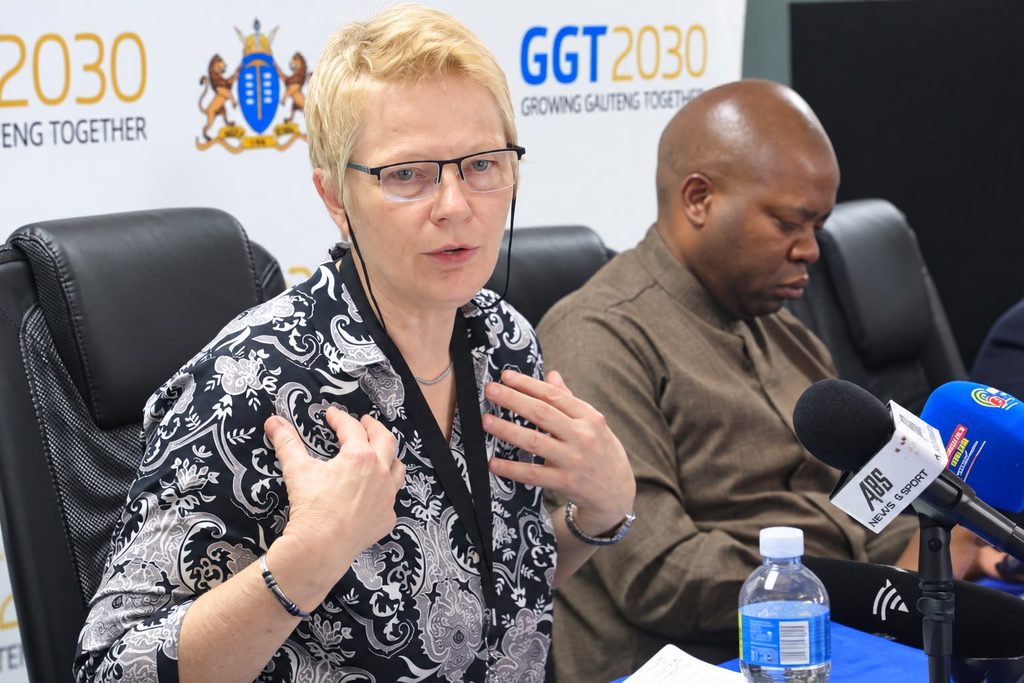
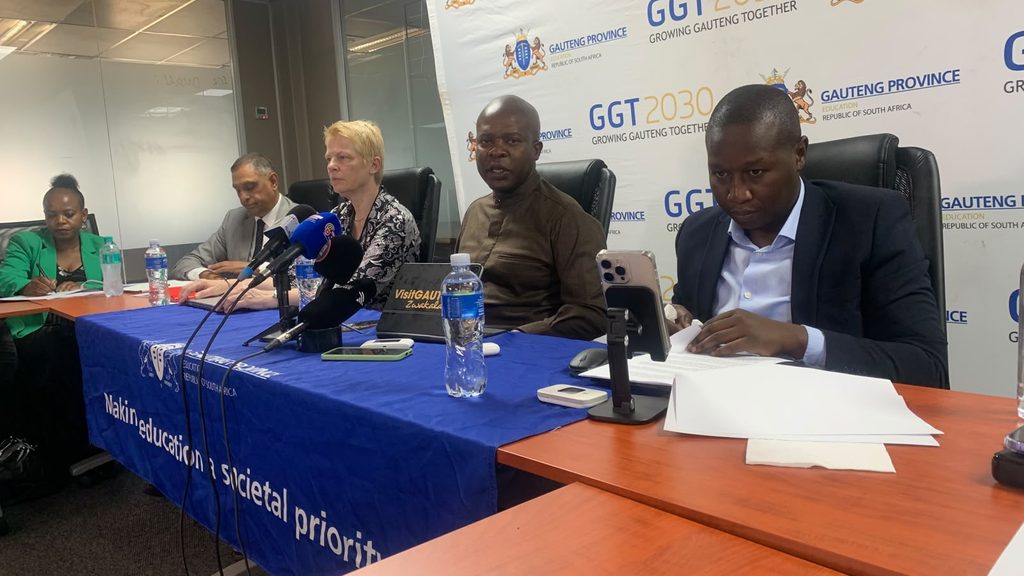
The Gauteng Department of Education (GDE) has registered 203,794 candidates for the 2026 National Senior Certificate (NSC) examinations, an increase of 11,049 from last year.
The cohort comprises 152,527 full-time candidates and 51,267 part-time and repeater candidates. The examinations will run from October 13 to November 26.
Gauteng Education MEC Lebogang Maile briefed the media on Monday on the province’s state of readiness, saying the 2026 cohort was the first in Gauteng’s history to exceed 200,000 candidates.
“This is a reflection of both the quantitative increase in the population of Gauteng, and by extension its learner population, as well as a reflection of the trust in the qualitative strength of the education system in the province,” Maile said.
A total of 192,745 candidates registered for the examinations in 2025.
Maile said all three categories of candidates — full-time, part-time and repeaters — had increased this year.
The examinations will cover 77 subjects, comprising 155 question papers. While full-time candidates are required to write seven subjects, almost 20,000 will also write an eighth subject.
Examinations will be administered across all 12 official South African languages, as well as foreign languages at the applicable levels.
English recorded the highest enrolments at Home Language and First Additional Language levels, with 54,163 and 98,350 candidates, respectively. This was followed by isiZulu at Home Language level, with 31,940 candidates, and Afrikaans at First Additional Language level, with 44,879.
Maile said 70.7% of full-time candidates had registered for Mathematical Literacy, compared with 29.3% for Mathematics.
The examinations will be written at 1,065 registered and audited centres across the province.
Enrolments range from two to 545 candidates at full-time centres and from nine to 1,513 at part-time centres.
Maile said the department had worked with all 15 education districts and schools to ensure operational readiness.
School principals will serve as chief invigilators, while additional support will be provided to high-risk centres, including those with large enrolments, newly established centres and those that experienced examination challenges in previous years.
Private chief invigilators and resident monitors have been appointed and trained to strengthen oversight at these centres.
The department will print, package and distribute an estimated 2.7 million question papers, comprising 76.5 million print images, to 16 storage points each week. The papers will then be distributed daily to examination centres through 75 dedicated distribution points.
Approximately 1,700 monitors, including provincial, district and resident monitors, will oversee the examination process.
Their responsibilities include checking examination systems and centre readiness, inspecting secure storage facilities, verifying key management and the chronological storage of question papers, and auditing electronic security measures.
The department has also audited school-based assessments, practical assessment tasks and teacher files.
“Our target remains 100% monitoring coverage, exceeding the national requirement of 70%,” Maile said.
Preparations for marking are at an advanced stage, with 27 marking centres identified and audited. The appointment of 14,800 marking personnel is under way.
Maile said systems and resources had been put in place to process examination scripts and capture marks ahead of the release of the 2026 results on January 12, 2027.
Security and examination integrity
The department has introduced measures to prevent examination irregularities, including a pledge-signing ceremony held at schools across the province on October 9.
Candidates were briefed on examination rules, the code of conduct and the sanctions for non-compliance.
Maile said penalties for disruptive or dishonest behaviour could include the nullification of results, delays in obtaining a matric qualification and exclusion from up to three future examination cycles, depending on the severity of the offence.
Security measures across the examination process include secure printing facilities, audited storage and distribution points, armed security escorts, access controls, surveillance systems and double-locking mechanisms.
“All district storage facilities and distribution points have been audited and strengthened security arrangements are in place for the duration of the examination,” he said.
The department will also use real-time reporting systems and security scanners at examination room entrances to detect concealed electronic devices.
Maile said the scanners were intended to identify sophisticated cheating devices, including smart glasses, spy pens with hidden recording technology and micro-earpieces, rather than invade learners’ privacy.
“With the rise of ‘cheat-tech’, students are increasingly using highly sophisticated gadgets to smuggle information into examination centres,” he said.
“Super security scanners help by detecting hidden wireless signals, adding a necessary layer to ensuring the integrity of the examination process.”
The department will also work with police and other law enforcement agencies where necessary to prevent disruptions during the examination period.
Maile said measures would be taken to prevent examination paper leaks, adding that question papers were kept in guarded facilities.
Academic support for candidates
Maile said the department had provided additional academic support throughout the year through programmes targeting learners who needed assistance, as well as those seeking to improve their results.
The Secondary School Improvement Programme (SSIP), managed in partnership with the Sci-Bono Discovery Centre, supports priority and underperforming high schools from Grades 8 to 12, with intensive assistance for matric candidates.
The programme focuses on gateway subjects, including Mathematics, Mathematical Literacy, Physical Sciences, Life Sciences, Accounting, English First Additional Language, Economics, Business Studies, History and Geography.
It provides free Saturday classes, holiday lessons, examination preparation camps, tutoring, learning materials, catering and transport assistance.
Maile said digital learning resources had also increased candidates’ access to subject-based learning and assessment activities.
Special monitoring teams track attendance, teaching quality and pre- and post-test results to identify and address learning gaps.
He said SSIP had helped learners affected by disruptions during the year, including service delivery protests and interruptions to municipal services.
The department also runs a High Flyer Programme for top-performing Grade 12 learners, offering specialised tuition and revision camps aimed at improving distinction rates and bachelor-level passes.
The programme focuses on subjects such as Mathematics, Physical Sciences, Accounting and Business Studies, providing specialised notes, structured learning materials and problem-solving sessions led by subject advisers and experienced teachers.
Maile said the programme was designed to meet the needs of advanced learners who might not be sufficiently challenged by the pace of conventional classroom teaching.
The department’s Just-in-Time Programme provides short-term professional development for teachers ahead of specific curriculum requirements. It combines standardised lesson plans, learning materials and classroom coaching.
Candidates will also have access to daily revision opportunities ahead of examination papers.
Gauteng targets further improvement
Gauteng recorded its highest-ever matric pass rate of 89.1% in 2025, continuing a five-year trend of annual improvement since 2021.
The province ranked third nationally, producing 67,861 bachelor passes, equivalent to 48.15% of candidates who wrote the examinations.
All 15 districts achieved pass rates above 83%.
Johannesburg West was the top-performing district, with a pass rate of 96.2%, while Gauteng East recorded the lowest rate at 83.7%. Independent schools in the province achieved a pass rate of 94.82%.
Maile said the department was confident that the Class of 2026 would continue the upward trajectory, given the support provided throughout the year and during the examination period.
He called on parents, guardians and communities to help candidates prepare by providing suitable study environments, limiting household chores and ensuring learners were well-rested.
Through its “It Takes a Village to Raise a Child” programme, the department has emphasised the role of families and communities in supporting learners.
Maile urged communities not to block access roads or school gates during the examination period, warning that candidates who missed papers because of disruptions would have to write them in the June 2027 examinations.
Such delays could affect their transition to higher education and training.
He also advised candidates to limit their use of social media during the examination period, saying it could affect their mental and emotional well-being.
“The Department cannot over-emphasise the importance of candidates maintaining personal integrity during this process,” he said.
“Cheating has no place in our examination system. We call on every candidate to uphold the values of integrity, honesty and hard work espoused in the NSC Pledge that all candidates have already signed.”
Acting Gauteng education head of department Albert Chanee said the department had established policies and guidelines to prevent political campaigning from disrupting schools during the election period.
“There is an established protocol that there is no political campaigning, and that no political officer can come into a school to address the staff unless it is on community matters,” Chanee said.
He said the protocol had been in place for a long time and had not caused problems in previous years.