Uncategorized
By Levy Masiteng
The Santa Shoebox Project has officially announced that applications for its 2026 campaign will open on 7 April and close on 23 April.
As the organisation celebrates its 20th anniversary, it said it is inviting educational institutions serving vulnerable children to become beneficiaries of its initiative, which delivers personalised gift boxes filled with sanitary items, stationery, treats and toys.
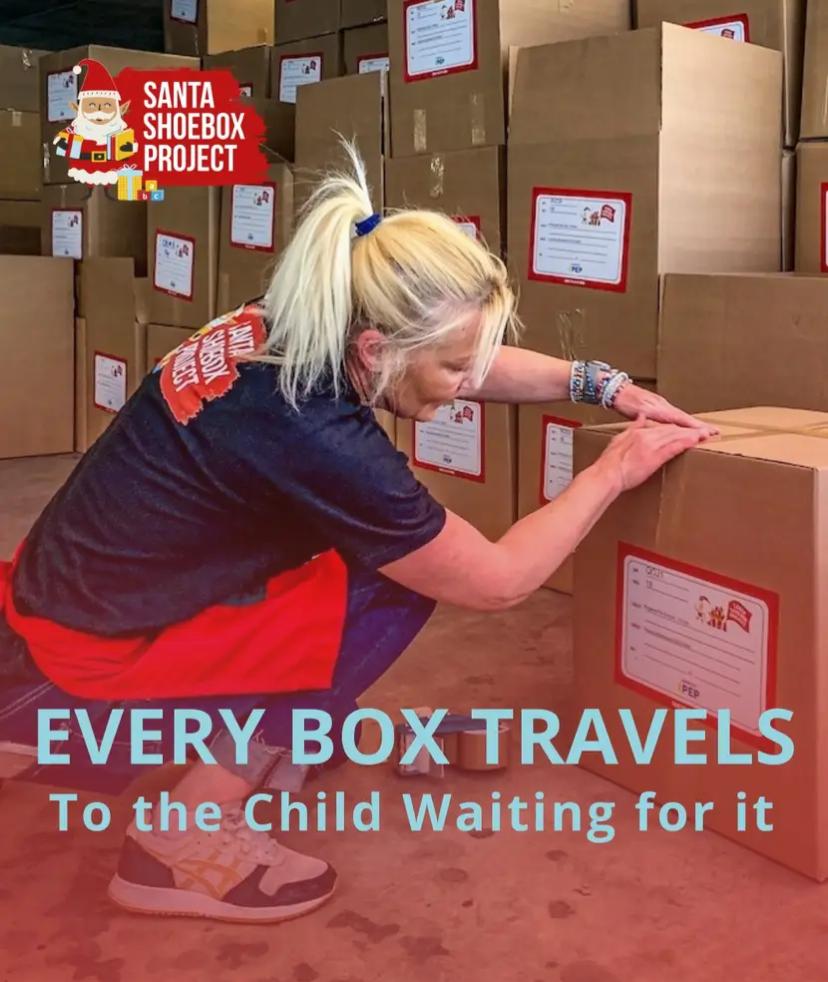
Interested schools and ECD centres are asked to apply by registering or logging into their profile on the official Santa Shoebox website and completing the online beneficiary application form in full.
“Incomplete applications will not be considered, and no changes can be made once submitted,” the organisation said.
To be considered, applicant institutions must demonstrate the ability to distribute personalised shoeboxes reliably to each listed child and align with the project’s values and goals.
Importantly, applicant institutions should not be receiving similar support from other organisations, and all applications will be assessed against specific criteria.
By mid-June, applicants will be notified via SMS whether they have been successful.
In a statement, the organisation said applications are open to schools and ECD centres that maintain official class lists identifying children by name, age and clothing size, as each shoebox is individually prepared.
“The project prioritises learners in pre-school, Grade R, Grade 7 and Grade 11, which are key transitional stages in a child’s educational journey,” the statement reads.
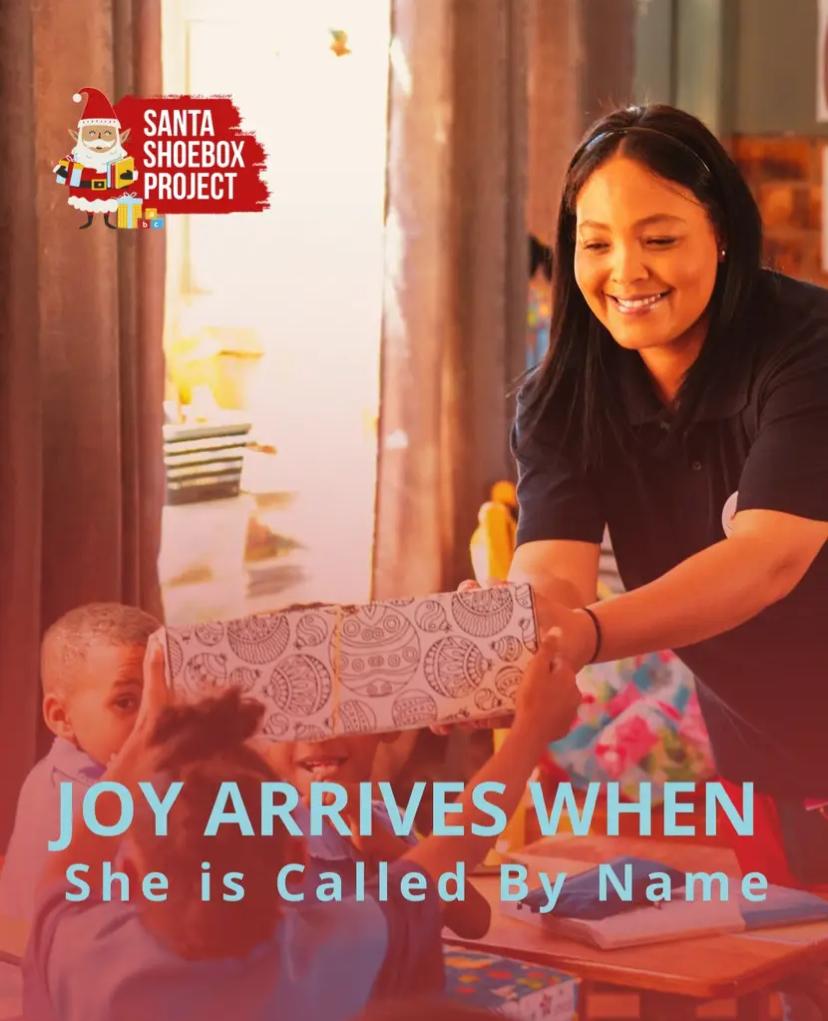
It added that both urban and rural areas are encouraged to apply, but preference will be given to rural facilities serving vulnerable children who have not previously received shoeboxes.
According to the project’s CEO, Deb Zelezniak, the need for initiatives like this remains urgent in a country marked by deep inequality.
“The G20 Global Inequality Report highlights a stark divide in educational opportunity: while a child from a wealthy family has a one-in-two chance of studying beyond secondary school, those odds drop to one-in-40 for boys in poverty and a startling one-in-100 for girls,” she said.
She also emphasised the importance of early childhood development in breaking cycles of poverty.
“We’re seeing a very stark chasm of opportunity in South Africa. What is particularly concerning is that we have 8.8 million children in rural communities where ECD centres often operate in survival mode without basic infrastructure or educational materials. That’s where we step in and help.”
Founded in 2006, the Santa Shoebox Project has distributed more than 1.35 million shoeboxes to children in need, while also supporting education through infrastructure upgrades, reading corners and teacher development programmes.
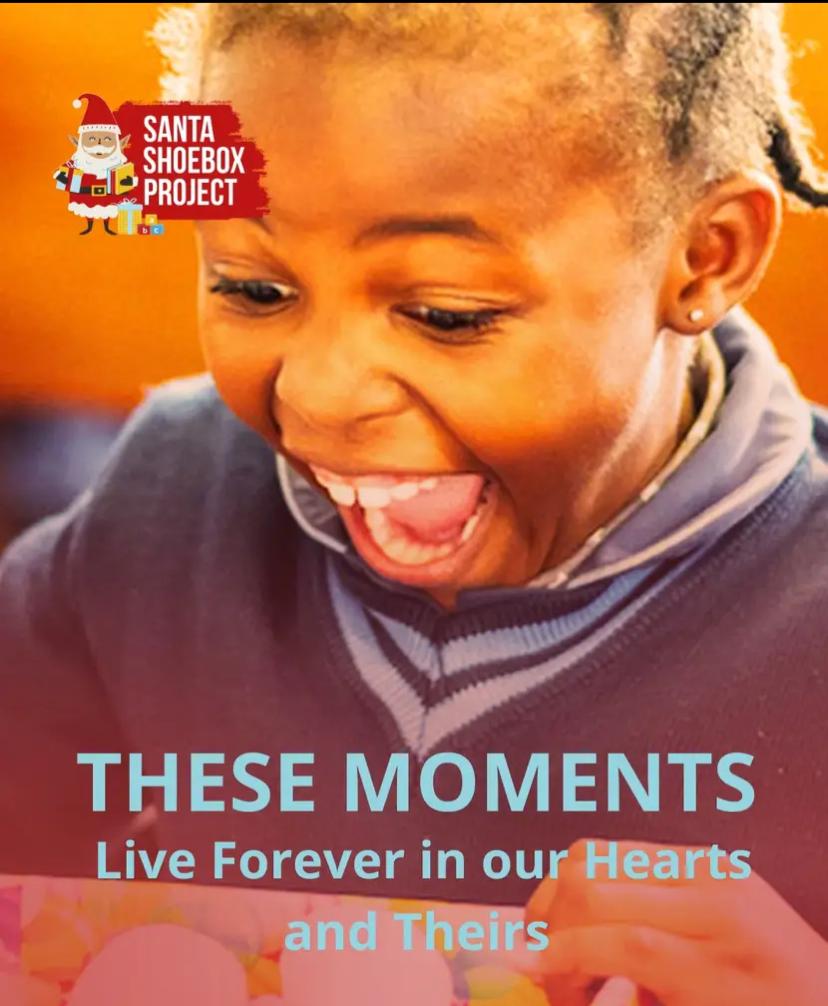
The organisation said the project is open to South African beneficiaries only and that, from 2026, Santa Shoeboxes will no longer be distributed in Namibia.
“The shoeboxes provide practical necessities many families cannot afford, ensuring children feel seen and valued. We look forward to partnering with facilities that share our commitment to uplifting South Africa’s youth in 2026,” Zelezniak said.
The statement also invited members of the public across South Africa to volunteer.