Category: Uncategorized

Uncategorized

More than 1.1 million learners report school violence, Stats SA says

By Charmaine Ndlela

More than 1.1 million learners in South Africa have experienced some form of violence at school, with 14% reporting physical violence by teachers, according to a report released by Statistics South Africa (Stats SA) during Child Protection Week.

The report, based on data from the General Household Survey (GHS), highlights the continued prevalence of violence against children in schools despite ongoing efforts to strengthen child protection measures.

Stats SA estimated that 1,156,009 learners had experienced violence at school. Physical violence by teachers was reported by 14% of learners, compared with about 8% who reported physical violence by fellow learners.

The report was released as South Africa marks Child Protection Week, observed from May 29 to June 5 under the theme, “Working Together in Ending Violence Against Children”, aimed at raising awareness of children’s rights and promoting collective action to prevent abuse.

According to the findings, younger children were particularly vulnerable. Learners aged between five and eight years reported the highest levels of violence, with incidents peaking at age seven, when 20.6% reported experiencing violence, and again at age 13, at 19.5%.

Stats SA said the findings pointed to critical periods of vulnerability during early schooling and adolescence.

Data collected between 2009 and 2024 showed that the proportion of learners aged five years and older who experienced corporal punishment declined by 10 percentage points over the period. While the reduction was gradual in earlier years, the most significant decline occurred between 2015 and 2024.

The report also found that peer-perpetrated violence remained a concern. Physical violence by fellow learners was most common among seven-year-olds, with 16.3% reporting such experiences.

The findings suggest that aggressive peer interactions often emerge during the early years of formal schooling.

Verbal abuse was found to be more prevalent among learners than teachers. About 21% of learners identified fellow learners as the source of verbal abuse, compared with 12% who reported verbal abuse by teachers.

The highest incidence of verbal abuse was recorded among seven-year-olds, with 30.1% reporting exposure, underscoring the vulnerability of learners in the early primary school years to bullying and peer aggression.

Gender disparities were also evident. Females accounted for about 63% of reported cases of verbal abuse involving teachers and 58% of physical violence cases perpetrated by teachers.

The report concluded that younger learners, particularly those around the age of seven, face heightened vulnerability to violence at school, while girls are disproportionately affected by teacher-related abuse and verbal violence.

Stats SA said the findings underscore the need to ensure schools remain safe environments that support children’s development, learning and wellbeing.

INSIDE EDUCATION

The post More than 1.1 million learners report school violence, Stats SA says appeared first on Inside Education..
Uncategorized

NSFAS seeks former beneficiaries owed R77 million in loan overpayment refunds

By Lebone Rodah Mosima

The National Student Financial Aid Scheme (NSFAS) says it has identified thousands of former beneficiaries who are collectively owed about R77 million in refunds arising from overpaid study loans, most of which date back to before 2010.

NSFAS said on Wednesday that it had launched a refund campaign in November 2015, through which approximately R48.4 million was refunded or otherwise resolved.

However, some former debtors could not be reached using the contact details available at the time.

“NSFAS is now making a further attempt to locate and refund eligible former debtors using updated contact information recently obtained through approved data sources,” the scheme said.

According to NSFAS, the remaining refund cohort comprises 19,536 former debtors owed a combined R28.6 million.

The scheme said it has initiated a renewed tracing and verification process to facilitate payments to affected individuals.

NSFAS Administrator Professor Hlengani Mathebula said the scheme remained committed to administering financial transactions fairly, accurately and transparently.

“Where former beneficiaries have overpaid their loan balances, it is our responsibility to refund those amounts and ensure that affected individuals receive the funds due to them,” Mathebula said.

“We encourage all eligible debtors to engage with NSFAS through our official channels so that this process can be concluded efficiently.”

The scheme said its Loans Unit was monitoring overpaid loan balances, some of which were affected by historical interest calculations, and was contacting affected individuals using updated tracing information, including cellphone numbers and email addresses.

Eligible debtors will be informed if a refund may be due and directed to the official NSFAS refund platform, where they will be required to complete an application form and submit verified banking details. NSFAS will then validate the information and process refunds where applicable.

The scheme said banking details must be registered in the debtor’s name and linked to their South African identity number.

NSFAS added that beneficiaries may choose to donate their refunds back to the scheme to support future students.

The scheme warned beneficiaries and former beneficiaries not to share personal or banking information with unauthorised individuals or through unofficial channels.

Mathebula said safeguarding the personal information of beneficiaries and debtors remained a priority.

“We urge all affected individuals to verify communications and engage only through official NSFAS platforms when submitting refund requests or personal details,” he said.

NSFAS said any unclaimed funds would be transferred to the National Credit Regulator and reiterated its commitment to transparency, accountability and the responsible administration of public funds.

INSIDE EDUCATION

The post NSFAS seeks former beneficiaries owed R77 million in loan overpayment refunds appeared first on Inside Education..
Uncategorized

Some Western Cape schools closed as severe storm system moves in

By Charmaine Ndlela

Schools in the Eden and Central Karoo Education District in the Western Cape will be closed on Wednesday and Thursday as authorities prepare for severe weather expected to affect large parts of the province.

The Western Cape Education Department announced the precautionary closure after the South African Weather Service (SAWS) issued an Orange Level 8 warning for disruptive rainfall in parts of the Garden Route, with further warnings in place for the Central Karoo and other areas as a cut-off low-pressure system moves across the country.

The system is expected to bring heavy rainfall, strong winds, very cold temperatures, light snow and rough sea conditions to parts of the Western Cape, Eastern Cape and Northern Cape.

Schools in the affected district are expected to reopen on Friday, while public schools in the province’s remaining seven education districts will continue operating as normal.

According to provincial authorities, municipalities including Bitou, Knysna and George could receive accumulated rainfall of up to 200mm over the two-day period, while Beaufort West is forecast to receive between 60mm and 80mm.

The severe weather warning comes just weeks after storms and flooding in the Western Cape claimed 11 lives and affected about 150,000 people across parts of the province, including the Garden Route, Little Karoo, Cape Winelands and Cape Metropole.

The Nelson Mandela Bay Municipality has urged residents, businesses and motorists to exercise extreme caution after the SAWS warning.

The weather service has also warned of possible mudslides and rockfalls, particularly along mountain passes, as well as damage to property, agricultural infrastructure, dam walls and livestock.

In addition, SAWS warned of very cold, wet and windy conditions, with light snowfall expected over the central and eastern interior of the Western Cape and southern parts of the Namakwa District in the Northern Cape.

Authorities have cautioned residents against unnecessary travel during periods of heavy rain and flooding and advised motorists never to attempt crossing flooded roads, bridges or swollen rivers.

The Nelson Mandela Bay Municipality said its Disaster Management Centre, emergency services and relevant departments had been placed on high alert and were closely monitoring developments to ensure a coordinated response.

“Residents living in low-lying and flood-prone areas are encouraged to take the necessary precautions to protect themselves, their families and their property,” said Executive Mayor Babalwa Lobishe.

“Motorists are advised to avoid travelling unless absolutely necessary during periods of intense rainfall and should never attempt to cross flooded roads, bridges, streams or low-water crossings.”

INSIDE EDUCATION

The post Some Western Cape schools closed as severe storm system moves in appeared first on Inside Education..
Uncategorized

New KZN tech school will train future engineers, innovators

By Levy Masiteng 

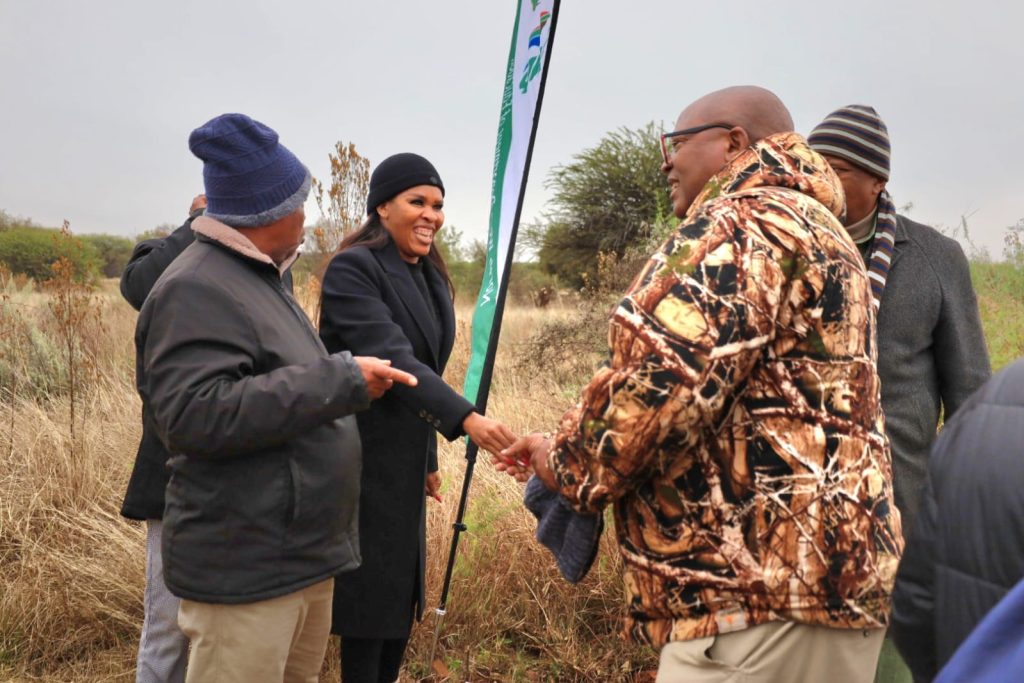
KwaZulu-Natal has opened a specialised ICT, engineering, and technology school in the Amajuba District, in an effort to expand technical education and prepare learners for jobs in the modern economy.

Education MEC Sipho Hlomuka officially launched the Mbuso Kubheka ICT, Engineering and Technology School of Excellence on Tuesday, saying the institution was a major investment in the province’s future workforce and economic development.

“Schools of Specialisation are not simply educational institutions; they are strategic investments in the future growth and competitiveness of our province and our country,” Hlomuka said.

According to the department, the school offers subjects including Civil, Electrical and Mechanical Technology, Engineering Graphics and Design, Technical Mathematics, Technical Science, Coding and Robotics.

The school will initially admit 80 Grade 8 learners from across the province.

Learners are enrolled as full-time boarders and are selected through an aptitude assessment process.

Addressing guests at the official opening, Hlomuka said the institution represents “a beacon of excellence”.

“Today marks a historic milestone, not only for this school community but for the entire province of KwaZulu-Natal. We gather here to officially open the Mbuso Kubheka School of Specialisation, a beacon of excellence that represents our commitment to building an education system that equips young people with the knowledge, skills and capabilities required for the future,” he said.

Hlomuka said the school gives practical effect to the province’s Three-Stream Model of Education, which integrates academic, technical-vocational and occupational pathways to ensure learners develop skills aligned with industry demands.

He added that the institution would expose learners to specialised fields, emerging industries and practical workplace skills while creating pathways to employment, entrepreneurship and innovation.

“Take full advantage of every classroom, every workshop, every laboratory and every learning opportunity. Develop a culture of discipline, hard work, innovation and excellence,” Hlomuka said.

Named after late freedom fighter and former KwaZulu-Natal legislator Mbuso Kubheka, the department said the school aims to honour his legacy while producing graduates capable of driving industrialisation, creating jobs and contributing to South Africa’s development.

“Our vision is that within the next decade, every district in KwaZulu-Natal should have at least one School of Specialisation serving as a centre of excellence, innovation and skills development,” Hlomuka said.

INSIDE EDUCATION

The post New KZN tech school will train future engineers, innovators appeared first on Inside Education..
Uncategorized

SIU uncovers R8.3m bursary abuse in Free State Premier’s Office

By Lebone Rodah Mosima

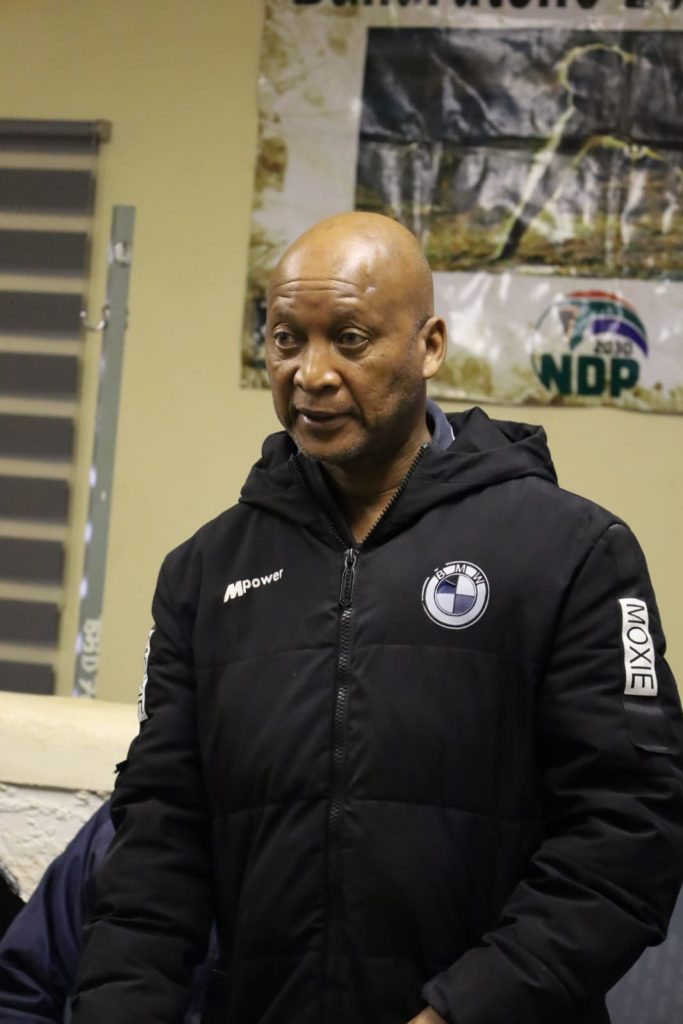
The Special Investigating Unit (SIU) says more than R8.3 million was misused in the Free State Office of the Premier’s (OTP) bursary programme, following findings of serious maladministration, irregular expenditure and the awarding of bursaries to ineligible beneficiaries.

Acting SIU head Leonard Lekgetho told a media briefing on Tuesday that the scheme, intended to fund scarce-skills studies for needy students, was instead compromised by officials who bypassed policies and approved payments to relatives, deceased persons, foreign nationals and officials who did not qualify.

“Officials awarded bursaries to relatives, deceased persons, foreign nationals, as well as ineligible officials, and left millions of rand in university accounts unaccounted for,” Lekgetho said.

The investigation, authorised by President Cyril Ramaphosa under Proclamation 123 of 2023, was prompted by Auditor-General of South Africa (AGSA) reports for 2019 and 2020, which flagged irregularities in bursary administration.

Lekgetho said officials failed to follow application and approval processes, including cases where relatives were funded without due procedure and where an official received funding despite not submitting a bursary application for studies that began in 2017.

He added that some students who failed modules remained on bursary support, with contracts extended from three to seven years in breach of policy.

Others were funded for qualifications not listed in the provincial workplace skills plan.

The SIU also found an international bursary arrangement in which the Free State government ultimately funded 65% of costs, contrary to the terms of an initial memorandum of understanding.

In one case, a deceased student received funding from both the OTP and the National Student Financial Aid Scheme (NSFAS).

The OTP paid R34,891.60 to the University of the Free State, while NSFAS deposited R13,000 into the student’s account, which was accessed by the family.

The funds could not be recovered.

Lekgetho said NSFAS funding fell outside the scope of the SIU proclamation.

The probe also found that seven bursary recipients were foreign nationals, despite policy limiting awards to South African citizens residing in the Free State, resulting in irregular expenditure of R576,734.48.

He said officials also received full-time bursaries despite being eligible only for part-time support under policy, while some recipients were paid excessive stipends, contributing to irregular payments totalling about R1.8 million.

The OTP has begun recovering funds from students who studied abroad and failed to meet bursary obligations, he added.

Lekgetho said the SIU had recovered R6.3 million from seven universities and signed 18 acknowledgements of debt worth R1.9 million with individuals who received undue benefits.

A further R283,571 has been recovered through instalments to date.

The unit has made 38 disciplinary referrals against officials across various levels, including human resources officers and senior managers, for alleged breaches of the Public Finance Management Act and bursary policy.

Evidence of potential criminal conduct involving seven individuals has been referred to the National Prosecuting Authority (NPA) for possible prosecution on charges including fraud, theft and money laundering.

“These referrals are not symbolic. They represent accountability and ensure those who abused power face the law,” Lekgetho said.

He said the investigation had exposed “a moral failure” in the administration of the scheme.

The SIU said it would continue recovery efforts and pursue disciplinary and criminal action where warranted.

INSIDE EDUCATION

The post SIU uncovers R8.3m bursary abuse in Free State Premier’s Office appeared first on Inside Education..

Uncategorized

SA’s top school choirs gearing up for national SASCE finals in Pretoria

By Charmaine Ndlela

Finalists from all nine provinces in the country will descend on Pretoria at the end of June for the ABC Motsepe SASCE National Championships, one of South Africa’s largest school arts and culture competitions.

The Departments of Basic Education and Sport, Arts and Culture, in partnership with the Motsepe Foundation, will host the South African Schools Choral Eisteddfod national finals at Moreleta Kerk in Pretoria from 30 June to 3 July 2026.

The championships will bring together top-performing school choirs and young musicians who have advanced through district and provincial rounds to represent their provinces on the national stage.

The annual competition has become one of the Department of Basic Education’s flagship school enrichment programmes, giving learners an opportunity to perform across a range of choral, solo, ensemble and cultural music categories.

The DBE says SASCE is aimed at promoting unity in diversity, national reconciliation, positive values, a shared South African identity, social transformation and social cohesion among learners.

The programme also supports the objectives of the Action Plan to 2019: Towards the Realisation of Schooling 2030, particularly efforts to promote learner attendance and retention through school enrichment activities.

The competition has drawn thousands of learners in previous years. The 2025 national championships were expected to attract more than 8,000 learners, while the 2024 event drew more than 7,000 participants.

The Motsepe Foundation has supported the programme since 2016, helping to strengthen SASCE as a national platform for school music, arts education and youth development.

In preparation for the 2026 championships, the DBE said more than 900 music professionals across all nine provinces were to be capacitated through SASCE workshops. The training focused on the prescribed music syllabus to promote consistency and uniform implementation across provinces.

Provincial competitions are currently under way across the country, with finalists earning places at the national championships.

The four-day event is expected to showcase some of the country’s strongest young performers while celebrating South Africa’s cultural and linguistic diversity.

Organisers say learners, educators, adjudicators and supporters can expect high-quality performances reflecting the creativity and talent of South Africa’s youth.

INSIDE EDUCATION

The post SA’s top school choirs gearing up for national SASCE finals in Pretoria appeared first on Inside Education..
Uncategorized

Campus walk raises support for hungry Mandela University students

Staff Reporter

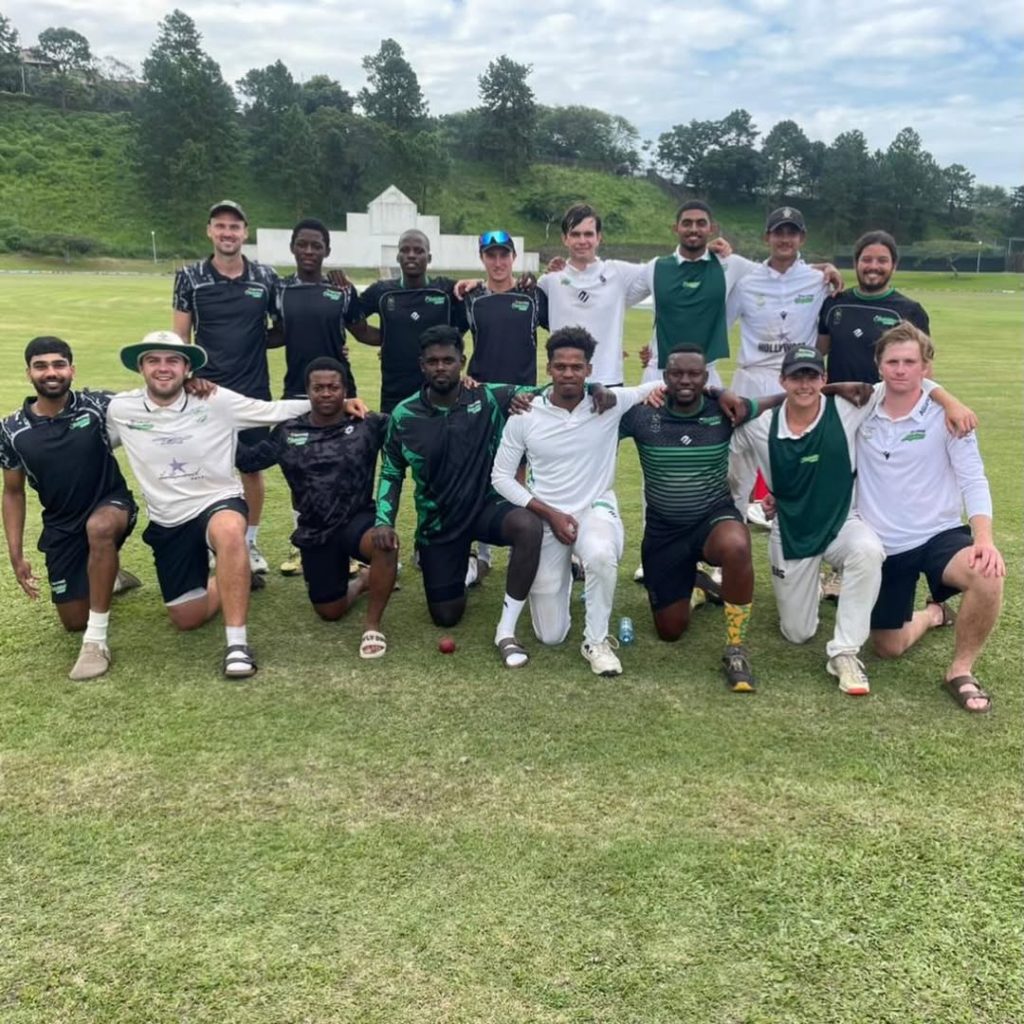
More than 200 Nelson Mandela University staff and students have joined a 5km walk to raise awareness and support for students facing hunger.

The Mandela Walk for Student Hunger, which looped between the university’s South and North campuses, was organised by the Office of the Deputy Vice-Chancellor: Learning and Teaching, Professor Muki Moeng.

The university said the walk drew staff and students from various faculties and departments.

“This event was important, to highlight the plight of many students, which has an impact on their participation in the academic programme. We are living out our values and our humanness which is connected to our students’ dignity,” Moeng said.

Deputy Vice-Chancellor: People and Operations Luthando Jack, Deputy Vice-Chancellor: Research, Innovation and Internationalisation Professor Azwinndini Muronga, and Moeng were among those who participated in the walk.

The university said Karen Snyman, from Student Governance, decided to prioritise the initiative after witnessing students fainting from hunger.

Participants were encouraged to bring donations of non-perishable food items, sanitary products, toiletries or monetary contributions for the university’s nutrition project, which supports students who rely on daily donations.

Business and Economic Sciences Professor Ronnie Ncadi said the initiative reflected the university community’s concern for students.

“This was a beautiful uniting of our University community, well done to our institution for creating such a healthy environment, to highlight the seriousness of caring for our students, without food,” Ncadi said.

Student Representative Council president Somila Komani said she found the walk and the care shown by staff “both meaningful and refreshing”.

The university said donations for the project should be dropped off at the offices of the Deputy Vice-Chancellor: Learning and Teaching on the 17th floor of the Main Building on South Campus.

Monetary donations may also be made through the university’s Giving Campaign or by direct deposit. The university said donors should include the cost centre “X180” in the transaction description.

The account name is Nelson Mandela University Trust. The bank is ABSA, branch code 632005, account number 16 4017 2998. The Swift Code for international payments is ABSAZAJJ.

INSIDE EDUCATION

The post Campus walk raises support for hungry Mandela University students appeared first on Inside Education..
Uncategorized

Youth Month| Sergeant Tyuwa puts eyes in the sky for SAPS

Staff Reporter

At 35, Sergeant Siphosethu Tyuwa is part of a new generation of police officers using technology to strengthen policing in some of the Eastern Cape’s harshest terrain.

A drone operator and Airborne Law Enforcement Officer based at the Bulembu Air Wing in the Eastern Cape, Tyuwa supports ground units with real-time aerial surveillance, intelligence gathering and search-and-rescue operations across vast and often inaccessible areas.

Her work places her at the centre of modern policing, where drones are increasingly used to monitor large public gatherings, assist with farm patrols and help track suspects in dense terrain.

“Operating drones is more than just flying, it’s about saving lives, preventing crime, and delivering justice from the skies,” she said.

In celebration of Youth Month, the South African Police Service (SAPS) said on Tuesday that young officers like Tyuwa are making a meaningful impact in communities.

The officers “embody the future of policing” and are playing a critical role in advancing the SAPS Reset Agenda through professionalism, integrity and commitment to public safety.

Tyuwa, who was born in Peddie, is also a vocal advocate for gender transformation in law enforcement.

A former learner at Nomzamo High School, Tyuwa obtained a Financial Management diploma from Port Elizabeth College before joining SAPS in March 2015. She has since continued to build her academic profile, recently earning a Bachelor of Applied Social Sciences degree in psychology and counselling.

Since joining SAPS, Tyuwa has moved into one of the service’s specialised fields, combining airborne law enforcement with drone operations. Her role gives police teams aerial support during operations where visibility, speed and access can determine the success of an intervention.

SAPS said her work demonstrated the growing role of women in specialised policing units and the importance of giving young officers opportunities to lead in new areas of law enforcement.

“Sergeant Siphosethu Tyuwa is proof that when you give a woman wings, she does not just fly, she helps the whole community rise. From the skies above the Eastern Cape, she serves with sharp eyes, a steady hand, and a heart committed to change,” provincial police spokesperson Colonel Anne Magakoe said.

INSIDE EDUCATION

The post Youth Month| Sergeant Tyuwa puts eyes in the sky for SAPS appeared first on Inside Education..

Uncategorized

Gauteng asbestos school backlog under fire

By Lebone Rodah Mosima

The DA in Gauteng has accused the provincial government (GPG) of failing to remove ageing asbestos structures from Randfontein Secondary School and Toekomsrus Primary School, saying learners and teachers remain exposed to unsafe buildings despite repeated promises to replace them.

DA Gauteng Education spokesperson Sergio Isa Dos Santos, MPL, said on Monday that teachers were continuing to work in unsafe environments that compromised their safety and dignity, despite the Gauteng government’s long-standing promise to replace asbestos schools with safe, modern infrastructure.

“During a recent sitting of the Gauteng Legislature, MEC for Infrastructure Development and Cooperative Governance and Traditional Affairs, Jacob Mamabolo, failed to give a clear answer to the Democratic Alliance’s (DA) oral question on why the GPG has still not eradicated asbestos infrastructure years after missing the deadlines set out in the 2013 Minimum Uniform Norms and Standards for Public School Infrastructure,” Dos Santos said.

“Instead, he repeated the government’s hollow commitment to asbestos eradication, with no clear timeline or end in sight.”

Dos Santos said the Gauteng Department of Education (GDE) had previously allocated about R112 million for rehabilitation and asbestos-related infrastructure upgrades at Randfontein Secondary School.

Despite that allocation, he said, a DA oversight inspection found that critical safety hazards remained unresolved, including an incomplete administration block, unfinished bathrooms, falling ceiling panels and staircases missing safety bars, all of which continued to put learners and staff at risk.

“Shockingly, the department’s so-called intervention in this school seems to have involved building brick-and-mortar structures around existing asbestos classrooms rather than completely removing them,” he said.

“Most of these structures have since deteriorated or collapsed, exposing learners and educators to cracked and broken asbestos panels.”

Dos Santos said the situation had been worsened by severe overcrowding at the school, with Grade 8 classes recording learner-to-teacher ratios of 1:50 and Grade 11 classes reaching as high as 1:73.

At Toekomsrus Primary School, Dos Santos said asbestos infrastructure remained in place and required urgent replacement.

“Some of the school’s mobile classrooms are more than 30 years old and need to be removed, while the roof blocks are in dire need of maintenance,” he said.

“Although the department assessed the school two years ago, no work has been carried out.”

Dos Santos said he was “outraged” that the GPG continued to delay the eradication of asbestos schools despite the well-known deadly health risks linked to asbestos exposure.

“The DA will escalate the issue to Premier Panyaza Lesufi for urgent intervention,” he said.

“Those responsible for these unacceptable delays must be held accountable for continuing to hold learners and educators hostage in unsafe and undignified conditions.”

INSIDE EDUCATION

The post Gauteng asbestos school backlog under fire appeared first on Inside Education..

Uncategorized

Social Development marks International Children’s Day at Hammanskraal school for deaf learners

By Charmaine Ndlela

The Department of Social Development marked International Children’s Day at the Dominican School for the Deaf in Hammanskraal, north of Pretoria, on Monday, placing a spotlight on the rights, dignity and inclusion of children with disabilities.

The commemoration forms part of Child Protection Week, observed from 29 May to 5 June under the theme of protecting and promoting children’s wellbeing.

Founded on 2 May 1962, the Dominican School for the Deaf is a public institution located on land owned by the Irish Dominican Sisters.

For more than six decades, it has provided specialised education, care and support to learners with hearing impairments, enabling academic and social development.

The school accommodates about 250 learners and operates as a residential institution, with separate hostel facilities for boys and girls. It is staffed by a principal, two deputy principals, eight heads of department and 41 educators, supported by 89 support staff.

Speaking at the event, principal of the Dominican School for the Deaf, Jones Seema, said the school remained committed to creating opportunities for learners with disabilities to thrive.

He welcomed initiatives promoting the rights, dignity and participation of children with disabilities, saying such engagements strengthened inclusion and raised awareness of learners’ needs and abilities.

The Department of Social Development said it chose the school deliberately to ensure children with disabilities were included in national conversations affecting them.

“We were intentional in our approach to commemorating International Children’s Day this year. Rather than hosting a large event in a central location, we chose to spend the day at Dominican School because we wanted to engage directly with children living with disabilities and ensure that they are seen, heard and included,” said Isabella Sekawana, chief director for children’s services and support.

“For me, this is what makes today special. It is an opportunity to bring the commemoration closer to children whose voices are often overlooked. This year’s focus on dignity reminds us that every child deserves respect, inclusion, equal opportunities and the chance to participate fully in society.”

The event included educational and recreational activities aimed at celebrating learners’ abilities while reinforcing the message of equal access to education, healthcare, protection and opportunity.

This year’s theme highlights the need to eliminate stigma, discrimination and exclusion faced by children with disabilities, and calls for inclusive environments that allow all children to participate fully.

International Children’s Day is observed annually on 1 June in many countries.

It originated as the International Day for Protection of Children, established in 1950 following a resolution by the Women’s International Democratic Federation congress in Moscow in 1949.

As Child Protection Week continues, the department urged communities, families and institutions to work together to ensure every child is protected, valued and given the opportunity to thrive.

INSIDE EDUCATION

The post Social Development marks International Children’s Day at Hammanskraal school for deaf learners appeared first on Inside Education..