Uncategorized

Dube-Ncube: eduCate Maths & Science programme expands to Grade 10 and 11 learners

By Lebone Rodah Mosima

The Primestars eduCate Maths & Science Revision Programme, supported by the Department of Higher Education and Training (DHET), will be expanded to include Grade 10 and Grade 11 learners in an effort to intervene earlier and reduce the number of learners dropping Mathematics and Physical Sciences before reaching Matric.

Speaking at the launch of the 2026 eduCate Maths & Science Revision Programme at Cell C’s head office in Johannesburg on Thursday, Deputy Higher Education and Training Minister Nomusa Dube-Ncube said the partnership between DHET and Primestars demonstrated the importance of collaboration between government and the private sector.

“When companies invite learners and students into their offices, laboratories, workshops and boardrooms, they are not simply being generous; they are helping to build a curriculum that speaks the language of the real economy and giving young people a taste of the working world long before they ever apply for their first job,” Dube-Ncube said.

“This is the kind of partnership that government cannot build alone, and it is exactly the kind of partnership we want to see grow across every industry in this country.”

Dube-Ncube said the empty chairs displayed at the event had been placed deliberately to symbolise Grade 10 and Grade 11 learners who have the potential to become engineers, doctors, scientists, technicians and entrepreneurs, but who abandon Mathematics and Physical Sciences before completing school.

“When a learner drops Mathematics or Physical Sciences in Grade 10, they do not only close a door for themselves. They close a door that our whole economy needs open,” she said.

“Somewhere between today and their final exam, they walk away from the very subjects that could have opened the most doors for them.”

She said this was the reason for expanding the programme to reach learners earlier.

“Instead of only supporting learners in the final stretch towards Matric, it will now begin reaching Grade 10 and Grade 11 learners too – catching learners earlier, before they are ever tempted to give up on Mathematics and Physical Sciences,” she said.

“That means fewer empty chairs in the years still to come.”

Dube-Ncube said Science, Technology, Engineering and Mathematics (STEM) subjects were essential to developing the skills needed to build infrastructure, improve healthcare, strengthen food security, connect communities and solve complex societal challenges.

“A country that produces enough scientists, engineers and skilled technicians can build its own future rather than waiting for others to do it,” she said.

The deputy minister said South Africa must also prepare young people for the demands of the Fourth Industrial Revolution, driven by artificial intelligence, robotics, automation and data technologies, while remaining focused on ensuring technology serves society.

“Technology should not just be advanced for its own sake; it should be used to solve real human problems – caring for the elderly, protecting the environment, and making everyday life safer and more comfortable for ordinary families,” she said.

“Technology in service of people, not the other way around.”

Highlighting international examples, Dube-Ncube said China had aligned its higher education system with economic priorities by rapidly expanding programmes in fields such as artificial intelligence while phasing out qualifications no longer relevant to the country’s needs.

She added that Germany and several European countries have strengthened links between education and industry by combining classroom learning with workplace training, ensuring graduates enter the labour market with practical experience.

“We do not want to copy Japan, China, or Germany exactly. We want to take the best of what works and build a uniquely South African pathway – one that starts right here, in programmes like eduCate and carries a learner from Grade 10 mathematics, through Matric, into further education or training, and finally into meaningful work or their own enterprise,” she said.

“That is what this programme now calls the Learning-to-Earning journey.”

Dube-Ncube encouraged learners to remain confident in pursuing Mathematics and Physical Sciences, saying that while not every learner would become a scientist or engineer, the subjects develop critical thinking, problem-solving and resilience.

“That is exactly the kind of thinking the Fourth Industrial Revolution demands, and it is exactly the kind of thinking that will shape whatever revolution comes after it,” she said.

She urged learners to persevere in their studies, continue asking questions and believe they belong in STEM fields, adding that government, Primestars, the YouthStart Foundation and Cell C remain committed to supporting them throughout their educational journey.

INSIDE EDUCATION

The post Dube-Ncube: eduCate Maths & Science programme expands to Grade 10 and 11 learners appeared first on Inside Education..
Varsity football introduces Friday night men’s fixtures as 2026 season gets underway
Uncategorized

Varsity football introduces Friday night men’s fixtures as 2026 season gets underway

By Charmaine Ndlela

Varsity Football returns in August with a revamped schedule, as South Africa’s premier university football competition introduces Friday night fixtures for the men’s tournament while the women’s championship opens the 2026 season.

The move to Friday evenings marks one of the biggest changes in the competition’s history, with organisers aiming to create a prime-time matchday experience for supporters.

The women’s tournament kicks off on 1 August and will be contested over two weekends before the men’s competition begins on 7 August and runs through to 2 October.

ALSO READ: Level 6 rain warning remains as snow hits KZN and Eastern Cape

Eight universities will compete for the women’s title: Walter Sisulu University (WSU), Wits University, the University of Limpopo (UL), Cape Peninsula University of Technology (CPUT), Tshwane University of Technology (TUT), the University of Johannesburg (UJ), the University of Pretoria (Tuks) and defending champions the University of the Western Cape (UWC).

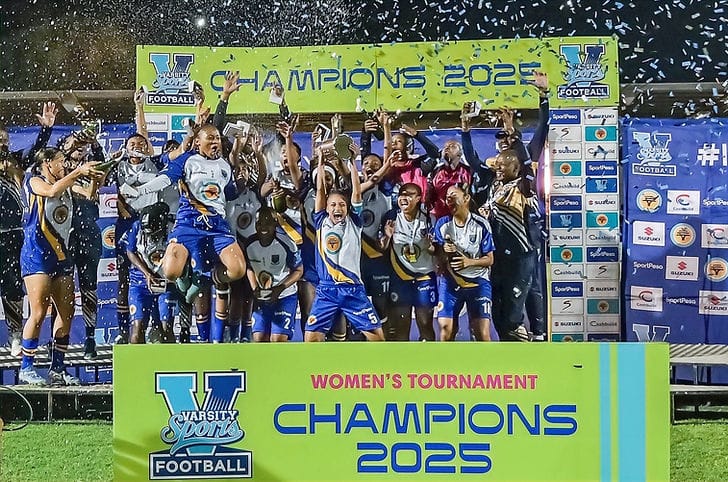
UWC enter the tournament seeking a fourth consecutive Varsity Football Women’s title after defeating UJ in the 2025 final at UJ Soweto Stadium to secure a historic third successive championship.

The opening round of the women’s competition will be hosted by the University of Pretoria on 1 August, with the following fixtures:

  • WSU vs Wits – 1:00pm
  • UL vs CPUT – 3:00pm
  • TUT vs UJ – 5:00pm
  • Tuks vs UWC – 7:00pm

The men’s competition will see defending champions the University of the Free State (UFS) begin their title defence after defeating TUT 5-4 on penalties in the 2025 final at Shimla Park.

The University of Limpopo joins this year’s men’s competition, while UWC returns after missing last season’s tournament. North-West University (NWU) and the Central University of Technology (CUT) did not qualify.

The opening men’s fixtures on 7 August are:

  • UFS vs Tuks – 5:00pm, Shimla Park
  • UJ vs TUT – 7:15pm, UJ Soweto Stadium
  • UWC vs Wits – 6:30pm, UWC Stadium
  • UL vs DUT – 6:30pm, Oscar Mpetha Stadium

Ahead of the new season, Varsity Football has launched a nationwide campus activation campaign to promote the competition and engage students.

ALSO READ: OPINION| Why metrics matter for student success in SA

The campaign began at the University of Johannesburg on 24 July and continues at participating institutions in the lead-up to kick-off.

The remaining activation schedule is:

  • University of Limpopo – 29 July, 1:00pm to 2:00pm, Thami Square
  • University of the Western Cape – 31 July, 9:00am to 2:00pm, UWC Residences
  • University of Pretoria (Tuks) – 31 July, 11:00am to 2:00pm, Piazza, Hatfield Campus
  • University of the Free State – 5 August, 12:00pm to 2:00pm, Thakaneng Bridge

INSIDE EDUCATION

The post Varsity football introduces Friday night men’s fixtures as 2026 season gets underway appeared first on Inside Education..

UKZN professor appointed to lead global fight against harmful skin-lightening products
Uncategorized

UKZN professor appointed to lead global fight against harmful skin-lightening products

By Thapelo Molefe 

A South African dermatologist has been appointed to lead a new global campaign aimed at tackling the growing health risks linked to skin-lightening practices, as the International League of Dermatological Societies (ILDS) warns that the use of unregulated bleaching products has become a major public health concern.

The University of KwaZulu-Natal’s (UKZN) Head of Dermatology, Professor Ncoza Dlova, has been appointed chair of the ILDS’ newly established Strategic Working Group on Skin Bleaching. 

The group brings together international dermatology experts to combat the widespread use of harmful skin-lightening products and promote safer, evidence-based skincare.

Dlova’s appointment places South Africa at the forefront of an international effort to address a practice that affects millions of people across Africa, Asia, the Middle East, the Caribbean and diaspora communities.

ALSO READ: Level 6 rain warning remains as snow hits KZN and Eastern Cape

According to the ILDS, skin bleaching has become increasingly common in many parts of the world, driven by social and cultural pressures that favour lighter skin tones. The organisation says the practice is no longer limited to women, with growing use among men, adolescents and, in some cases, young children.

Research cited by the ILDS estimates that about 75% of women in Nigeria regularly use skin-lightening products, while the figure stands at 50% in Senegal. In North India, around 60% of study participants reported using such products.

The ILDS warns that many skin-bleaching products are poorly regulated and sold without medical supervision. Some contain harmful ingredients or steroids that can cause permanent skin damage, complications from steroid misuse, exposure to toxic substances and may increase the risk of serious conditions, including skin cancer.

Dlova said skin lightening had become a significant but often overlooked global health issue.

“The practice of skin lightening is increasing rapidly around the world to the extent that it’s now a serious but unrecognised public health burden,” she said.

She said the working group would work with communities to raise awareness about skin health and challenge harmful beauty standards.

“Our Working Group brings a multidisciplinary approach to this complex and challenging problem and will deliver structured, evidence-based action and advocacy.”

Dlova said the campaign also recognised that many people seek treatment for hyperpigmentation disorders and should have access to safe, evidence-based care.

“We recognise that hyperpigmentation disorders are a significant concern for many individuals with darker skin tones and can impact their quality of life and self-confidence. Our campaign advocates for safe, evidence-based treatments and informed choices, while raising awareness of the dangers of unregulated and harmful skin bleaching products,” she said.

As part of its work, the group will launch a global awareness campaign called The ILDS Movement for Safe Skin – Challenging Harmful Skin Lightening Practices. The campaign aims to educate consumers about the health risks of skin bleaching while encouraging people to value healthy skin in every shade.

ALSO READ: Maile defends feeder zones as Gauteng schools run out of space

ILDS President Professor Henry Lim said the working group was part of the organisation’s long-term effort to change perceptions of healthy skin.

“The establishment of the ILDS Strategic Working Group on Skin Bleaching is the next step in our long-term campaign to drive meaningful change in perceptions of what healthy skin looks like and to ensure that everyone values the skin they live in,” Lim said.

The ILDS represents more than 200,000 dermatologists and skin health professionals through 240 member organisations in 113 countries. It also has official relations status with the World Health Organization and advocates for the inclusion of skin health in global health policy.

INSIDE EDUCATION

The post UKZN professor appointed to lead global fight against harmful skin-lightening products appeared first on Inside Education..
Level 6 rain warning remains as snow hits KZN and Eastern Cape
Uncategorized

Level 6 rain warning remains as snow hits KZN and Eastern Cape

By Lebone Rodah Mosima

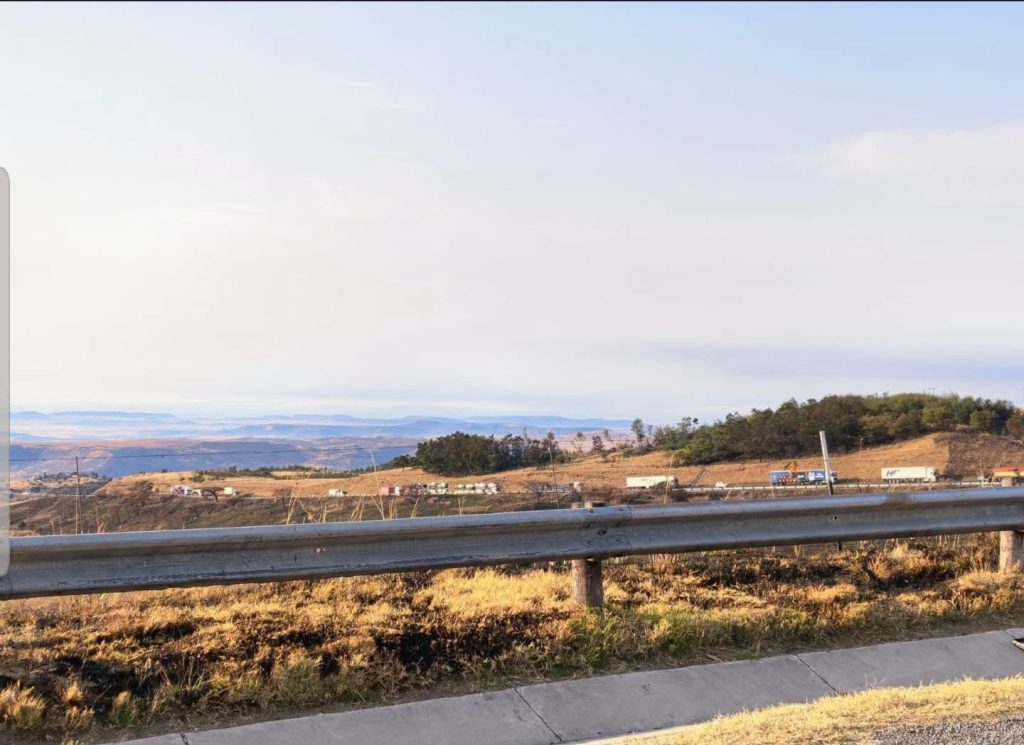
Heavy rain, snow and freezing conditions continued to affect parts of KwaZulu-Natal and the Eastern Cape on Wednesday, with emergency teams monitoring roads and flood-prone communities.

The South African Weather Service’s (SAWS) Orange Level 6 warning for disruptive rain remained in force along the coast and adjacent interior between East London in the Eastern Cape and Cape Vidal in KZN.

The rain could cause flooding of roads, bridges and settlements and damage property and infrastructure.

ALSO READ: Johnson denies IDAC tried to ‘taint’ Fannie Masemola in Medicare24 case

An Orange Level 5 warning for disruptive snow applied to the extreme north-eastern high ground of the Eastern Cape, while a Yellow Level 2 warning covered the north-eastern high ground of the province and the Drakensberg region of KZN.

The snowfall could disrupt traffic and essential services and temporarily cut off some communities.

KZN MEC for Transport and Human Settlements Siboniso Duma said the provincial Road Traffic Inspectorate team reported at 10h00 that snowfall had been recorded at the Sani Pass border and Mount Fletcher, while Kokstad and Underberg were experiencing rain and mist.

Grader operators were on standby to remove snow before it accumulated to more than 30cm.

He added that Van Reenen Pass, between Harrismith and Ladysmith, was being closely monitored so that the road could be closed if conditions became unsafe.

“This will help to prevent motorists from being stuck on the N3,” he said.

The N3 Toll Concession warned that road users could encounter rain, mist, frost and freezing temperatures along high-lying sections of the route, including Van Reenen Pass, with black ice possible where temperatures fell below freezing.

Duma said the Human Settlements team was working with eThekwini Municipality and had made more than 170 rooms available at Montclair Lodge.

“We will accommodate families that may be left destitute because of floods,” he said.

“There is construction on the Quarry Heights Bridge, which was partially destroyed by floods in 2022. [Gabion] are being installed by eThekwini Municipality to prevent soil erosion and restore sidewalks.”

He added that engineers from the Department of Transport had installed culverts at several bridges to improve drainage and reduce water pooling on roads.

A Yellow Level 2 warning for disruptive rain was also in place over south-eastern parts of the Eastern Cape and eastern KZN, except the extreme north-east.

The Road Traffic Management Corporation (RTMC) warned road users to exercise extreme caution as snowfall, icy conditions and freezing temperatures were forecast to affect motorists travelling through the Eastern Cape highlands, the Drakensberg region of KZN and routes towards Lesotho.

ALSO READ: Malatsi approves 2026 spectrum plan to expand broadband and Wi-Fi access

“The anticipated weather conditions are expected to create hazardous driving conditions, particularly on mountain passes, high-altitude routes, and major transport corridors,” RTMC said.

“Motorists are advised to avoid unnecessary travel in affected areas and to remain alert for possible road closures, reduced visibility, and slippery road surfaces.”

The RTMC urged motorists to reduce speed and drive according to prevailing conditions, increase following distances, avoid sudden braking or sharp manoeuvres on icy roads, switch on headlights and ensure their vehicles were roadworthy.

It also advised motorists to carry warm clothing, blankets, drinking water, non-perishable food, a fully charged cellphone and a torch; check official weather and traffic updates before travelling; and follow instructions from law enforcement and emergency personnel.

The RTMC warned that motorists must “not drive around road closure barriers or attempt to cross roads covered by snow or ice”.

“Such actions place motorists, passengers, and emergency responders at unnecessary risk and may delay rescue and recovery operations.”

The Eastern Cape provincial government urged motorists not to cross flooded bridges or roads where water levels were rising.

“Residents in flood-prone informal or low-lying settlements should move belongings to higher ground where possible,” the provincial government said.

“It is also advised that residents keep local municipal emergency and disaster management contact numbers on hand, as response teams remain on high alert.”

Rest of SA

Elsewhere in South Africa, very cold and wet conditions, with possible light snowfall, were expected in the southern Free State and along the Lesotho border. Light snow was also possible in the extreme south-eastern Northern Cape.

Gauteng was expected to be partly cloudy and cool to cold, with isolated showers and rain. Drizzle was forecast along the Mpumalanga escarpment, with isolated showers in parts of Mpumalanga and Limpopo.

ALSO READ: MK Party centralises power under Zuma as new leadership team takes over party operations

The North West was expected to be partly cloudy and cool, with isolated showers and thundershowers in the extreme south-east.

The Free State was forecast to be cold to cool, with scattered showers and thundershowers along the Lesotho border and possible light snow along the border and in the extreme south-west.

The Northern Cape was expected to be cold to cool and very cold in the south, with isolated to scattered showers and thundershowers in the south-east and possible light snow in the extreme south-east.

The Western Cape was expected to be partly cloudy to cloudy in the east and otherwise fine and cool to warm, with cold conditions in parts of the Central Karoo.

INSIDE EDUCATION

The post Level 6 rain warning remains as snow hits KZN and Eastern Cape appeared first on Inside Education..

Chikunga calls for support for Special Olympics SA games in North West
Uncategorized

Chikunga calls for support for Special Olympics SA games in North West

By Lebone Rodah Mosima

Minister in the Presidency for Women, Youth and Persons with Disabilities Sindisiwe Chikunga has called on communities to support and attend the Special Olympics South Africa Summer Games in North West in August.

Chikunga made the call at the launch of Catching the Wind, which follows athletes, Kamogelo Moncho and Lumka Gogela, who have represented Special Olympics South Africa.

ALSO READ: SA government doesn’t have a backbone, Ngobese-Zuma tells Australian broadcaster

“Today, we gather not only to premiere a film, but to celebrate an extraordinary journey, one that follows symbolically two remarkable athletes who have proudly represented Special Olympics South Africa,” Chikunga said.

“Their story reminds us that true greatness is not measured solely by medals, but by perseverance, dedication, and the courage to overcome every obstacle.”

She said the athletes’ journeys inspired people to see ability before disability, possibility before limitation and hope before doubt.

“This documentary captures far more than sporting achievement. It tells the story of individuals who dared to dream, who embraced every challenge, and who have become ambassadors for inclusion and equality,” she said.

Chikunga said sport had the power to transform lives by building confidence, promoting healthy lifestyles, fostering friendships and uniting communities across social and economic divides.

“For athletes with intellectual disabilities, sport also creates opportunities to demonstrate talent, develop independence, and contribute meaningfully to society,” she said.

She reaffirmed government’s commitment to creating an inclusive sporting environment in which every athlete could participate, compete and excel.

Chikunga said the government would continue working with Special Olympics South Africa on a sports-for-development agenda for people with intellectual and developmental disabilities to ensure that athletes had opportunities to realise their full potential.

ALSO READ: Impeachment committee to appeal Phala Phala interdict ruling

She also praised the families, coaches, volunteers and support staff whose commitment had helped make the athletes’ journeys possible.

She said every successful athlete was supported by a community of people who believed in them, encouraged them and celebrated their achievements.

Addressing Moncho and Gogela, Chikunga said their determination had inspired countless young people, particularly young women, to believe in themselves.

“You have shown us that courage is stronger than fear, that perseverance overcomes adversity, and that dreams become reality through hard work and commitment,” she said.

Chikunga also congratulated those involved in producing Catching the Wind.

“Through powerful storytelling, this documentary shines a light on the importance of inclusion, dignity, and equal opportunity,” she said.

She said the documentary challenged stereotypes, changed perceptions and reminded audiences that every person’s story deserved to be told.

Reflecting on its message, Chikunga encouraged South Africans to build a country in which every person, regardless of disability, was valued, respected and empowered to reach their full potential.

“Let us continue to invest in inclusive sport, celebrate diversity, and champion the talents of all our athletes,” she said.

“As we prepare for the Summer Games to be held in North-West, in August, let’s mobilise even our communities of persons with and without disabilities to support and show up at the games,” she said.

INSIDE EDUCATION

The post Chikunga calls for support for Special Olympics SA games in North West appeared first on Inside Education..

Gauteng to take over OWLAG campus as Winfrey expands scholarship programme
Uncategorized

Gauteng to take over OWLAG campus as Winfrey expands scholarship programme

By Charmaine Ndlela

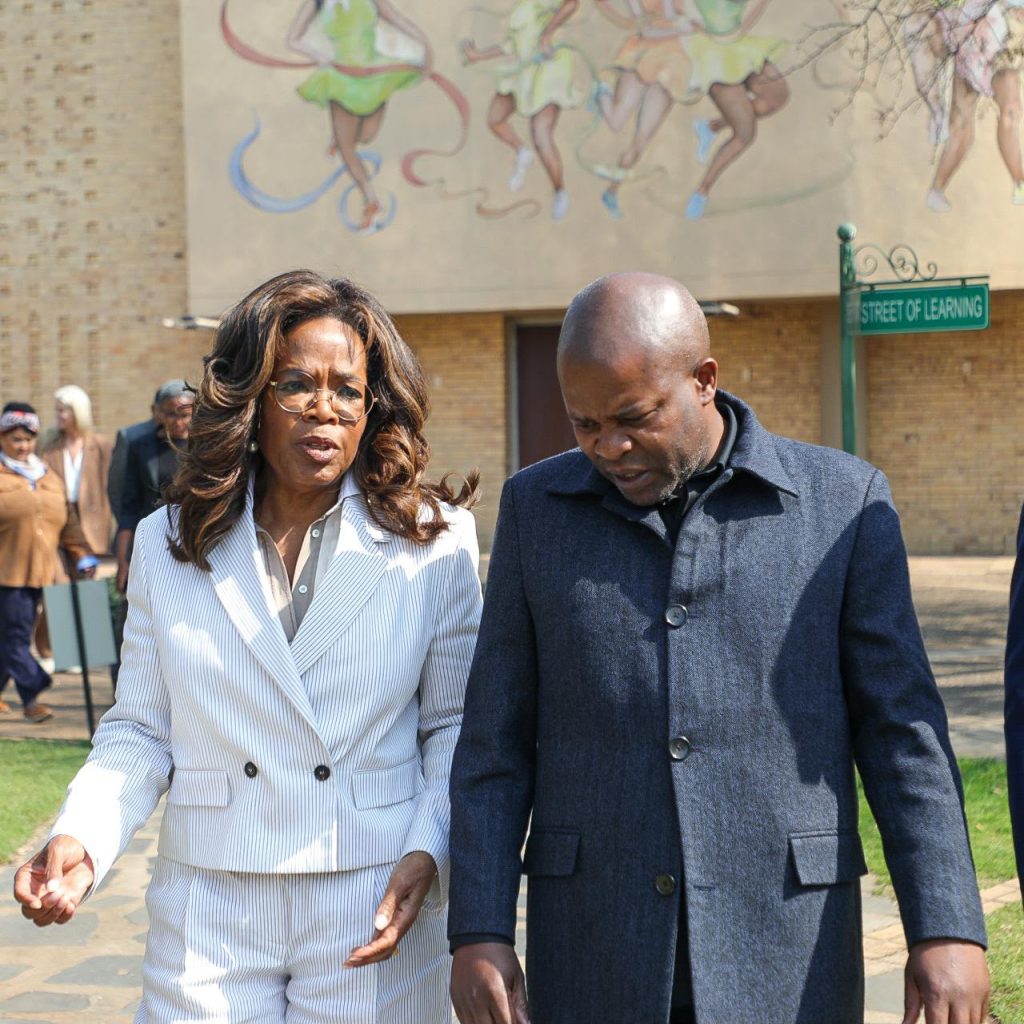
The Gauteng Department of Education will take over the Oprah Winfrey Leadership Academy for Girls campus after the 2027 academic year as Oprah Winfrey shifts her education philanthropy to an expanded national scholarship programme in the country.

Gauteng MEC for Education, Sport, Arts, Culture and Recreation Lebogang Maile welcomed the transition on Thursday, saying the department would preserve the academy’s educational legacy when the property and facilities in Henley on Klip are transferred to the provincial government.

The handover is in line with the original partnership agreement under which the academy was established. Administrative processes are under way to facilitate the transfer.

Maile said the transition reflected the success of the academy’s nearly two decades of operation and created an opportunity for its work to reach more girls across South Africa.

“Since opening its doors in 2007, the Academy has empowered more than 1,000 academically gifted learners from disadvantaged communities through an education founded on academic excellence, leadership, integrity, compassion and purpose,” he said.

Maile thanked Winfrey for her investment in the education and leadership development of young women, saying the academy had created opportunities and transformed the lives of learners and their families.

He said educating girls strengthened families and communities and contributed to South Africa’s social and economic development.

“The Gauteng Department of Education is committed to preserving and advancing the Academy’s legacy of academic excellence, ethical leadership and educational opportunity,” Maile said.

The department said every learner currently enrolled at the academy would be able to complete her education with uninterrupted academic, financial and personal support.

Under the new model, Winfrey’s initiative will support academically talented girls at leading schools across South Africa, broadening access beyond a single residential campus.

“The dream was never simply to build a school. It was to invest in the limitless potential of young women. That mission doesn’t end with one campus. It continues in every girl whose future can be transformed through education,” Winfrey said in the academy’s statement.

“I’m excited that this next chapter will allow us to reach even more young women across South Africa and continue the promise that began more than 20 years ago.”

The academy opened in 2007 and has since educated more than 1,000 young women from disadvantaged communities.

A study commissioned in 2024 found that 99% of surveyed graduates progressed to higher education. Nearly nine in 10 said the academy had provided opportunities they would not otherwise have received, while 94% said their education had positively transformed their families.

Throughout the transition, the academy will continue supporting current learners and alumnae through mentorship, leadership development and higher-education programmes.

INSIDE EDUCATION

The post Gauteng to take over OWLAG campus as Winfrey expands scholarship programme appeared first on Inside Education..
Uncategorized

Level 6 rain warning issued for KZN, flooding possible

Staff Reporter

The South African Weather Service (SAWS) on Tuesday issued a Level 6 warning for disruptive rain across parts of KwaZulu-Natal, with flooding, infrastructure damage and major traffic disruption possible.  

The warning is valid from midday on Tuesday until midday on Wednesday.

ALSO READ: Johnson’s denial of PKTT knowledge challenged by IDAC summons

Affected areas include Big Five Hlabisa-Hluhluwe, eThekwini, KwaDukuza, Mandeni, Mtubatuba, Ray Nkonyeni, Umdoni, uMhlathuze, uMlalazi and Umzumbe.

“Persistent rainfall is expected along the coast and adjacent interior, which may lead to flooding of roads and settlements, damage to infrastructure and mud-based houses today and tomorrow,” the weather service said in its warning.

A cut-off low over South Africa’s southern interior and a ridging high-pressure system south of the country were drawing moisture over KwaZulu-Natal.

These systems were expected to bring scattered to widespread showers and thundershowers across the province on Tuesday, although conditions would be more isolated in the extreme north.

Scattered showers and thundershowers were also forecast for Wednesday, with isolated activity expected in the extreme north-east.

The weather service warned that significant rainfall could flood roads, bridges and formal and informal settlements, while fast-flowing streams and deep water could pose a danger to life.

ALSO READ: The plot thickens: Madlanga Commission hears voice notes challenging authenticity of Adams statements

Major roads could become flooded, severely disrupting traffic, while water, electricity and communication services could also be affected. Mud-based houses may be damaged.

Residents were urged to avoid crossing rivers and swollen streams where the water was above ankle height.

Motorists trapped in vehicles during flooding should abandon them and move to higher ground. People inside buildings were advised to move valuables above the anticipated flood level and switch off electricity at the supply point.

Those in rural areas were advised to protect or relocate animals to safer ground.

INSIDE EDUCATION

The post Level 6 rain warning issued for KZN, flooding possible appeared first on Inside Education..

Nel: Indigenous languages must shape South Africa’s legal system, not only court interpretation
Uncategorized

Nel: Indigenous languages must shape South Africa’s legal system, not only court interpretation

By Lebone Rodah Mosima

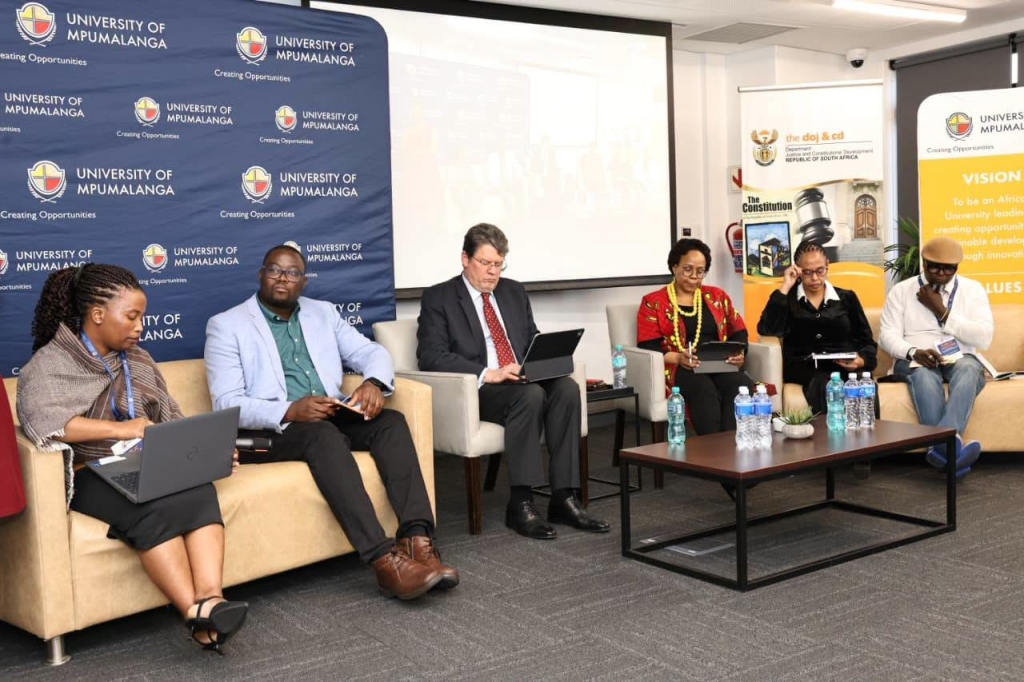
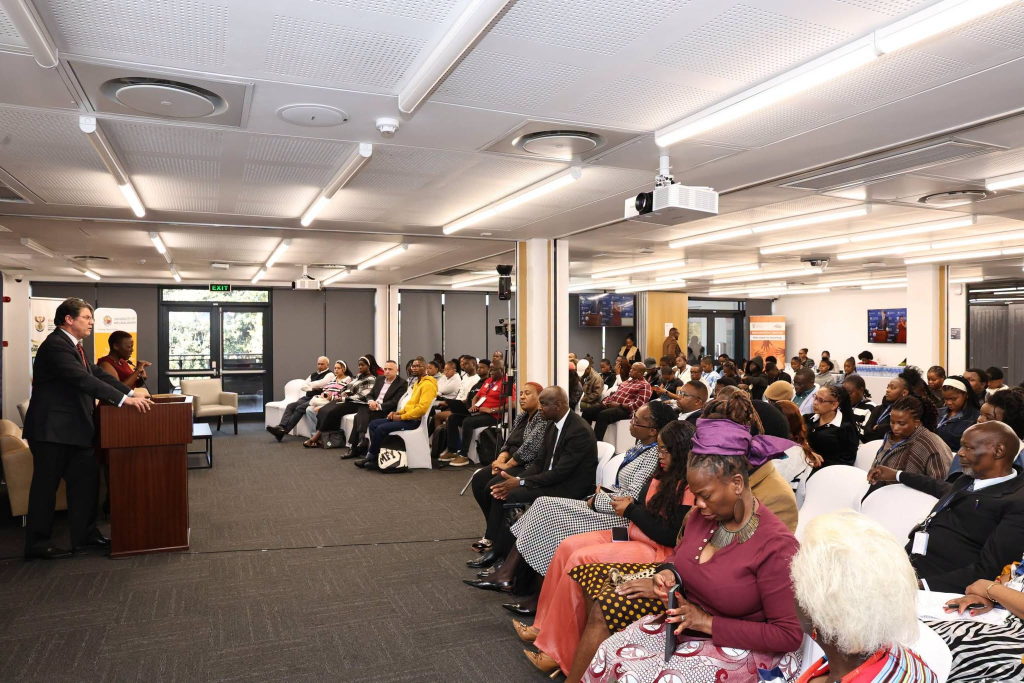
Deputy Justice and Constitutional Development Minister Andries Nel has called for South Africa to move beyond using indigenous languages only for court interpretation and instead develop them as languages of legal education, scholarship and judicial decision-making.

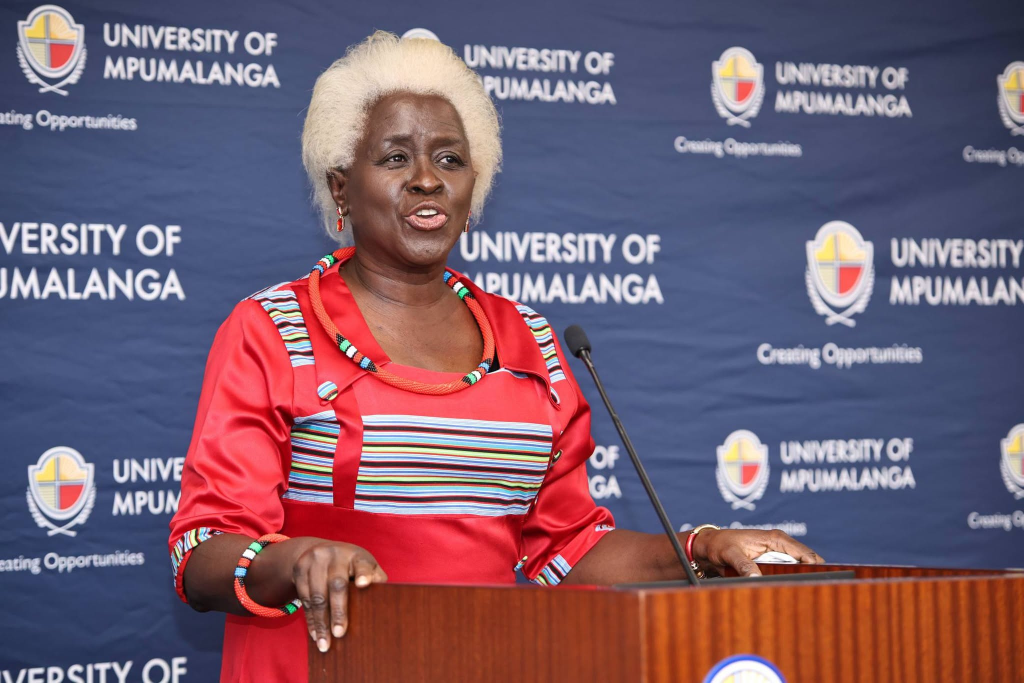
Delivering a public lecture on “Indigenous Languages and the Justice System” at the University of Mpumalanga on Tuesday, Nel proposed a five-year partnership between the university, the South African Judicial Education Institute (SAJEI) and the Brigitte Mabandla Justice College to expand multilingual justice, develop legal terminology and strengthen interpreter training.

“Interpretation remains indispensable. However, we must progress from interpreted participation towards multilingual production,” Nel said.

“A genuinely multilingual constitutional order therefore requires more than interpreted access. It requires participation in the production of jurisprudence itself.”

Nel said the Department of Justice should consider signing a memorandum of understanding with the University of Mpumalanga through the Brigitte Mabandla Justice College to establish a national centre of excellence for justice sector education, research and professional development.

He said Section 6(2) of the Constitution imposed a clear obligation on the state to promote indigenous languages.

“It recognises the historically diminished use and status of the indigenous languages of our people and imposes a positive duty upon the state to take practical and positive measures to elevate their status and advance their use,” he said.

“It requires action, not ceremonial recognition. It requires measures that are practical and positive, not promises that remain permanently aspirational.”

Nel acknowledged the irony of delivering a lecture on indigenous languages in English, noting that English continues to dominate legislation, court judgments, legal publishing, university teaching and professional practice.

“I use it today as a shared medium, but that convenience itself reflects the historical process this lecture addresses,” he said.

He argued that constitutional recognition of indigenous languages would remain symbolic unless government invested in legal terminology, translation systems, publishing programmes, teaching materials, digital language resources and dedicated funding.

“We proclaim that indigenous languages must be elevated, yet fail to build the terminology units, translation systems, publishing programmes, professional incentives, digital corpora, teaching materials and budgets required to do so,” Nel said.

He added that while litigants can participate in court proceedings in their own languages through interpreters, the legal system itself continues to operate largely in English.

“The relevant question is not whether isiNdebele, siSwati, Xitsonga, Sepedi, isiZulu, isiXhosa, Sesotho, Setswana or Tshivenda are capable of jurisprudence,” he said.

“The question is whether South African institutions will invest the sustained intellectual labour required to develop that capacity within the modern legal system.”

Nel challenged the University of Mpumalanga to play a leading role in developing multilingual jurisprudence rather than simply teaching the legal traditions inherited from the past.

He also warned that the future of indigenous languages would increasingly depend on technological development.

“Artificial intelligence, speech recognition, machine translation and digital government services all require quality language resources,” he said.

“Languages that are not developed digitally risk being left behind.”

Highlighting the role of court interpreters, Nel said they remain among the most important yet least recognised professionals in the justice system.

He said South Africa employs about 1,900 permanent court interpreters and more than 500 ad hoc interpreters, with Shona being the most frequently requested foreign language in the country’s courts.

Nel also cautioned against calls to replace constitutional supremacy with parliamentary sovereignty and substitute Roman-Dutch law with an indigenous legal order.

“The grievance to which this proposal appeals is real. However, the proposed remedy, whilst radical in form, is reactionary in substance,” he said.

He argued that parliamentary sovereignty was the constitutional mechanism through which apartheid laws were enacted and said South Africa’s focus should instead be on implementing the Constitution’s multilingual vision.

“Thirty years after the adoption of the Constitution, our task is not merely to praise its multilingual promise but to build the institutions through which that promise can be realised,” Nel said.

“Let us ensure that every language of our people can become a language not only in which justice is heard but through which justice is imagined, reasoned and made.”

INSIDE EDUCATION

The post Nel: Indigenous languages must shape South Africa’s legal system, not only court interpretation appeared first on Inside Education..

Lesufi puts skills development at centre of Gauteng economic growth strategy
Uncategorized

Lesufi puts skills development at centre of Gauteng economic growth strategy

By Charmaine Ndlela

Gauteng Premier Panyaza Lesufi has launched the Gauteng Human Resource Development Council (GHRDC), saying the province’s economic future depends on equipping young people with skills that match the demands of a rapidly changing economy.

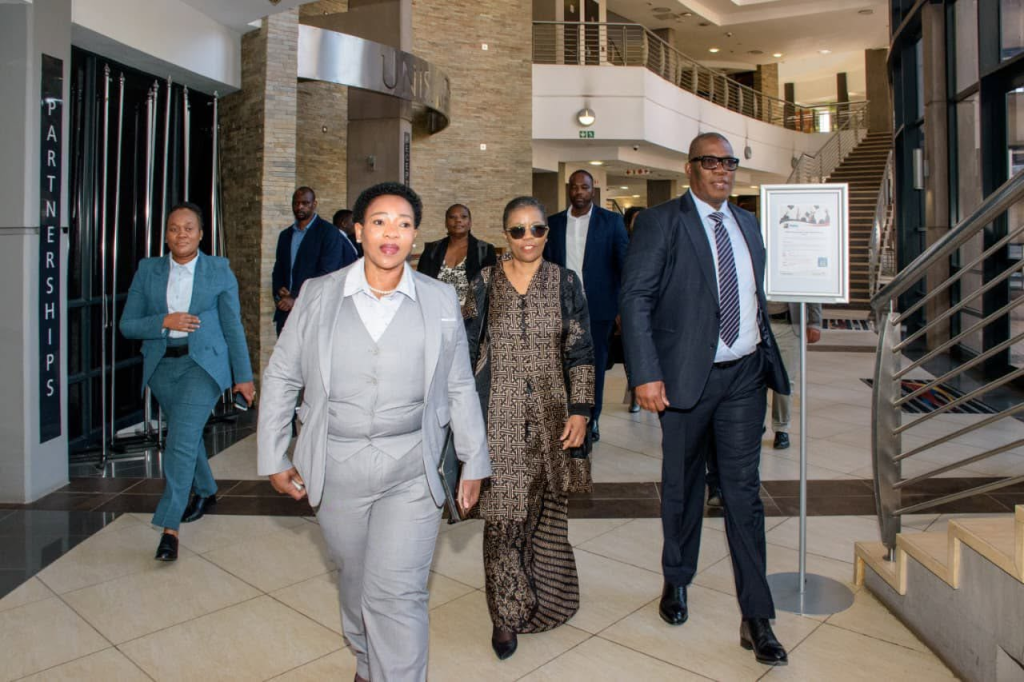
The council, launched at the University of South Africa (UNISA) in Pretoria on Tuesday, is expected to provide strategic leadership in the implementation of the Gauteng Master Skills Plan 3 (2026–2030), while aligning education, training and workforce development with the province’s economic priorities.

Chaired by Lesufi, the council brings together government, higher education institutions, business, organised labour and civil society to tackle youth unemployment, poverty, inequality and critical skills shortages.

Speaking at the launch, Lesufi said investing in people was central to achieving sustainable economic growth and building a capable state.

“History teaches us that nations that prosper are nations that invest in their people. If you can’t get the skills right, you will not get the country right. If you can’t get the skills right, you will not get the economy right,” he said.

Lesufi warned that job creation without a skilled workforce would not resolve South Africa’s unemployment crisis.

“You might have ambitions to eliminate unemployment, but when jobs are created and the skills are not there, unemployment will be permanent. We are choosing the other path of building the skills, building capabilities and converting our schools to be the pipeline of future skills,” he said.

He said the GHRDC would ensure that the province’s economic plans translate into tangible outcomes by placing skills development at the heart of Gauteng’s growth strategy.

“I come to launch a council that will convert these master plans and economic plans into reality. This council is not only a human development capability or an engine room. It’s expanding people’s choices. It’s making it easy for our children to say there is a future in this province,” Lesufi said.

The Premier highlighted Gauteng’s investment in Schools of Specialisation, saying they were key to preparing learners for industries expected to drive future economic growth.

“The launch of almost 34 Schools of Specialisation in our province is an investment that must not be undermined,” he said.

“If a school says we’re a School of Specialisation in aviation, maritime studies, business development or engineering, you must know that’s the future, and that school is in Gauteng.”

Lesufi said the establishment of the council represented more than the creation of another government structure.

“Today is more than the establishment of another institution. It’s the beginning of a renewed partnership that places people at the centre of development,” he said.

He said collaboration between government, universities, industry, labour and communities would be crucial to ensuring education and skills development respond to changing labour market needs.

UNISA Principal and Vice-Chancellor Professor Puleng LenkaBula welcomed the launch, describing the council and the Gauteng Master Skills Plan 3 as important milestones in advancing skills development and inclusive economic growth.

She said education remained the foundation of human development but required support from research, innovation and partnerships to address society’s challenges.

“I am of the view that the launch of the Gauteng HRDC represents a decisive investment in the vision of the province. It reflects our collective commitment to harnessing evidence-based decision-making, cultivating innovation and strengthening collaboration among government, higher education institutions, industry, organised labour and civil society,” LenkaBula said.

She said universities and colleges had a critical role in producing graduates equipped for the digital economy while contributing to social and economic development.

LenkaBula challenged stakeholders to consider how South Africa could build a socially just economy that promotes inclusive and sustainable development.

“How do we create a socially just economic system that promotes inclusive and sustainable development?” she asked.

Deputy Minister of Higher Education and Training Dr Nomusa Dube-Ncube described the launch as a historic milestone, noting that Gauteng was the final province to establish a Provincial Human Resource Development Council.

She said the council builds on the Human Resource Development Strategy 2025–2035 and the National Master Skills Plan launched earlier this year.

“The launch marks a historic milestone, completing the establishment of Provincial Human Resource Development Councils across all nine provinces,” Dube-Ncube said.

She said provincial councils would help translate national skills priorities into practical interventions in communities, schools, workplaces and training institutions.

Dube-Ncube also outlined efforts to modernise Technical and Vocational Education and Training (TVET) college curricula by prioritising occupational and technical programmes aligned with industry needs.

“We are modernising our curriculum, particularly the TVET curriculum, to ensure that it focuses on occupational and trade skills that respond directly to the economy,” she said.

She said stronger partnerships between education institutions and industry were necessary to ensure young people acquire skills relevant to the labour market.

“We want to make sure that those skills that are given to the young people are skills that the industry needs, but also talk to today’s realities of the artificial intelligence age,” Dube-Ncube said.

INSIDE EDUCATION

The post Lesufi puts skills development at centre of Gauteng economic growth strategy appeared first on Inside Education..
OPINION| What AI for Good really means in education: Three perspectives 
Uncategorized

OPINION| What AI for Good really means in education: Three perspectives 

By Zaheer Dockrat

For over four decades, Fashion World has been more than a fashion retailer. Since opening our doors in 1981, we have believed that our responsibility extends far beyond providing quality and affordable clothing. 

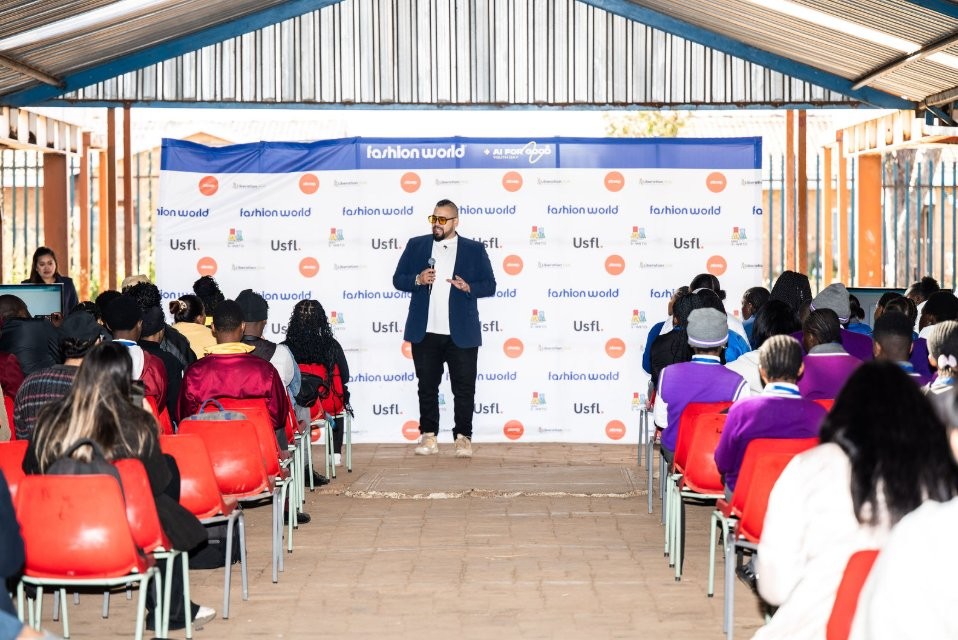
Yazeed Osman engaging with highschool youth in Soweto

We have always believed that a successful business should uplift the communities it serves, create opportunities where they are needed most, and leave a positive legacy for future generations.

Our purpose has always been rooted in people. Every store we open, every customer we serve, and every initiative we undertake is driven by the belief that meaningful impact begins with investing in individuals and empowering communities. While fashion remains at the heart of our business, people remain at the heart of our purpose.

AI and digital skills investment 

As South Africa continues to embrace a rapidly evolving digital economy, we recognise that the greatest investment we can make is not only in products, but in people. 

Today’s young generation will shape tomorrow’s workforce, businesses and innovations. Giving them access to technology, digital skills and entrepreneurial thinking is one of the most meaningful ways we can contribute to the country’s future.

This belief inspired our continued commitment to programmes that expose young South Africans to opportunities beyond the classroom.

Throughout 2026, our Local is Love campaign has reflected what we stand for, creating meaningful impact by investing in communities and empowering young people to realize their full potential. 

Dr Pali Lehohla teaching AI and data analysis to highschool youth in Soweto

As part of this commitment, we partnered with schools, education innovators, civil society organisations and leaders within the technology sector to deliver practical AI for Good digital skills programmes for high school learners.

On 16 June, Youth Day, 100 learners from five Soweto high schools came together for a full-day immersive workshop where they explored Artificial Intelligence, coding, digital innovation and entrepreneurship while addressing real challenges facing their communities.

For us, this was never simply about introducing technology. It was about creating access, building confidence and demonstrating that innovation belongs to every young South African, regardless of their background.

Having worked alongside communities for over forty years, we have seen how exposure creates confidence, confidence creates ambition, and ambition creates opportunity. 

We believe businesses have an important role to play in opening these doors. By sharing knowledge, collaborating with educational partners and investing in future-focused learning, the private sector can become an active contributor to South Africa’s long-term development.

What AI for Good really means in education 

The programme also raised an important question that continues to shape conversations globally:

What does “AI For Good” actually mean within the South African education landscape?

To explore this, we brought together learners, teachers, youth leaders and experts from education and technology for an intergenerational dialogue focused on practical learning. 

Rather than simply discussing Artificial Intelligence, learners were encouraged to experience it firsthand – using AI tools to research ideas, solve community challenges, develop solutions and present their thinking with confidence.

We were honoured to welcome Dr Pali Lehohla, former Statistician General, as keynote speaker. Reflecting on the significance of Youth Day and the 50th anniversary of the 1976 Soweto Uprising, he challenged learners to see data, technology and Artificial Intelligence as tools capable of transforming South Africa’s future. 

AI For Good innovations for community upliftment

He encouraged young people to become active creators of knowledge rather than passive consumers, reminding them that AI is ultimately built upon human contribution, collaboration and shared information.

Complementing the day’s practical workshops were immersive coding sessions, digital platform creation and entrepreneurship activities delivered alongside our valued partners.

Two collaborators who work directly with learners on the ground, Jenny Holyer of Ace Academy and Yazeed Osman of Liberation Hub, share their perspectives on what programmes like these mean for education and youth development in South Africa today.

Jenny Holyer: Using AI tools to create opportunity 

Jenny Holyer working on the AI For Good coding

Everyone has the potential to create meaningful change. Sometimes, all it takes is access to the right tools and the opportunity to use them.

Growing up as an orphan in a village where even running water was a luxury, taught me that resourcefulness is one of life’s greatest skills. That experience inspired me to create Ace Academy –  the kind of learning environment I wish I had growing up.

On Youth Day, that vision came to life as learners from five high schools across Soweto came together to tackle real challenges in their communities. Working in teams, they identified local issues, debated ideas, challenged assumptions, and developed practical solutions.

Using Ace Academy’s AI-powered learning platform, built specifically for school learners, they accessed curated educational resources to research their ideas, create pitch decks, build websites, and confidently present their solutions. 

Analysing the data and preparing for AI For Good presentation for communities in Soweto

Designed as a structured learning companion rather than a general Chabot, Ace kept learners focused on critical thinking, collaboration, creativity, and problem-solving.

As the day unfolded, one theme kept resurfacing: opportunity.

Many learners spoke about the limited resources available to them. I encouraged them not to focus on what they didn’t have, but on what they could build with what they did have. 

Our goal wasn’t to provide every answer. It was to equip learners with the skills, confidence, and mindset to create opportunities for themselves and their communities.

I left them with one final thought: The greatest resource you’ll ever have is the ability to learn, adapt, and create.

Yazeed Osman: African youth must become creators of technology  

Mr Zaheer teaching youth at Soweto AI For Good

The young people of 1976 fought for access to education because they understood that education creates opportunity. Today, our responsibility is to ensure that the next generation has access not only to education, but also to the technologies, digital skills, and entrepreneurial mindset that will shape the future.

Africa has the youngest population in the world, and that represents one of the greatest opportunities of our generation.

As a father of two young girls, I think often about the kind of Africa our children will inherit.

Technology and Artificial Intelligence are transforming every industry, but AI should never be something our young people fear. It should be something they understand, use responsibly, and ultimately help shape.

Our goal is to ensure African youth become creators of technology and solutions, not simply consumers of them.

That is why Liberation Hub exists – to bridge the gap between talent and opportunity through entrepreneurship, technology exposure, practical learning, and community partnerships.

AI For Good innovations for community upliftment

The AI For Good workshop, made possible through Fashion World’s Local is Love initiative and supported by Google Developer Group Africa, demonstrates what becomes possible when business, education and communities unite behind a shared purpose.

Exposure creates confidence, and confidence creates opportunity.

My message to every learner was simple: stay curious, ask questions, solve problems, and never underestimate what is possible. The future belongs to those who prepare for it.

Highschool learners AI solutions on display – created by Sowetoyouth for AI For Good

Fashion World and its partners will continue supporting programmes that provide practical opportunities in technology, entrepreneurship and innovation throughout the year, including new virtual learning experiences during Mandela Month and Women’s Month.

Zaheer Dockrat is COO of Fashion World ZA. Jenny Holyer is Co-founder of Ace Academy, and Yazeed Osman is Co-founder of Liberation Hub and Managing Partner of Usfl.Stoep.

INSIDE EDUCATION 

The post OPINION| What AI for Good really means in education: Three perspectives  appeared first on Inside Education..