Uncategorized

Manamela tells reinstated NSFAS board that funding crisis remains despite court ruling

Staff Reporter

Higher Education and Training Minister Buti Manamela has told the reinstated National Student Financial Aid Scheme (NSFAS) board that the court ruling that ended the scheme’s administration has not resolved the financial, governance and operational problems that prompted his intervention.

Manamela met board members in Gauteng on Thursday, less than two weeks after the Gauteng High Court in Pretoria suspended the appointment of NSFAS administrator Professor Hlengani Mathebula and ordered the remaining seven board members to resume control of the scheme.

The meeting comes as NSFAS grapples with billions of rand owed to universities, unresolved student funding matters, serious audit deficiencies and preparations for the 2027 academic year.

“There are significant questions concerning the financial position of NSFAS and amounts owing to institutions. There are also matters concerning student funding decisions, operational systems, audit remediation and the preparations that must already be underway for the 2027 academic year,” Manamela told the board.

Parliament’s Portfolio Committee on Higher Education and Training was told last week that NSFAS had paid 61.5% of university allocations and 59.2% of TVET college allocations, with about R10.49 billion in 2026 tuition still owed to universities.

The financial pressure forms part of a wider crisis at the student funding body, which Manamela placed under administration on 4 May after dissolving its board and appointing Mathebula as administrator.

The department said at the time that the intervention followed governance instability, operational failures, financial weaknesses, unresolved appeals, ICT deficiencies, accommodation problems and accountability concerns.

But seven remaining board members challenged the decision in court.

On 14 August, Judge Etienne Labuschagne suspended Mathebula’s appointment pending the final determination of the board’s review application and directed the board members to resume managing and governing NSFAS.

The court raised concerns about the process followed in making the appointment and Mathebula’s suitability, including criticism of his conduct while previously employed at the South African Revenue Service. The main review application — Part B — is expected to be dealt with on an expedited basis.

Manamela made clear on Thursday that he did not intend to use the meeting to re-litigate that dispute.

“Let me state clearly that the intention is not to revisit the litigation today. The pending proceedings will follow their appropriate legal course. Today’s discussion is about the functioning of NSFAS in the period immediately ahead.”

He said the court’s intervention had altered who governed NSFAS in the interim, but had not resolved the problems facing the institution.

“The concerns identified through these processes cannot simply be wished away. The interim court order has changed the interim governance arrangements, but it does not make the underlying institutional challenges disappear. Our task therefore is not to pretend that nothing happened but rather to ensure that the systems, controls and governance arrangements of NSFAS are strengthened.”

In March, the Auditor-General issued NSFAS with a disclaimer of opinion for its 2024/25 financial statements — the most serious audit outcome — after finding deficiencies in its accounting records and supporting evidence. Nine material irregularities had been identified, including four that were newly reported.

Scrutiny continued this month when Public Protector Kholeka Gcaleka reported systemic deficiencies in NSFAS’s governance, administration, funding coordination and oversight.

The Public Protector’s investigation described persistent governance instability, administrative weaknesses and inadequate systems. It also referred to findings from a Special Investigating Unit investigation showing that more than 40,000 students at 76 higher education institutions had been improperly funded to an estimated value of R5.1 billion.

The investigation also highlighted delays in NSFAS’s Close-Out Project, which was established to reconcile payments and financial records between the scheme and higher education institutions. Those unresolved reconciliations have affected students whose qualifications have in some cases been withheld because accounts remain outstanding.

The reinstated NSFAS board has said the Public Protector’s investigation was initiated in 2021 and largely dealt with a period predating its appointment. It has nevertheless undertaken to implement the recommendations and said it accepted responsibility for addressing the systemic weaknesses identified.

Before the court ruling, Mathebula had submitted a stabilisation plan to Manamela setting out proposed interventions intended to strengthen NSFAS’s governance, financial management and operations.

Manamela told board members that the circumstances which led him to intervene had developed over a prolonged period.

“The challenges that led to my intervention to place NSFAS under administration did not arise overnight. They resulted from serious institutional, governance, financial and operational challenges that developed over time.”

He said NSFAS now needed to maintain institutional continuity while dealing with payments to institutions, student funding administration, audit remediation, operational systems and planning for next year.

“We do not need to resolve every issue in this room today. What we do need to achieve is a clear understanding of the current position and a credible way forward.”

INSIDE EDUCATION

The post Manamela tells reinstated NSFAS board that funding crisis remains despite court ruling appeared first on Inside Education..
Fort Hare rot exposed in 252 criminal referrals
Uncategorized

Fort Hare rot exposed in 252 criminal referrals

By Thapelo Molefe

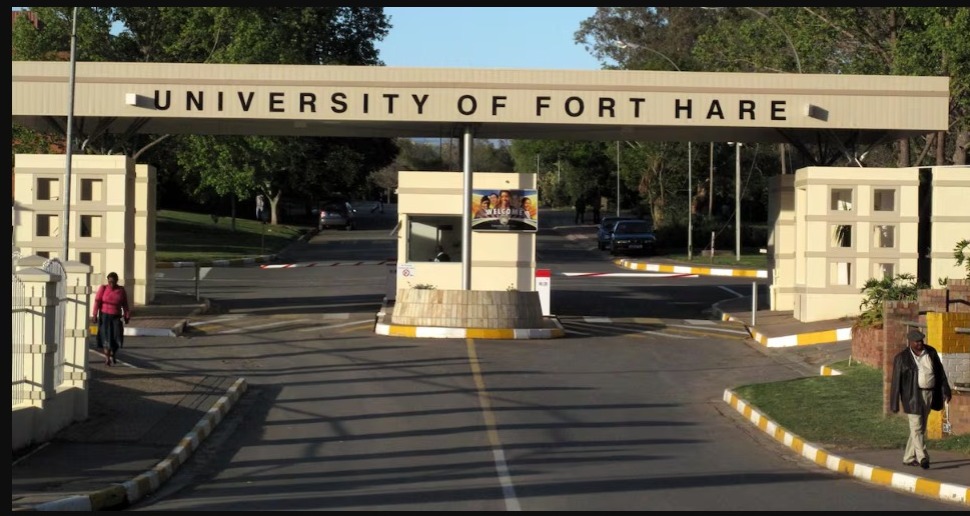
The Special Investigating Unit (SIU) on Wednesday laid bare the scale of alleged corruption and maladministration at the University of Fort Hare, telling Parliament that 252 criminal referrals have been made to the National Prosecuting Authority (NPA) involving former university officials and service providers.

SIU Acting Eastern Cape Provincial Head Mike Koya told the Portfolio Committee on Higher Education that the university council had characterised the institution as a “crime scene”, while the investigation remained a “moving target”, with disciplinary referrals increasing from 29 to 33.

“This is characterised by the council of the university as the crime scene. This is where a lot of corruption and fraud has taken place in the university, which is why you see there are 252 criminal referrals that were made against individuals from the university, including service providers,” Koya said.

He said the investigation had uncovered alleged collusion between university officials and service providers, with officials allegedly using friends, relatives and associated companies to siphon money from the university.

ALSO READ: Maimane warns of local government ‘capture’ ahead of polls

Koya said officials allegedly worked with service providers to benefit themselves and their associates.

“This is where there was a lot of collusion between the university officials and service providers where they were using their friends, companies, or relative companies to syphon and definitely make money from the university,” Koya said.

The SIU’s investigation is being conducted under Proclamation R84 of 2022, as amended in 2024.

Among the areas investigated are procurement, student accommodation, infrastructure maintenance, academic qualifications and the awarding of honours and master’s degrees.

In one investigation into maintenance and infrastructure, the SIU presentation said the university alleged that 10 service providers had been paid R13.8 million out of R33 million spent on infrastructure maintenance without a rotation of suppliers.

“We found that there was no rotation of service providers. We found that the business is mostly given to certain people, which was due to the collusion between officials and those service providers,” Koya said.

The SIU also uncovered alleged irregularities in the university’s cleaning and gardening services.

A contract with Qush Services, which had originally run from November 2012 to October 2015, was irregularly extended on a month-to-month basis until July 2019, costing the university an additional R70.3 million.

The investigation into the contract is almost complete, with criminal and disciplinary referrals being finalised.

ALSO READ: Lamola wants SA, Brazil to use critical minerals to drive industrial growth

Koya said the process had been delayed because investigators struggled to obtain documentation from a service provider based in Johannesburg.

Student accommodation was another area in which the SIU found alleged procurement irregularities.

Some service providers have signed acknowledgements of debt and others have repaid money, while the SIU’s civil litigation unit is considering taking other service providers to the Special Tribunal to recover alleged overpayments.

The SIU also investigated the appointment of a company to provide air-conditioning maintenance and repairs at the university.

Investigators found that the company did not meet the requirements for the appointment, resulting in an administrative referral to the Engineering Council of South Africa.

The investigation has also uncovered alleged irregularities involving academic qualifications and student admissions.

In the Faculty of Management and Commerce, the SIU said it found that 84 students had been admitted contrary to regulatory requirements and subsequently awarded honours qualifications between 2006 and 2019.

Twenty-nine matters were referred to the SIU’s civil litigation unit with a recommendation that the qualifications be revoked through the Special Tribunal or High Court, but the litigation unit declined to pursue revocation.

ALSO READ: Ramaphosa says police investigating possible foreign role in anti-foreigner violence

Three investigations into the admission of students for master’s degrees in the same faculty are also being conducted. Two remain ongoing, while one has been finalised.

The SIU is separately investigating former head of department Professor Edwin Ijeoma, who investigators said registered a company in which he was a director and shareholder and authorised payments to it for services rendered to a university project.

Koya said investigators found that the professor allegedly used his company to siphon money from the university and benefited from what the SIU believes were irregular student admissions and registrations.

The SIU is also examining an alleged scheme in which civil servants were solicited to study at the university, allegedly for personal gain.

That investigation was closed after Dr Siziwe Monica Zuma, whom the SIU said had allegedly recruited 120 students from the South African Local Government Association and municipalities, died before the investigation could be finalised.

The SIU also said it was finalising a criminal referral after finding that Ijeoma had claimed a master’s qualification from Kensington University in California. His CV stated that he had obtained a Master’s in Public Administration from the institution, but investigators found Kensington University had been unaccredited until 1996 and said he had not obtained the qualification he claimed.

Investigators are also examining the Faculty of Law, where the SIU said it intends to investigate 486 students over allegations relating to admission requirements and the number of modules registered for in an academic year.

The investigation includes allegations that part-time students were allowed to register for more modules per semester than permitted and whether students who did not meet minimum admission requirements were allowed to register for the LLB.

Another ongoing investigation involves the Nguni Cattle Development Trust.

The SIU said a university-commissioned internal audit had identified governance and management failures at the trust, while one former Fort Hare official was alleged to have stolen more than 150 cattle from members of society.

The SIU is also investigating Fort Hare’s relationship with Intellimali, including allegations that financial statements were not submitted to the university and that interest was not paid.

Cases of students allegedly receiving funding from multiple funders are also being investigated.

The SIU’s Acting Chief Operations Officer, Zodwa Xesibe, said the Fort Hare investigation had exposed multiple weaknesses in the university’s internal controls.

“There are payments that were made prior to the services being made to the university,” Xesibe said.

She said investigators had found poor contract management resulting in contract extensions, general non-compliance with procurement processes and invoices that were not properly supported by documentation.

“There are inflated prices by service providers and nobody is monitoring this one. There’s also poor record-keeping,” she said.

In some instances, the SIU had to obtain documents directly from service providers because the university could not provide them.

Despite the findings, Koya said the university’s council was cooperating with the SIU and working to implement its recommendations.

He said the SIU was satisfied with the university’s handling of disciplinary referrals, with SIU officials providing evidence in some disciplinary proceedings and at the CCMA.

The investigation remains ongoing, with some focus areas temporarily placed on hold after the SIU found that the period under investigation fell outside its existing terms of reference.

Koya said the SIU would seek an amendment to the proclamation before proceeding with those investigations.

INSIDE EDUCATION

The post Fort Hare rot exposed in 252 criminal referrals appeared first on Inside Education..
Uncategorized

SIU uncovers millions in questionable skills funding across TVET colleges

By Thapelo Molefe

The Special Investigating Unit (SIU) has uncovered a string of irregularities involving millions of rands meant to fund training and skills development, including money paid for training that never happened, duplicate invoices and funds transferred between companies linked to project directors.

The findings, presented to Parliament’s Portfolio Committee on Higher Education and Training on Wednesday, involve the National Skills Fund (NSF), several TVET colleges and the Vaal University of Technology (VUT).

One of the most serious cases involves Rubicon Communication, which was appointed to train learners in clothing, textile, footwear and leather manufacturing.

The project was approved for R4.1 million, with an initial payment of about R2.7 million made to the company.

But the SIU found that the money was transferred into personal accounts and depleted within two weeks.

It also found that no students were trained and that no new equipment was bought for the programme.

“Unfortunately, no training was done,” SIU Forensic investigation specialist Paul Bulwana told MPs.

He said the SIU had already submitted a criminal referral to the National Prosecuting Authority (NPA) and disciplinary referrals against officials responsible for monitoring the contract.

The company has also entered into an agreement to repay the money, with the SIU pursuing civil recovery. 

The investigation has also exposed concerns at Ingwe TVET College involving Ada Holdings in the Eastern Cape, where a project approved for R187 million was meant to help turn around the college and support artisan development in the Lusikisiki and Bizana areas.

The SIU found that the service provider did not train learners despite receiving payment and also failed to construct training facilities according to the required specifications. 

Financial analysis found that ADA Holdings received R132.98 million from the National Skills Fund.

The investigation further found that substantial amounts were transferred to companies in which the director of ADA was also a member. These included R52.49 million paid to Artisan Development, R45.03 million to Umbani and R7.39 million to PWC Institute.

Bulwana told MPs that the financial movements were being investigated to establish why the money was transferred between the companies.

He said the investigation had found that more than R105 million had been transferred among ADA Holdings’ parent companies, while some lecturers involved in the project claimed they had not received certificates for training that had supposedly been conducted.

The SIU also found that the training facilities at the Ingwe TVET College campuses were incomplete, despite money having been paid for their construction.

“Unfortunately, the buildings were not completed, but money has been paid,” he told the committee.

Equipment supplied to the colleges was also allegedly not in line with the required specifications.

Bulwana said the SIU had appointed a quantity surveyor to assess how much had actually been spent on the buildings.

The SIU plans to use the findings to determine the appropriate amount to recover and has indicated that the matter could be taken to the Special Tribunal for what it described as just and equitable relief.

The investigation remains ongoing.  

The SIU has also raised concerns about a R39.6 million rabbit farming project in KwaZulu-Natal (KZN) that was supposed to benefit 250 learners.

Investigators found that money had been transferred into personal accounts; only 43 learners were reported as having been trained and site visits did not find the number of rabbits that had been invoiced.

The company that was supposed to purchase the rabbits was liquidated before delivery.

Bulwana told MPs that investigators even visited the community where the project was supposed to operate.

“Unfortunately, no rabbits were then bred in KZN,” he said.

The SIU said it planned to approach the Special Tribunal to have the contract set aside. 

At the Port Elizabeth TVET College dual-system apprenticeship project, which was intended to train 50 learners in plumbing and electrical work over three years, the SIU found that the college received more than R16 million in two payments but did not submit the required close-out or quarterly reports.

Some students interviewed by investigators also said they had not received certificates for the training they attended. 

Another investigation involves Emanzini Staffing Solutions, which was contracted for a student placement programme intended to benefit 488 people in Gauteng, Limpopo and Mpumalanga.

The project was approved for R31.7 million, while R25.98 million was ultimately paid.

The SIU found that only 484 students were trained and that the company’s accreditation could not be confirmed.

It also found that R3.6 million could not be verified because invoices and monitoring reports had not been submitted.

The company’s director was also found to have transferred money into other accounts in breach of the agreement. 

At Ekurhuleni West TVET College, the SIU found duplicate requests for quotations and quotes that had been approved at different prices.

The SIU said this resulted in the college potentially paying for the same equipment twice.

“The procurement process was not followed,” the SIU found, adding that relevant documents submitted by suppliers were overlooked.

A disciplinary process has already been held at the college, with one official dismissed after refusing to participate in the payment of what was described as wasteful expenditure. 

The problems extend beyond the National Skills Fund projects.

At VUT, the SIU is investigating irregularities surrounding the refurbishment of student residences and campus security services.

The investigation found serious irregularities in the appointment of service providers for the residence refurbishment, including contractors who allegedly did not have the required accreditation.

The SIU has made five criminal referrals to the NPA, five disciplinary referrals and five administrative referrals to the Construction Industry Development Board. 

The SIU also intervened in a VUT security contract that had remained in place for years despite being awarded on an urgent basis.

The contract was eventually cancelled following the SIU’s intervention, saving the university R109 million.

The unit has also made 11 disciplinary referrals against former and current VUT officials in relation to the security investigation.

INSIDE EDUCATION

The post SIU uncovers millions in questionable skills funding across TVET colleges appeared first on Inside Education..
All roads lead to North West as Special Olympics SA National Summer Games begin
Uncategorized

All roads lead to North West as Special Olympics SA National Summer Games begin

By Charmaine Ndlela

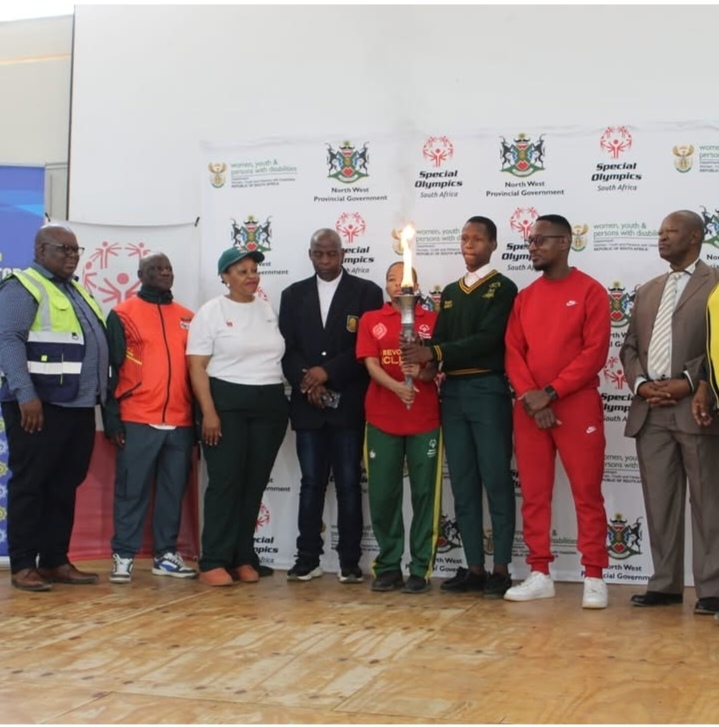
All roads will lead to Rustenburg in the North West this week as 670 athletes and coaches from across all nine provinces prepare to compete in the 2026 Special Olympics South Africa National Summer Games from August 28 to 30.

The three-day Games, to be hosted at Hoërskool Rustenburg, will bring together athletes with intellectual and developmental disabilities, coaches, officials, volunteers, government representatives, families, supporters and corporate partners in a national celebration of sporting excellence and inclusion.

Founded in 1991, Special Olympics South Africa provides year-round sports training and athletic competition for children and adults with intellectual disabilities and has grown to more than 45 000 athletes participating in 18 sports.

This year’s National Summer Games come at a significant time for the organisation, as the competition will help identify athletes who could form part of Team South Africa at the 2027 Special Olympics World Summer Games in Santiago, Chile.

Special Olympics South Africa CEO Ancilla Smith has welcomed the growing recognition and support for this year’s Games, particularly following a landmark partnership with the national government.

The Games are being delivered through a partnership involving the Department of Women, Youth and Persons with Disabilities, the North West provincial government and Special Olympics South Africa.

The 2026 National Summer Games will feature seven sporting codes athletics, basketball, bocce, football, netball, swimming and table tennis, giving athletes an opportunity to showcase the skills developed through year-round training.

The 2027 event is expected to bring together more than 6 000 athletes and Unified partners from more than 170 countries, marking the first time the Special Olympics World Summer Games will be held in Latin America and the Southern Hemisphere.

South Africa enters the selection process with a strong record on the international stage.

At the 2023 Special Olympics World Summer Games in Berlin, Germany, Team South Africa secured 49 medals, comprising 22 gold, 20 silver and seven bronze.

The achievements have raised expectations for the next generation of South African athletes as the country looks towards Santiago.

Ahead of the Games, the Flame of Hope has also been travelling through the North West as part of the Special Olympics Law Enforcement Torch Run (LETR), building momentum around the event while promoting inclusion in communities and special schools.

The torch journey began on Tuesday in the Dr Kenneth Kaunda District, where it visited Ikalafeng Special School.

On Wednesday, the second leg continued through the Dr Ruth Segomotsi Mompati District, with the Flame of Hope arriving at MM Sebitloane Special School.

The journey continues to Bophelong Special School in the Ngaka Modiri Molema District on Thursday before making its way towards Rustenburg.

The torch run is expected to further strengthen the connection between the Games and communities across the province, while highlighting the role of sport in challenging barriers faced by people with intellectual disabilities.

Beyond competition, organisers have placed a strong focus on ensuring that athletes receive appropriate support throughout the Games.

More than 51 medical professionals in the North West will be trained in protocols for working with people with intellectual disabilities, strengthening the province’s capacity to provide more inclusive healthcare and medical support.

Hoërskool Rustenburg will serve as the central hub for the Games, hosting sporting competition while providing a gathering point for athletes, coaches, officials, families, supporters, volunteers, government representatives and members of the media.

The Games will also bring together Special Olympics South Africa celebrity ambassadors, corporate representatives, government officials and country ambassadors in a shared celebration of inclusion and sporting achievement.

For Special Olympics South Africa, however, the Games represent more than three days of competition.

They provide athletes with an opportunity to demonstrate their abilities, build confidence and potentially take the next step towards representing their country on the international stage.

With the final preparations now under way, the North West is set to become the centre of South Africa’s Special Olympics movement as athletes from across the country converge on Rustenburg.

INSIDE EDUCATION

The post All roads lead to North West as Special Olympics SA National Summer Games begin appeared first on Inside Education..
Gauteng school drug crackdown: Nyaope, dagga and abortion pills seized
Uncategorized

Gauteng school drug crackdown: Nyaope, dagga and abortion pills seized

By Levy Masiteng 

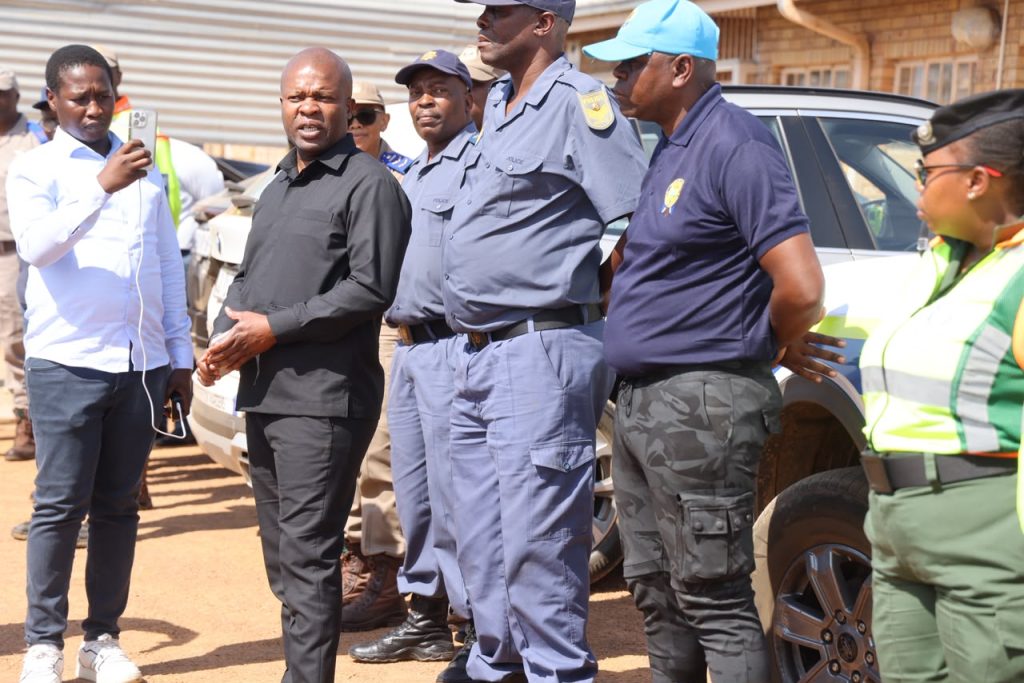
Suspected dagga, nyaope and abortion pills were among the prohibited substances uncovered during school safety searches across Gauteng on Wednesday, as Education MEC Lebogang Maile intensified a province-wide crackdown aimed at keeping drugs and other illegal items out of schools.

The latest South African Police Service (SAPS)-led search-and-seizure operations were conducted at Baleseng Junior Secondary School, Tiyelelani Secondary School, Ngaka Maseko Secondary School, Holy Trinity Secondary School and FR Smangaliso Mkhathwa Secondary School.

“The five schools bring the total number of Gauteng schools searched through the ongoing operations to 17,” the Gauteng Department of Education said. 

The department said a substantial quantity of dagga was found in the possession of a female learner, raising concerns that it could have been intended for distribution.

In another incident, a learner found carrying small packets of dagga reportedly told authorities that he had been recruited by a local drug dealer to sell the substance.

“These discoveries are extremely concerning. Our children must never be used as instruments for criminal activity,” Maile said.

“Those who target learners and use them to distribute drugs are attacking the future of our communities.”

The latest searches formed part of an increasingly aggressive school-safety drive by the GDE, with Maile working alongside SAPS and other law-enforcement structures to tackle substance abuse, gangsterism, dangerous items and criminal activity in schools.

The crackdown gathered momentum earlier this month, when police-led searches were conducted at schools in Carletonville and Orange Farm. 

The campaign was subsequently extended to Alexandra, where more than 100 prohibited items were reportedly seized from three high schools during an unannounced operation on 19 August. The searches followed concerns about crime and indiscipline at schools in the area. 

Operations were also conducted in Westbury, where authorities recovered suspected drugs, smoking-related items and other prohibited objects. The department has indicated that further searches would continue. 

“It takes a village to raise a child. Schools cannot confront these challenges alone,” Maile said.

The operations are linked to the department’s “It Takes a Village to Raise a Child” programme, which places collective responsibility on communities and institutions to safeguard children’s wellbeing.

The department said the searches will continue as part of efforts to strengthen discipline and prevent prohibited substances and other dangerous items from entering Gauteng schools.

“Parents, communities, law enforcement agencies, School Governing Bodies and government must work together to protect our children and ensure that schools remain safe and conducive environments for learning,” Maile said.

INSIDE EDUCATION

The post Gauteng school drug crackdown: Nyaope, dagga and abortion pills seized appeared first on Inside Education..
UCT student entrepreneurs reach national InnoVarsity final
Uncategorized

UCT student entrepreneurs reach national InnoVarsity final

By Levy Masiteng 

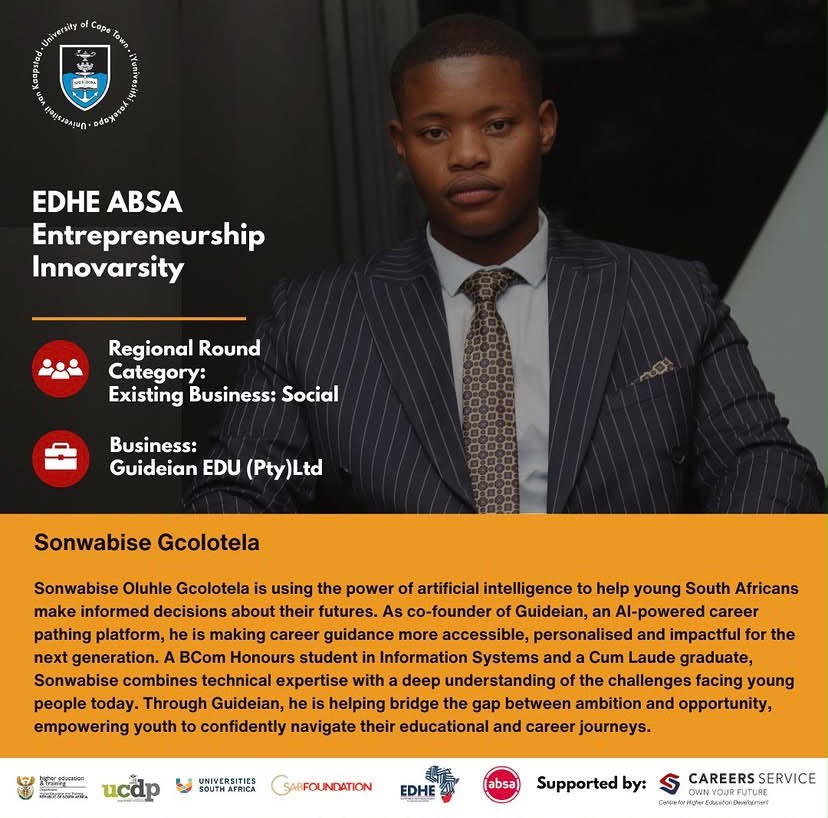
Two University of Cape Town (UCT) student entrepreneurs, Sonwabise Gcolotela and Kamogelo Mokale, are heading to the national final of the Entrepreneurship Development in Higher Education (EDHE) Absa Entrepreneurship InnoVarsity 2026 competition after impressing judges during the Western Cape regional round.

UCT announced the achievement on Tuesday, quoting Entrepreneurship InnoVarsity coordinator Nadia Waggie.

UCT said the regional competition was hosted by the Cape Peninsula University of Technology (CPUT) at the University of the Western Cape’s Innovation Hub from 19 to 20 August.

Gcolotela and Mokale emerged from a field of student entrepreneurs representing CPUT, UCT, the University of the Western Cape and Stellenbosch University, securing their places among the country’s top student entrepreneurs.

“We are so proud of Sonwabise and Kamogelo. They flew the UCT flag high, and we congratulate them on this outstanding achievement. Now, it’s heads down as they prepare for the final. We are behind them every step of the way,” said Waggie.

The pair will now set their sights on the national finals, scheduled for 26 November.

Mokale’s winning business, Vhutomi Trading Enterprise, was established in 2023 and is taking aim at South Africa’s reliance on imported castor oil.

ALSO READ: CCTV and alibis take centre stage in Reiger Park killings bail bid

UCT said the business grows castor plants with the long-term goal of manufacturing value-added products, including castor oil and castor-based derivatives for the cosmetics, pharmaceutical and industrial sectors.

The idea is also rooted in agriculture and rural development, with the business seeking to create sustainable opportunities for local farmers and rural communities while contributing towards greater local production.

Meanwhile, Gcolotela’s Guideian uses artificial intelligence to tackle another challenge facing young South Africans: navigating education and the world of work.

The platform is designed to help young people access career guidance and assess their job readiness. It combines local labour-market information with users’ academic results and personal interests to recommend career pathways that align with their profiles.

“These business ideas speak for themselves. They are innovative and are solving real challenges, and judges were impressed with the pitches. We wish Sonwabise and Kamogelo the very best as they prepare for the national finals,” Waggie said.

The regional round put the student entrepreneurs under intense pressure, with contestants given just three minutes to pitch their business ideas before facing questions from a judging panel.

EDHE uses category-specific criteria to assess entrants, including factors such as innovation, market relevance, business models, scalability, financial viability, impact and the quality of the presentation, depending on the category.

The EDHE Absa Entrepreneurship InnoVarsity is designed to identify and showcase promising student entrepreneurs from South Africa’s 26 public universities, while giving young founders opportunities to develop and grow their businesses.

According to UCT, the 2026 competition features five categories: Existing Business — Tech; Existing Business — Social Impact; Existing Business — General; Commercialisation of Academic Research; and Innovative Industries.

Mokale is competing in the Existing Business — General category, while Gcolotela is competing in Existing Business — Social Impact.

The competition is backed by a substantial prize pool.

EDHE says category winners will each receive R100,000, while first and second runners-up will receive R40,000 and R20,000 respectively.

The overall Studentpreneur of the Year 2026 will receive a further R400,000, taking the total prize money available across the competition to R1.2 million.

ALSO READ: Freight bodies call for Durban port recovery plan after 26% throughput drop

The overall award is selected from winners of the existing-business categories, meaning both Gcolotela and Mokale could be in contention for the R400,000 top prize if they win their respective categories.

Before the national final, finalists are due to take part in a two-day bootcamp on 15 and 16 October, followed by one-on-one business coaching through a mentorship programme running from 19 October to 20 November.

EDHE says the coaching is intended to provide finalists with personalised guidance and feedback as they prepare their businesses and presentations for the national stage.

A further mentoring session is scheduled for each finalist after the competition.

The competition also gives emerging entrepreneurs exposure, recognition and opportunities to build connections that can help their businesses attract potential customers, investors and strategic partners.

INSIDE EDUCATION

The post UCT student entrepreneurs reach national InnoVarsity final appeared first on Inside Education..

Hlomuka tells KZN matrics to make final 50 days before final exams count
Uncategorized

Hlomuka tells KZN matrics to make final 50 days before final exams count

By Levy Masiteng 

KwaZulu-Natal Education MEC Sipho Hlomuka has told the province’s Class of 2026 to make every remaining day count, warning that success in the matric exams will not come from a last-minute rush but from consistent preparation.

Hlomuka made the call on Tuesday, at Estcourt High School in the uThukela District, where he marked the 50-day countdown to the 2026 National Senior Certificate (NSC) examinations.

ALSO READ:  Inspector sent to probe Reiger Park school sanitation

“The road to matric success is paved with consistent effort, not last-minute rushes,” he said. 

Hlomuka said learners should use the countdown to revise consistently and take advantage of the support programmes offered by the provincial education department.

He said the department’s learner-support interventions included holiday camps, winter classes, extra classes, weekend programmes and revision materials.

“Cheating robs not only yourself but the entire system of its credibility,” Hlomuka said. 

The countdown comes as KwaZulu-Natal prepares to defend its position as the country’s top-performing province after recording the best matric pass rate in the 2025 NSC exams.

Hlomuka reminded learners that they were carrying the responsibility of maintaining that achievement, with six KZN districts having featured among the 10 best-performing districts nationally in 2025.

ALSO READ: AI, climate change force rethink of how SA trains architects

The uThukela District, where Tuesday’s countdown event was held, also improved its pass rate from 85% in 2024 to 86.2% in 2025. Of the 12,121 learners who wrote the examinations in the district last year, 10,450 obtained the NSC. 

“Today we are here to hand over that baton of excellence,” Hlomuka said.

He called on parents and guardians to create supportive environments at home, monitor learners’ progress and encourage them to participate in the department’s various examination preparation programmes.

The 2026 NSC exams are scheduled to begin on 13 October and run until 25 November. 

“To the Class of 2026: the entire country’s eyes are upon you. For the first time, you are the province everyone is chasing. Make every one of the 50 days count. Make us proud!” Hlomuka said. 

INSIDE EDUCATION

The post Hlomuka tells KZN matrics to make final 50 days before final exams count appeared first on Inside Education..

Uncategorized

Flyfofa aviation learners sent home temporarily as NSF reviews funding, compliance issues

By Lebone Rodah Mosima

Learners currently enrolled in a National Skills Fund-funded aviation training programme are being required to temporarily return home after Flyfofa Aviation Training suspended training amid unresolved contractual and funding matters.

The NSF said on Sunday that concerns over the verification of training progress, supporting documentation for expenditure and compliance with the conditions of its funding agreement with Flyfofa had materially affected the continued implementation of the project.

“The NSF wishes to assure all affected learners and their families that it remains committed to supporting the successful completion of the learners’ aviation training and qualifications,” the fund said.

“At the same time, the NSF has a legal and fiduciary responsibility to ensure that public funds are managed responsibly, transparently, and in accordance with applicable legislation, financial regulations, and the terms of the funding agreement.”

In 2024, the NSF approved funding for an aviation training programme intended to benefit 390 learners over a 31-month period.

The NSF previously said R148 million had been approved for the Flyfofa programme, which covers Private Pilot Licence training, advanced pilot hour building, drone pilot and cabin crew training.

The 390 figure refers to the number of learners the programme was intended to benefit over its full duration.  

“Since implementation commenced in early 2025, the NSF has undertaken ongoing monitoring and verification of the programme, as required for all projects funded from public resources,” the NSF said.

“During this process, a number of material concerns and discrepancies were identified relating to project implementation, accreditation and aviation approval, reporting, expenditure, and the verification of certain training milestones.”

The NSF said it subsequently engaged Flyfofa on several occasions and requested explanations, supporting documentation and evidence to address the concerns.

It said the matters required careful assessment and due diligence, particularly where they related to the expenditure of public funds and whether payments could be supported by verified deliverables.

The NSF said concerns regarding the verification of training progress, supporting documentation for expenditure and compliance with the conditions of the funding agreement had materially affected the continued implementation of the project.

“The NSF wishes to clarify that the disruption of training did not result from a decision by the NSF to abandon learners or cancel their future training opportunities,” the NSF said.

“Flyfofa halted training during August 2026 amid unresolved contractual and funding matters, including requests that require further consideration through the appropriate governance processes.”

Acting Chief Executive Officer of the NSF Melissa Erra said the fund could not approve additional financial commitments or variations outside established procedures simply to speed up a decision.

“The NSF cannot approve additional financial commitments or variations outside established procedures simply to expedite a decision. Any such request must be properly assessed and subjected to the necessary governance and approval processes and the NSF has undertaken this with urgency to ensure student protection,” Erra said.

The NSF expressed regret over the distress and uncertainty caused to learners and their parents, particularly regarding accommodation and the continuation of their studies.

It said it had intervened after learners faced an immediate risk of eviction from accommodation provided through a third party appointed by Flyfofa.

The fund engaged relevant parties to prevent the immediate eviction of learners during August while internal processes relating to outstanding training matters were being addressed by Flyfofa.

Following Flyfofa’s continued suspension of training, the NSF said currently enrolled learners were required to return home temporarily while remedial and governance processes were undertaken and outstanding matters affecting the programme were resolved.

The fund said aviation industry requirements needed to be in place so that students could train safely and build flight hours.

The NSF has appointed an aviation expert to assess the programme’s progress to date and its suitability for the continuation of pilot training.

It said continuing to spend public funds on activities not linked to active and verifiable training would raise serious financial and governance concerns.

The NSF said it had a responsibility to prevent unauthorised, irregular, fruitless and wasteful expenditure.

“The decision to direct learners to vacate the accommodation by or before end of August 2026 is therefore intended to preserve available funding for the learners’ actual training and eventual completion of the programme.”

The NSF confirmed that learners had received their stipends up to the end of July 2026.

“Returning home temporarily does not mean that the NSF is withdrawing its commitment to their training. On the contrary, our priority remains to find a lawful, sustainable and financially responsible way of ensuring that learners are able to complete the training for which funding was originally approved in a manner that is compliant to the aviation sector standards for their safety and licences,” Erra said.

The NSF said it was continuing processes aimed at resolving the matters affecting the Flyfofa programme within the next 30 days.

These include considering outstanding contractual and compliance issues, verifying information and engaging relevant stakeholders to determine the most appropriate way forward.

The NSF said the outcome of the process and the programme’s readiness to resume training would be communicated to learners and other stakeholders once approved by its Accounting Authority.

“Any future decisions will be guided by the need to protect the interests and future of learners while ensuring full compliance with the NSF’s governance and financial management obligations,” the NSF said.

Flyfofa did not respond to requests for comment from Inside Education.

INSIDE EDUCATION

The post Flyfofa aviation learners sent home temporarily as NSF reviews funding, compliance issues appeared first on Inside Education..
Uncategorized

R19m cellphone repair programme puts 25 entrepreneurs in business in Sebokeng

By Charmaine Ndlela

Higher Education and Training Minister Buti Manamela has officially handed over fully equipped cellphone repair containers to 25 entrepreneurs in Sebokeng, as part of a R19 million programme aimed at turning technical skills into sustainable businesses and employment opportunities.

The handover ceremony took place at the Saul Tsotetsi Sports Complex on Monday and forms part of the Cellphone Repair Skills Programme, which seeks to equip 500 disadvantaged South Africans with practical cellphone repair skills and business opportunities.

The broader initiative provides for 50 fully equipped business containers, with the latest handover benefiting an additional 25 entrepreneurs.

The programme is being implemented by the Wholesale and Retail Sector Education and Training Authority (W&RSETA), in partnership with the South African Mobile Devices Distributors and Repairers Association (SAMDDRA), under the W&RSETA Small, Medium and Micro Enterprise (SMME) Development Programme.

Since its introduction in 2024, the programme has trained 326 South Africans against a target of 500 beneficiaries.

The three-month practical training programme equips participants with cellphone repair skills while preparing them to establish and operate businesses in their own communities.

Speaking at the handover, Manamela said government was committed to expanding the initiative and would seek to support at least 25 more entrepreneurs in the new year.

“The commitment that has been made by government and SETA is that they will expand, they will extend this commitment to a minimum of 25 more in the new year,” he said.

Manamela also challenged other Sector Education and Training Authorities (SETAs) to collaborate with W&RSETA to expand the programme and explore funding opportunities beyond government.

“This is a challenge to the rest of the other SETAs to collaborate with Wholesale and Retail SETA. Why should we only look for money within the state?”

He said the private sector, particularly telecommunications companies and mobile device manufacturers, should be brought into efforts to support young entrepreneurs entering the cellphone repair industry.

“The private sector, the telecoms companies, the manufacturers of that are endorsing some of the products and want to be specialists in those,” Manamela said.

According to the Minister, the cellphone repair industry has significant potential to create opportunities for young people, women and persons with disabilities.

“We need to support the rest of the young people who want to do business, men and women, who want to contribute to employment creation, who also want to make an impact in their communities and ensure that they have a sustainable life,” he said.

Manamela said the demand for mobile technology services demonstrated the need to expand the skills pipeline.

He referred to an estimate presented by the Association of Mobile Distributors that suggested demand for about 20,000 mobile technology technicians.

“He estimates that 20,000 mobile technologies are in demand. And so that’s something that we need to ensure that we address,” he said.

The minister said the programme also demonstrated the important role small businesses could play in tackling unemployment.

“The National Development Plan targets 11 million jobs coming out of small businesses,” he said.

The National Development Plan’s employment target is to create 11 million additional jobs by 2030, while envisaging that about 90% of new jobs would come from small and expanding firms.

The minister said beneficiaries should not only be viewed as recipients of training and equipment, but as emerging business owners capable of creating jobs themselves.

“I was trying to hear from each of the businessmen and women… at least each of them have employed some additional persons. Some of them even went on to employ two people in their businesses,” he said.

Manamela said the programme could also create opportunities beyond cellphone repairs, particularly in electronic waste management.

“There are also other things which they’ve mentioned, which I think we should not underestimate, the potential that their businesses have, expanding into e-waste, which is green jobs,” he said.

He acknowledged that some beneficiaries had raised concerns about competition within the industry and said government needed to ensure that trained entrepreneurs were supported to build sustainable businesses.

“What it means is that we need to support them, that there might be equality, something that’s guaranteed, something that’s endorsed, something that’s also a decent place to work and get yourself fixed,” he said.

Manamela said the fact that some beneficiaries were operating from their homes should not be viewed as a limitation.

“There’s no reason why it can’t be their home,” he said.

He also drew parallels between the cellphone repair programme and the township spaza shop economy, saying skills should determine who participates in small business rather than race, gender or age.

“Any person, given the right skills and trade, can run a spaza shop. It’s not something that’s designated to a particular race or a particular gender or a particular age,” he said.

He said the same principle should apply to cellphone repair businesses and other enterprises in the township economy.

“As long as you’re given the necessary skills, spaza shops have been there historically in our communities,” Manamela said.

Manamela said the success of the cellphone repair programme could provide a model for broader small-business development if government and its partners were able to replicate it in other communities.

“If this model works, and it has worked in the past, it means that our investment into small business development will begin to yield results in terms of employment,” he said.

Beneficiaries are based in several parts of the country, including Gauteng, KwaZulu-Natal and Limpopo, with locations including Sebokeng, Soshanguve, Polokwane and Umlazi.

Manamela said the programme should be expanded to communities that had not yet benefited.

“If they succeed, we have a model that we can replicate,” he said.

He also called on communities to support the trained technicians by using their services instead of opting for cheaper repairs from unqualified individuals.

“These are qualified. These have the necessary skills. Some of them have been in the trade for quite some time,” he said.

The minister said the next phase of the programme should focus on helping beneficiaries sustain and diversify their businesses, while creating more employment opportunities.

“We must not just invest into the business, but look at various possible ways of diversifying their businesses,” he said.

INSIDE EDUCATION

The post R19m cellphone repair programme puts 25 entrepreneurs in business in Sebokeng appeared first on Inside Education..

Uncategorized

Navalsig crowned Free State Kay Motsepe U19 champions

By Levy Masiteng 

Navalsig High School are the new Free State Kay Motsepe Schools Football U19 provincial champions after defeating Ntsu Secondary in a thrilling provincial final at the University of the Free State in Bloemfontein.

The provincial showdown over the weekend brought together 18 schools for a day of high-quality school football.

Navalsig produced the performance that mattered most, overcoming Ntsu Secondary to secure the championship and earn the right to represent the Free State at the national Kay Motsepe Schools Football Finals.

The victory was rewarded with a R150,000 cheque, trophy and gold medals.

The triumph adds another significant achievement to Navalsig’s growing football reputation. 

Earlier this year, the Bloemfontein school impressed at the Absa Wildeklawer Soccer Tournament, defeating Northwood 3-1 in the group stages. 

Now, however, their attention will turn to the national stage.

Navalsig will carry the Free State flag at the National Kay Motsepe Finals in Soshanguve from 25 to 30 September 2026, where the country’s top school teams will battle for national honours.

The prize on offer at that stage is enormous, with the U19 national champions set to receive R3 million, according to the Free State Department of Education.

INSIDE EDUCATION

The post Navalsig crowned Free State Kay Motsepe U19 champions appeared first on Inside Education..