Uncategorized

Inspector sent to probe Reiger Park school sanitation

By Charmaine Ndlela

A works inspector has been dispatched to Reiger Park Secondary School in Boksburg to assess concerns over inadequate ablution facilities and access to drinking water, as pressure mounts over the conditions faced by more than 2,000 learners.

Gauteng MEC for Education, Sport, Arts, Culture and Recreation, Lebogang Maile, confirmed that the department is investigating the state of the school’s water and sanitation infrastructure following concerns raised about conditions at the school.

The department said a works inspector has been sent to assess the ablution facilities and water infrastructure, with the findings expected to determine the intervention required.

ALSO READ: R19m cellphone repair programme puts 25 entrepreneurs in business in Sebokeng

The move comes after reports highlighted severe infrastructure challenges at the school, where learners said only a handful of functioning toilets were available.

The school has also reportedly experienced problems with access to drinking water, with learners allegedly turning to fire hydrants to access water.

eNCA reported that learners complained of limited access to drinking water and that only a few toilets were functioning for boys and girls. In a subsequent report, an unidentified source told the broadcaster that the only running taps were in the staff room and that learners could not access them.

The source also said learners sometimes had to wait for extended periods to use the functioning toilets, with the situation reportedly worse during break times.

However, School Governing Body chairperson Charona Louw disputed suggestions that the problems had gone unattended, telling eNCA that the school had repeatedly repaired damaged facilities.

“We have been fixing the taps almost every month,” Louw said.

“Things are being broken by the same learners vandalising the taps and toilets,” she added.

Louw also disputed learners’ claims that the problems had persisted for three months and said the matter had been escalated to the GDE’s district office.

Maile said the department was taking the concerns seriously and would determine whether the issues could be addressed through routine maintenance at school level or required further intervention from the department.

ALSO READ: Dangerous weapons, drugs confiscated in Westbury

“Every learner has a right to learn in a safe, dignified and conducive environment. Functional sanitation and access to water are fundamental requirements in our schools, and concerns relating to these facilities must receive the necessary attention,” he said.

The MEC’s response comes despite the department having undertaken significant maintenance and repair work at the school in May 2025.

According to the department, Head Office Infrastructure completed major maintenance aimed at restoring infrastructure that had been vandalised.

The work included repairs to ablution facilities, the replacement of sanitary components and sewer pipes, and repairs to drinking-water fountains.

The department also replaced or repaired windows, doors, flooring and ceilings, while classrooms received maintenance to doors, windows, ceilings and floor coverings.

Roof repairs were undertaken, new security gates were installed and the school’s perimeter fence was replaced.

The latest assessment will therefore seek to establish the current condition of the infrastructure, the extent of any subsequent damage and whether further work is required.

The department said schools receive funding under the National Norms and Standards for School Funding from which provision can be made for maintenance of buildings, grounds and equipment. The precise maintenance responsibilities of individual schools can also depend on the functions allocated to their governing bodies under the South African Schools Act.

“In line with the National Norms and Standards for School Funding, schools receive funding from which provision is made for the maintenance of school buildings, grounds and equipment,” the department said in a statement.

The MEC also raised concerns about the impact of vandalism on school infrastructure, warning that damage to facilities places additional pressure on already limited resources.

“We must also protect the infrastructure provided to our schools. Vandalism places additional pressure on resources that should be used to improve teaching and learning. School communities must work with us to safeguard public infrastructure for the benefit of learners,” Maile said.

INSIDE EDUCATION

The post Inspector sent to probe Reiger Park school sanitation appeared first on Inside Education..
Uncategorized

AI, climate change force rethink of how SA trains architects

Staff Reporter

The country’s architecture regulator will bring academics, students, government officials and international regulatory leaders to Cape Town next month to examine whether architectural education and professional training are keeping pace with technological, environmental and social change.

The South African Council for the Architectural Profession (SACAP) will hold its inaugural Education Conference at the University of Cape Town’s Beattie Building on 10 and 11 September  under the theme Architecture in Changing Times.

ALSO READ: Dangerous weapons, drugs confiscated in Westbury

The conference will focus on architectural curricula, workplace training and the transition from university into professional practice, as well as the impact of artificial intelligence, climate change and digital technologies on the profession.

SACAP President Charles Nduku said the changes facing the sector required closer cooperation between universities, regulators and industry.

“Architecture is being reshaped by forces that no institution can address alone. We must ensure that our education, training and regulatory systems prepare professionals who can respond to changing social, environmental and technological realities while serving the public with competence, integrity and care,” said Nduku.

A key focus will be the pathway from architectural studies into professional registration, including workplace experience, mentorship and barriers facing emerging professionals seeking to enter the profession.

“South Africa cannot discuss the future of architecture without considering the people who must build that future,” said Nduku.

“Young professionals need a credible pathway from the lecture room into professional practice. This requires closer cooperation between universities, regulators, government and industry, as well as a serious commitment to mentorship, transformation and professional development.”

The conference comes as higher education institutions and professional bodies grapple with the growing influence of artificial intelligence and other digital technologies on how professionals are trained and how work is carried out.

Human Settlements Minister Thembi Simelane is expected to deliver the keynote address, with discussions also expected to cover the role architects play in responding to housing, infrastructure and spatial-development challenges.

A number of international architecture and regulatory figures are expected to participate.

They include Professor Ashraf M. Salama, Professor of Architecture and Urbanism and Head of the School of Architecture and the Built Environment at Northumbria University in Britain; Dong Wang, Director General of the Eco-city Design Centre at TURENSCAPE and Deputy Director of the Nature-based Solutions Innovation Center at Peking University in China; Hugh Simpson, Chief Executive and Registrar of Britain’s Architects Registration Board; and Michael Armstrong, Chief Executive Officer of the US-based National Council of Architectural Registration Boards.

Western Cape Infrastructure MEC Tertuis Simmers is also scheduled to participate.

SACAP said the international representation would allow South African academics, students and professionals to compare approaches to architectural education, professional registration and regulation with those used elsewhere.

Nduku said discussions about education and professional standards ultimately had consequences beyond universities and architectural practices.

ALSO READ: Clapham High becomes Gauteng’s 40th School of Specialisation 

“The future of architecture must ultimately be discussed in human terms,” Nduku said.

“It is about whether people live in safe homes, whether public buildings serve communities properly and whether the places we design can withstand the pressures ahead. This conference must help us identify what needs to change and translate those discussions into action.”

SACAP said it expected the two-day gathering to produce recommendations on architectural education, professional regulation and industry practice.

The outcomes would also be used to inform the council’s strategic planning and its engagement with universities, government, industry and international professional bodies.

INSIDE EDUCATION

The post AI, climate change force rethink of how SA trains architects appeared first on Inside Education..

Second North West school fire in days leaves MEC seething
Uncategorized

Second North West school fire in days leaves MEC seething

By Lebone Rodah Mosima

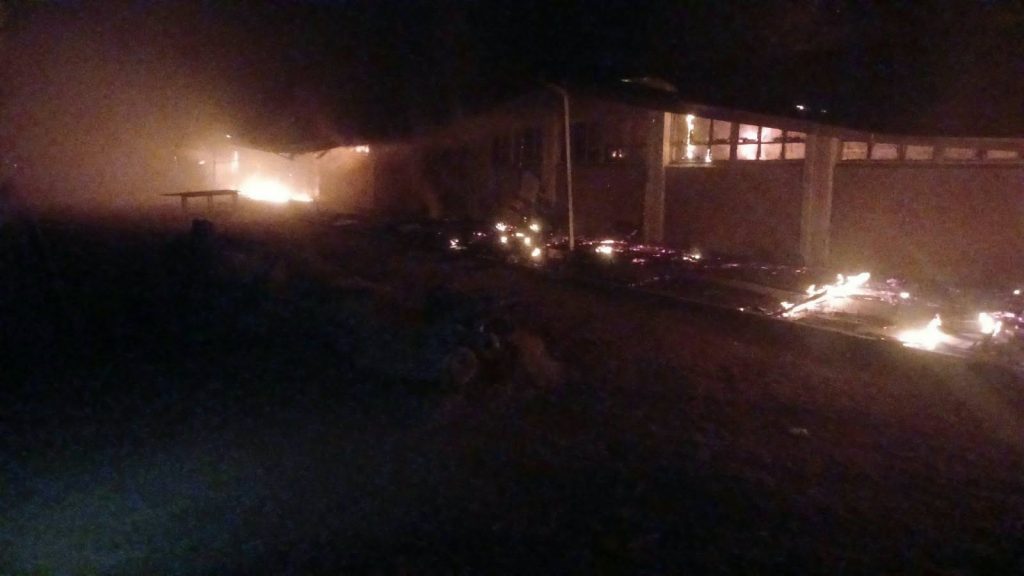
Five workshops and a storeroom have been destroyed in a fire at Sewagodimo Technical School in Pella Village, the second North West school to be hit by a major blaze in three days.

North West Education MEC Dr Desbo Mohono condemned the “barbaric incident”, saying the destruction of school infrastructure placed more pressure on the department’s limited resources.

The North West Department of Education said the school held a camp for matriculants over the weekend, with classes ending on Sunday afternoon.

 “Following the camp, a parents’ meeting was held and ended at 4pm. The educators left the school premises at 5:00pm,” the department said.

“At 5:53pm, the school management was alerted to a fire at the school. Management immediately contacted the South African Police Service and firefighters, who were dispatched to the scene. By the time they arrived, the fire was in its final stages of burning.”

The department said the cause of the fire remained unknown and investigations were under way to determine what led to the incident.

All five workshops, each comprising a storeroom and a classroom, were reportedly completely destroyed by the fire.

A separate storeroom located outside the block was also burnt down.

The incident followed another school fire at Matlhare Mokautu Secondary School in Monakato Township on Friday, where a school hall was burned down.

 “The burning of school properties is robbing our future generations of valuable educational resources, and I have repeatedly highlighted that the government has limited resources,” the MEC said.

The cause of the Sewagodimo fire has not yet been established, while the Matlhare Mokautu fire is being investigated as suspected arson.

Sunday’s fire comes just over two weeks after the North West Legislature’s Portfolio Committee on Education visited Sewagodimo Technical School in early August as part of an oversight programme.

The committee reported ageing infrastructure, dysfunctional toilets, broken doors and windows and inadequate perimeter fencing at the school.

Mohono said the department already had a backlog of schools that needed to be built and renovated across the province.

She said this had forced the department to redirect resources to repair schools that had previously been in good condition.

“I am calling on the community to provide information to the South African Police Service so that those responsible for this barbaric incident can be brought to book,” she said.

The department said it would dispatch a team of inspectors on Monday to assess the extent of the damage.

INSIDE EDUCATION

The post Second North West school fire in days leaves MEC seething appeared first on Inside Education..

North West learner crowned 1st Princess at Little Miss Universe pageant
Uncategorized

North West learner crowned 1st Princess at Little Miss Universe pageant

By Lebone Rodah Mosima

Ten-year-old Warona Setsome from R.B. Dithupe Intermediate School in Welbedacht Township has been named 1st Princess in the Little Miss Universe category after competing at the international pageant in the Philippines.

Her mother and manager, Kedijang Hendrietta Setsome, said Warona’s achievement followed a rapid rise in modelling after she recognised her daughter’s interest and decided to support her ambitions.

ALSO READ: AI, climate change force rethink of how SA trains architects

“What started as a young girl’s interest in modelling has grown into something much bigger,” Setsome said.

“I saw her potential and decided to nurture it, supported her and gave her every opportunity to grow.”

Setsome said she had watched her daughter develop not only as a model but also as a confident young girl who understands the importance of using her voice and platform positively.

The journey to the international competition was not without challenges, with Warona becoming ill during the pageant.

“[D]espite not feeling her best, she showed incredible determination,” Setsome said.

“She continued to participate and represented herself, her family, the North West, and South Africa with grace, discipline, and commitment. She gave every activity her absolute best and carried herself with such strength and professionalism.”

Setsome said watching her daughter push through the difficult period and continue competing made her particularly proud.

The North West Department of Education said Warona’s progress had been remarkable given the short time she had been involved in modelling.

“Warona only started modelling in 2025 and within a very short space of time she has had the opportunity to walk for international fashion shows and designers, participate in events, develop her skills as a motivational speaker to children, and became a host and young public figure,” the department said.

North West Education MEC Desbo Mohono congratulated Warona, saying the achievement was a source of pride for her family, school, community and the province.

“We are extremely proud of her for representing the North West and South Africa with distinction on an international stage,” she said.

Mohono said Warona’s achievement demonstrated the talent and potential of young people in the province, pointing to another recent international success by a North West learner.

“Last month, we had Mbulelo Tolom from Klerksdorp, who represented the North West and the entire country in the Spelling Bee competition held in China, where he obtained sixth position.”

ALSO READ: Public Protector launches student accommodation investigation

She said both achievements showed that young people from the province were capable of competing internationally across different fields.

“On behalf of the North West Department of Education, I extend our warmest congratulations to Warona,” she said.

“May this achievement inspire her to continue pursuing her dreams and encourage other young learners to believe in themselves and strive for excellence.”

Mohono also congratulated Warona’s parents, teachers and others who supported her throughout her journey, saying their encouragement and commitment had played an important role in helping her reach the milestone.

INSIDE EDUCATION

The post North West learner crowned 1st Princess at Little Miss Universe pageant appeared first on Inside Education..

Western Cape matrics gear up for trial exams as NSC countdown begins
Uncategorized

Western Cape matrics gear up for trial exams as NSC countdown begins

By Charmaine Ndlela 

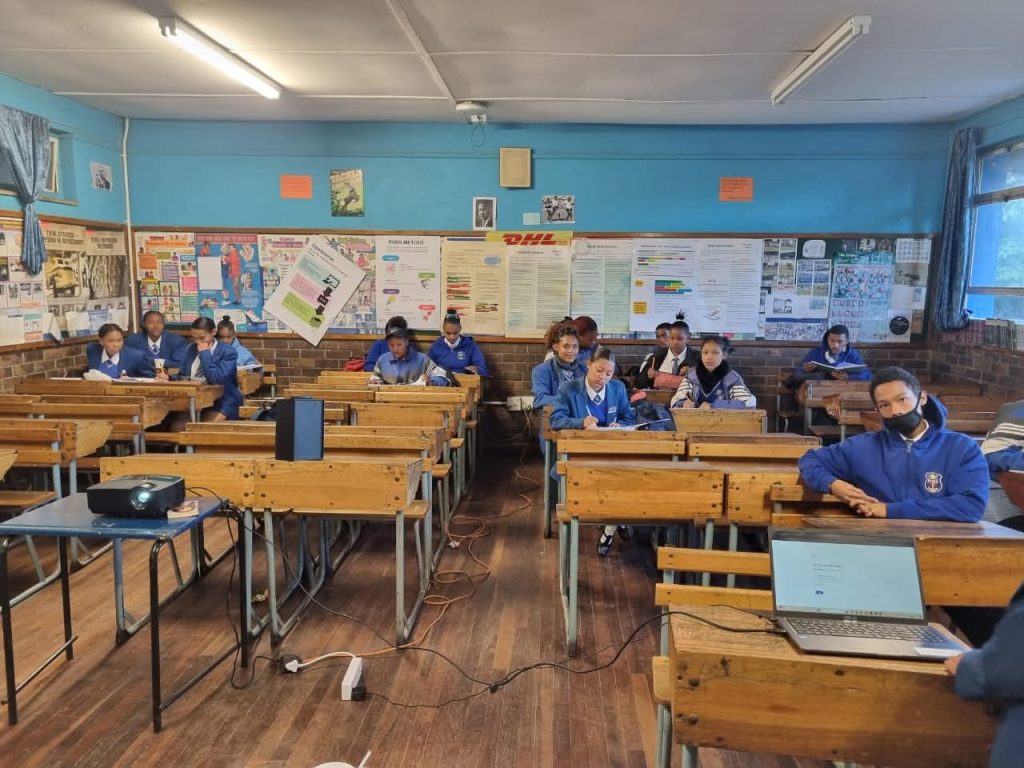
More than 70,000 Western Cape matriculants are preparing to begin their trial examinations on Wednesday, as they enter the final stretch of preparation for the 2026 National Senior Certificate (NSC) examinations.

The Western Cape Education Department’s trial examination period is scheduled to run from 26 August to 23 September, giving Grade 12 learners an opportunity to assess their readiness and identify areas requiring further revision before the final examinations begin in October.

Western Cape Education MEC Jaco Londt wished the Class of 2026 well ahead of the exams.

“These examinations are an important milestone in a matriculant’s academic year as they prepare for the final National Senior Certificate examinations,” Londt said.

He said the trials would allow learners to assess their academic progress, identify their strengths and determine which areas require additional focus before sitting for the final NSC examinations.

The WCED is encouraging learners to make use of academic and wellbeing support available through its matric support platforms as they prepare for both the trial and final examinations.

Learners can access past examination question papers and memoranda, study guides, revision materials, subject-specific academic support and study tips.

The department also provides access to Telematics Schools Project videos for Grade 12 learners, information on funding for further studies, health and wellbeing support, as well as free internet and related services through WCG eCentres.

“I hope every learner approaches these examinations as a valuable learning opportunity. Stay focused, remain disciplined, and have confidence in your ability to succeed,” Londt said.

The province is seeking to build on the performance of the Class of 2025, which recorded its highest-ever NSC pass rate of 88.2%, alongside its highest-ever bachelor’s pass rate of 49.2%.

The department has said that it wants to place greater emphasis on the quality of matric results rather than focusing only on the overall pass rate.

ALSO READ: Second North West school fire in days leaves MEC seething

Then-Western Cape Education MEC David Maynier said in January that the province wanted to raise its bachelor’s pass rate to more than 60% over time, while also increasing the number and proportion of learners achieving 60% and above in Mathematics and Physical Sciences.

The WCED’s formal 2026/27 annual performance target for the bachelor’s pass rate is 49.5%, with further improvements planned in subsequent years.

The longer-term targets are aimed at increasing the number of learners who leave school with results providing access to degree-level studies and broader opportunities after matric.

Maynier, speaking at the province’s 2025 NSC awards in January, said improving the quality of education outcomes would require a sustained focus on performance.

“We must commit to excellence, and we must deliver excellence, in education in the Western Cape,” he said.

The department has urged learners to remain disciplined and confident as they prepare for the final NSC examinations.

ALSO READ: Manamela steps in as arson, violent student protests shut down CPUT campuses

“The Western Cape is behind you every step of the way. Good luck, work hard, and make yourselves proud!” Londt said.

The final 2026 NSC examination programme is scheduled to begin on 13 October and conclude on 26 November.

INSIDE EDUCATION

The post Western Cape matrics gear up for trial exams as NSC countdown begins appeared first on Inside Education..

Uncategorized

Dangerous weapons, drugs confiscated in Westbury

By Marcus Moloko

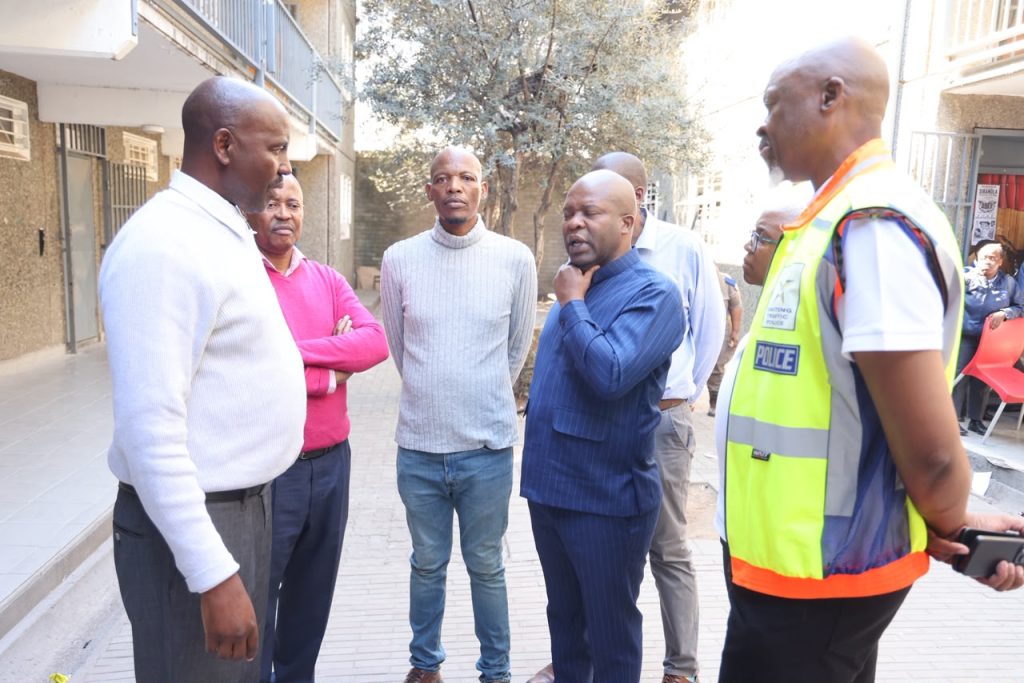
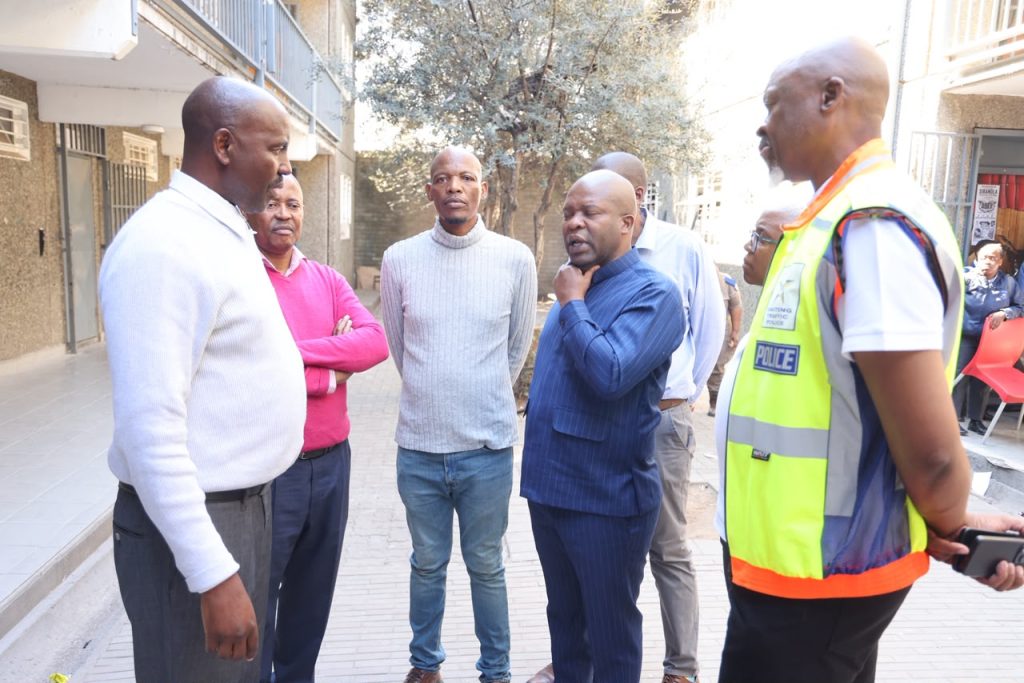
Gauteng MEC for Education, Sport, Arts, Culture and Recreation, Lebogang Maile, joined South African Police Service-led search and seizure operations at schools in Westbury today, as part of intensified efforts to curb substance abuse and dangerous weapons on school premises.

Maile confirmed that authorities confiscated some concerning items.

At one school, officials recovered 20 vapes, 20 smoking substances, five matchboxes, three Okapi knives, 18 packets of suspected dagga, two tasers, and two additional items recorded as “sings.”

ALSO READ: Clapham High becomes Gauteng’s 40th School of Specialisation 

At another school, police seized 16 vapes, six smoking substances, four matchboxes, three sachets of suspected dagga, one dagga joint, a knuckle duster, and two knives. Additional items included screwdrivers, lighters, unidentified pills, and a two-litre bottle of Sprite allegedly mixed with codeine, known as lean.

Maile said the scale of the confiscations clearly indicated that schools must remain safe spaces for learning.

“he community of Westbury has experienced serious safety challenges, and our schools cannot be allowed to become spaces where dangerous weapons, drugs, and other harmful substances are tolerated. Schools must remain safe and conducive environments for teaching and learning,” Maile said.

He labelled the operations as part of a broader intervention to restore discipline, strengthen accountability, and ensure schools remain secure.

“The safety of our schools cannot be separated from the safety of the communities in which they are located. We therefore need parents, families, community leaders and residents of Westbury to work alongside the South African Police Service, the Department and other law enforcement agencies to protect our children,” he said.

The Department confirmed that school safety interventions will continue, with community involvement seen as critical to preventing prohibited substances and weapons from reaching learners.

INSIDE EDUCATION

The post Dangerous weapons, drugs confiscated in Westbury appeared first on Inside Education..

Dube-Ncube calls for private sector, NGOs to back Higher Health Comfort Rooms
Uncategorized

Dube-Ncube calls for private sector, NGOs to back Higher Health Comfort Rooms

By Lebone Rodah Mosima

Deputy Minister of Higher Education and Training Dr Nomusa Dube-Ncube has called on NGOs and the private sector to support Higher Health’s Comfort Rooms, saying a coordinated response to gender-based violence (GBV), mental health challenges and HIV is essential to student wellbeing.

Dube-Ncube was speaking on Thursday at the launch of the first Comfort Room in the Post-School Education and Training (PSET) sector, held in partnership with Higher Health and Ekurhuleni East TVET College at its Springs Campus in Johannesburg.

She described the Comfort Room as a safe space where students can seek support without fear of judgement.

“Higher Health has built something simple, and therefore something powerful: a room. Not a policy document. Not a committee. A room – four walls, a door that closes, and people inside trained to listen without judgement,” she said.

Dube-Ncube said the rooms will provide access to Survivor Clubs for students who have experienced GBV, Transforming Mentalities Clubs, peer forums for young people living with HIV, mental health conversations, self-risk assessments and referral pathways.

ALSO READ: In Pictures: Alexandra school raids uncover suspected drugs and vapes as Gauteng safety crackdown intensifies

She said the initiative is peer-led, allowing young people to support others who may be more comfortable speaking to someone with similar experiences.

“This room is not an island. No single institution can carry gender-based violence, HIV and mental illness alone,” she said.

“The Comfort Room is where a student first finds the courage to speak, is received with care, and is then walked – not merely referred – into the nearest Thuthuzela Care Centre or the appropriate department for further support.”

She said Higher Health, together with the department, is working to establish Comfort Rooms at universities, TVET colleges and Community Education and Training (CET) colleges across the country.

Dube-Ncube called on NGOs to contribute their counselling and GBV-response expertise, while urging the private sector to fund Comfort Rooms, sponsor counsellors and donate furniture and connectivity.

“Government and Higher Health cannot carry this alone either. I issue a clarion call today, particularly to our NGOs and the private sector: this is your moment to step forward,” she said.

She said skills development must be accompanied by mental wellbeing, arguing that producing technically skilled graduates who struggle with their mental health would undermine the country’s skills revolution.

“Skills and wellbeing are not two projects. They are one,” she said.

Dube-Ncube said more than 850,000 self-risk assessments had been completed across GBV and mental health programmes, demonstrating that young people respond honestly when given appropriate opportunities to speak.

She called on universities, TVET and CET colleges to introduce confidential wellbeing screening during the first week of students’ academic lives, alongside registration and orientation.

“Catch it at year one, and you very often prevent the crisis of year three,” she said.

ALSO READ: Manamela steps in as arson, violent student protests shut down CPUT campuses

She also described the Comfort Room as an important human space in an increasingly digital and isolated world.

Dube-Ncube said she hoped that within five years, Comfort Rooms would be as common on South African campuses as libraries and would be free from stigma.

She said the success of the initiative would ultimately be measured not by its launch, but by whether students felt safe enough to use it.

“But the true opening of this room will not happen with scissors and ribbon. It will happen the first time a student, alone and afraid, chooses to walk through that door instead of walking past it,” she said.

“Let us build a post-school system where that choice is always made a little easier.”

INSIDE EDUCATION 

The post Dube-Ncube calls for private sector, NGOs to back Higher Health Comfort Rooms appeared first on Inside Education..
Clapham High becomes Gauteng’s 40th School of Specialisation 
Uncategorized

Clapham High becomes Gauteng’s 40th School of Specialisation 

By Charmaine Ndlela

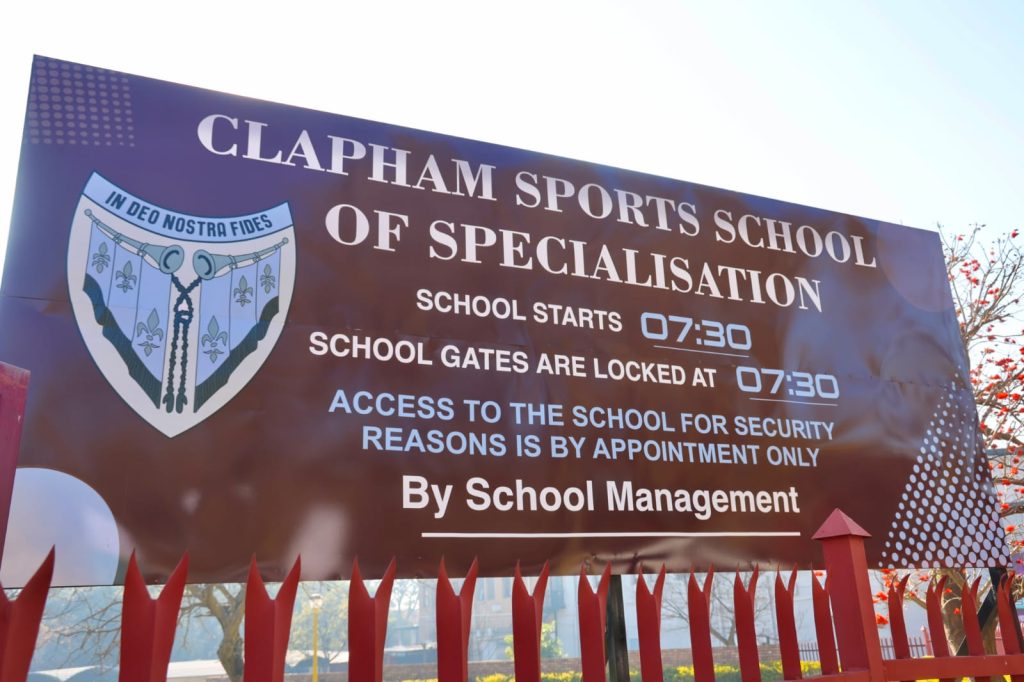
Gauteng Education MEC Lebogang Maile has officially launched Clapham High School as the province’s 40th School of Specialisation, positioning the Pretoria school as a hub for sporting excellence while building on its strong academic record.

The launch, held in Queenswood, Pretoria, on Thursday, also marked Clapham’s designation as Gauteng’s fourth School of Specialisation focused on sport.

The event was attended by learners, educators, community stakeholders and sporting personalities, including Mamelodi Sundowns chairman Tlhopane Motsepe and former Sundowns players.

The designation builds on Clapham’s longstanding partnership with the Mamelodi Sundowns Academy, which dates back to 2012 and has helped create a pathway for young footballers to develop their talent and pursue professional careers.

Maile said the launch was about strengthening an institution with an established record of academic and sporting achievement.

“Today, we are not simply launching another School of Specialisation. We are strengthening an institution that already has a proud history of academic and sporting excellence and giving it an even stronger platform to develop the talent of our young people,” Maile said.

Established in 1948 and operating from its current Queenswood campus since 1955, Clapham has recorded a National Senior Certificate pass rate of more than 90% in recent years.

The school achieved a 94% pass rate in 2023, 97% in 2024 and 91.3% in 2025.

Its sporting achievements have also been significant, particularly in football, with the school producing several professional players.

Former learners include Samukele Kabini, Keletso Makgalwa, Thato Matli, Thabo Moloisane, Malebogo Modise, Bennet Mokoena, Malibongwe Khoza, Motjeka Madisha, Khayalihle Shozi, Percy Tau and Cassius Mailula.

Kabini was included in the South African squad for the 2026 FIFA World Cup, while several other former learners have gone on to play professionally in South Africa and abroad.

Several Clapham graduates have also progressed through the Mamelodi Sundowns system, strengthening the relationship between the school and the club.

ALSO READ: Dube-Ncube calls for private sector, NGOs to back Higher Health Comfort Rooms

The school has won the CAF African Schools Championship boys’ title in Malawi, the Gauteng Sanlam Kay Motsepe Schools Championship and the inaugural Gauteng Schools Football Champions League.

Clapham was also nominated for School Team of the Year at the South African Sport Awards.

However, its specialised sporting programme extends beyond football.

Learners showcased their abilities in netball, basketball, volleyball, tennis, chess and e-sports during the launch. The school also demonstrated its vocational education and training offerings, Consumer Studies and its “Voices On The Rise” podcast initiative.

The programmes form part of the broader Schools of Specialisation model, which combines academic learning with specialised skills and talent development.

Motsepe said the partnership between Sundowns and Clapham had demonstrated what could be achieved when sporting institutions work closely with schools.

“When Mamelodi Sundowns looks at Clapham, we don’t just see a school for our footballers. We see a place of possibility, a place of potential,” Motsepe said.

He said the partnership had helped young players pursue their ambitions, but stressed that the School of Specialisation should not be viewed solely through the lens of football.

Motsepe encouraged learners to explore their individual talents and take advantage of opportunities created through the specialised programme.

“The Clapham School of Sport and Specialisation is an incredible opportunity for young men and women to achieve their greatness,” he said.

Maile said partnerships such as the one between Clapham and Mamelodi Sundowns were critical to developing specialised education in the province.

ALSO READ: In Pictures: Alexandra school raids uncover suspected drugs and vapes as Gauteng safety crackdown intensifies

“Government cannot develop sporting excellence alone. The partnership between Clapham and Mamelodi Sundowns is an example of how schools, professional sporting institutions and other stakeholders can work together to identify talent, provide mentorship and create high performance opportunities for young people,” Maile said.

He said the expansion of Schools of Specialisation formed part of Gauteng’s broader efforts to identify and nurture learner talent while keeping academic achievement central.

The inclusion of e-sports and the “Voices On The Rise” podcast also exposes learners to emerging fields such as digital skills, communication and media alongside established sporting disciplines.

Maile said Clapham’s new designation represented both a recognition of its achievements and an investment in future talent.

“As Gauteng’s 40th School of Specialisation and fourth specialising in Sports, Clapham represents both a celebration of what has already been achieved and an investment in what is still possible,” he said.

“We want young people to know that their talent has a place in our public education system and that their journey towards excellence can begin here,” he said.

INSIDE EDUCATION

The post Clapham High becomes Gauteng’s 40th School of Specialisation  appeared first on Inside Education..
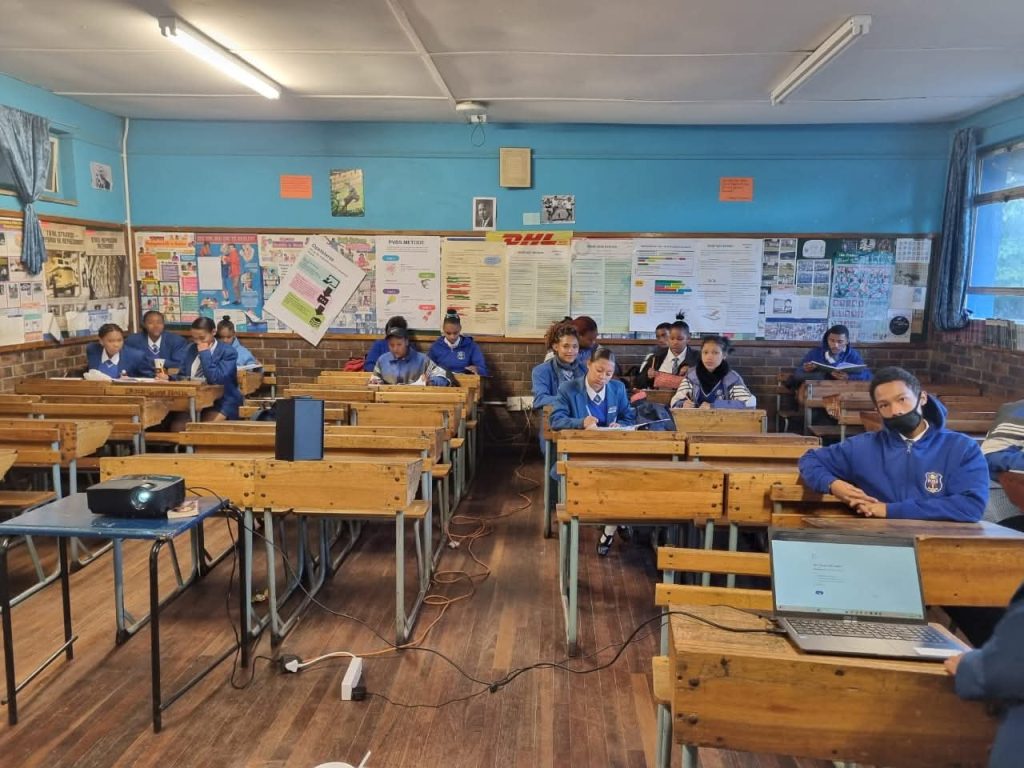
In Pictures: Alexandra school raids uncover suspected drugs and vapes as Gauteng safety crackdown intensifies
Uncategorized

In Pictures: Alexandra school raids uncover suspected drugs and vapes as Gauteng safety crackdown intensifies

By Levy Masiteng

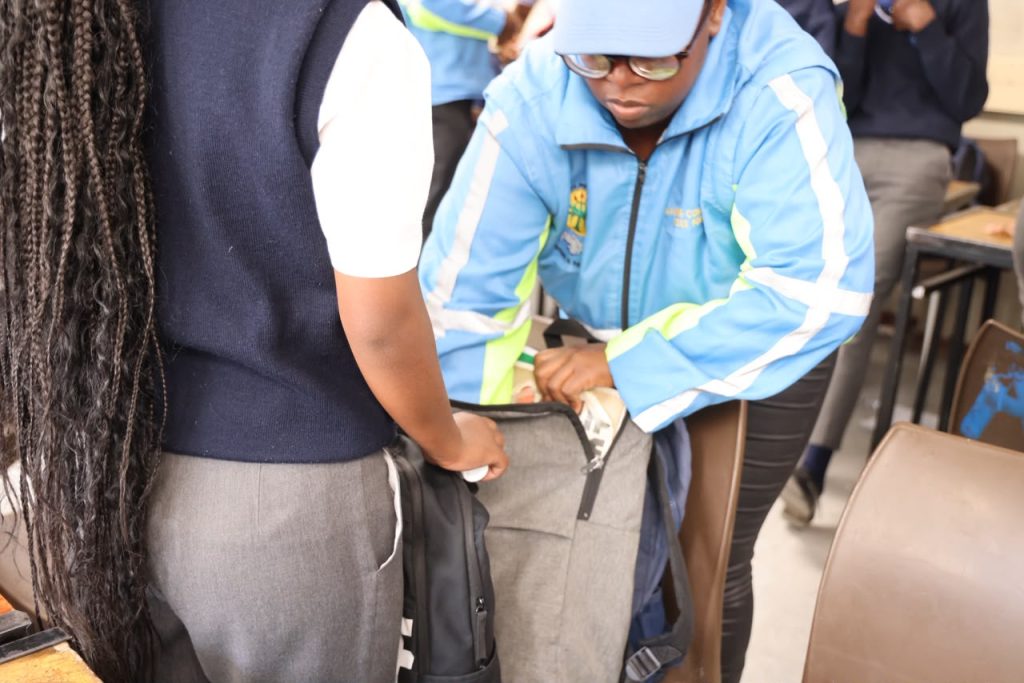
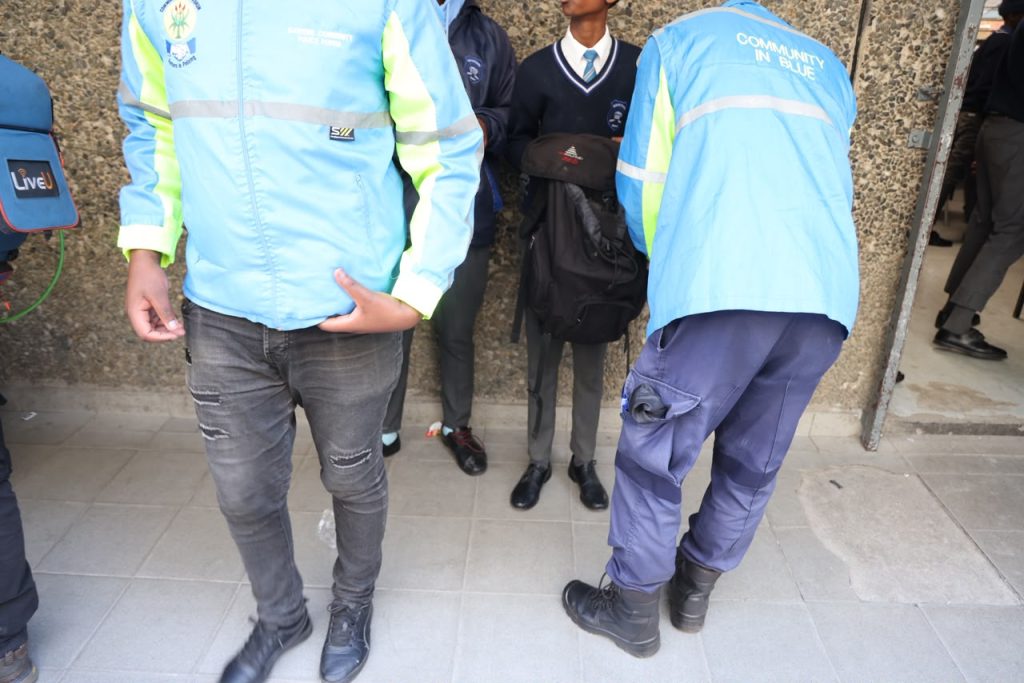
Suspected dagga, disposable vapes, cigarettes, broken glass, scissors, and other prohibited items have been seized during unannounced search-and-seizure operations at three high schools in Alexandra, as Gauteng intensifies efforts to address safety and substance abuse in schools.

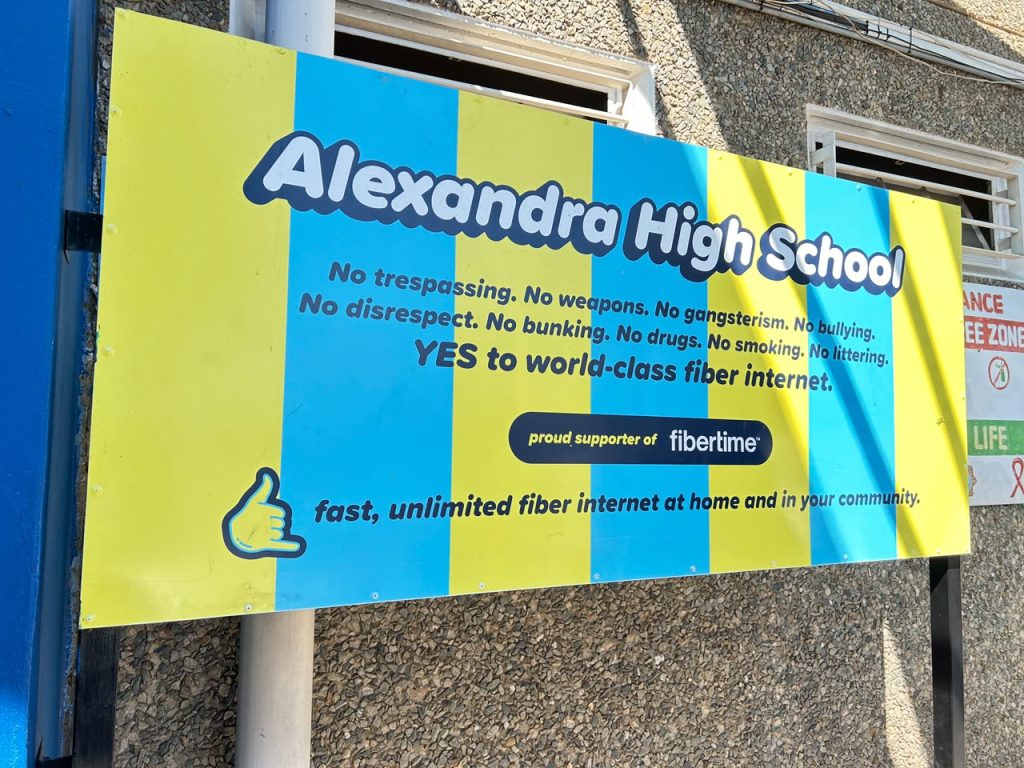
The SAPS-led operation was conducted on Wednesday at East Bank High School, Realogile High School, and Alexandra High School, with Gauteng Education MEC Lebogang Maile joining law-enforcement officials as part of the province’s school safety campaign.

According to the Gauteng Department of Education, more than 109 items were seized across the three schools.

At East Bank High School, about 40 items were recovered, including disposable vapes, cigarettes, suspected dagga joints, sachets containing a green leafy substance suspected to be dagga, grinders, scissors, folding multi-tools, glass shards and other prohibited items.

At Realogile High School, more than 41 items were seized, including disposable vapes, glass and mirror shards, scissors, matchboxes and other miscellaneous items.

More than 20 muffins or cupcakes were also recovered and will be inspected to determine whether they contain prohibited substances. The department stressed that no determination has yet been made about their contents.

A further 28 items were recovered at Alexandra High School, including disposable vapes, sachets containing a substance suspected to be dagga, matchboxes, broken glass, a folding multi-tool, a spanner or wrench and an improvised metal tool.

Overall, the operation uncovered 14 sachets containing substances suspected to be dagga and three suspected dagga joints, alongside other prohibited items.

“The discovery of suspected drugs, knives, broken glass, scissors and other potentially dangerous objects in our schools is deeply concerning. These items have absolutely no place in an environment intended for teaching and learning,” Maile said.

The operation comes as the department steps up efforts to address school safety challenges across the province.

The department has identified 245 schools as high-risk following an environmental analysis of crime and violence that profiled more than 1,300 schools across Gauteng.

The assessment identified concerns including violence and gang activity, bullying, substance abuse, vandalism, theft and criminal activity around schools.

The high-risk school assessment forms part of the province’s efforts to introduce targeted safety interventions.

“These unannounced operations are necessary to protect learners and educators and ensure that our schools remain safe,” Maile said.

He also called on parents and communities to play a more active role in school safety, urging parents to pay attention to what learners take with them to school.

The substances suspected to be illegal drugs will undergo the appropriate processes to establish their contents, while learners found in possession of prohibited items will be dealt with through relevant school disciplinary procedures.

Where conduct potentially amounts to a criminal offence, the matter will be handled by SAPS.

“Our schools are sacred spaces for education. We cannot allow drugs, weapons, violence or criminal behaviour to rob learners of their constitutional right to education,” Maile said.

The Alexandra operation followed similar SAPS-led searches at identified schools elsewhere in Gauteng this month, as the department targets violence, gangsterism, substance abuse and other threats to teaching and learning.

“We will continue supporting SAPS and other law enforcement agencies in conducting random searches because learners must understand that bringing drugs, weapons and other prohibited items onto school premises will have consequences,” Maile said.

INSIDE EDUCATION 

The post In Pictures: Alexandra school raids uncover suspected drugs and vapes as Gauteng safety crackdown intensifies appeared first on Inside Education..
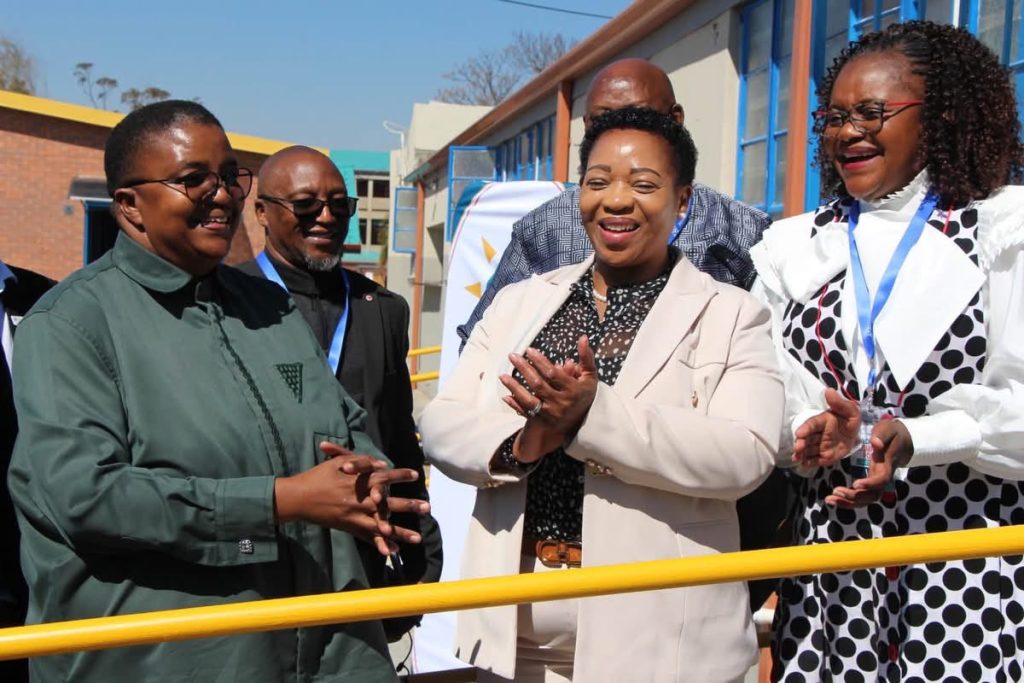
Uncategorized

Manamela steps in as arson, violent student protests shut down CPUT campuses

By Thapelo Molefe

Higher Education Minister Buti Manamela has directed a departmental team to intervene at the Cape Peninsula University of Technology (CPUT) after an arson attack and student grievances led to a total shutdown of the university.

The University Education Branch team will work with CPUT management, Council and student leaders to facilitate urgent discussions and find a way to restore learning, teaching and essential university services.

The shutdown follows days of student protests and violent disruptions, culminating in an arson attack on the university’s Old Education Building at its Bellville campus on Monday evening.

ALSO READ: National drive launched to shield students from gambling harm

Students have raised concerns about the now-withdrawn Draft Financial Recovery Plan for 2027, historical student debt, registration requirements, residence fees and conditions, as well as issues relating to academic records.

The departmental team has been tasked with establishing the facts behind the grievances, identifying matters that can be resolved immediately and helping the parties agree on a clear, time-bound process to deal with outstanding issues.

The team will also support efforts to restore normal university operations.

“The immediate priority is to bring the parties around the table, establish the facts and find a way forward that allows the academic programme to resume,” Manamela said in a statement on Wednesday.

He said students had the right to raise concerns about access to higher education, affordability and living and learning conditions, but stressed that these issues should be addressed through dialogue.

“Those concerns must be heard and addressed through constructive engagement. Equally, no student or staff member should have to fear for their safety or be prevented from exercising their right to study or work,” he said.

Manamela condemned the destruction of university property, violence, intimidation and any conduct that places students, staff and other members of the university community at risk.

He said the disruption could not be allowed to continue indefinitely.

“We cannot allow an impasse to become a permanent disruption to the academic year. We need responsible leadership from all sides and a commitment to resolving these matters through dialogue rather than confrontation,” Manamela said.

The minister also pointed to the withdrawal of CPUT’s draft financial plan as an opportunity for the university and student leadership to reset their engagement.

“The withdrawal of the draft financial plan creates an opportunity to reset the relationship between the parties. We now need to use that opportunity responsibly,” he said.

Manamela said the parties needed to determine what could be resolved immediately, what required further consideration and how the remaining issues would be addressed.

He also urged university and student leaders to avoid statements and actions that could increase tensions.

ALSO READ: Public Protector launches student accommodation investigation

“Leadership at the University and among students carries a responsibility to find solutions. Public statements and actions that inflame tensions will not assist us in resolving the issues before us,” he said.

Manamela has called on CPUT management, Council and student leaders to cooperate with the departmental team and participate in the engagement process in good faith.

He will remain engaged with the university and other stakeholders as the process continues, with the immediate objective of establishing a roadmap for the restoration of learning, teaching and normal university operations.

INSIDE EDUCATION

The post Manamela steps in as arson, violent student protests shut down CPUT campuses appeared first on Inside Education..