Uncategorized

Gauteng Transport tells scholar transport operators to comply with safety laws

By Charmaine Ndlela

The Gauteng Department of Roads and Transport (GDRT) has urged scholar transport operators to comply with licensing requirements and road safety regulations to improve learner safety across the province.

The call was made during an engagement with operators at Boekenhoutkloof Traffic College in Tshwane, as part of the department’s Learner Transport Education and Awareness Programme (LTEAP).

The programme focuses on operating licences, vehicle roadworthiness and responsible driving practices following concerns about learner transport incidents.

“Ensuring the safety of learners remains a shared responsibility,” the department said.

“Through responsible driving, regulatory compliance and sustained cooperation among all stakeholders, Gauteng can continue working towards safer and more reliable learner transport services across the province.”

Under the National Land Transport Act, individuals and businesses transporting passengers for a fee must hold valid operating licences.

Applicants must submit supporting documents, including copies of pupils’ identity documents, business registration paperwork, transport route maps and tax compliance certificates, among other requirements.

The engagement also highlighted the Gauteng Public Transport Regulatory Information System (GPTRIS), which aims to streamline licensing applications and allow operators to track their progress and identify outstanding requirements.

Operators were given an opportunity to raise concerns and discuss challenges affecting their businesses. The department said their feedback would inform further interventions to improve compliance and coordination.

The department has handed over 526 operating licences to compliant scholar transport and minibus taxi operators.

Since November last year, it has processed, issued and handed over more than 8,000 operating licences across the province.

The department plans to expand the LTEAP through a structured roadshow across Gauteng’s five regions to provide operators with guidance on their legal responsibilities and safety obligations.

INSIDE EDUCATION

The post Gauteng Transport tells scholar transport operators to comply with safety laws appeared first on Inside Education..

Uncategorized

Wits scientists uncover hundreds of potentially new microbial species in wild lions

By Charmaine Ndlela

University of the Witwatersrand (Wits) scientists have identified hundreds of potentially new microbial species in the digestive systems of wild African lions, revealing previously undocumented bacterial and viral diversity.

The reasearch, published in Animal Microbiome this week, provides the first comprehensive genome-resolved analysis of the gut microbiome of free-living African lions, opening new avenues for research into their metabolism, health and conservation.

ALSO READ: Malatsi urges business to turn digital skills into jobs for youth

Researchers analysed 23 fresh faecal samples collected from 20 lions in Namibia’s Etosha National Park, reconstructing 318 bacterial genomes and 102 viral genomes from the DNA recovered.

Most of the reconstructed genomes differed substantially from those in international reference databases, suggesting they represent largely uncharacterised microbial diversity, including potentially new species.

Lead author Carl Belger, who conducted the research as part of his Master’s degree at Wits, said the lack of existing knowledge about the lion gut microbiome was a key motivation for the study.

“Very few papers had sequenced the gut microbiome of lions before,” he said. “The question was really: what does the gut microbiome of lions look like?”

A microbiome is the community of microorganisms, including bacteria and viruses, that live in a particular environment. In animals, these organisms contribute to processes such as digestion and metabolism and can provide insights into diet, environmental conditions and health.

ALSO READ: DA demands probe into alleged misconduct at Roosevelt Primary

Although African lions have been extensively studied in terms of their behaviour, population dynamics and ecology, the microorganisms living inside their digestive systems remain comparatively poorly understood.

The Wits study tried to address this gap by using DNA sequencing and computational analysis to identify microorganisms without having to grow each organism individually in a laboratory.

The microbiome investigation formed part of wider ecological research involving lions in Etosha.

During veterinary immobilisations, researchers from different disciplines collected blood, hair and other biological samples while fitting tracking collars, enabling them to gather multiple types of information from individual animals during a single procedure.

Belger was responsible for collecting fresh faecal samples for the microbiome analysis.

“I was at the back end of the lion – at the ‘business end’, should I say,” he said.

He said the collaboration between researchers from different countries and scientific disciplines was among the most memorable aspects of the work. Teams collected different kinds of data from the same animals, reducing the need for repeated interventions.

The samples underwent extensive laboratory and computational analysis to identify and reconstruct the genetic material of the microorganisms present.

Professor Scott Hazelhurst, a senior scientist and bioinformatician at the Sydney Brenner Institute for Molecular Bioscience (SBIMB) and co-corresponding author of the study, compared the process to completing multiple jigsaw puzzles simultaneously, with some pieces missing, damaged or duplicated.

Researchers sequenced the DNA present in each sample and used bioinformatics tools to separate genetic fragments and determine which organisms they belonged to.

“It is computationally intensive. The lion analysis involved tens of thousands of CPU hours and generated tens of terabytes of data,” Hazelhurst said.

Despite these challenges, the researchers reconstructed good-quality bacterial and viral genomes, including genetic material from organisms not previously identified at species level.

The study found that two bacterial genera, Bacteroides and Phocaeicola, accounted for 22.1% and 13.3% of the gut microbial community respectively, contrasting with findings from previous studies of captive lions.

Differences in diet, environment and geographical separation could help explain variations in microbial composition between wild and captive lions.

The findings show how genomic research can reveal microbial diversity that conventional approaches may overlook, particularly in wild animals whose microbiomes have received limited scientific attention.

The study also investigated the potential functions of the lion gut microbiome.

Researchers identified microbial pathways associated with purine metabolism. Purines are compounds found in DNA and other biological molecules and occur at high concentrations in meat and animal tissue, making their breakdown particularly relevant to carnivorous animals such as lions.

ALSO READ: Gauteng Transport tells scholar transport operators to comply with safety laws

The analysis identified nearly complete microbial metabolic pathways associated with the breakdown of the purines adenine and guanine into urea.

“Microbiota are key in any species as a key part of metabolism,” Hazelhurst said.

The researchers said further studies involving larger numbers of lions would be needed to establish how gut microbial communities differ between populations and respond to environmental conditions.

INSIDE EDUCATION

The post Wits scientists uncover hundreds of potentially new microbial species in wild lions appeared first on Inside Education..

Malatsi urges business to turn digital skills into jobs for youth
Uncategorized

Malatsi urges business to turn digital skills into jobs for youth

By Lebone Rodah Mosima

Communications and Digital Technologies Minister Solly Malatsi has called for closer cooperation between government and the private sector to ensure digital-skills training translates into employment opportunities for young South Africans.

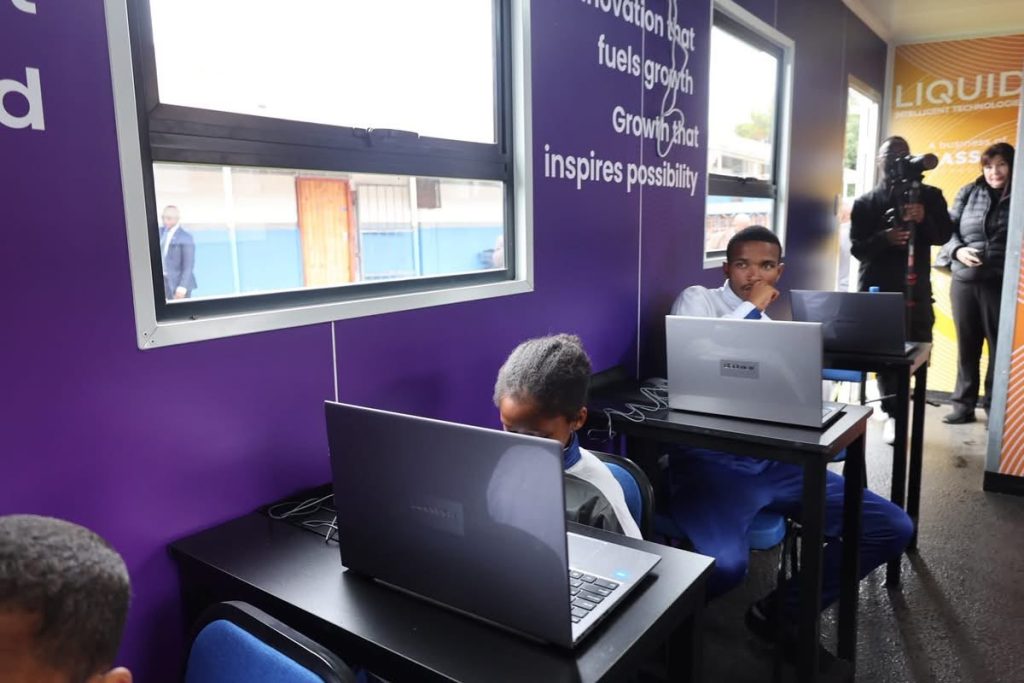
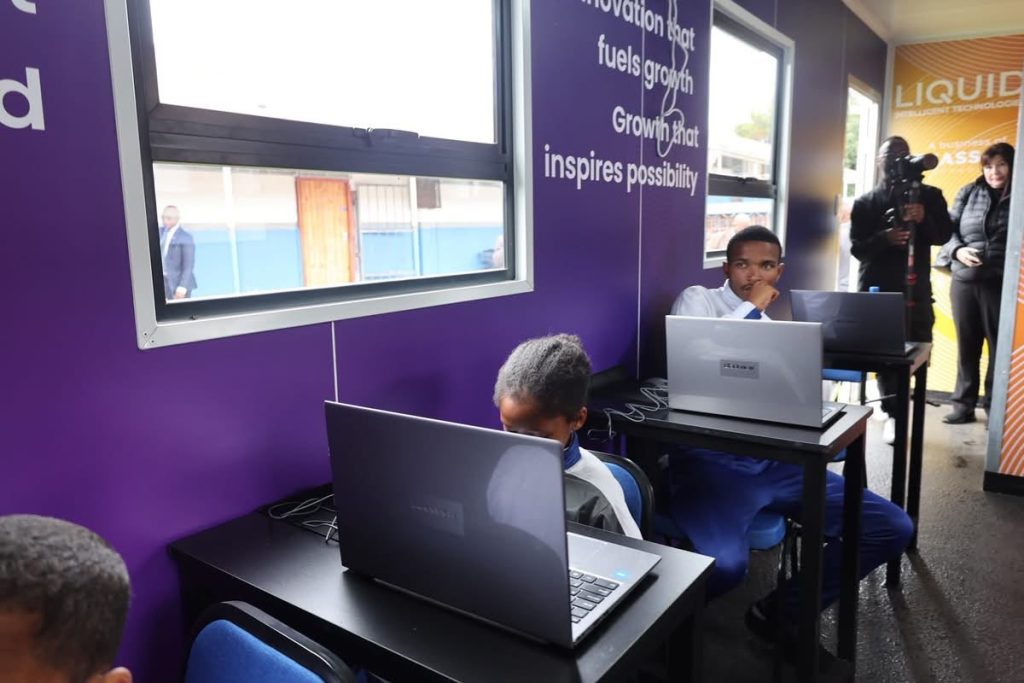
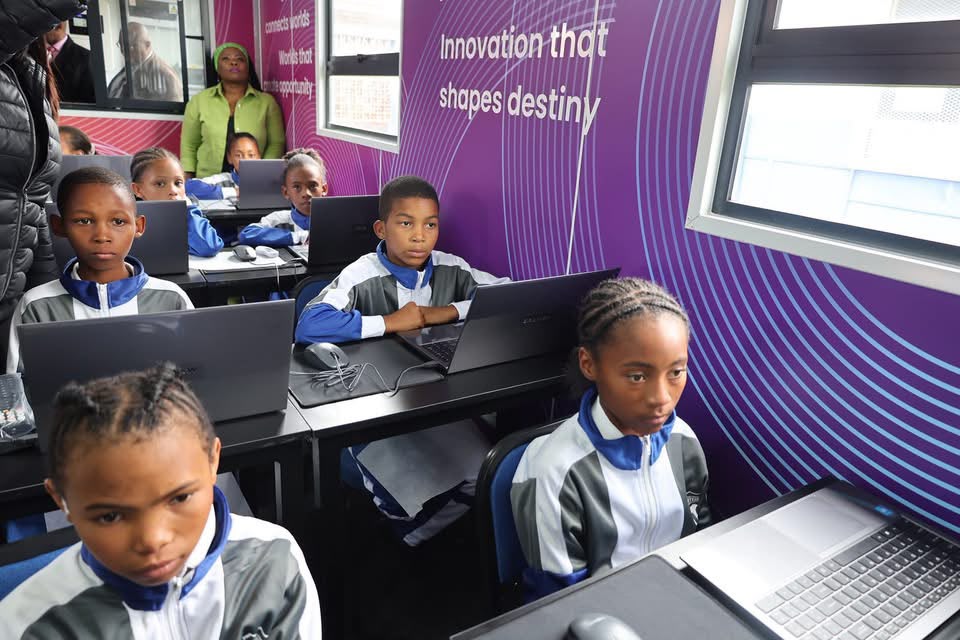
Speaking at the launch of a cyberlab at Fontein Full-Service School in Nelson Mandela Bay, Eastern Cape, on Monday, Malatsi said that technological advances could deepen inequality unless more people had access to digital tools and training.

ALSO READ: Gauteng Transport tells scholar transport operators to comply with safety laws

The facility, established through a partnership involving Liquid Intelligent Technologies, Microsoft, Devaire and the Department of Communications and Digital Technologies, will benefit 850 learners.

It was the first of two cyberlabs scheduled to open in Nelson Mandela Bay this week, with a second launch planned for Soutpan Primary School on Tuesday.

“It is about ensuring that the 850 children here have the tools they need to learn, connect, access information on the internet and participate meaningfully in the digital economy as they get older,” Malatsi said.

He said artificial intelligence (AI), cloud computing, automation and other technologies were transforming economies and changing the skills required in the workplace.

“The skills and platforms children need to learn and shape their future aspirations are changing just as fast. While we endeavour to implement the most advanced technologies and build the best solutions, these initiatives will stumble and fall flat if we don’t equip citizens with the skills and tools required to participate meaningfully in the digital economy.”

Malatsi said that failing to invest in training would widen inequalities between people with access to technology and reliable internet connectivity and those without.

Referring to his participation in CollectiveX’s digital-skills development conference the previous week, he said teaching children coding, robotics and software development could create opportunities in the digital economy.

He stressed that training programmes needed to be linked to employment.

ALSO READ: Gwarube dismisses ‘fake news’ matric exam leak claims

“We have to find better ways to match the right digital skills to the jobs available in the market. We have to take a chance on our youth once they have graduated from school, university and these programmes,” he said.

“We must measure every mobile digital lab launch, every skills and entrepreneurship programme development against the lives changed for young people.”

Malatsi said these initiatives should be assessed according to whether participants secured meaningful employment, contributed to their communities and lifted their families out of poverty.

He said government had a responsibility to ensure that geographical location and economic circumstances did not prevent people from participating in the digital economy.

“Our responsibility is to create an enabling environment where every South African – regardless of where they come from – has a fair opportunity to access connectivity, digital tools, and digital skills,” he said.

He added that government could not close the digital divide alone and that cooperation with businesses, educational institutions and communities was essential.

Malatsi also raised concerns about online safety, warning that children, women and older people were particularly vulnerable to online threats.

“Training people won’t just allow them to spot fake news, possible grooming and cyberbullying; it will teach them how to speak up, take action and flag nefarious behaviour.”

He said online safety education should begin at primary-school level, while digital platforms needed to do more to protect users.

Also speaking at the launch, Deputy Minister of Higher Education and Training Yusuf Cassim said he had approached Malatsi to request support for a digital laboratory at the school.

Cassim, who lives in Nelson Mandela Bay, said he wanted learners in communities that had struggled to attract investment to have greater access to educational opportunities.

He said the lab would allow learners to develop digital and artificial intelligence literacy and acquire skills relevant to further education and employment.

“A child’s circumstances should never become a ceiling on their ambitions,” Cassim said.

“We cannot speak about equal opportunity while some children continue to feel that their communities have been left behind. Every child deserves to know that their future matters, regardless of their circumstances or the neighbourhood in which they grow up.”

Cassim said government needed to connect school-level learning to vocational training, further education and employment opportunities.

ALSO READ: Umhlali school stabbing leaves six-year-old fighting for her life

He called for continued investment in underserved communities, saying the success of the initiative would depend on the opportunities learners could access after receiving training.

Addressing the learners, Cassim said: “Never allow anyone to make you feel that your dreams are too big for where you come from.”

He said children should not be expected to believe in a future that government was unwilling to invest in.

“Let us give them the tools, skills and opportunities to build that future for themselves,” he said.

INSIDE EDUCATION

The post Malatsi urges business to turn digital skills into jobs for youth appeared first on Inside Education..

Uncategorized

Ramaphosa: Investing in early learning is investing in South Africa’s future

By Cyril Ramaphosa

This week, the second Bana Pele Leadership Summit is taking place in Gauteng. Bana Pele means ‘children first’ in Sesotho. It is a campaign led by the Department of Basic Education to strengthen and transform the delivery of early learning in the country.

Early Childhood Development (ECD) shapes a child’s cognitive, social, emotional and behavioural development. Quality early learning introduces the foundations of literacy and numeracy, such as recognising letters and numbers, building vocabulary, counting and solving simple problems. Children who start school with these skills are ready to read, write and work with numbers from their first year.

Grade R is now compulsory, so these skills are needed by the time a child turns five. Yet more than 1.3 million children aged three to five are not enrolled in any early learning programme.

Most of these children live in poorer communities, where paying even a low fee for a child to attend an ECD centre is a challenge. In contrast, children in better-resourced communities are far more likely to enter the foundation phase able to read for meaning and handle basic numeracy. Expanding access to early learning is therefore a development priority and a way of addressing historical inequalities. Every child, regardless of the circumstances of their birth, deserves the chance to learn and grow.

The second Bana Pele Summit brings together government, practitioners, communities, business, funders and civil society. It will take stock of progress towards our goal of ensuring that all children between the ages of three and five have access to affordable, equitable and quality early learning programmes by 2030.

Over the past two years, we have substantially increased investment in early learning. We have increased the subsidy for ECD attendees and committed further resources to expand access. Through these efforts, we aim to reach an additional 300,000 children by 2027 and a further 900,000 by 2030.

But investment alone is not enough. Public resources must reach the programmes and communities where they are needed most.

Through the Bana Pele Mass Registration Drive, thousands of previously unregistered early learning programmes have taken their first step towards formal registration. The drive is bringing more providers into the national system, giving us a clearer picture of where programmes are located and helping us identify where further support is needed.

I have often said that we are starting late in building a formalised early childhood development system. Yet starting late should not mean starting slowly. The reforms we have embarked upon in early learning are part of a broader effort to renew South Africa’s socio-economic architecture.

Early learning touches on education, health, social protection, employment and the economy, and it is in these interconnected areas that its benefits will be felt most widely. By investing in our youngest children, we are laying the foundations for stronger schools, healthier communities, more inclusive growth and a more capable workforce for the decades ahead.

Early learning is a vital part of our care economy. These programmes do more than sustain the livelihoods of the people, mostly women, who run them. They also free parents and caregivers in communities where employment opportunities are often scarce to work, study or simply to provide for their families.

Strengthening early learning is therefore an investment not only in our children, but also in families, local economies and the people whose work sustains their care.

Credit must go to the people who care for and teach our children every day. A few years ago, I visited an early learning centre in Bizana in the Eastern Cape where I met with staff who had kept the centre going even when they could not be paid. I was deeply moved when they told me that they would not turn away a child simply because their family could not afford to pay an already low fee.

Across South Africa, countless practitioners show this same dedication. Many are women who have built small enterprises of their own to care for children in their communities. We are committed to supporting them and to ensuring they get the recognition they deserve. Early childhood development practitioners play a vital role in the future educational outcomes of young learners.

We can further accelerate access to ECD through the support of the private sector. Many companies already incorporate education in their Environmental, Social and Governance strategies, but much of it is on basic education and not specifically targeting early learning.

Corporate support, whether in the form of subsidising fees, upgrading facilities or funding practitioner training, will help us to achieve our early learning goals.

Advancing early learning is a shared national responsibility. Our efforts to support our youngest citizens today are a solid investment not only in their future, but in the very growth and progress of our country.

INSIDE EDUCATION

The post Ramaphosa: Investing in early learning is investing in South Africa’s future appeared first on Inside Education..

Ramaphosa wants faster expansion of ECD
Uncategorized

Ramaphosa wants faster expansion of ECD

By Lebone Rodah Mosima & Thapelo Molefe

President Cyril Ramaphosa says government is intensifying efforts to expand access to early childhood development (ECD), with around one million children aged three to five still not enrolled in any early learning programme.

Addressing the Bana Pele Leadership Summit at the Galleria Arena and Conference Centre in Sandton on Monday, Ramaphosa said government was committed to lowering the financial barriers preventing poor families from enrolling their children in early learning programmes.

“As government, we are committed to lowering this barrier,” he said, adding that funding for the ECD conditional grant had increased, although too few eligible facilities were benefiting.

Also speaking at the summit, Basic Education Minister Siviwe Gwarube said around 1.2 million children aged three to five currently access early learning.

“One million children not accessing any ECD programme is not a statistic we can become comfortable with. It is the distance we still need to cover,” she said.

“So the question before us now is How do we make what is beginning to work, work everywhere?”

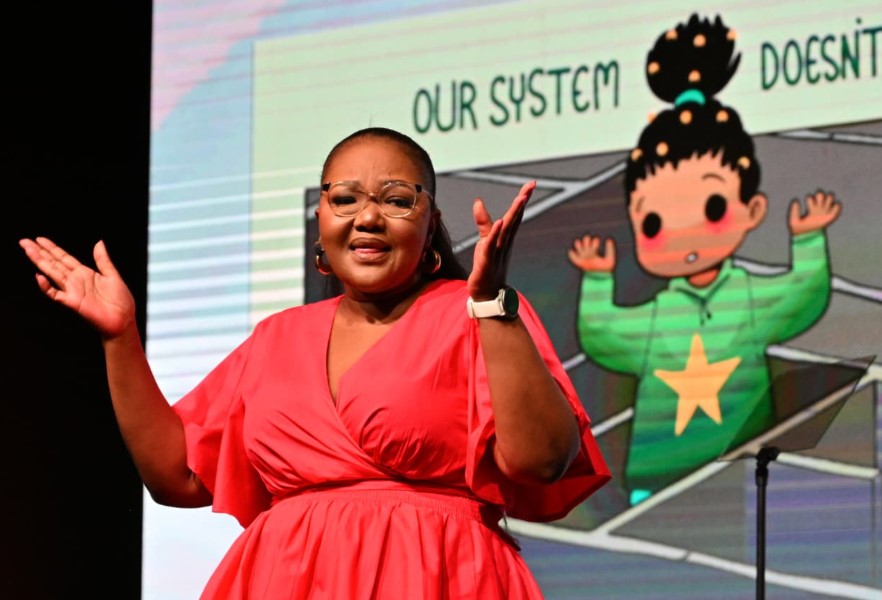
Basic Education Minister Siviwe Gwarube speaking at the summit on Monday.

Gwarube said the daily ECD subsidy had increased from R17 to R24 per child, with more than 200,000 additional children receiving support over the past two years.

The eCares digital registration system was helping government identify and support early learning programmes, with almost 40,000 programmes registered, she said.

“All spheres of government and sector partners must work together to break down institutional barriers and make registration and support more accessible to ECD practitioners. Expanding access must go hand in hand with quality early learning, a supported workforce and the early identification of children’s developmental needs,” she said.

Ramaphosa said government was accelerating the Bana Pele Mass Registration Drive, launched in 2025, to help centres meet registration requirements and expand access.

According to the President, South Africa has more than 39,000 registered early learning programmes.

Government aims to achieve universal access by 2030 through the Bana Pele Shared Blueprint, which seeks to improve coordination, strengthen data systems and professionalise the sector.

“It is our roadmap to universal access to early childhood development by 2030,” Ramaphosa said.

He cautioned against allowing registration requirements to exclude centres serving poor communities, saying compliance processes should help facilities improve while protecting children’s health and safety.

“Where a centre does not meet the required standards, our first response should be to determine what assistance it needs to become compliant,” he said.

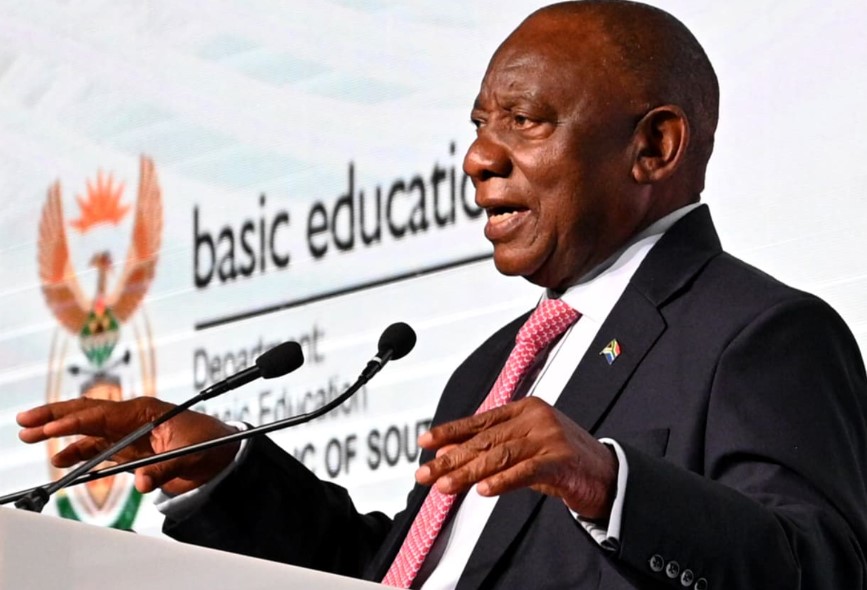
President Cyril Ramaphosa delivering his address at the summit.

Revised norms and standards for early learning centres were gazetted earlier this year, while Cabinet has approved the Children’s Amendment Bill for submission to Parliament. Ramaphosa said the proposed legislation would simplify rules governing early learning programmes.

The President also emphasised the importance of preparing children for formal schooling through structured literacy and numeracy development.

“Providing childcare is not the same as providing early education,” he said.

He said stronger foundations were needed to address learning gaps that leave millions of children unable to read for meaning by Grade 4.

Referring to the growing influence of artificial intelligence and automation, Ramaphosa said education needed to equip children with skills to navigate a changing world without losing the human interaction essential to their development.

“We must therefore prepare our children not merely to use the technologies of the future, but to think critically, solve problems, communicate effectively and adapt to change,” he said.

Ramaphosa said expanding early learning would also help break the cycle of poverty, support women’s participation in the economy and create jobs for practitioners and those establishing centres.

He said ECD programmes could improve children’s health by providing nutritious meals, supporting vaccination programmes and connecting families to health and social services.

The President urged businesses to increase investment in early childhood development through infrastructure improvements, practitioner training, learning materials, digital resources and support for children from poor households.

“Business can help us accelerate our drive towards universal access by 2030,” he said.

“It is an investment in the workforce of the future,” he said.

Ramaphosa acknowledged the contribution of civil society and donors, including UNICEF, whose support has helped make curriculum packs available in all the country’s official languages. More than 70 non-governmental organisations are also assisting early learning centres with documentation and first-aid training.

He called on municipalities, community organisations, traditional and faith leaders, parents and businesses to support efforts to expand access to quality early education.

“Our Constitution guarantees everyone the right to a basic education,” he said.

“By making early learning the foundation of every child’s education, we are giving effect to that right.”

“Let us make sure that no child falls behind before they even reach school,” he said.

INSIDE EDUCATION

The post Ramaphosa wants faster expansion of ECD appeared first on Inside Education..

Uncategorized

Fort Hare appoints Wezile Chitha as new vice-chancellor

By Charmaine Ndlela

Professor Wezile Chitha has been appointed vice-chancellor and principal of the University of Fort Hare following a unanimous decision by the university’s Council at a special meeting on Friday.

Chitha is expected to assume office in the first quarter of 2027.

He is currently executive dean of the Faculty of Medicine and Health Sciences at Walter Sisulu University, where he also serves as an associate professor of health systems and policy.

A medical doctor, health economist and experienced academic executive, Chitha takes over as Fort Hare advances its institutional re-visioning and rebirth agenda, which aims to strengthen academic excellence, research, governance, infrastructure and the student experience towards 2040.

He replaces Professor Sakhela Buhlungu, who resigned in September shortly before he was due to begin presenting his defence at a disciplinary hearing.

Buhlungu faces several disciplinary charges, including gross misconduct, insubordination and bringing the university into disrepute.

Council chairperson Dr Siyanda Makaula said the appointment reflected confidence in Chitha’s academic credentials, leadership experience and understanding of institutional governance and transformation.

“The appointment of Professor Chitha marks an important moment in the history of the University of Fort Hare as we advance our journey of institutional re-visioning and rebirth,” Makaula said.

Chitha holds a Bachelor of Medicine and Bachelor of Surgery (MBChB), a master’s degree in public health specialising in Health Economics from the University of Cape Town, and a Doctor of Philosophy (PhD) in Public Health from Walter Sisulu University.

He currently serves as Executive Dean of the Faculty of Medicine and Health Sciences at Walter Sisulu University, where he is also an Associate Professor of Health Systems and Policy.

His previous leadership roles include Acting Assistant Dean for Strategic Affairs at the University of the Witwatersrand and founding Director of the Albertina Sisulu Centre for Global Health and Research.

He was also elected president of the Health Professions Council of South Africa for the 2025-2030 term.

Before moving further into academic leadership, Chitha held senior management positions in the public healthcare sector, overseeing hospital services and implementing health programmes.

As head of Mowbray Maternity Hospital, he managed obstetric and neonatal services at the regional hospital, alongside community-based midwife obstetric units serving peri-urban communities.

Under his leadership, the hospital received the Western Cape Premier’s Service Excellence Award, announced in early 2008.

Later that year, Frontier Hospital, where he served as chief medical superintendent, was named the Eastern Cape Department of Health’s best-performing hospital.

His research interests include health systems strengthening, public health policy, health economics, clinical governance and equitable access to healthcare.

Fort Hare said Chitha’s appointment comes as the university prepares a new strategic framework to guide its development towards 2040, with priorities including research impact, institutional sustainability, effective governance, infrastructure development and an improved student experience.

Makaula said the university needed leadership that could preserve its historical legacy while responding to the demands of higher education.

“As we look towards 2040, our responsibility is to build a University that honours its extraordinary history while responding decisively to the demands of the future,” he said.

The university said the recruitment process followed its approved procedures and included candidate screening, shortlisting, competency-based assessments, strategic presentations and structured interviews.

On October 15, shortlisted candidates presented their visions for the university’s development towards 2040 at a joint sitting of Council, Senate and the Institutional Forum. Representatives of the Student Representative Council, Convocation and organised labour also attended.

Formal interviews took place on October 16.

Council considered the unanimous recommendation of the Vice-Chancellor Recruitment and Selection Committee, institutional voting outcomes and candidate assessments before making its decision.

According to the university, Chitha was the highest-ranked candidate in both the Senate and Institutional Forum assessments.

Makaula said the process demonstrated the importance of participation and collective responsibility in selecting the university’s leadership.

He congratulated Chitha on his appointment and called on students, staff, alumni and other stakeholders to support the incoming vice-chancellor.

“The future of Fort Hare is a shared responsibility, and its success will depend on the collective commitment of our students, staff, alumni and institutional stakeholders,” Makaula said.

INSIDE EDUCATION

The post Fort Hare appoints Wezile Chitha as new vice-chancellor appeared first on Inside Education..

Uncategorized

Heatwave grips SA as temperatures soar towards 40°C

Staff Reporter

The South African Weather Service (SAWS) has warned of prolonged heatwave conditions across parts of KwaZulu-Natal, the Eastern Cape and Mpumalanga, with temperatures forecast to approach or exceed 40°C in some areas on Friday and Saturday.

The heatwave is expected to persist until Saturday in parts of the Eastern Cape, Sunday in northern KZN and Monday in much of Mpumalanga.

Extremely high fire danger conditions have also been forecast across seven provinces, while isolated thunderstorms could bring some relief to parts of the central and eastern interior.

KwaZulu-Natal

KZN faces some of the most intense heat, with SAWS warning that persistently high temperatures will continue across northern parts of the province until Sunday, 18 October.

Very hot to extremely hot and uncomfortable conditions are also expected in eastern areas.

Richards Bay is forecast to reach 39°C on Friday, with temperatures potentially climbing to 41°C on Saturday.

Pietermaritzburg is expected to reach 36°C on Friday and 39°C on Saturday, while Newcastle could experience highs of 35°C and 38°C respectively.

Durban is forecast to reach 31°C on Friday before cooling to 27°C on Saturday, when light rain is possible.

SAWS has also warned of extremely high fire danger conditions in northern KZN, particularly in areas around Ladysmith, Estcourt and Hlabisa.

Isolated showers and thundershowers are possible in the extreme northwest of the province.

Eastern Cape

The Eastern Cape remains under a heatwave advisory, with persistently high temperatures expected in parts of the Chris Hani, OR Tambo and Alfred Nzo district municipalities until Saturday, 17 October.

Extremely uncomfortable and humid conditions are also forecast south of the escarpment.

Mthatha is expected to reach approximately 36°C on Friday, while Komani, formerly Queenstown, could reach 33°C.

Temperatures in Komani are forecast to climb to 35°C on Saturday, while Mthatha could remain above 30°C.

Coastal areas will experience milder conditions, with Gqeberha forecast to reach 27°C on Friday before temperatures drop to approximately 19°C on Saturday.

SAWS has also warned of extremely high fire danger conditions across western and central parts of the province, increasing the risk of veld fires.

Mpumalanga

Heatwave conditions are expected to persist across much of Mpumalanga until Monday, 19 October, excluding areas along the escarpment.

Mbombela is forecast to reach 32°C on Friday before climbing to 35°C on Saturday.

Temperatures in eMalahleni and Ermelo are expected to reach approximately 30°C and 31°C respectively on Friday.

SAWS expects warm to hot conditions across the province, with very hot weather in places in the Lowveld.

Isolated afternoon thundershowers are possible over the southwestern Highveld.

Extremely high fire danger conditions have also been forecast for southeastern parts of Mpumalanga.

Western Cape

SAWS has warned of very hot to extremely hot and uncomfortable conditions across parts of the Central and Little Karoo.

Eastern areas of the Western Cape are also under extremely high fire danger warnings.

Despite the heat inland, Cape Town is expected to remain considerably cooler, with a maximum of approximately 20°C on Friday, dropping to 18°C on Saturday.

Rain is forecast in Cape Town on Saturday, while inland areas could remain considerably warmer.

Northern Cape

Extremely high fire danger conditions are forecast across most of the Northern Cape, where hot and largely dry conditions will persist.

Upington is expected to reach approximately 37°C on Friday, while Kimberley is forecast to reach 35°C.

Temperatures in Kimberley could rise to 36°C on Saturday, with showers and thunderstorms possible later in the day.

Springbok and De Aar are forecast to reach around 33°C on Friday.

SAWS has warned that dry conditions and high temperatures will increase the risk of rapidly spreading veld fires.

Limpopo

Hot to very hot conditions are expected across Limpopo, with extremely high fire danger warnings in northern and western areas.

Musina is forecast to reach approximately 36°C on Friday, while Thohoyandou could reach 34°C and Polokwane 31°C.

Polokwane is expected to warm slightly to 32°C on Saturday.

The province will generally experience fine conditions, although isolated afternoon thunderstorms are possible in southwestern areas on Friday.

Free State

The Free State will experience hot conditions, with SAWS warning of extremely high fire danger in western parts of the province.

Bloemfontein is expected to reach 32°C on Friday before climbing to 35°C on Saturday.

Kroonstad could reach approximately 34°C on Friday, while Bethlehem is forecast to reach 31°C.

Isolated afternoon showers and thunderstorms are possible in the extreme east on Friday, with unsettled conditions developing over parts of the province during the weekend.

North West

The North West will remain hot through the weekend, with temperatures forecast to climb into the mid-30s.

Mahikeng is expected to reach 34°C on Friday and 35°C on Saturday.

Rustenburg, Potchefstroom and Klerksdorp are all forecast to reach approximately 33°C on Friday.

SAWS expects fine and hot weather on Friday, becoming partly cloudy, with isolated afternoon showers and thunderstorms possible in the extreme east.

Gauteng

Gauteng is expected to experience warm to hot conditions, with isolated showers and thunderstorms providing some relief from the heat.

Johannesburg is forecast to reach 30°C on Friday and 32°C on Saturday.

Pretoria could reach approximately 31°C on Friday.

SAWS expects partly cloudy conditions on Friday, with isolated showers and thundershowers across the province.

The ultraviolet radiation index is expected to be high, increasing the risk of sunburn during prolonged outdoor exposure.

Public warned to take precautions

SAWS has urged residents in areas affected by extreme heat to take precautions against prolonged exposure to high temperatures.

People are advised to drink sufficient water, avoid strenuous outdoor activities during the hottest part of the day and limit exposure to direct sunlight.

Children, older people and those with existing medical conditions are particularly vulnerable to dehydration and heat-related illnesses.

Residents in areas experiencing extremely high fire danger conditions have also been urged to avoid activities that could ignite veld fires.

The weather service advised the public to monitor updated forecasts and warnings as the heatwave continues through the weekend.

INSIDE EDUCATION

The post Heatwave grips SA as temperatures soar towards 40°C appeared first on Inside Education..
Uncategorized

Gauteng issues 300,000 school placement offers

Staff Reporter

Gauteng has issued about 300,000 placement offers for Grade 1 and Grade 8 learners for the 2027 academic year, but rising enrolment and overcrowded schools mean thousands of children may not secure places at their preferred schools.

Education MEC Lebogang Maile said on Friday that 130,233 applicants had accepted offers since the provincial education department began releasing placements at 4pm on Thursday.

Parents have seven days to accept their offers, while the department continues processing outstanding applications.

ALSO READ: Tshepo Boshiane uses children’s book to teach courage, challenge bullying

The province received 781,476 school applications before admissions closed on 4 September. These represented 346,556 individual learners, including 169,221 seeking Grade 1 places and 177,335 applying for Grade 8.

The department acknowledged that growing demand for public education was putting considerable pressure on existing school infrastructure, particularly in communities experiencing rapid population growth and urbanisation.

Shortage of classroom space has contributed to overcrowding and a mismatch between the number of applicants and available places in certain communities.

The pressure is particularly severe at some secondary schools, with more than 20 institutions receiving over 1,800 applications each for Grade 8.

“Certain schools have received substantially more applications than their available capacity can accommodate. More than 20 secondary schools received in excess of 1 800 applications for Grade 8, illustrating the extraordinary demand experienced by particular institutions,” the department said.

“While the department appreciates that parents have legitimate preferences regarding where their children should receive an education, these preferences must be balanced against the physical capacity of schools and the obligation to accommodate all learners.”

Where schools are full, learners may be offered places at alternative institutions with available capacity.

Placement decisions are based on several criteria, including proximity to home, whether siblings attend a particular school, the location of a parent’s workplace and available classroom space.

The department said it was working to reduce its infrastructure backlog through new schools, expansions of existing facilities and public-private partnerships aimed at accelerating school construction.

ALSO READ: Covid learning gaps, weak maths results challenge 2026 matric class

The department also said that incomplete applications could delay placements.

Some parents had failed to submit supporting documents, including proof of residential or work addresses and identity documents, preventing officials from finalising their children’s applications.

“This failure to complete the application process will unfortunately result in delays in the placement of the affected learners,” the department said.

“Applications that remain incomplete cannot be processed for placement offers in the same manner as applications that have satisfied all the requirements.”

Affected parents were advised to contact their district education offices for assistance.

Placement offers are being released progressively, meaning parents who have not received notifications should not assume their applications have been rejected.

“Parents must understand that the commencement of placement does not mean that all applicants will receive placement offers simultaneously,” the department said.

Offers will be communicated by SMS, while parents can also check their application status through the provincial admissions website.

Parents can accept an offer as final, securing a place at the allocated school, or accept it provisionally while awaiting another offer.

The department said that a final acceptance cannot be reversed through the ordinary acceptance process.

Parents dissatisfied with placements have access to an objections and appeals process.

The department said appeals would not automatically secure admission to oversubscribed schools and urged parents not to disrupt schools or district offices.

INSIDE EDUCATION

The post Gauteng issues 300,000 school placement offers appeared first on Inside Education..
Uncategorized

Gwarube dismisses ‘fake news’ matric exam leak claims

By Charmaine Ndlela

Basic Education Minister Siviwe Gwarube has dismissed claims that the 2026 National Senior Certificate (NSC) English Home Language Paper 3 exam was leaked, saying that AI-generated “fake news” threatens to disrupt exams for more than 964,000 matric candidates.

Gwarube said the claim, made on a widely circulated poster, was “baseless” and “irresponsible”.

She confirmed that examination security systems were operating smoothly, with no leaks or other irregularities reported across the provinces.

ALSO READ: Man arrested at OR Tambo for failing to appear before Madlanga Commission

“These baseless claims seek to disrupt the NSC exams and to prejudice over 960 000 candidates currently writing their exams,” she said on X.

“We urge you to not circulate fake news as [it is] intended to disrupt our learners.”

The department said it would report the poster to police for investigation and possible prosecution.

As the examinations entered their fourth day on Friday, candidates were scheduled to write Economics Paper 1 and Mechanical Technology: Design Paper 1, among others.  

The department reiterated its commitment to safeguarding the integrity and credibility of the 2026 exams.

INSIDE EDUCATION

The post Gwarube dismisses ‘fake news’ matric exam leak claims appeared first on Inside Education..
R83.2m Siyakhanyisa Primary School officially opens in KZN
Uncategorized

R83.2m Siyakhanyisa Primary School officially opens in KZN

By Levy Masiteng 

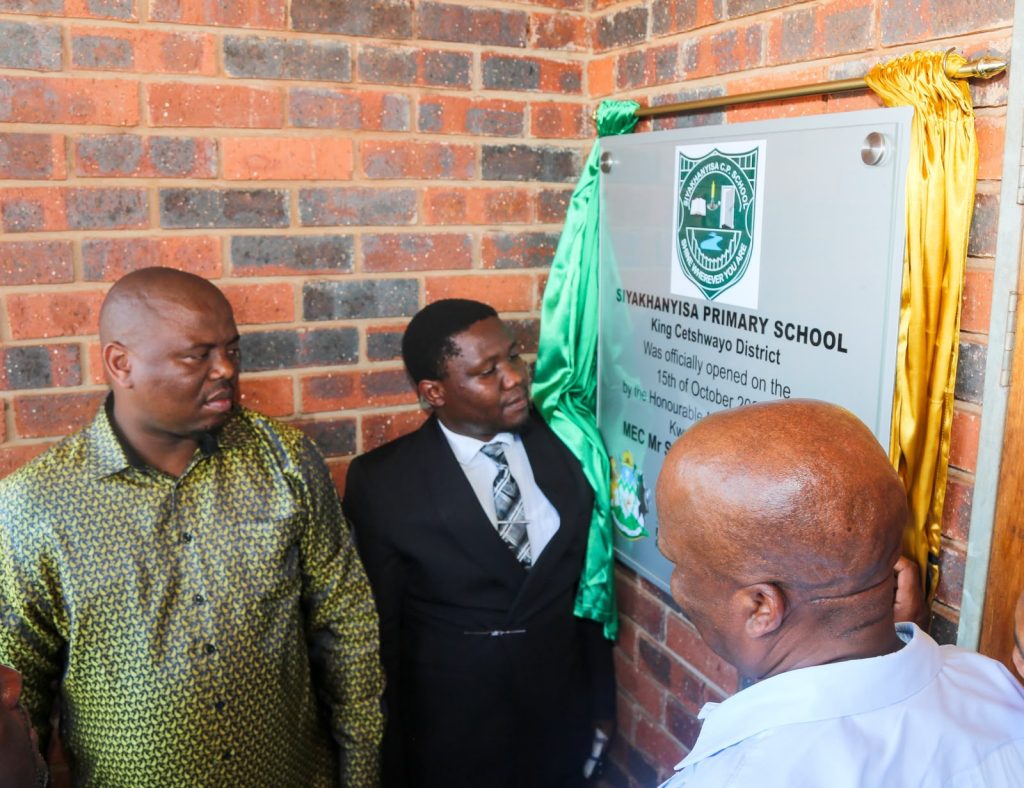
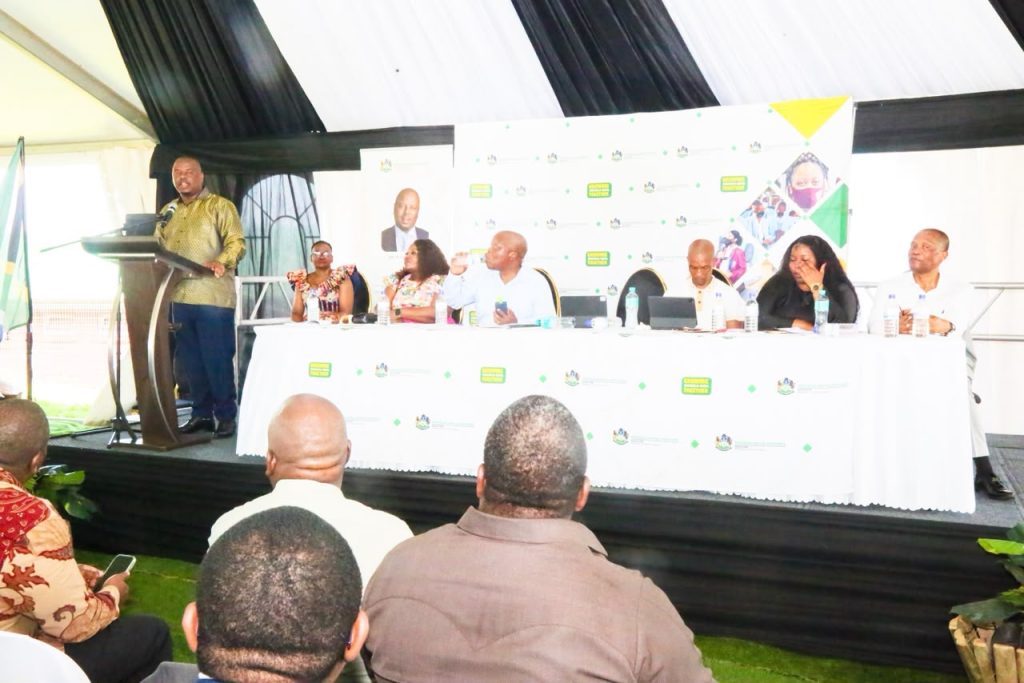
The KwaZulu-Natal Department of Education (KZNDOE) has officially opened the R83.2 million Siyakhanyisa Primary School in Zidedele, King Cetshwayo District. 

KZN Education MEC Sipho Hlomuka opened the facility on Thursday, accompanied by his Head of Department, Nkosinathi Ngcobo.

ALSO READ: Cachalia calls for borderless fight against drug trafficking networks

“We are pleased with the work that has been done. We have a constitutional obligation to provide our learners with schools, learner support materials and the human resources they need to succeed,” said Hlomuka.

The project has delivered an expanded range of facilities designed to accommodate the school’s educational and administrative needs, the department said.

This includes 13 standard classrooms and five Grade R classrooms, three multipurpose rooms, a media centre, computer room and a team teaching and activity room.

The school also has an administration block containing the principal’s and deputy principal’s offices, a general office, a staffroom with a kitchen, stationery and general stores, a printing room, and separate sick rooms for male and female learners.

Additional facilities include four Heads of Department offices, teachers’ workrooms, a counselling suite and dedicated storage areas.

The school also has a National School Nutrition Programme kitchen, a garden store, changerooms and ablution facilities — 15 toilets for girls, 18 toilets and urinal spaces for boys, six teachers’ toilets, a toilet for the disabled, and separate ablution facilities for Grade R learners and their teacher.

The development also has a guardhouse, perimeter fencing, 46 parking bays, a flagpole, assembly area, hardened courtyard, combi court and soccer field.

“The facilities were intended to create a safer and more supportive environment for curriculum delivery, administration, sport and extracurricular activities,” the department said.

Hlomuka said the construction project had contributed to the local economy through the creation of 59 jobs, including opportunities for young people and women.

The project was implemented by the Coega Development Corporation, with Afriscan Construction (Pty) Ltd appointed as the contractor. 

ALSO READ: Sibiya bail ruling delayed as state warns of witness threats

The school replaces the park homes in which the institution previously operated.

School principal Ntethelelo Shandu, who presented a report on the school’s development, said the institution had been operating since 1978 and had continued striving for academic excellence despite previously being housed in park homes.

“We were once housed in park homes, yet our academic performance has always been of a high standard. With this new infrastructure, the sky is the limit,” said Shandu.

Hlomuka urged the Zidedele community to protect the school against vandalism, emphasising the importance of safeguarding the infrastructure for current and future generations of learners.

INSIDE EDUCATION

The post R83.2m Siyakhanyisa Primary School officially opens in KZN appeared first on Inside Education..