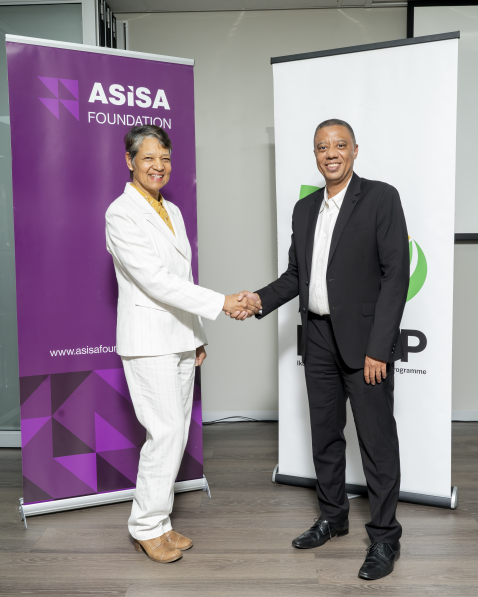
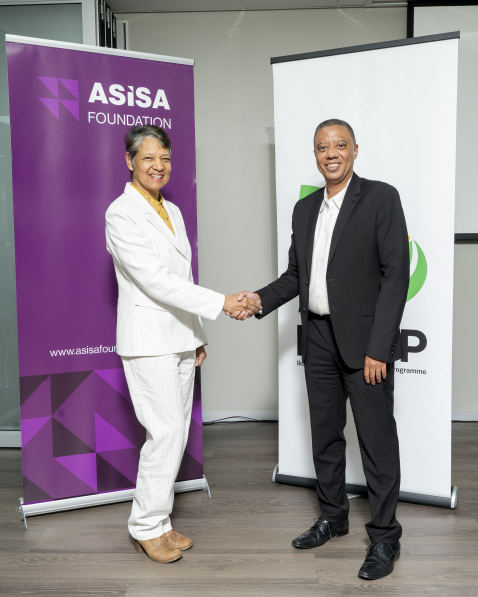
The Ikusasa Student Financial Aid Programme (ISFAP) and the ASISA Foundation have partnered to launch a new actuarial science bursary and financial literacy programme aimed at expanding access to one of South Africa’s critical scarce-skills professions.
The initiative, launched at the South African Institute of Chartered Accountants (SAICA) offices in Bryanston, will provide full bursary funding and support to 15 undergraduate and postgraduate actuarial science students from poor and missing-middle households across five universities.
Under the partnership, the ASISA Foundation will fund the bursaries, while ISFAP will administer tuition payments, monthly allowances and provide academic and psychosocial support to help students complete their studies.
The programme also incorporates the ASISA Foundation’s L+EarnSecure The Bag digital financial literacy programme, which aims to equip beneficiaries with long-term money management and financial planning skills.
According to the programme framework, at least 90% of beneficiaries will come from African, Coloured and Indian backgrounds, while the initiative targets a minimum annual student retention rate of 90%.
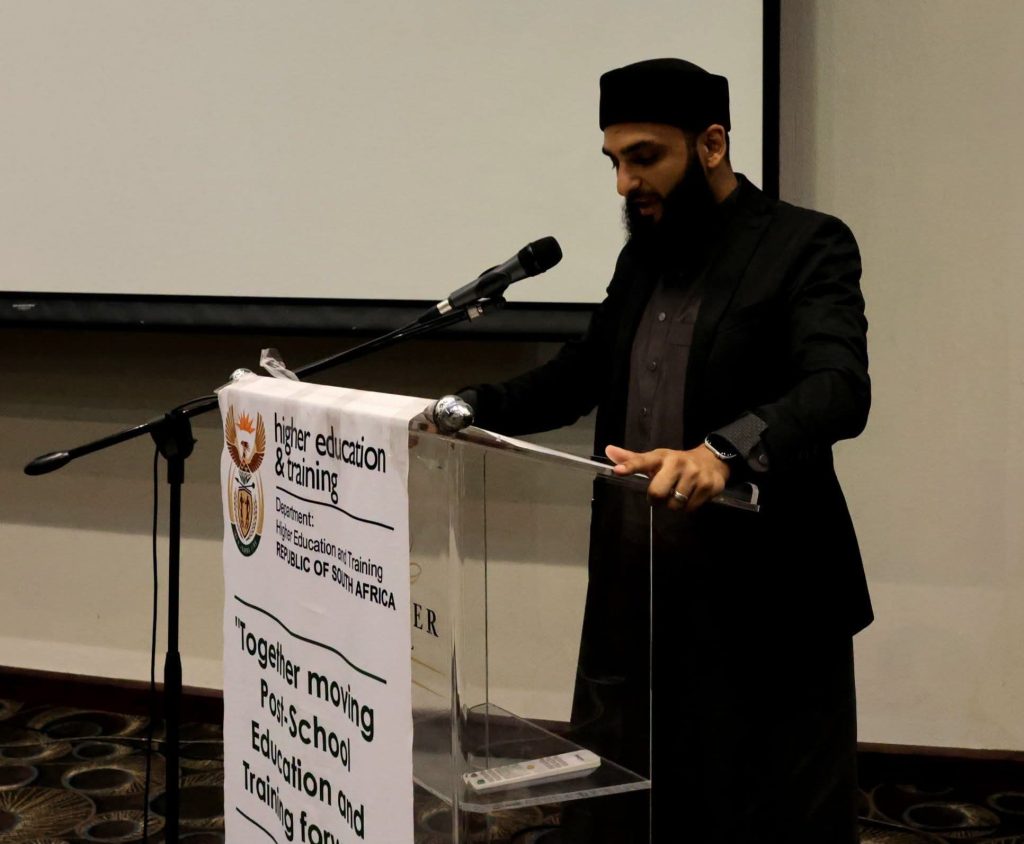
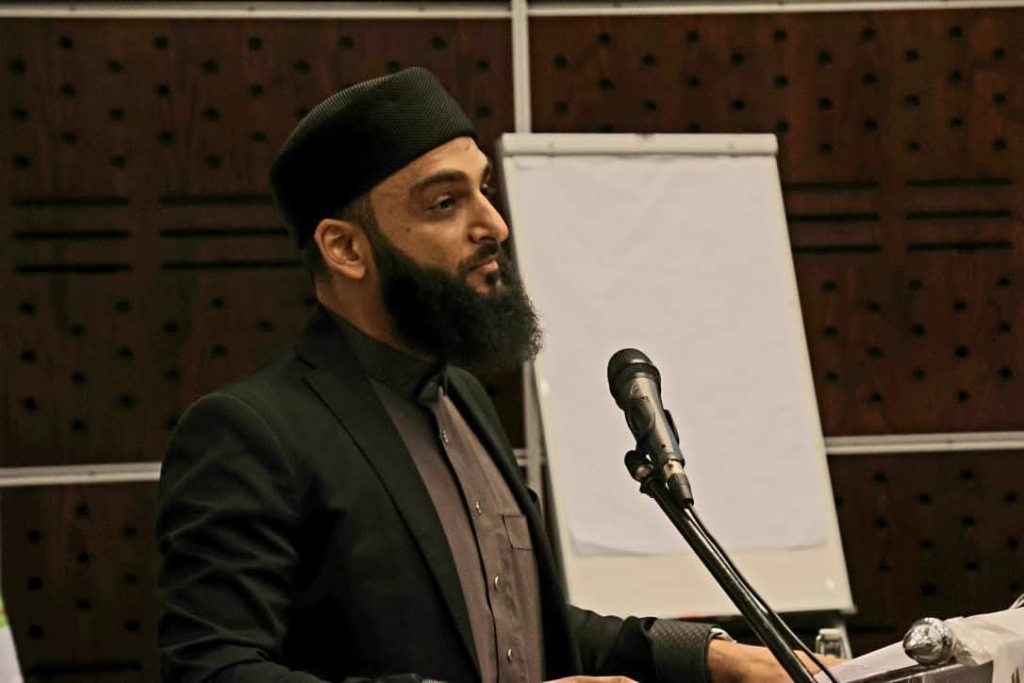
Speaking at the launch, ISFAP board member Dr Portia Maluleke said many talented young South Africans were prevented from reaching their potential because of limited access to educational opportunities.
“The actuarial profession is one of South Africa’s most critical scarce-skills professions. It requires exceptional intellectual ability, resilience, discipline and determination,” she said.
ASISA Foundation chief executive officer Ruth Benjamin-Swales said the programme sought to do more than provide financial support.
“True development goes beyond funding; it shapes mindsets. Through this programme, we want to equip students to lead ethically and become active citizens who help solve the challenges our country and the world face,” she said.
ISFAP chief executive officer Werner Abrahams said the initiative demonstrated the impact that could be achieved through collaboration between organisations committed to expanding educational opportunities.
The partnership is designed to increase the number of actuarial graduates entering the profession while improving financial literacy among beneficiaries, contributing to efforts to diversify and strengthen South Africa’s actuarial talent pipeline.
The launch was attended by stakeholders from the higher education and financial sectors, including representatives from the South African Actuarial Development Programme and the Actuarial Society of South Africa.
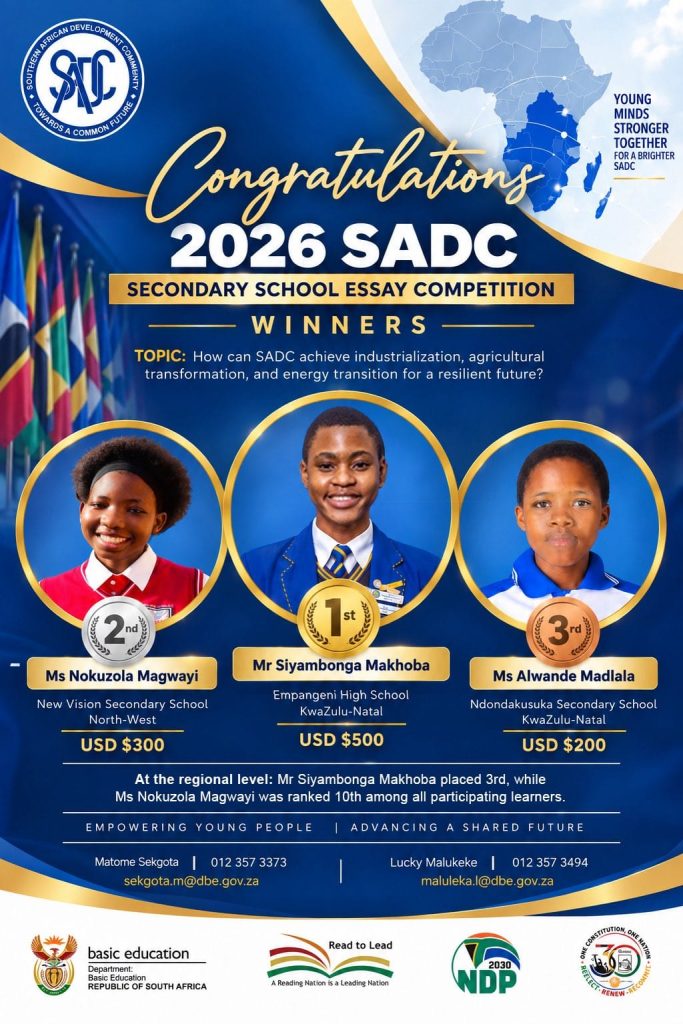
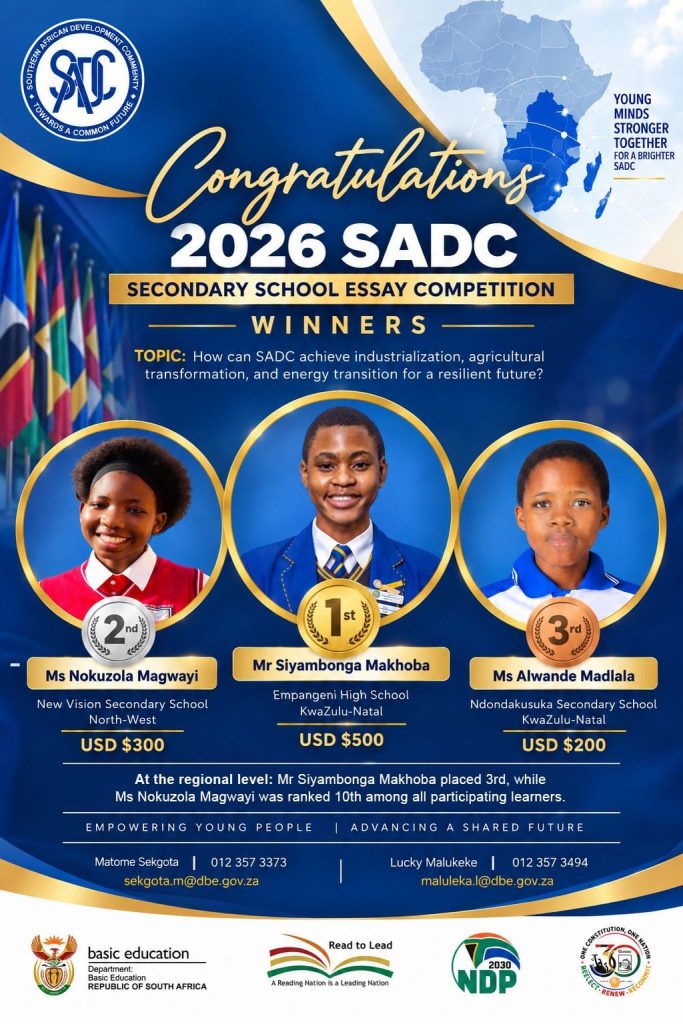
South African learners have raised the country’s flag high at the 2026 Southern African Development Community (SADC) Secondary School Essay Competition, with KwaZulu-Natal learner Siyambonga Makhoba securing third place in the regional competition.
Makhoba, from Empangeni High School, was awarded US$750 (R12 000) and a certificate for his third-place finish. As one of South Africa’s regional finalists, he also received US$500 (R8000).
Nokuzola Magwayi of New Vision Secondary School in the North West was ranked tenth among participating learners.
The competition brought together secondary school learners from across the 16 SADC member states.
The SADC Secretariat annually allocates US$1,000 (R 16 000) to participating member states to be allocated to their top three learners, who then advance to the regional stage.
At the regional stage, the winners collectively share US$3,250 (R53 000), with certificates recognising their achievements.
Zimbabwe’s Thulani Mahambire emerged as the regional winner, walking away with US$1,500 and a certificate, while Dirse Carmem Francisco of Mozambique took second place and received US$1,000 and a certificate.
The Department of Basic Education (DBE) congratulated Makhoba, Magwayi and Alwande Madlala of Ndondakusuka Secondary School in KwaZulu-Natal, who were among South Africa’s top finalists.
Magwayi received US$300 (R 5 000), while Madlala took home US$200.(R 3000).
The three learners emerged as South Africa’s top finalists following a rigorous selection process by the DBE and regional adjudicators.
The learners were required to submit essays of up to 1,000 words on the topic: “How can SADC achieve industrialisation, transform agriculture, and energy transition for a resilient future?”
The theme was derived from the priorities of the 45th Ordinary SADC Summit of Heads of State and Government, held in Madagascar in August 2025.
The competition challenged young people to examine some of the region’s most pressing development priorities and put forward ideas on how Southern Africa can build a more resilient and sustainable future.
According to the DBE, the South African finalists produced thought-provoking ideas focused on industrialisation, agricultural transformation and energy transition.
“Well done to our learners for representing South Africa with distinction!,” the department said in a statement.
SADC said the competition provided a platform for young people to demonstrate their knowledge, creativity and understanding of regional issues, while encouraging greater engagement with the SADC integration agenda.
The competition also forms part of broader efforts to encourage youth participation in discussions around regional cooperation, development and sustainable growth.
SADC said the initiative brings together learners, students and media practitioners from across member states, creating a platform for participants to engage with issues affecting the region.
The organisation said the initiative demonstrates the importance of youth participation, informed public discourse and professional journalism in advancing regional integration, cooperation and sustainable development across Southern Africa.
The 2027 SADC competition is expected to be launched in November 2026, providing another opportunity for young people across the region to engage with issues shaping the future of Southern Africa.
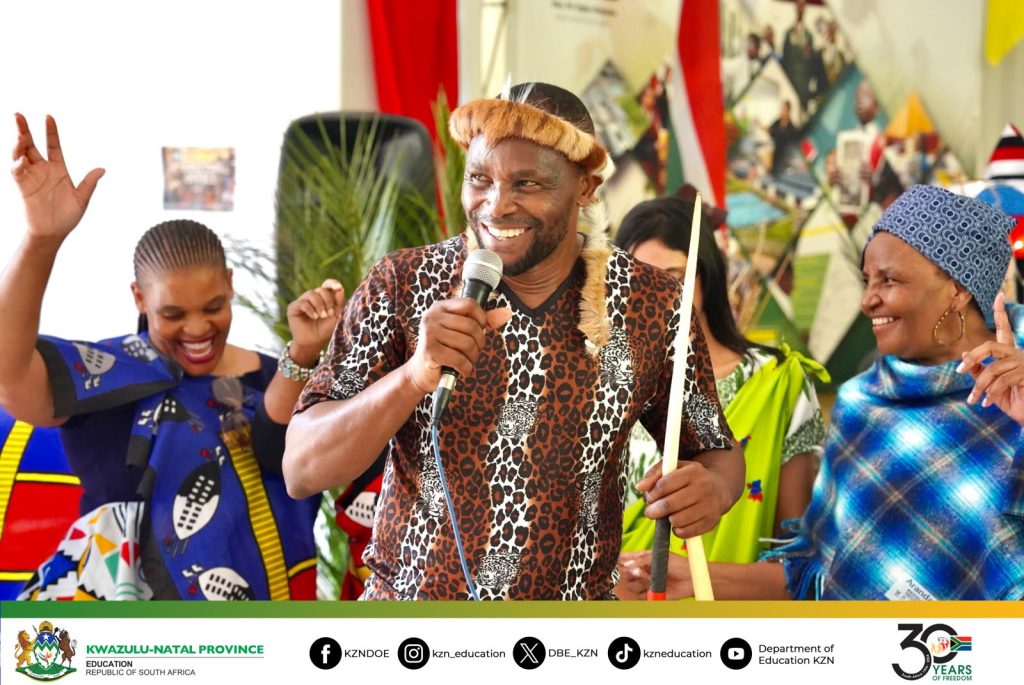
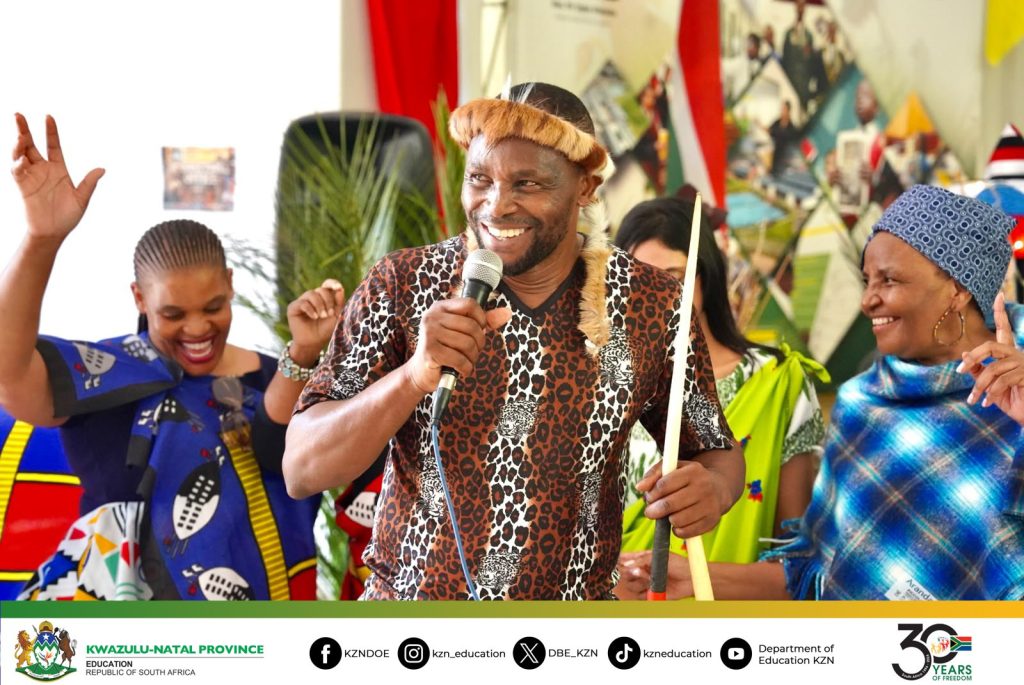
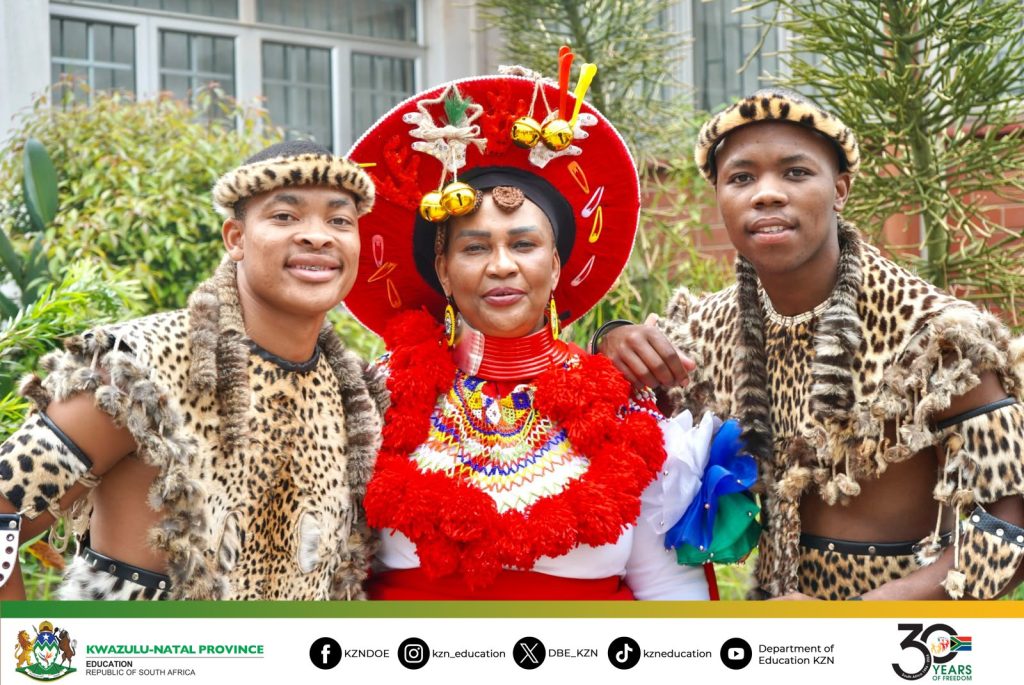
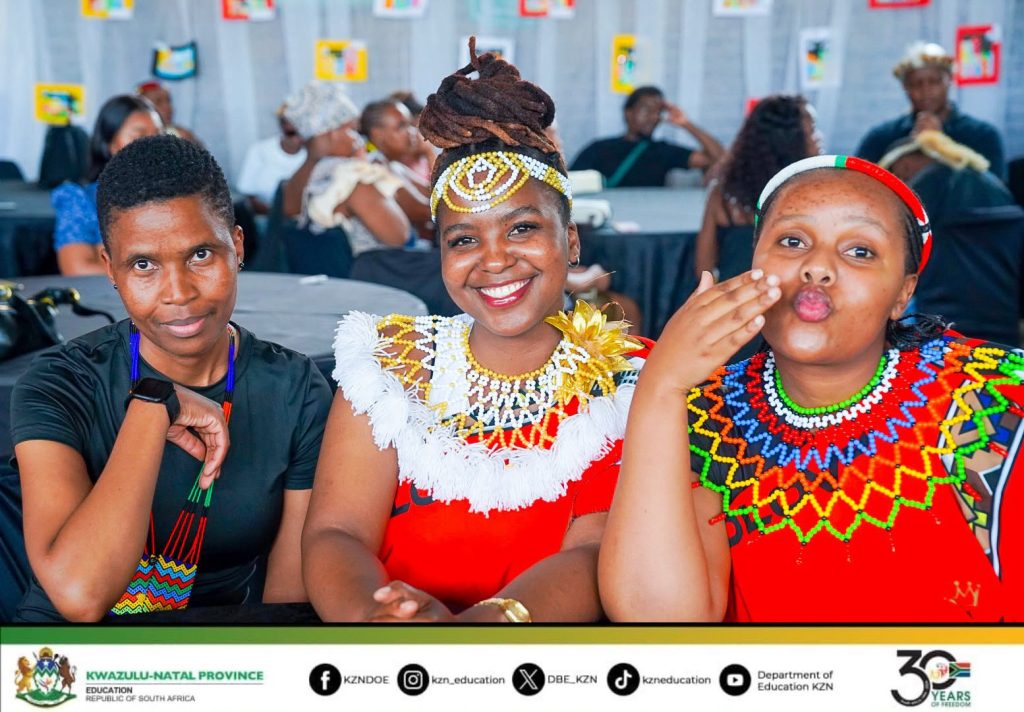
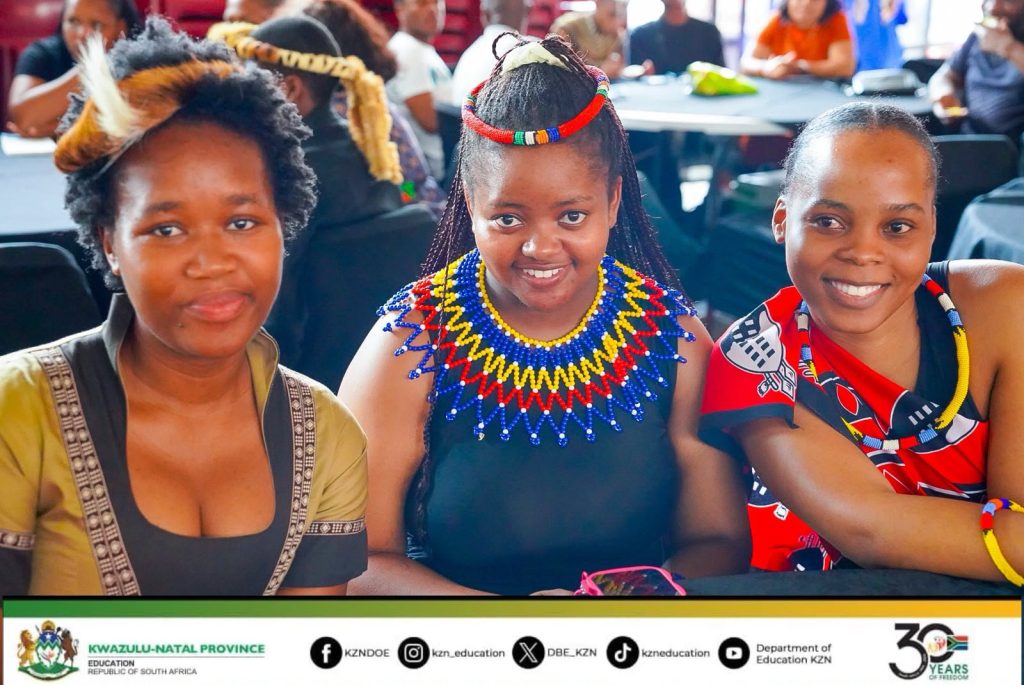
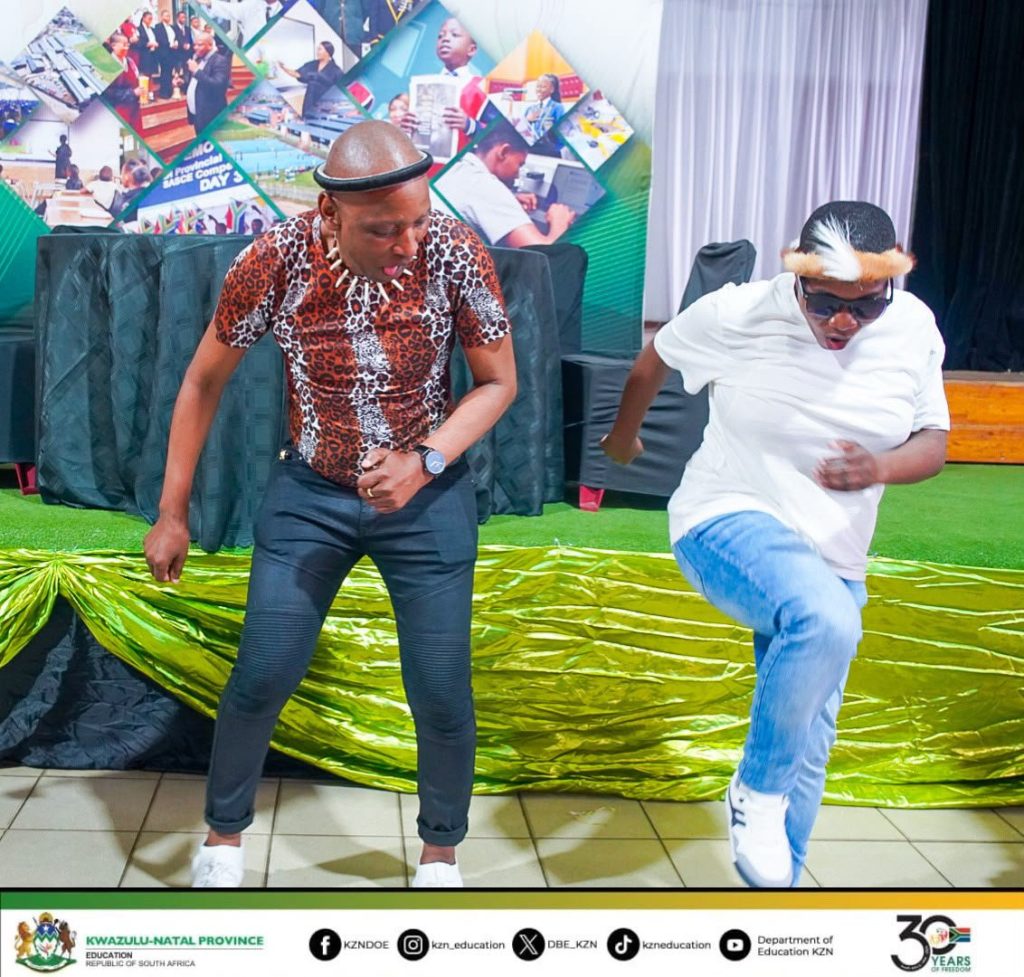
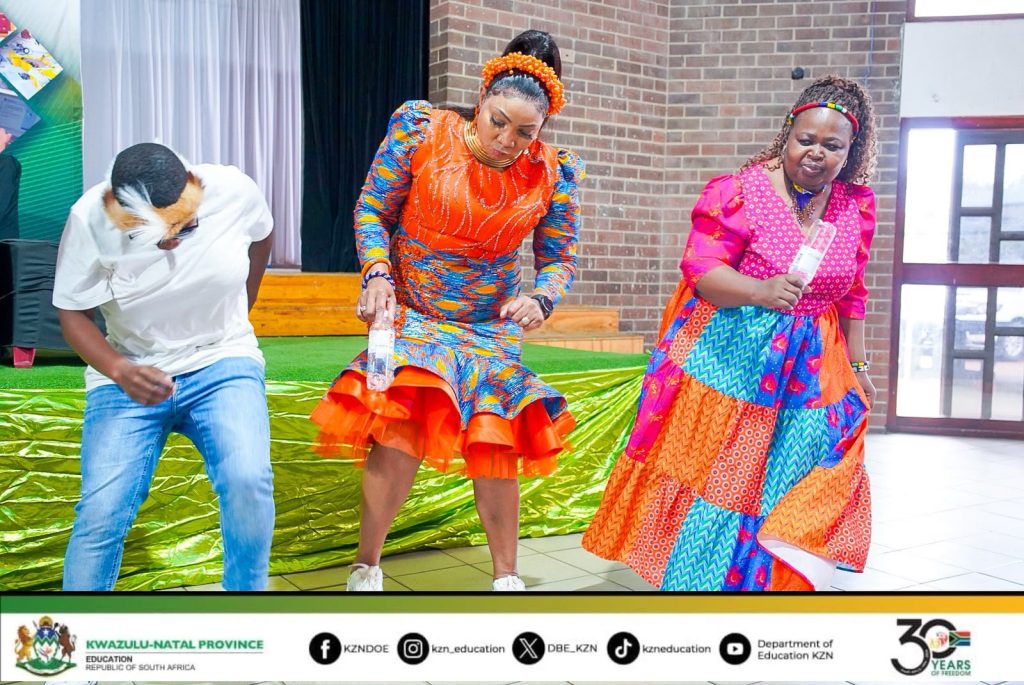
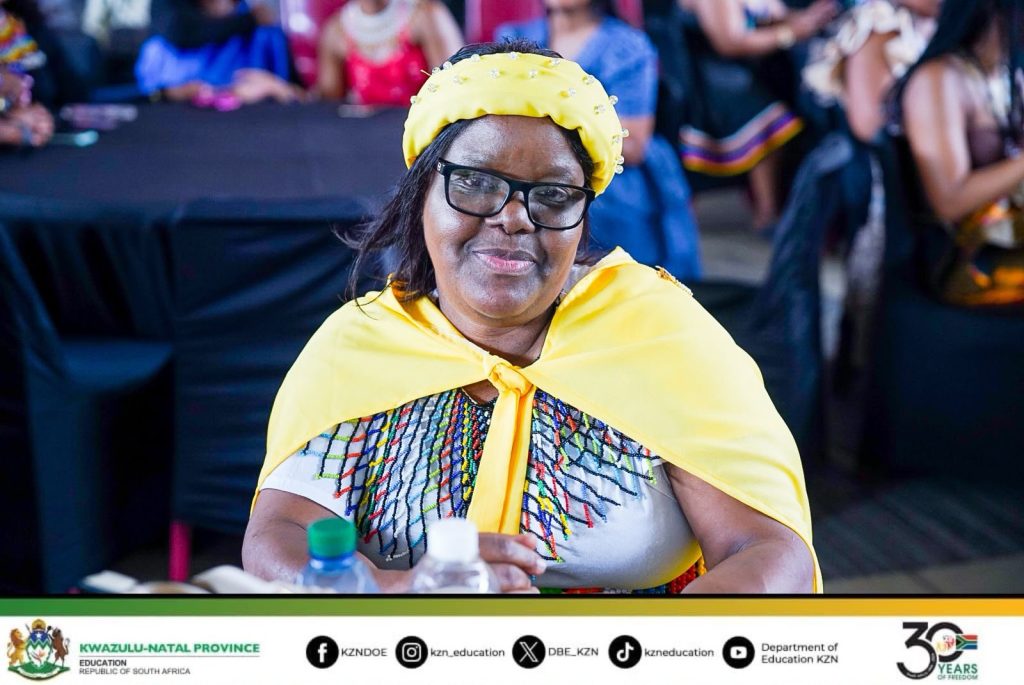
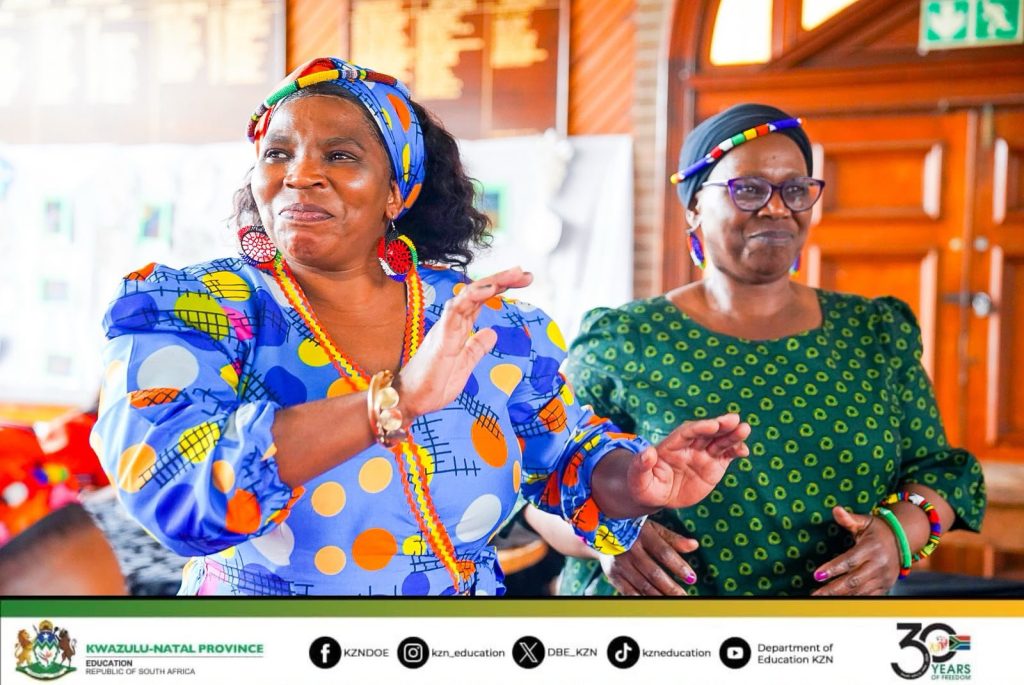
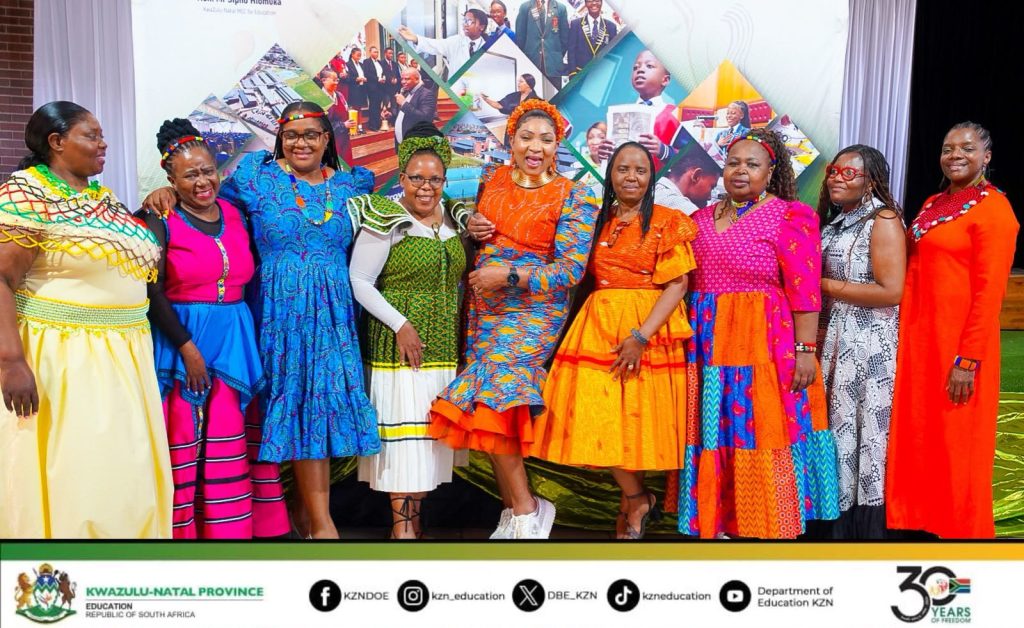
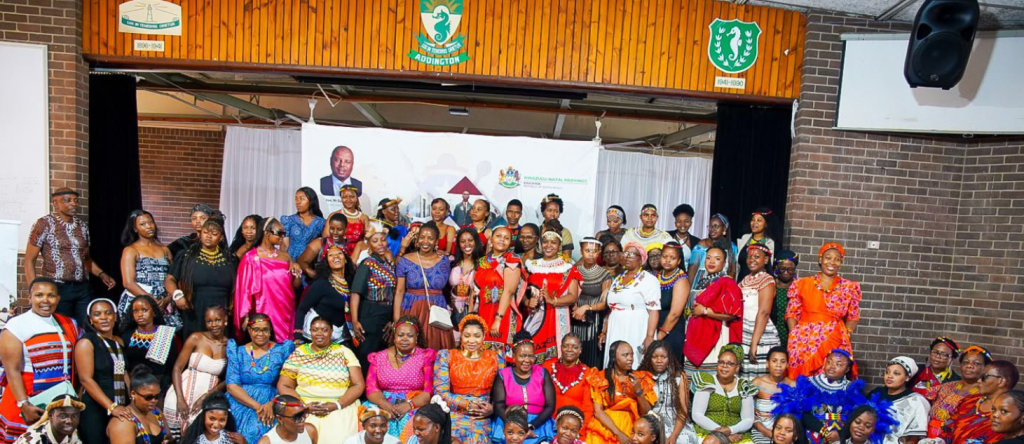
As South Africans mark Heritage Day today, learners, educators and community stakeholders gathered at the KwaZulu-Natal Department of Education’s Pinetown District Heritage Day 2026 celebration to honour the country’s diverse cultures, traditions and living heritage.
PINETOWN DISTRICT HERITAGE DAY 2026 | MORE HIGHLIGHTS
WATCH | More memorable moments from the Pinetown District Heritage Day celebration, as learners, educators and officials came together to honour the richness and diversity of South Africa’s living heritage. pic.twitter.com/lAioyTb1vD
The event, held on September 23, formed part of activities leading up to Heritage Day and highlighted the importance of preserving cultural identity while fostering unity in diversity.
The celebration featured vibrant performances by learners and educators, showcasing traditional songs, dances and creative cultural expressions reflective of South Africa’s rich multicultural landscape. The programme also emphasised the role of storytelling, indigenous music, language and custom in connecting younger generations with their heritage.
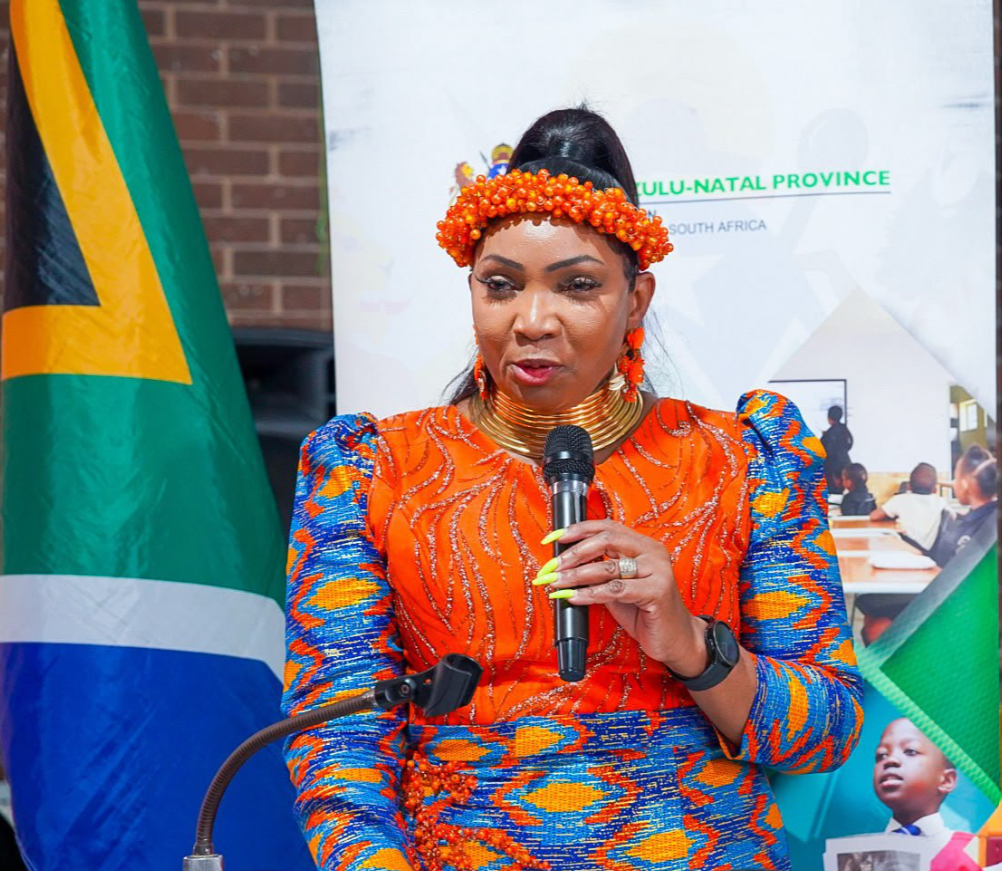
A key address was delivered by Professor Otty Nxumalo, who reflected on the significance of preserving cultural traditions and ensuring that future generations remain connected to their roots.
PINETOWN DISTRICT HERITAGE DAY 2026 | HIGHLIGHTS
WATCH | Highlights from the Pinetown District Heritage Day celebration, bringing together learners, educators and officials to celebrate South Africa’s rich cultural heritage under the theme pic.twitter.com/KRrBpyeNkT
Discussions during the event focused on issues of identity, community belonging and the collective responsibility of safeguarding local heritage. Participants highlighted the importance of passing cultural knowledge from one generation to the next to ensure that traditions remain relevant and vibrant in a rapidly changing society.
The celebration underscored the value of heritage as a source of pride, social cohesion and nation-building, with learners encouraged to embrace and celebrate the cultural diversity that defines South Africa.
Heritage Day, observed annually on September 24, provides South Africans with an opportunity to reflect on the country’s rich cultural mosaic and the traditions, languages and histories that contribute to its national identity.
The Pinetown District Heritage Day celebration served as a reminder that preserving heritage is not only about remembering the past, but also about strengthening communities and building a shared future rooted in mutual respect and understanding.
The Community Education and Training (CET) college workforce and organisational structures could be reconfigured as government develops a new delivery model built around hybrid learning, technology and community-based learning hubs.
Deputy Higher Education and Training Minister Yusuf Cassim said on Tuesday that changing how teaching and learning were delivered would require the department to reconsider how the CET workforce itself was organised.
“If we change the delivery model, we must also be prepared to reconsider the way in which the CET workforce is organised. We cannot redesign teaching and learning while assuming that the organisational structure must remain exactly as it is,” Cassim said.
He made the remarks while addressing newly appointed external members of CET college councils during their induction workshop.
“The first question must be: What kind of CET system do we want to build? Once we have answered that, we can determine what functions are required, what skills are required, what roles are required and, ultimately, what organisational structure will best support that model.”
CET colleges serve adults and out-of-school youth, including people seeking second-chance education, skills development and pathways to improved livelihoods.
The Department of Higher Education and Training’s 2026/27 Annual Performance Plan already provides for the development of an “ideal CET college” or Community Learning Centre model. It sets a target for the policy framework and guidelines to be approved by the minister for public comment by 31 March 2027.
Cassim said the restructuring process would have to be phased and based on evidence, with the department determining what could be implemented immediately, what should first be piloted and what could eventually be expanded.
“I believe we must explore a model in which good teaching can reach many more learners. If an educator has demonstrated particular excellence in a particular area of the curriculum, why should that expertise remain confined to one classroom or one learning site?” he asked.
“This is not about replacing the educator. It is about extending the reach of good teaching and giving our educators better tools to support learners.”
Under the model Cassim outlined, high-quality teaching material could potentially be developed centrally and made available digitally across different parts of the country, while educators and tutors based closer to learners would provide face-to-face explanation and support.
He also proposed exploring ways of combining digital teaching material with local-language learner support.
Cassim said the department should investigate which modules could effectively be delivered online and how existing buildings, ICT laboratories and learning sites could be turned into a network of connected learning spaces.
He said the department was also considering learning hubs closer to rural and underserved communities, potentially reducing the distance students have to travel to access education.
“Imagine a learner who does not have to travel long distances simply to access an educational opportunity but can go to a properly equipped local learning centre, access digital content and receive support from trained tutors,” Cassim said.
Cassim cautioned that the exercise should not simply become a cost-cutting programme.
“Our responsibility is therefore not simply to reduce costs. It is to ensure that the resources available to CET are aligned with the outcomes we want to achieve,” he said.
“We must ask whether our expenditure is helping us reach more learners, improve teaching and learning, strengthen infrastructure and provide meaningful opportunities to communities. We must be prepared to make difficult choices, but those choices must be driven by a clear educational purpose.”
Earlier this year, the department and Services SETA announced a R90 million commitment to strengthen CET infrastructure and learning environments, with R10 million earmarked for each of the nine provincial CET colleges.
Cassim said existing public infrastructure could also be used more effectively and called for partnerships with private companies, communities and other organisations to expand skills training.
“Government does not have to do everything alone, but government must provide the leadership, framework and accountability to ensure that these partnerships serve a clear public purpose.”
The newly appointed CET college councils began five-year terms on 1 September following a nomination, assessment, selection and vetting process. Cassim told council members they would be expected to oversee the sector while it undergoes the proposed reforms.
He also told them to exercise strict oversight over public money, procurement, internal controls and institutional assets.
“Public trust is not something a Council inherits. It is something a Council must earn and protect,” Cassim said.
He said the eventual objective was not simply to digitise the system, but to use technology, infrastructure, staff and partnerships to extend access and improve the quality and relevance of CET education.
“The question is no longer simply what CET has been. The question is what CET can become.”
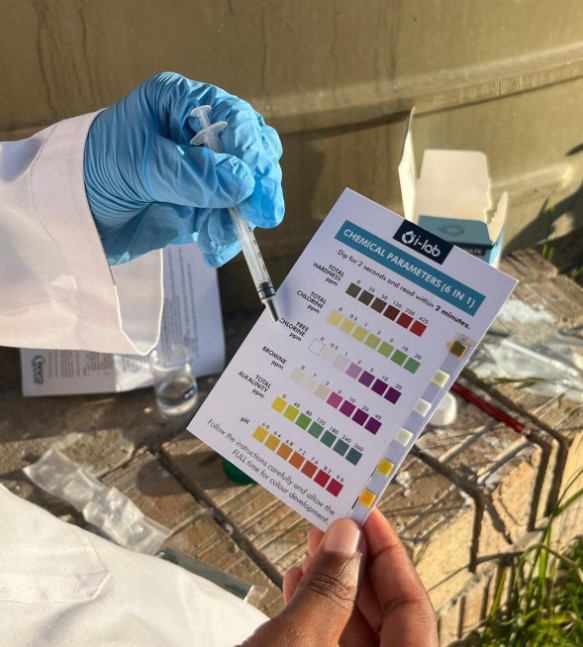
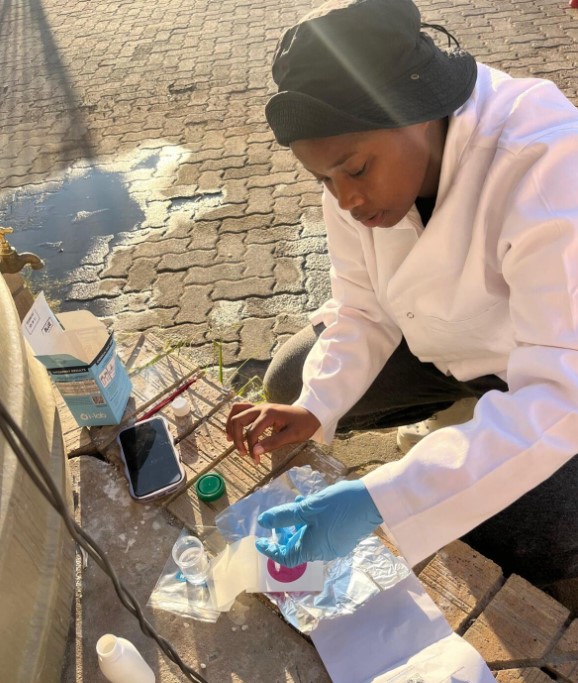
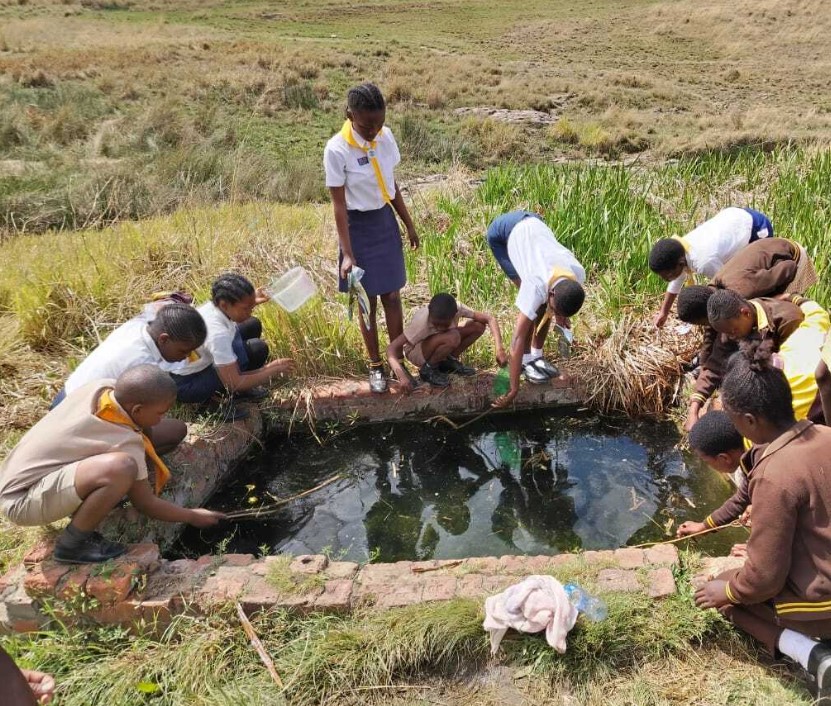
School learners and university students were among thousands of citizens recruited to test water sources across South Africa after WaterCAN distributed more than 500 testing kits for its fifth annual Water Testing Week.
The citizen science campaign, which ran from 14 to 18 September, involved community leaders, learners, university undergraduates and water activists testing water from rivers, taps, JoJo tanks and dams across the country.
WaterCAN said the initiative was aimed at giving communities the tools to observe water quality, record evidence and strengthen accountability over the management of water resources.
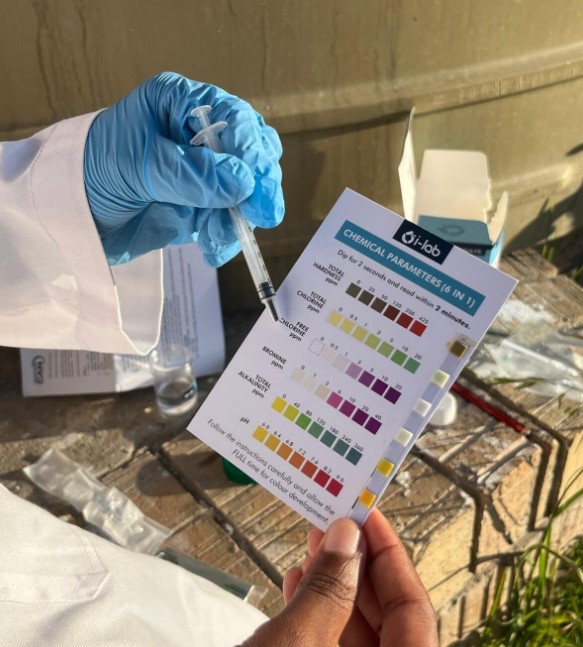
Participants used testing kits to assess indicators including pH, chlorine, nitrates, nitrites, phosphates, hardness, alkalinity and metals. They also recorded the location and condition of each water source.
WaterCAN Citizen Science and Training Coordinator Nomsa Daele said the campaign was intended to place credible information directly in the hands of communities.
“People have a right to know what is happening with the water they drink and the rivers, streams and dams they depend on. By testing, recording and sharing results, citizens are not only observing their water — they are creating evidence that can be used to demand answers and action,” Daele said.
The results were uploaded to WaterCAN’s MapMyWater platform, which allows the public to view testing locations, water sources and recorded results.
WaterCAN said it was using the platform to build what it describes as South Africa’s largest independent, citizen-led water database, with individual test results contributing to a broader picture of water conditions across the country.
The organisation said the information could help communities identify patterns, raise concerns and engage municipalities and other authorities responsible for supplying safe water and protecting water resources.
WaterCAN said it would analyse the findings from testing week and use the results to support community advocacy and calls for greater transparency and responsiveness in water governance.
The organisation said that citizen science could not replace official water testing, but added it could provide communities with an early-warning and accountability tool.
It called on municipalities and water authorities to investigate concerning community test results and communicate directly with affected residents.
The campaign took place as WaterCAN also raised concerns about the vulnerability of South Africa’s water systems to failures in other infrastructure, particularly electricity networks.
In a separate statement following recent water disruptions in Gauteng, WaterCAN welcomed a coordinated intervention by national, provincial and municipal authorities, Rand Water and Eskom to address electricity failures affecting water supply.
A joint statement by the Department of Water and Sanitation, Gauteng government, Rand Water, Eskom, the City of Johannesburg and Emfuleni Local Municipality acknowledged that the problem was not insufficient electricity supply, but the need for municipal electricity distribution networks to be better maintained and strengthened.
The power interruptions affected the Eikenhof, Zwartkoppies and Vereeniging systems, disrupting water supplies across Johannesburg, Emfuleni, the West Rand and parts of North West.
WaterCAN executive director Dr Ferrial Adam said failures in one part of the infrastructure network could rapidly affect another.
“We need to start treating the infrastructure that keeps our water systems running as critical infrastructure that must be maintained, protected and prioritised,” Adam said.
“The challenge is also the silos that exist within municipalities and between different spheres of government. In Johannesburg, for example, electricity and water are managed by separate entities, yet a failure in the electricity network can have an immediate impact on the water supply. The infrastructure is interconnected, so the response has to be integrated too.”
WaterCAN welcomed the establishment of a joint technical working committee and weekly intergovernmental meetings involving institutions responsible for electricity and water infrastructure in Gauteng.
“This is also the kind of intergovernmental cooperation we need across the country, and not only when there is a crisis in Johannesburg. We need regular cooperation between the different institutions responsible for water and supporting infrastructure, backed by clear communication and transparency about the problems affecting water delivery and what is being done to fix them.”
Adam said the Gauteng intervention should be used to identify similar weaknesses in water systems elsewhere before infrastructure failures resulted in prolonged disruptions.
“We need to protect the infrastructure that keeps water flowing before it fails. That requires proper maintenance, investment, cooperation between government institutions and, most importantly, accountability.”
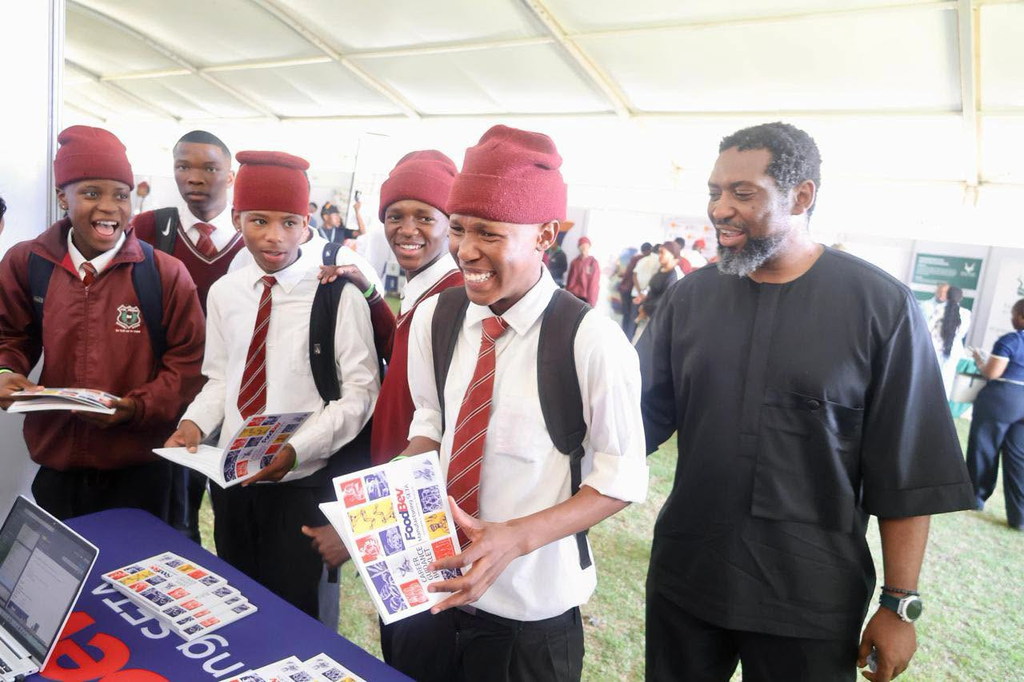
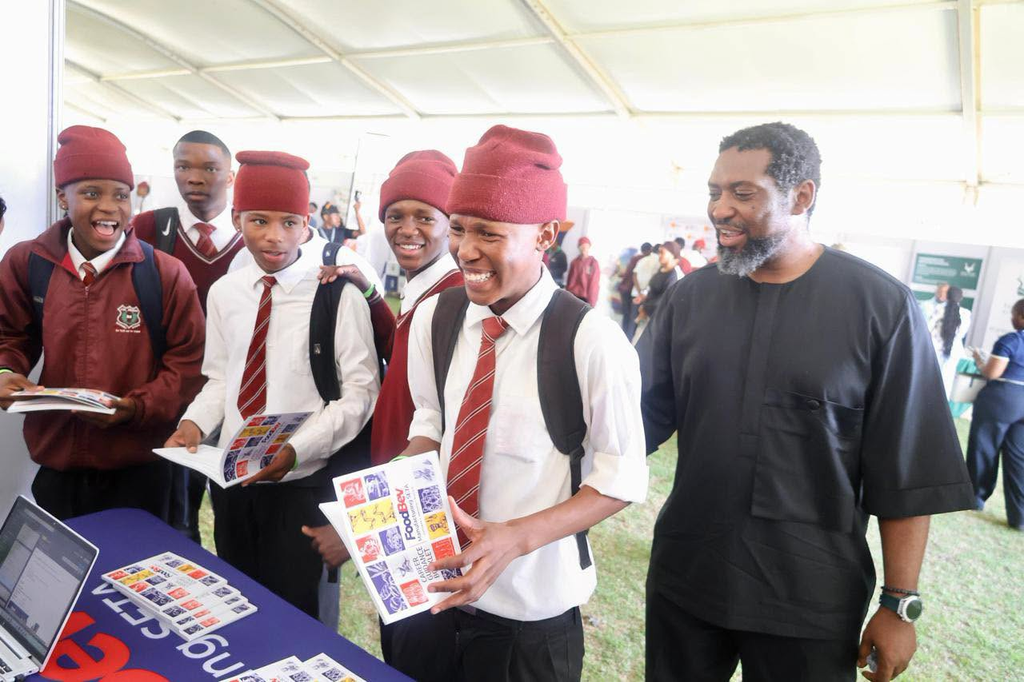
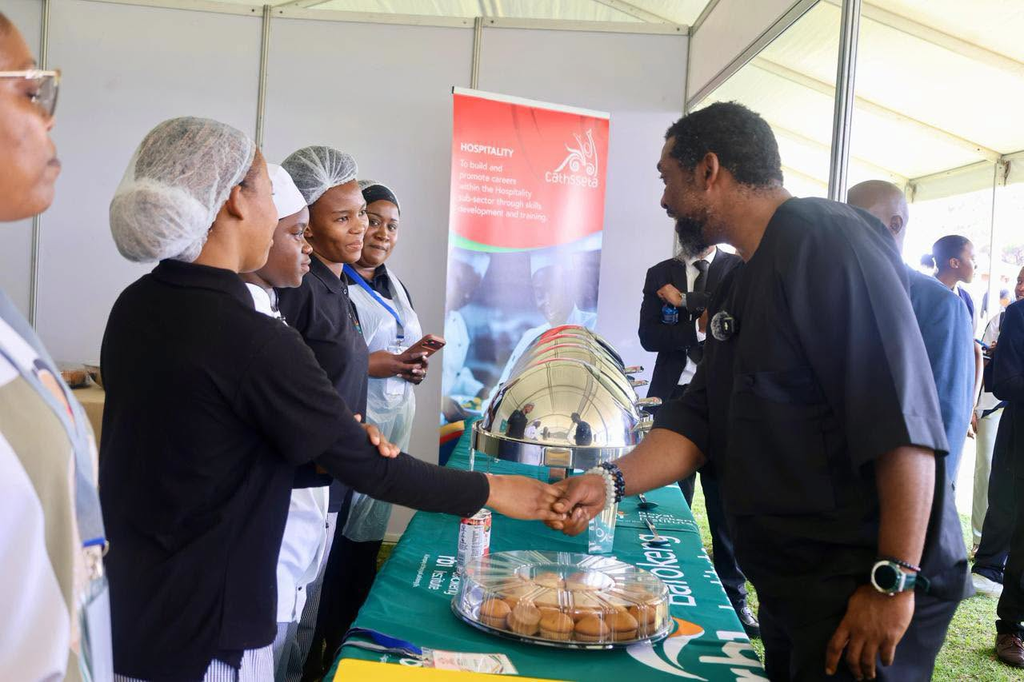
Higher Education and Training Minister Buti Manamela has urged young people to turn their passions for music, fashion, dance, culinary arts and poetry into careers, saying the creative and heritage sectors offer opportunities beyond traditional professions.
Speaking at the launch of the fourth Heritage Careers Expo at ORBIT TVET College’s Mankwe Campus in the North West on Tuesday, Manamela said young people should view their cultural interests as potential careers rather than hobbies.
The expo, held under the theme “Heritage to Wealth: Turning Culture into Careers”, connects learners and students with career, training, employment and entrepreneurship opportunities in South Africa’s cultural, creative and heritage industries.
Manamela said South Africa’s heritage carried both cultural and economic value and that young people needed to be equipped to develop that value through education, skills and enterprise.
“Our responsibility is to help young people develop that value through education, skills and enterprise,” he said.
He encouraged learners to challenge the perception that career success was limited to traditionally prestigious professions, saying passion should be an important consideration when choosing a field of study.
“Your passion can become your profession, and your heritage can become your career,” Manamela said.
He said some young people dropped out of universities and TVET colleges because they had chosen careers they were not passionate about.
“One of the biggest challenges which we have is that kids who drop out of university or TVET colleges may have chosen something that they’re not passionate about,” he said.
Manamela said careers in fashion, music, dance and culinary arts could be pursued through formal education, noting that many professionals in the creative sector had studied their respective fields at universities and other institutions.
He urged learners to use the expo to gather information about these programmes and discuss alternative career choices with their parents.
“When you get home, you must tell your parents that it’s not just actuarial scientists or all of these so-called sophisticated careers, that all careers must be given an opportunity,” he said.
The minister said perceptions of creative careers had also changed, with industries that were once dismissed increasingly providing opportunities for young people.
He urged learners to consider how technology and artificial intelligence could be incorporated into creative careers.
“The world has moved quite a lot since 2019 when we started the Heritage Career Expo. There’s been, in particular, technological advancement,” he said.
Manamela said young people entering creative fields needed to understand and use technology to develop their skills, enhance their knowledge and expand their opportunities.
He said the department wanted to see more young people pursuing careers as chefs, fashion designers, dancers, producers and other professionals linked to heritage and culture.
The minister also used the platform to call on young people to take a stand against gender-based violence and femicide.
With the country approaching the 16 Days of Activism for No Violence Against Women and Children campaign, Manamela urged young people to challenge gender-based violence wherever they found themselves.
“We have to send out the message against gender-based violence and femicide. We have to remain activists against gender-based violence and femicide,” he said.
He called on young people to carry the message into schools, villages, townships, churches and sporting environments, while urging young men to challenge harmful attitudes around masculinity and entitlement.
Manamela also said institutions of higher learning had a responsibility to provide safe environments for students.
“Our country will continue doing its best. Institutions of higher learning, TVET colleges, universities will continue to step up against gender-based violence, so that when you come to universities and TVET colleges next year, you find a safe environment to study at,” he said.
The minister said education institutions had an important role to play in equipping young people with the skills needed to combine heritage, technology, innovation and entrepreneurship.
The Heritage Careers Expo was initiated by Manamela during his tenure as deputy minister of higher education and training to promote careers in the heritage and creative sectors.
The fourth edition brought together school learners, TVET college students, government representatives, education institutions and industry stakeholders, with masterclasses and practical demonstrations forming part of the programme.
Manamela thanked the Sector Education and Training Authorities, particularly CATHSSETA, the North West provincial government, TVET colleges and industry stakeholders for supporting the initiative.
He encouraged learners to leave the expo with practical information about career opportunities and share what they had learnt with others.
“It may not be of use to you, it may be of use to somebody else,” he said.
“Let’s go out, let’s try a skill, let’s ask questions, and leave here with everything, all the information that you need.”
Three children were rescued after being caught in rip currents at Monwabisi Beach in Cape Town on Monday, when an NSRI crew returning from an unrelated drowning call spotted them being swept towards deeper water.
The two boys aged 10 and 11 and a 13-year-old girl were brought safely to shore and were not injured, according to Nicolette Whitehead, NSRI Strandfontein station commander.
Whitehead said the National Sea Rescue Institute’s Strandfontein duty crew had initially been activated at 16:34 following reports of a drowning in progress at Monwabisi Beach in False Bay.
“NSRI rescue swimmers responded directly to the scene while NSRI crew launched the NSRI rescue craft Rotarian Wares, at the NSRI auxiliary satellite station at Monwabisi,” Whitehead said.
The City of Cape Town water rescue network was alerted, while police, Western Cape Government Health EMS, Cape Town Fire and Rescue Service and City law enforcement officers also responded.
Whitehead said unconfirmed reports suggested a drowning incident had occurred about half an hour earlier, but rescuers were unable to establish exactly where it had happened and could not reach the eyewitness who raised the alarm.
“During a search of the area bystanders came forward and indicated that a female who had been in difficulties, appearing to be caught in rip currents, had been assisted safely out of the water by unidentified bystander Good Samaritans, and the casualty had since departed the beach,” she said.
With nobody found in distress or requiring medical attention, the call was cancelled and rescue teams began returning to base.
It was while the NSRI rescue craft was heading back to shore that the crew spotted the three children in difficulty.
“As our NSRI rescue craft was returning to shore our NSRI crew noticed three children, swimming nearby in shallow surf, they appeared to be caught in rip currents and they were being swept off their feet and starting to be swept out to sea,” Whitehead said.
“Our NSRI rescue craft diverted to where they were and was able to recover all three local children.
“They were brought to shore safely and not injured they were taken into the care of their parents and no further assistance was required.”
She said the circumstances surrounding the original drowning report had still not been confirmed.
“It still cannot be confirmed the original incident that had been responded to earlier but we are grateful that our NSRI crew, emergency services and the NSRI rescue craft was on hand at the time of the three children getting into difficulties and by chance preventing a possible drowning accident.”
On Monday, the organisation reported an increase in rescue activity along parts of South Africa’s coastline as warmer weather and the start of the school holidays drew more people to beaches and other waterways.
It urged swimmers, boaters, anglers and families to take additional precautions at beaches, swimming pools, rivers and dams as summer water activity increases.
The National Student Financial Aid Scheme (NSFAS) received 51,474 funding applications in the first four days of its 2027 application cycle.
It said on Tuesday that its latest application dashboard recorded a student headcount of 49,413 applicants for the 2027 academic year.
Of the applications received, 43,297 were from first-time entering students and prospective applicants, 6,865 from Further Education and Training applicants and 1,312 from senior applicants seeking funding.
A further 12,625 applicants indicated that they were beneficiaries of the South African Social Security Agency (SASSA), while 52 applications were received from students living with disabilities.
Women accounted for almost three-quarters of applications, with NSFAS recording 38,121 applications from female applicants, or 74.06%, compared with 13,353 from male applicants, or 25.94%.
Most applications were submitted by people aged between 18 and 29.
“The early application figures demonstrate the continued importance of NSFAS in enabling access to higher education and training for deserving South African students and reflect growing awareness of the opportunities available through government-funded student financial aid,” the scheme said.
The application period closes on 31 October.
“Prospective applicants are strongly encouraged to submit their applications as early as possible and not wait until the closing stages of the application period. Applicants are also urged to ensure that all required supporting documents are submitted correctly and that consent forms are completed where required to facilitate verification processes,” NSFAS said.
Applications can be submitted through the NSFAS website or its mobile application available on Android and Apple devices.
By Charmaine Ndlela Photos taken by Charmaine Ndlela
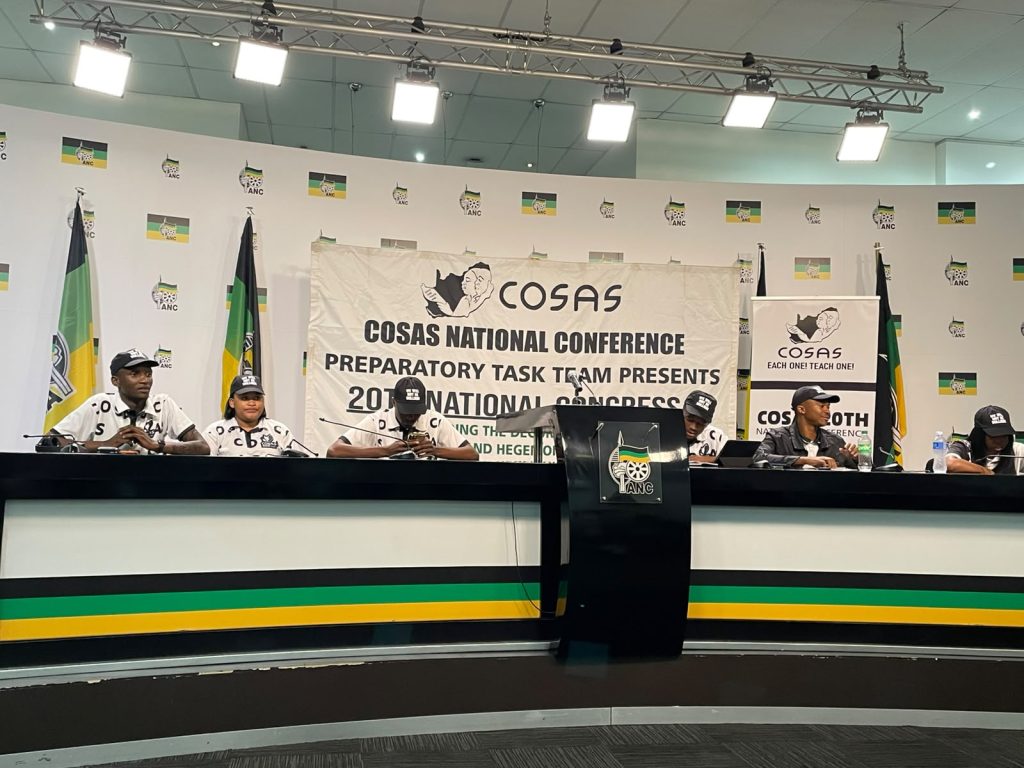
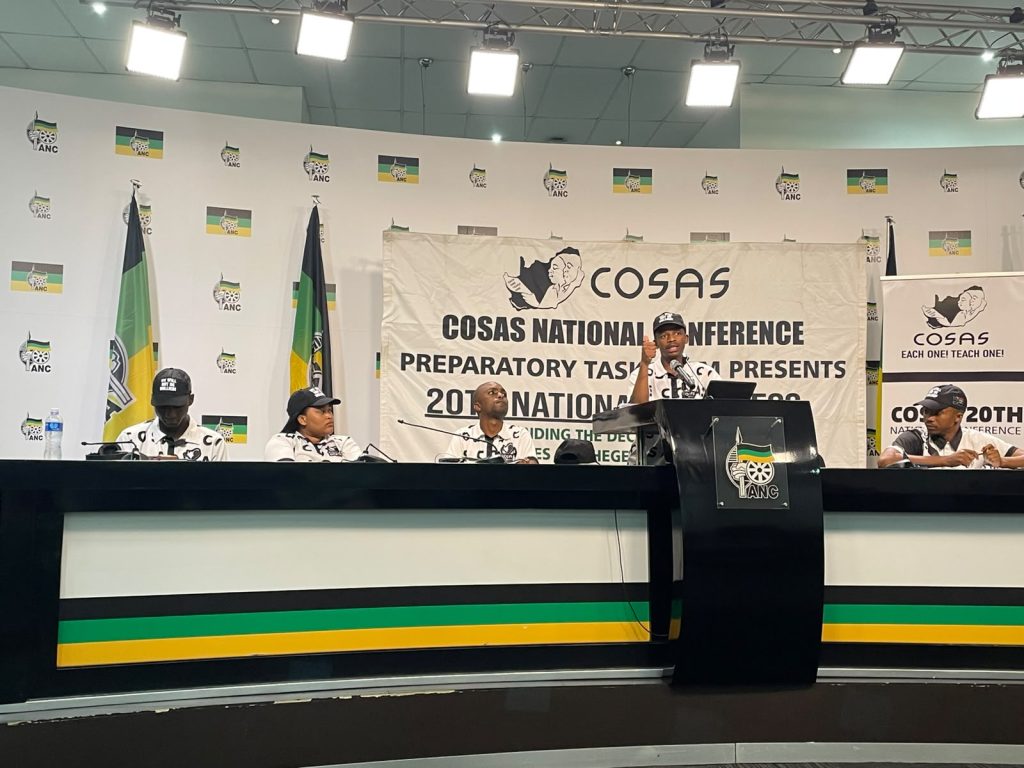
The Congress of South African Students (COSAS) has demanded that President Cyril Ramaphosa remove Basic Education Minister Siviwe Gwarube over the handling of the Foundation Phase textbook catalogue, implementation of education legislation, and the “targeting” of senior officials in the department.
Gwarube is a Democratic Alliance (DA) MP serving as Basic Education Minister in the Government of National Unity, while COSAS is an ANC-aligned student organisation.
The organisation has accused Gwarube of deliberately delaying implementation of the Foundation Phase National Catalogue for Grades 1 to 3 and says it will mobilise students if the President fails to act.
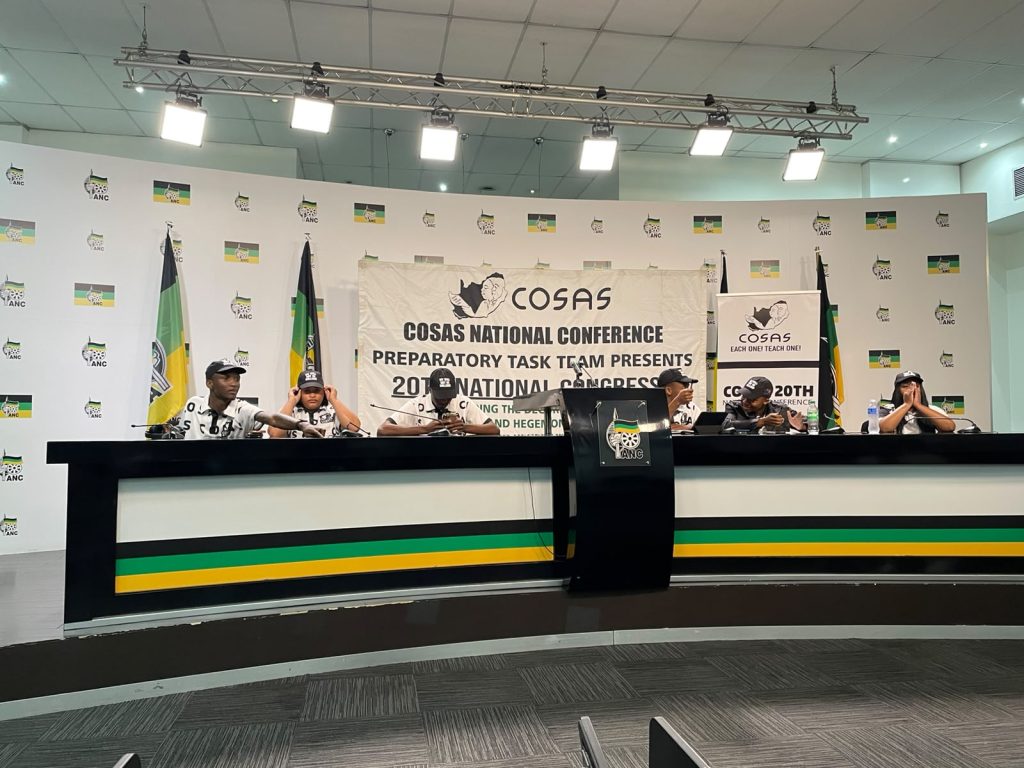
COSAS held a media briefing at Luthuli House Media Centre in Johannesburg on Tuesday, following the Department of Basic Education’s announcement that the 2026 Foundation Phase National Catalogue had been approved for immediate implementation.
The catalogue, which covers learning and teaching support materials for Grades 1 to 3, was endorsed by the Council of Education Ministers (CEM) on 18 September 2026, finally clearing the way for provinces to begin procurement for the 2027 academic year.
COSAS Secretary-General Unesongo Matikinca said the organisation remained concerned about the timing of the catalogue’s implementation and the potential impact on textbook procurement and delivery.
He said the organisation had been raising “concerns” about the minister and the state of basic education for about two years and believed the time had come to intensify its campaign.
“The president must act on this minister. And the action that is required now is that of a complete removal,” Matikinca said.
COSAS has also criticised Gwarube over the implementation of the Basic Education Laws Amendment (BELA) Act.
The organisation has accused the minister of delaying aspects of its implementation. The DBE, however, says the BELA Act has been in force since 24 December 2024 and that implementation is continuing, with further draft regulations published for public comment in August 2026.
Matikinca said COSAS was particularly concerned about the delay in finalising the Foundation Phase catalogue, which was an important link between learners and access to quality learning materials.
On 19 September, the DBE announced that the catalogue had been approved and endorsed and that provinces could use it immediately. The department said procurement had already commenced.
According to the DBE, the decision followed a review process involving an Auditor-General of South Africa audit, an independent investigation and legal opinions from the department’s internal legal services and external Senior Counsel.
In a statement, the department said the reviews had confirmed the integrity of the process and found “NO FRAUD, NO FAVOURITISM, and therefore NO BASIS TO CANCEL (sic)”.
However, that did not mean the process was found to be free of defects.
Earlier in September, the DBE said the independent investigation had identified material areas of non-compliance, governance weaknesses and potential procurement and financial-management risks.
Gwarube had maintained that allegations not being substantiated did not amount to the entire process receiving a clean bill of health, while the department said recommendations from the reviews would be incorporated into strengthened governance and administration around learning and teaching support materials.
“[B]y delaying this catalogue from being released, how does [Gwarube] expect provincial education departments to budget for a catalogue that she has released only on the 19th of September, whereas beginning of the next year, in January, learners from Grade 1 to 3 are supposed to receive textbooks?” Matikinca said.
He accused Gwarube of deliberately delaying the catalogue and alleged that political considerations were influencing the department.
The catalogue includes materials for Home Language, First Additional Language, Mathematics, Life Skills and Coding and Robotics, and provides for 40 readers per class and a core reader per learner.
According to the department, full implementation is projected to cost about R1.6 billion, compared with about R4.6 billion for equivalent requirements under the previous catalogue, a projected difference of about R3 billion.
COSAS has also alleged that political and private interests influenced the handling of the catalogue and that particular companies stood to benefit.
“These are the issues that we as COSAS are questioning. We are saying that there has been a lie that South Africans have been getting told over time to say there are irregularities in the process of the compilation of the catalogue,” Matikinca said.
“It is being delayed particularly because these big anti-progressive, anti-transformative multinational companies must benefit at the expense of learners. The DA is trying to sell the department to private individuals,” Matikinca said.
Matikinca also accused Gwarube of targeting senior black officials within the department and referred to the lifestyle audit involving Director-General Mathanzima Mweli.
“We’re going to defend those directors. We’re going to defend those staff members of the department that the minister continues to abuse through those personal attacks that she does and professional attacks as well,” Matikinca said.
Mweli said in a statement issued on Monday that he supported lifestyle audits and was willing to undergo one.
He disputed reports that he had refused an audit, saying his concerns related to how the process would be conducted, including the handling of confidential and personal information. He said he had himself proposed voluntary lifestyle audits involving the department’s senior political and administrative leadership.
The COSAS secretary-general also raised concerns about school infrastructure, nutrition, learner transport and overcrowding, saying greater attention should be given to conditions facing learners in disadvantaged communities.
“The rights of learners in particular are supposed to benefit from the work of the staff members that we are saying are being abused and are also being infringed,” Matikinca said.
“A good example is this catalogue that was issued late because of personal vendettas that the minister so happens to have with black progressives.”
COSAS president Kamogelo Nkosi said the organisation was no longer prepared to continue making demands without escalating its action.
Nkosi gave Ramaphosa seven days to remove Gwarube.
“We’re very disappointed by the President of South Africa, President Cyril Ramaphosa, that he doesn’t want to act,” Nkosi said.
He said the organisation intended to begin mobilising students for a march in the first week of October, with the date, route and other details to be announced later.
“We’re going to start next week, first week of October. We’re coming here with our students to demand the removal of the minister,” Nkosi said.
He said the mobilisation would also focus on school safety, learner transport and overcrowding.
“We know that we’re in the Government of National Unity. But the head of that Government of National Unity is the President, Cyril Ramaphosa. So he must act,” he said.
A donation of 500 pairs of school shoes to learners in Mpumalanga is aimed at removing basic barriers to school attendance and participation, the provincial education department said on Monday.
The Mpumalanga Department of Education, in partnership with ABSA Bank, handed over the shoes to learners at Kwena Combined School in Emakhazeni Local Municipality.
The department said the donation formed part of ABSA’s Community Development and Corporate Social Investment initiative, which focuses on supporting learners from disadvantaged backgrounds.
“When a learner comes to school without proper shoes, especially during winter, their ability to concentrate and participate fully is compromised,” the department said.
“This intervention will ensure that 500 learners can walk to school with dignity and be fully present in the classroom. It directly supports our efforts to improve attendance and retention.”
The department said many learners at Kwena Combined School travel long distances to school each day and that the new shoes would make a significant difference.
The school’s principal, on behalf of the School Governing Body and parents, thanked the department and ABSA, saying partnerships of this nature gave hope to schools and showed learners that their education mattered to the broader community.
ABSA representatives also reiterated the bank’s commitment to education as part of its community development work.
The bank said education remained a key tool in breaking the cycle of poverty and that it would continue working with government to support vulnerable learners across the province.
The department said the initiative was aligned with its Rhandza Xikolo Xa Wena, or Love Your School, campaign, a flagship programme led by the Premier which calls on business, traditional leaders, faith-based organisations, alumni and community members to support schools.
The campaign is based on the principle of Babize Bonke, which encourages collective responsibility and volunteerism in addressing challenges faced by schools.
The department said it would continue seeking partnerships with the private sector and other stakeholders to address learner needs, including infrastructure, learning materials, support and wellbeing.
“As government, we cannot do it alone. The partnership with ABSA today demonstrates the value of collective action in addressing barriers that may affect learners’ participation in education,” the department said.
“Every contribution towards a learner is an investment in the future of Mpumalanga and South Africa.”
The department thanked ABSA for the donation and called on other private-sector partners to support schools through the Rhandza Xikolo Xa Wena campaign.