Uncategorized

AI, digital innovation must be tools of liberation, says Manamela

By Levy Masiteng 

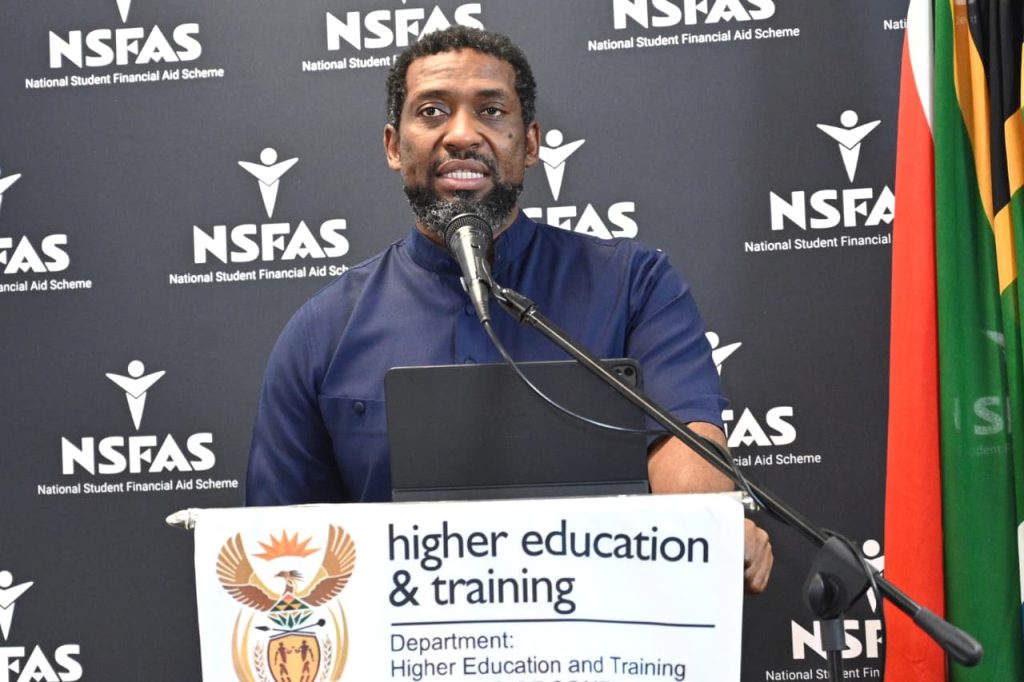
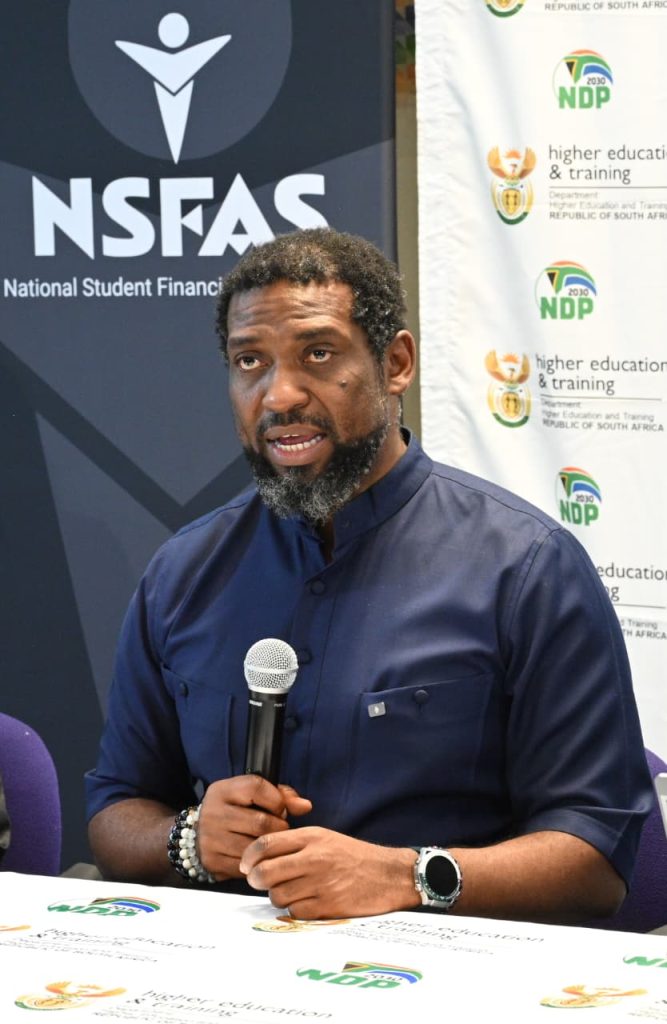
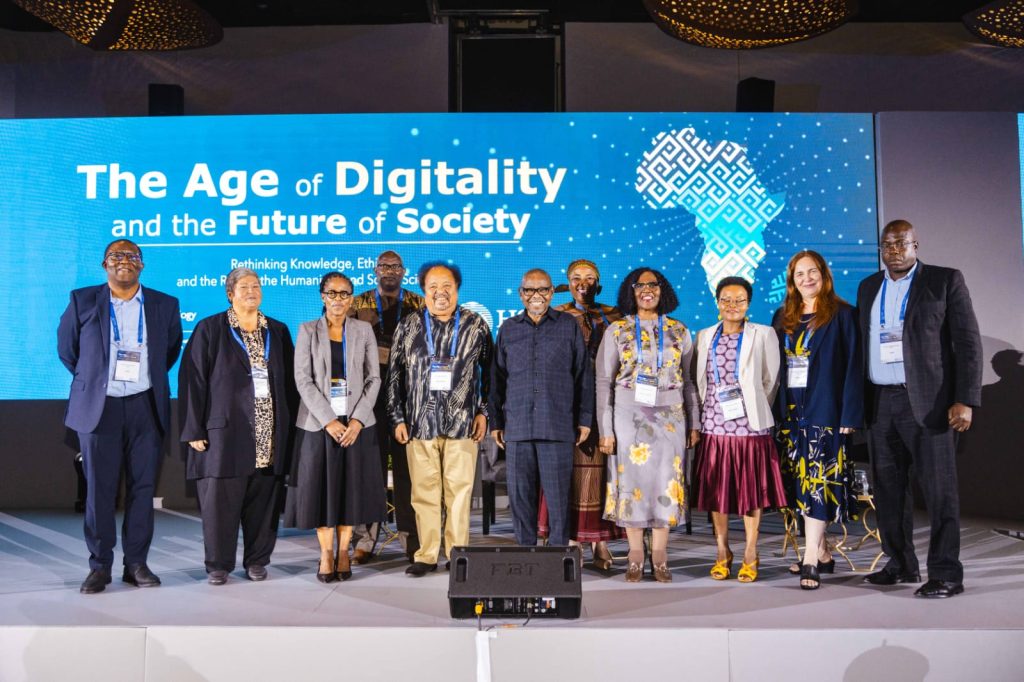
Higher Education and Training Minister Buti Manamela has warned that artificial intelligence could deepen inequality in South Africa and across the Global South unless developing countries help shape the rules governing the technology.

Speaking at the World Digital Education Conference in Hangzhou, China, on Tuesday, Manamela said AI and digital innovation must become tools of liberation rather than another mechanism of exclusion for millions of young people.

Manamela said the governance of artificial intelligence was being shaped mainly by a small number of technologically advanced countries and powerful corporations.  

ALSO READ: OPINION| How SA nurses are becoming their own bosses

“The Global South is, for the most part, an observer of this process rather than a participant in shaping it. This must change, and it must change urgently,” Manamela said.

He said South Africa approached digital transformation and artificial intelligence not as a neutral technical exercise, but as a political project shaped by the country’s history of colonial dispossession, racial exclusion and structured inequality.

Manamela warned that artificial intelligence would reproduce and intensify existing inequality if governments failed to govern it “deliberately, with justice and inclusion as organising principles”.

“What does digital exclusion look like in practice? It looks like a student without affordable connectivity who cannot access a virtual lecture. It looks like a TVET college without adequate devices, bandwidth, or digital learning systems, competing in name only against institutions that have all three,” he said.

Manamela said the future economy would not be built only by data scientists, AI researchers and elite universities, but also by artisans, technicians, renewable energy specialists, robotics engineers, healthcare technologists and digitally capable workers across every sector of production and service.

ALSO READ: Gauteng graduates over 2,500 youth in skills drive to fix schools, hospitals

He said this made technical and vocational education central to any serious African development agenda, especially as tens of millions of young people enter labour markets every year, many without access to university education.

“If AI and digital transformation are to contribute meaningfully to African development, they must connect directly to industrialisation, manufacturing, infrastructure, and employment creation,” Manamela said.

He said South Africa was increasingly prioritising industry-linked learning, work-integrated learning, micro-credentials and flexible pathways that allowed people to enter, exit and re-enter learning throughout their lives.

Manamela also pointed to South Africa’s growing cooperation with China in vocational education, technical training and digital skills development.

“China’s experience with large-scale technical education, including the Luban Workshop model and the deliberate integration of digital skills into vocational curricula offers genuine lessons for the African context,” he said.

He said responsible AI governance required transparency, accountability, redress when AI systems caused harm, and protection against algorithmic discrimination.

ALSO READ: UKZN staffer Phumelele Basi earns PhD at 25 after completing doctorate in two years

He also warned against the unchecked commercialisation of educational AI, saying education must remain a public good and a human right.

“When AI systems in education are designed primarily to extract profit, the interests of learners and the public interest are subordinated to the interests of shareholders. That is not a technical failure. It is a political failure, and we must name it as such,” he said.

He said Africa could not simply consume technologies designed elsewhere or be governed by frameworks it had no hand in crafting.

“We must be producers of the norms that will define this era, not merely subjects of them,” Manamela said.

INSIDE EDUCATION

The post AI, digital innovation must be tools of liberation, says Manamela appeared first on Inside Education..

Uncategorized

OPINION| How SA nurses are becoming their own bosses

By Linda Dunkley

For decades, nurses were the backbone of South Africa’s healthcare system, present in every ward, every emergency and every recovery room, but rarely in positions of ownership and leadership.

Now, as South Africa marks International Nurses Day on May 12 under the global theme “Empowered Nurses Save Lives”, a growing network of township clinics is transforming nurses from employees into entrepreneurs while helping to ease pressure on overcrowded public healthcare facilities.

ALSO READ: Malema tells EFF youth to drive voter registration

In communities where patients often endure long queues at public clinics or cannot afford private healthcare, nurse-led Mpathy Clinics are emerging as an accessible and affordable alternative rooted in empowerment, dignity and community-based care.

The model, driven by NPO Rhiza Babuyile, currently operates 11 clinics in township areas including Umlazi, Naledi, Gugulethu, Tembisa and Diepsloot. Beyond expanding primary healthcare access, the initiative is creating something rarely seen in South Africa’s nursing

South Africa’s public sector serves roughly 80% of the population, yet clinics routinely face long queues, staff shortages and medicine stockouts.

Most primary healthcare services fall within the legal scope of a Professional Nurse and policies like NIMART (Nurse Initiated Management of Antiretroviral Treatment) – leaning on nurses is the only way to scale primary healthcare capacity at a cost the country can afford.

For Mpathy, this means helping the Department of Health extend healthcare services into underserved communities while aligning with the Ideal Clinic Realisation programme and supporting the long-term National Health Insurance (NHI) rollout, where accredited primary healthcare facilities serve as the first point of entry.

ALSO READ: Amajimbos team named ahead of U17 Afcon in Morocco

Nurse-led PHC clinics like Mpathy are where early detection is possible, response rates are highest, and the cost to both the patient and the public system is lowest.

The clinics were designed to complement, rather than compete with, the public healthcare system. Mpathy is positioned explicitly as an extension of the Department of Health rather than a parallel system.

The clinics also contribute to local economic development, not only creating jobs for administrators and community health workers, but enabling non-nursing entrepreneurs to own clinics and employ qualified nurses, broadening community-based healthcare investment and expanding access to care.

This month alone, a new Mpathy Clinic will open in Orange Farm on 21 May, led by nursepreneur Sister Mbalenhle, and on 19 May an entrepreneur will be inducted into the model in Zithobeni, Bronkhorstspruit.

‘It’s My Answered Prayer’ — A Nurse Returns Home as Nursepreneur

For professional nurse and nursepreneur Sindiswa Nhlabathi, the model has become deeply personal.  Nhlabathi will this week open the  Mpathy Clinic in Naledi, Orange Farm on 14 May, serving the same community where she was born and raised.

“I was born at Zola, right across from where the Naledi clinic is based. I grew up in a family where no one was formally employed but they were ‘business people’,” she said.

Her mother and grandmother sold cakes and goods to support the family. “It wasn’t easy as there was no money for university,” she said.

Before nursing, she worked at a government hospital as a personal assistant manager, until a friend changed everything.

“One day my friend came to me with nursing application forms and persuaded me to apply. I refused telling her that ‘you know I don’t like nursing’ but she insisted. I was accepted and the minute I was exposed to clinical experiments I knew I was born for this.”

ALSO READ: All Western Cape schools closed on Tuesday as severe weather batters province

After years in public healthcare, including at Zola Clinic, Nhlabathi resigned from her permanent post and was later offered the opportunity to run the Naledi clinic.

“When I was studying it never crossed my mind that one day I might own a clinic. It’s my answered prayer. I feel empowered and I don’t even have the words to articulate my heart but one thing I know is that I intend to take this opportunity and make the best out of it,” says Nhlabathi.

At the clinic, children can receive treatment for under R200, while adult consultations with medication cost up to R350.

“Our clinic is private but very affordable. Our community relies on social grants and low incomes, while public clinics remain overwhelmed. Mpathy Clinics are a bridge between private and public healthcare and our priority is to build trusted relationships with the community,” she said.

Linda Dunkley is Managing Director of Rhiza Ventures.

INSIDE EDUCATION

The post OPINION| How SA nurses are becoming their own bosses appeared first on Inside Education..

Malema tells EFF youth to drive voter registration
Uncategorized

Malema tells EFF youth to drive voter registration

By Lebone Rodah Mosima

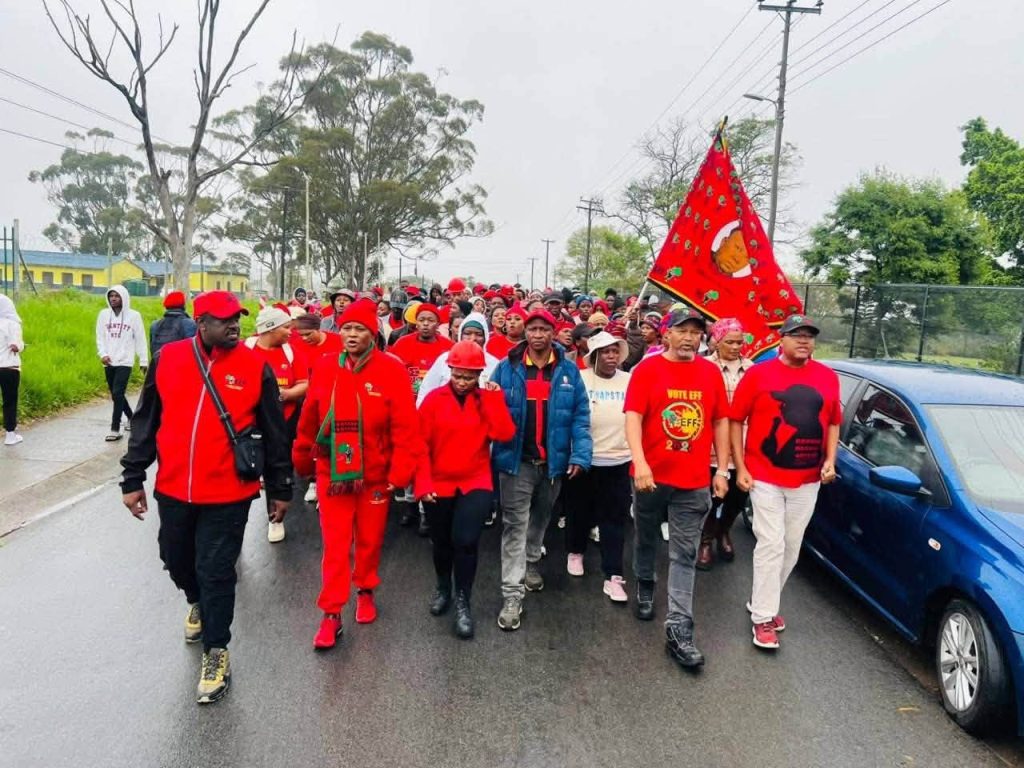
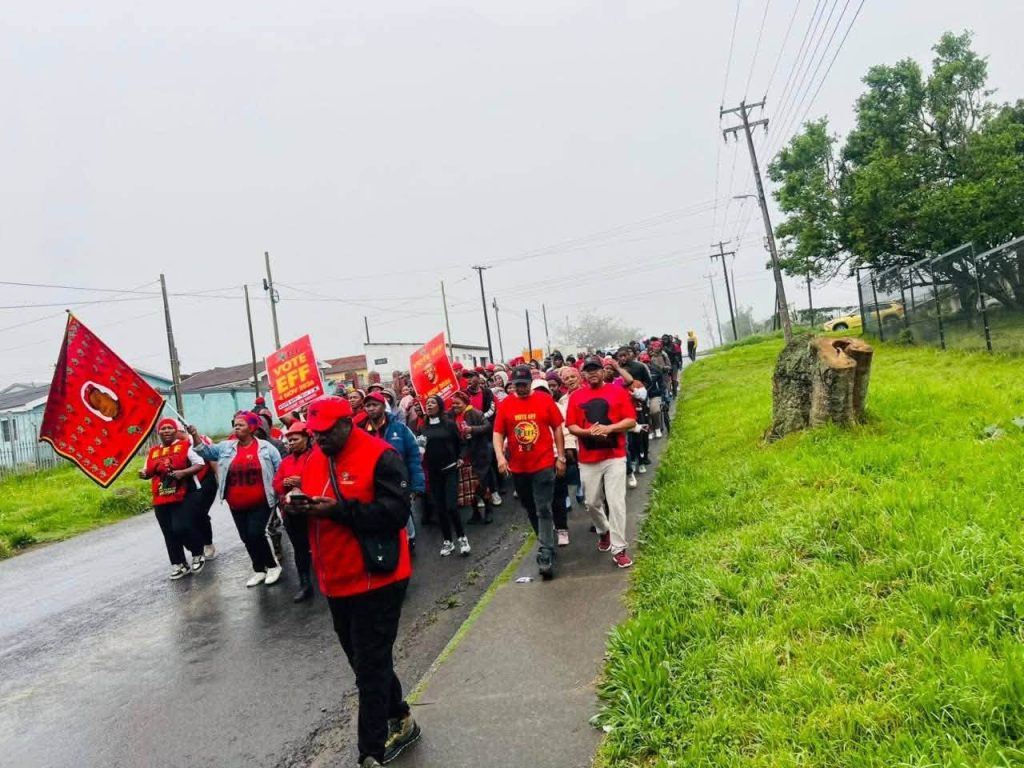
Economic Freedom Fighters (EFF) leader Julius Malema has told the party’s youth structures to drive voter registration among young South Africans ahead of the 2026 local government elections.

Addressing the EFF’s Central Youth Elections Task Force in Johannesburg on Monday, Malema said the party would increase efforts to identify unregistered supporters, including through ID checks at rallies and other party activities.

ALSO READ: Amajimbos team named ahead of U17 Afcon in Morocco

“We’re not going to have an FNB full of unregistered people; we would rather have fewer people at the FNB, but know that this fewer number is better because they are registered to vote,” Malema said.

Political parties are stepping up mobilisation efforts ahead of what is expected to be a fiercely contested local government election on 4 November.

The Electoral Commission has previously raised concern about low registration levels among young South Africans, making first-time and younger voters a key battleground for parties.

Malema told the task force that young activists were best placed to reach their peers and persuade them to register.

“It’s only you who can speak the language of the youth, only you can attract the youth and ensure that the youth vote, because the target given to you is so small, that it is possible for you to register those young people in order to meet the youth’s target,” he said.

“For now, we are not speaking to voters; we are speaking to unregistered voters. We want new voters.”

ALSO READ: All Western Cape schools closed on Tuesday as severe weather batters province

Malema said the EFF wanted young people to become champions of the poor and campaign for free education, better-equipped schools and improved conditions for students.

“You’re the ones fighting so that NSFAS can allocate allowances on time and pay rental on time because you don’t want to see the children of the poor being chased out of their accommodation,” he said.

He urged students to become activists on campuses, organise around issues affecting them and develop themselves as future leaders.

He also called on the task force to focus on high schools and universities as key sites for voter registration.

INSIDE EDUCATION

The post Malema tells EFF youth to drive voter registration appeared first on Inside Education..

Uncategorized

Amajimbos team named ahead of U17 Afcon in Morocco

By Johnathan Paoli

South Africa has named its U17 national football squad, Amajimbos, ahead of their opening U17 Africa Cup of Nations match in Rabat, Morocco, on Wednesday.

Coach Vela Khumalo made the announcement on Friday, with the team set to depart for North Africa in the coming days ahead of partaking in Group D, against Senegal, Ghana and Algeria.

Khumalo said he was confident that the South African side could proceed to the knockout stages.

“What we have seen is that we stand a good chance, and we can get out of this group. We know that Senegal is a little bit physical, and they are big. The same goes with Ghana. Algeria is more or less like us. We have done our analysis on all of them, and we think we can do well,” he said.

The coach said that although the journey through the tournament was just as important, if not more so, than simply getting out of the groups, this did not diminish their determination to qualify for the U17 World Cup.

“We said that going to the World Cup is not about getting out of the group stages, but we also want to see ourselves going further in the tournament,” Khumalo said.

The tournament runs from 13 May to 2 June and will also serve as qualification for the 2026 FIFA U17 World Cup in Qatar, with the top 10 teams securing places at the global showpiece later this year.

South Africa open their campaign against defending 2023 champions Senegal on Thursday in what Khumalo described as one of the toughest groups in the competition.

The squad is dominated by players from the Gauteng Development League, with Kaizer Chiefs and Mamelodi Sundowns contributing the bulk of the players selected.

Among the standout inclusions is Germany-based midfielder Jaylen Potgieter, who recently received his first Amajimbos call-up after impressing at the academy of Bundesliga club FC Koln.

Potgieter’s father, former Ajax Cape Town and Orlando Pirates player Shaun Potgieter, said his son was thrilled to represent South Africa.

For goalkeepers, South Africa will rely on Lwandiso Radebe, Ethan Garcia and Keabetswe Morake.

Radebe heads into the tournament with strong credentials after captaining Amajimbos at the African Union Sports Council Region 5 Youth Games in Namibia, where South Africa won the title by beating Malawi 3-0 in the final.

He was named Goalkeeper of the Tournament and included in the competition’s Best XI.

The defence includes Tashiel Rugunanan, Reotshepile Malete, Tristan O’Malley, Neo Mangcaka, Zazi Qotoyi, Lutho Makunga, Braythen Moffit and Tumelo Moerane.

Qotoyi arrives at the tournament after helping Cape Town City win the Engen Champs of Champs title and earning Defender of the Tournament honours.

In midfield, Khumalo selected Jesse Gewer, Inganathi Simana, Aphelele Majola and Potgieter.

The attack will be spearheaded by Mpho Molepo, Omphemetse Sekgoto, Obama Mhlongo, Ntokozo Madondo, Siyabonga Mbongo and Samkelo Mkhonto.

The full 2026 U17 AFCON draw will see hosts Morocco in Group A alongside Tunisia, Egypt and Ethiopia, while Group B contains Cote d’Ivoire, Cameroon, Uganda and the Democratic Republic of Congo.

Mali, Angola, Tanzania and Mozambique make up Group C.

INSIDE EDUCATION

The post Amajimbos team named ahead of U17 Afcon in Morocco appeared first on Inside Education..

Uncategorized

All Western Cape schools closed on Tuesday as severe weather batters province

Staff Reporter

All public ordinary and special schools in the Western Cape will be closed on Tuesday after disaster management officials and the South African Weather Service (SAWS) recommended a province-wide shutdown because of severe weather warnings.

“In the interests of learner and teacher safety, and after extensive consultation with the Provincial Disaster Management Centre and the South African Weather Service (SAWS), a decision has been taken to close all schools in the Western Cape on Tuesday, 12 May 2026,” provincial Education MEC David Maynier said on Monday.

“This includes all public ordinary and special schools in the province,” he said. “Disaster Management and SAWS have made the recommendation based on updated weather projections and current conditions.”

The province was being hit by severe storms, including heavy rain, strong winds and flooding risks.

SAWS has issued an Orange Level 8 warning for disruptive rainfall over Cape Town and mountainous parts of Drakenstein, Stellenbosch, Breede Valley, Witzenberg and western Theewaterskloof, with flooding of roads, bridges and settlements, mudslides and fast-flowing rivers expected through Tuesday.

Maynier said the provincial government’s default position was “always to keep schools open and only close schools in exceptional circumstances, but we are mindful of the severity of the warnings in place”.

The department would continuously monitor and evaluate the situation to ensure that schools can reopen as soon as possible, he said, adding that schools were currently expected to reopen on Wednesday, 13 May.

Maynier said that, as of 3h30 on Monday, 11 May, “a total of 227 schools applied for closure in addition to the closure list issued for the Cape Winelands and Eden and Central Karoo districts”.

“A number of schools have also suffered damage due to the storm, which is currently being assessed,” he said.

Maynier thanked officials, principals, teachers and parents “for the support in implementing school closures.”

INSIDE EDUCATION

The post All Western Cape schools closed on Tuesday as severe weather batters province appeared first on Inside Education..

Uncategorized

Wits School of Arts hosts month-long Africa Month programme

By Charmaine Ndlela

The Wits School of Arts is hosting a series of performances, exhibitions, film screenings and discussions as part of its 2026 Africa Month programme.

Observed annually in May, Africa Month commemorates the establishment of the Organisation of African Unity on May 25, 1963, celebrating African identity, heritage and unity across the continent.

In a statement, the Wits School of Arts said this year’s programme is centred on the theme, “Water as Life, Memory, and Infrastructure: Artistic and Intellectual Responses from Africa and the Global South.”

ALSO READ: Over 25 000 KZN candidates registered for May/June matric exams

Through art, music, storytelling and academic engagement, the programme explores the role of water in shaping memory, culture, identity and everyday life.

The celebrations officially got underway earlier this month with a Jazz Big Band performance titled WHEN WATERS GATHER. Audiences also attended musical performances, panel discussions and conversations exploring African music, jazz and cultural expression.

According to the school, several events are still set to take place during the remainder of the month, including theatre productions, workshops, exhibitions and film screenings.

One of the featured productions is AUSTRALOPITHECUS, directed by Kgafela oa Magogodi.

Film screenings of The Heart Is a Muscle and Kalushi will also give audiences an opportunity to engage with filmmakers through post-screening discussions.

Artists Vincent Mantsoe and Yuck Miranda are expected to lead creative workshops, while praise poet Majesty Mnyandu will present a storytelling performance focused on indigenous oral traditions and African heritage.

The programme also includes exhibitions and digital installations such as the Sophiatown Jazz Archive and Liquid Signals, which explore the relationship between history, memory and contemporary artistic expression.

ALSO READ: NSFAS releases private accommodation payments worth R1.1bn

Africa Month at Wits will conclude on May 31 with Mama Africa: Miriam Makeba Tribute, featuring Zenzi Makeba Lee and her band in honour of legendary South African musician Miriam Makeba.

Organisers said the programme aims to encourage dialogue, reflection and collaboration through the arts while creating a platform for African creatives and scholars to engage with issues affecting communities across the continent and the Global South.

Most of the events are free and open to the public, organisers said.

INSIDE EDUCATION

The post Wits School of Arts hosts month-long Africa Month programme appeared first on Inside Education..

Uncategorized

Over 25 000 KZN candidates registered for May/June matric exams

By Levy Masiteng 

Over 25 000 candidates across KwaZulu-Natal are registered to write the 2026 May/June National Senior Certificate and Senior Certificate examinations.

During a media briefing at the Riverside Hotel in Durban North on Monday, KwaZulu-Natal MEC for Education Sipho Hlomuka said the province was fully prepared to administer the examination cycle, which officially started on Monday.

ALSO READ: NSFAS releases private accommodation payments worth R1.1bn

Hlomuka said a total of 25 399 candidates had registered to write the exams across the province.

Of these, 14 240 candidates are registered under the National Senior Certificate stream, while 11 159 are registered under the Senior Certificate stream, which caters mainly for adult and out-of-school candidates completing or improving a matric qualification.

“We will not tolerate any form of malpractice. Cheating, leaking of papers, or any irregular conduct will be dealt with swiftly and decisively in terms of the law,” Hlomuka said.

“These examinations are more than just tests of knowledge. They represent second chances, new beginnings, and doors of opportunity for many who are determined to improve their lives.”

Hlomuka said his department had deployed approximately 1 000 invigilators to oversee examination sessions in about 900 examination rooms across KZN.

The province will distribute examination materials through 13 storage points and 103 distribution and collection centres.

“KwaZulu-Natal will print and distribute 99 question papers amounting to more than 8 million printed pages during the examination cycle. The examinations will consist of 23 morning sessions and 29 afternoon sessions,” Hlomuka said.

ALSO READ: Gauteng graduates over 2,500 youth in skills drive to fix schools, hospitals

“We have worked hard as a department to ensure that these examinations are conducted with the highest levels of integrity, security, and fairness,” Hlomuka said.

“Our examination centres are ready. Our invigilators are trained. Our question papers are secure.”

The department said that 681 markers and 65 internal moderators would be appointed for the marking process.

Marking is scheduled to begin on 3 July and conclude on 9 July, while results are expected to be released on 7 August 2026.

“To every candidate – stay focused, and write with confidence. The nation is watching and rooting for you,” Hlomuka said.

INSIDE EDUCATION

The post Over 25 000 KZN candidates registered for May/June matric exams appeared first on Inside Education..

Uncategorized

NSFAS releases private accommodation payments worth R1.1bn

By Thapelo Molefe

The National Student Financial Aid Scheme (NSFAS) says it has released private accommodation payments for universities, with more than R1.1 billion disbursed during the current quarter to benefit over 100,000 students.

In a statement issued on Monday, NSFAS said payments to private accommodation providers were released on Thursday.

ALSO READ: Gauteng graduates over 2,500 youth in skills drive to fix schools, hospitals

The scheme said accommodation providers banking with First National Bank (FNB) would receive funds immediately, while providers using other banks could experience minor delays because of interbank processing timelines.

NSFAS spokesperson Ishmael Mnisi said the scheme remained focused on improving payment processes and ensuring long-term stability in student accommodation funding.

“We thank all accommodation providers for their ongoing partnership and assure all stakeholders that NSFAS is focused on long-term stability, effective administration, and the wellbeing of NSFAS funded students,” said Mnisi.

NSFAS said 95% of accommodation providers listed on its solution partner portals had already had their banking details verified and were included in direct payments for 2026.

“For the remaining providers, NSFAS is conducting one-on-one engagements to ensure full integration into the direct payment system,” the scheme said.

NSFAS said it would issue a monthly disbursement schedule to all accredited accommodation providers and urged providers to ensure students’ funding status was confirmed and valid signed lease agreements were in place before payments could be processed.

ALSO READ: UKZN staffer Phumelele Basi earns PhD at 25 after completing doctorate in two years

The scheme said it was legally mandated to bring accommodation payment functions in-house from the start of 2026, a move it said had helped resolve several challenges in the system.

According to NSFAS, the changes addressed delays by institutions in confirming students, the misclassification of students as transport-allowance recipients, and uncertainties around accommodation accreditation.

“NSFAS recognises the operational pressures faced by accommodation providers, including rising utility costs and municipal challenges,” the statement read.

The scheme said it remained committed to working with sector associations and solution partners to finalise 2026 rental rates and implement a predictable and transparent payment system.

INSIDE EDUCATION

The post NSFAS releases private accommodation payments worth R1.1bn appeared first on Inside Education..
Uncategorized

Gauteng graduates over 2,500 youth in skills drive to fix schools, hospitals

By Thapelo Molefe

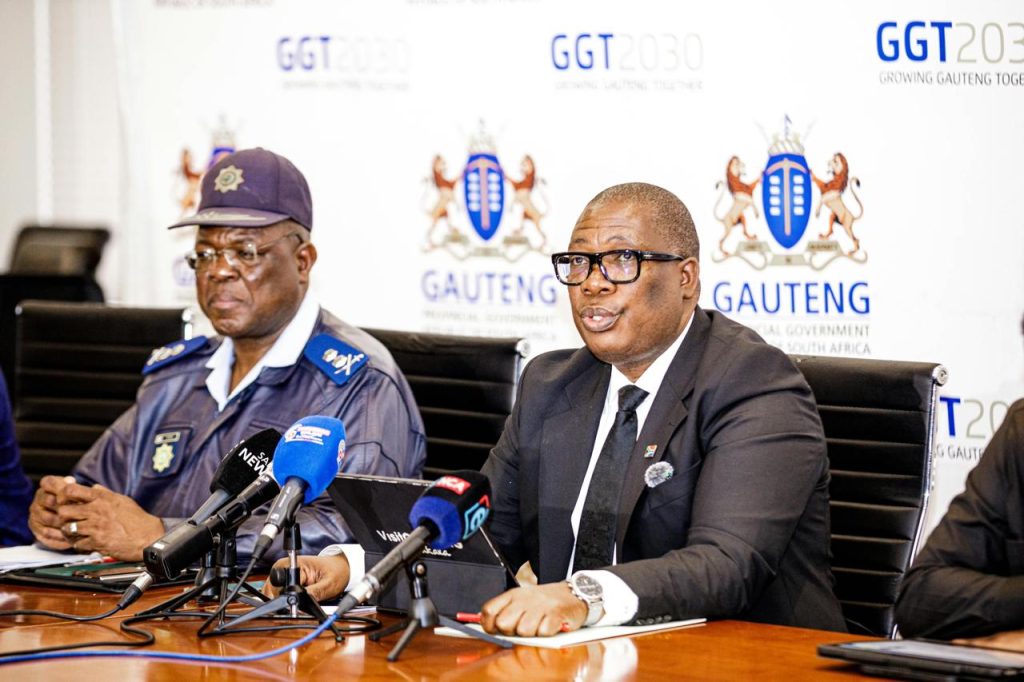
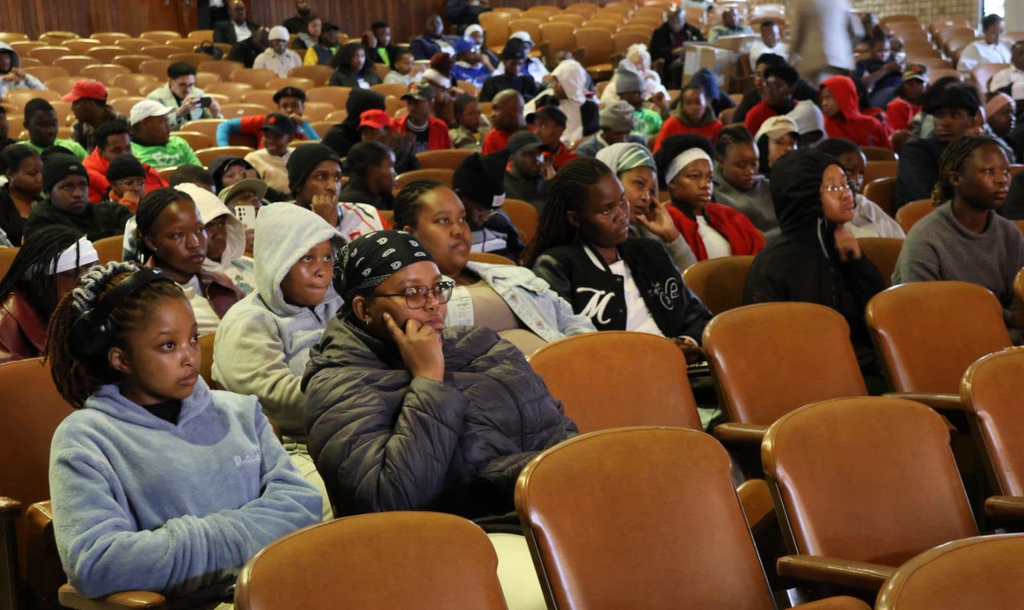
Gauteng Premier Panyaza Lesufi says more than 2,500 young people trained in plumbing, welding, carpentry, electrical work and construction will be deployed to help repair Gauteng’s schools, hospitals and public infrastructure as part of the province’s Unemployed Youth Skills Development Initiative (UYSDI).

Speaking at a graduation ceremony for participants of the programme on Sunday, Lesufi said the initiative was aimed at tackling youth unemployment while addressing deteriorating infrastructure across the province.

“Over 2,600 of these young people will have the skills that will make them sustainable forever,” Lesufi said.

The graduates received certificates after completing hands-on training at 71 technical high schools across Gauteng.

Lesufi said the provincial government wanted to move away from relying on tenders to fix infrastructure problems and instead use trained young people to carry out maintenance work.

“We want to send you to all our schools in Gauteng. Welding is needed where? Carpentry is needed where? So that we fix this problem using your skills, not using tenders, because tenders are creating problems for ourselves,” he said.

He added that graduates would also be deployed to hospitals to repair damaged ceilings, paving, fencing and other infrastructure issues.

“We don’t need a tender for that. We need skills for that. And we need young people to go and assist us to change their lives forever,” Lesufi said.

The premier also announced plans to expand the programme from 2,600 participants to 5,000.

“I want more. We are moving from 2,600. I want 5,000 now,” he said.

Some graduates shared emotional testimonies about how the programme had changed their lives.

Participant Sibusiso Ngcobo said the training restored his confidence after struggling with unemployment.

“It wasn’t easy. We all remember how it was being unemployed, especially as a gent. It’s not easy,” Ngcobo said.

He said he recently used his electrical training to help repair faulty wiring at a neighbour’s home in Soweto.

“So, Mr Premier, you didn’t just give us skills. You gave us purpose, and I’m grateful for that,” he said.

Another graduate, Thapelo Gumede, said he had dropped out of school in Grade 11 and had struggled to find opportunities before joining the programme.

“After receiving this programme, I feel like my life is changing,” Gumede said.

Lesufi said the province intended to use skilled young people in future infrastructure projects, including the planned high-speed rail line between Gauteng and Limpopo.

“There is a speed train that will move from here to Polokwane in 67 minutes. When we build that train, I don’t want anyone to hire somewhere else; they are going to hire you,” he said.

INSIDE EDUCATION

The post Gauteng graduates over 2,500 youth in skills drive to fix schools, hospitals appeared first on Inside Education..
Uncategorized

UKZN staffer Phumelele Basi earns PhD at 25 after completing doctorate in two years

Staff Reporter

University of KwaZulu-Natal (UKZN) staff member Dr Phumelele Basi has completed a PhD in Gender Education at the age of 25, making her the youngest doctoral graduate at the university’s Autumn graduation.

Basi’s doctoral study, titled “Negotiating Heterosexual Relationships on Campus: Female Students’ Sexual Practices, Desire, Pleasure and Risk at a South African University”, was completed in two years and approved without corrections.

The achievement follows what UKZN said was a “consistent record of academic excellence”, including cum laude and summa cum laude distinctions throughout her undergraduate and postgraduate studies.

Basi was raised in Hlokozi, a rural community on KwaZulu-Natal’s South Coast. Her academic journey, according to the university, reflects resilience, intellectual curiosity and a commitment to understanding gender and social justice in contemporary society.

She initially intended to pursue science education, but her academic path changed after she encountered gender studies during her undergraduate studies. She became interested in how gender is shaped by cultural norms, social expectations and lived experiences, later developing a focus on identity, relationships and power.

That interest deepened during her master’s research, which examined the links between social media, gender, sexuality and power in shaping ideas about beauty and self-worth. The study later led her to explore how young Black African women negotiate and express their sexualities within higher education institutions.

Her doctoral research challenges dominant narratives that frame young women’s heterosexual relationships mainly through risk and vulnerability. Instead, Basi’s work presents a more nuanced account of the pressures and pleasures that shape these relationships.

Through interviews and participatory workshops with female students, the research found that socio-cultural expectations, economic realities and institutional environments influence experiences of desire, agency and harm. Basi said she hopes the work will help inform interventions that promote gender equality and safer campus environments.

She was mentored and supervised by leading scholars, including Professor Deevia Bhana, who supervised both her master’s and PhD studies.

Basi currently works as a research assistant, a role the university said continues to strengthen her academic skills while allowing her to contribute to ongoing scholarly projects.

She now plans to pursue postdoctoral studies with the South African Research Chairs Initiative Chair in Gender and Childhood Sexuality and build a career in academia through teaching and research in Gender Education.

Her advice to aspiring scholars is to “embrace the process, remain resilient in the face of challenges, and recognise the transformative potential of knowledge”.

INSIDE EDUCATION

The post UKZN staffer Phumelele Basi earns PhD at 25 after completing doctorate in two years appeared first on Inside Education..