Mangosuthu University of Technology (MUT) has achieved an unqualified audit opinion, marking a significant turnaround for the institution after previously receiving a disclaimer audit opinion.
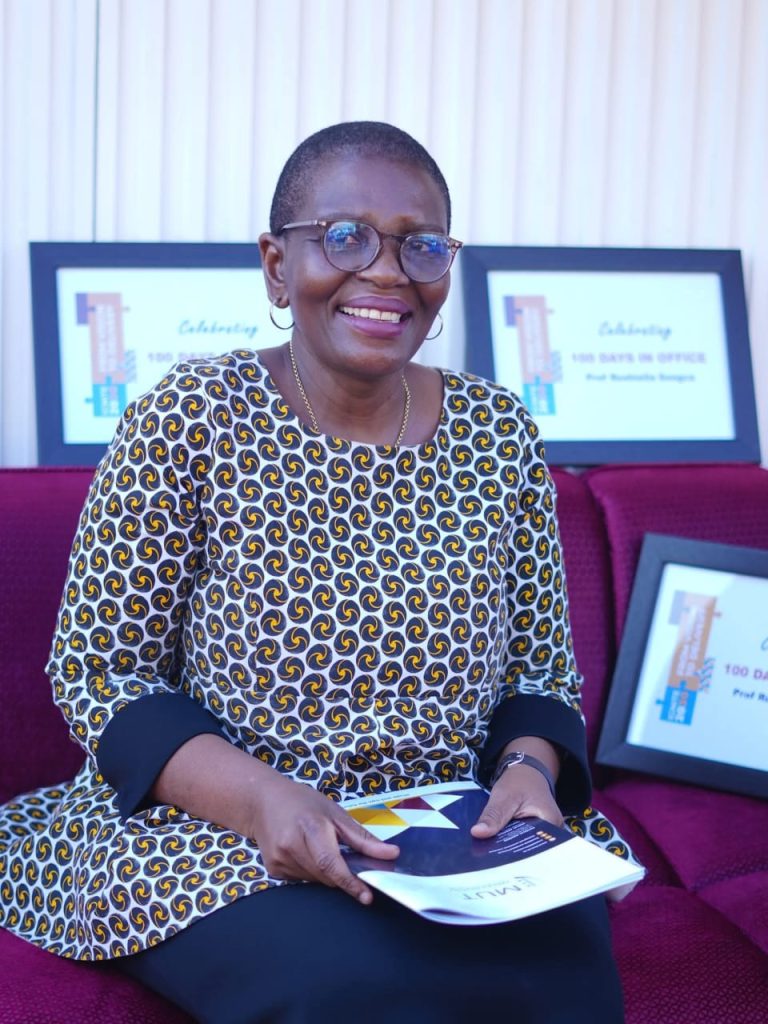
MUT Vice-Chancellor Prof Rushiella Songca
In a statement on Monday, MUT Vice-Chancellor and Principal Professor Rushiella Songca described the result as one of the most significant milestones in the university’s history.
Songca, who took office as Interim Vice-Chancellor and Principal in March, said the achievement was the result of collective efforts across the institution.
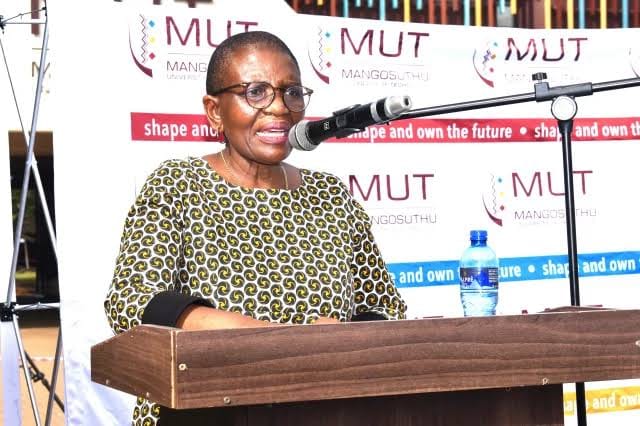
“I am deeply humbled and immensely proud to stand alongside the Council, Executive Management, Senate, staff and students at this historic moment. While I have only been at MUT since March, this achievement belongs to every individual who believed that this University could rise again,” Songca said.
She said the turnaround showed that institutional transformation was possible when employees worked towards a common goal.
The university also credited its governance structures, including its Council, Finance and Investment Committee and Audit and Risk Committee, for their role in overseeing the recovery process.
MUT Vice-Chancellor Prof Rushiella Songca
Songca said the committees had helped ensure that the university’s turnaround strategy remained focused on governance, accountability and financial sustainability.
“The role played by the Finance and Investment Committee and the Audit and Risk Committee cannot be overstated. Their rigorous oversight, attention to detail and commitment to accountability ensured that our turnaround strategy remained focused and measurable,” she said.
Songca also praised MUT staff for their contribution to improving the institution’s systems and controls.
“Many colleagues worked long hours, sacrificed personal time and demonstrated unwavering commitment to strengthening our governance systems, financial controls and accountability mechanisms,” she said.
The university said moving from a disclaimer audit opinion to an unqualified opinion in a relatively short period represented a significant achievement, given the challenges institutions typically face when rebuilding governance and financial systems.
However, Songca said the latest audit outcome should not be viewed as the end of the university’s turnaround process.
“An unqualified audit is far more than a financial outcome. It is a statement about who we are becoming as an institution,” she said.
“It reflects stronger governance, greater accountability, improved systems and renewed confidence in the way we manage the University’s resources.”
MUT Vice-Chancellor Prof Rushiella Songca
She said the achievement was aligned with MUT’s IGNITE 2030 Strategy, which seeks to position the university as a leading university of technology through academic excellence, impactful research, innovation and sustainable development.
Songca said the university would now focus on maintaining the improvements that led to the unqualified audit opinion.
“Today we celebrate, but tomorrow we continue the work. We have demonstrated that transformation is possible. Our responsibility now is to protect this achievement, build on it and ensure that future generations inherit an institution that is stronger, more accountable and globally respected,” she said.
The Gauteng MEC for Education, Sport, Arts, Culture and Recreation has warned learners against making fires on school premises in an attempt to keep warm, as cold and wet weather conditions continued to sweep through Gauteng on Tuesday.
Lebogang Maile said that open fires posed a serious safety risk and could result in burns, structural fires, damage to school infrastructure, and potentially life-threatening incidents.
He also urged parents, guardians, educators, and school communities to take necessary precautions against the cold conditions.
The Gauteng Department of Education said some of the coldest conditions this week were expected across Johannesburg and surrounding areas, including Soweto, Roodepoort, Randburg, and other parts of the West Rand.
The department said cold conditions were also expected across Ekurhuleni and Tshwane, while parts of Sedibeng and the Vaal were expected to experience cool to cold conditions.
It said rain, cloud cover and wind could make temperatures feel considerably colder in affected areas.
It said it would continue monitoring South African Weather Service (SAWS) information and urged school communities to similarly pay attention to official weather updates.
Maile told parents and guardians to ensure that learners were appropriately dressed before leaving home for school.
“Schools must exercise reasonable consideration where learners need additional warm clothing because of the weather. Our priority is to keep learners safe, warm, and in the classroom,” he added.
He said that the cold weather should not unnecessarily interrupt teaching and learning.
He said that learners who are healthy and not sick are encouraged to attend school as normal, unless the department or relevant authorities officially communicate otherwise.
“Cold weather on its own should not keep our children away from school,” he said.
“As long as learners are not sick and it is safe for them to travel, we encourage them to dress warmly and attend school. Every school day and every hour of teaching and learning matters.”
“Learners must never start fires in classrooms, toilets, corridors, school grounds, or anywhere within school premises,” he said.
“Principals, educators, and School Governing Bodies must remain vigilant and ensure that learners keep warm through safe and responsible means.”
He also said parents and learners were urged to exercise additional caution while travelling to and from school, particularly during rainfall, reduced visibility, slippery roads or other hazardous conditions.
Approximately three-quarters of 393 preschool and K-12 teachers in the U.S. say they use YouTube for instructional purposes, with roughly half using it on a daily or weekly basis, according to our new nationally representative survey.
Those findings come from our new research, published in June 2026 in Educational Researcher, an academic journal.
Our sample included teachers from all grade levels and subject areas, and from across public, charter and private schools.
Our results revealed that teachers who said they use YouTube as an instructional tool do so for a considerable amount of classroom time, alongside other common teaching methods like lectures and group work.
Of the 76.5% of respondents who said they use YouTube for teaching, an average of 17.9% of their total yearly instructional time was spent showing instructional videos, ranging from 1% to 100% of instructional time.
Rather than allowing students to watch videos on their own devices, most teachers reported showing videos on a big screen to the entire class. This might include showing a classic 20-minute episode of “Bill Nye the Science Guy” or a 5-minute “PragerU Kids” video, made by a conservative media nonprofit.
Respondents said they use both of those video sources, alongside a number of other content creators featured on YouTube.
In our other study, which is still under review with an academic journal, we saw some small differences in teachers’ use of YouTube across grade levels – with pre-K teachers reporting being slightly less inclined than other teachers to use instructional videos to support their teaching.
But these differences were not statistically significant, suggesting that YouTube is used more or less at the same frequency by pre-K through 12th grade teachers.
Why it matters
There is growing concern among parents about the amount of time their children spend watching YouTube at school, leading some school districts to ban the platform on student devices outright.
While the debate over screen time has primarily focused on students’ personal use, there has been less focus on how teachers are using the platform as part of their lessons.
YouTube is not specifically designed for educational purposes, and its algorithm that recommends content tends to prioritize increasing user watch time over providing material that may be best for learning.
There are some teacher-trusted educational channels hosted on YouTube, such as “Khan Academy” and “Crash Course.” which offer a host of explanatory videos on numerous subjects ranging from math to social studies.
But just about anyone can create and upload content to YouTube.
Prior research indicates that teachers are relying more on digital online resources found on sites like Teachers Pay Teachers and Pinterest than they once did. This work suggests that traditional curricular resources, such as textbooks, are playing a less prominent role determining what information is presented to students.
Our research suggests that pre-K through 12th grade teachers widely use YouTube as a staple of classroom instruction – not as an occasional supplement.
What still isn’t known
While research from Spain and Australia suggests that educators are not always rigorous in screening the YouTube videos they use for teaching, what is still unknown is the exact YouTube videos and content creators that teachers are relying on when they present information to students.
Nor do we know the impact that using instructional videos has on student learning. Given the widespread adoption of YouTube videos by K-12 and preschool teachers, it is becoming increasingly critical to understand the educational value that these video resources offer.
Early childhood is an important stage when children develop curiosity, values and problem-solving skills. This developmental window provides a strong foundation for lifelong learning, making it an ideal entry point for introducing key concepts such as environmental stewardship, cultural identity and social responsibility.
That is the idea behind ReneWable Rangers, a learning game prototype that uses play, storytelling and adventure to teach young children about science and renewable energy.
The game contributes to the ongoing conversation about developing educational approaches that are equitable, locally relevant and globally conscious.
Moleboheng Mokhele, an innovative early childhood STEM education researcher, unpacks the findings of her co-authored conceptual paper on how ReneWable Rangers can serve as a model for science, technology, engineering and maths (STEM) education.
Why focus on play-based learning?
Global challenges, such as climate change, biodiversity loss and resource depletion, force a rethink of how to prepare the next generation. These issues are not far away from children’s lives.
Education holds a responsibility. Early childhood – from birth to 8 years old – is a stage where children develop values and problem-solving skills. It is marked by rapid cognitive growth, heightened curiosity, and an increasing awareness of the world around them.
However, much of STEM learning in South Africa, particularly science, is introduced as a standalone subject only in Grade 4. This delay misses early developmental windows for critical thinking. It creates a gap between what children learn at school and what they experience at home and in their communities.
My research focuses on how early STEM education can be made more meaningful, engaging and inclusive for children. Children learn best when they are having fun, asking questions, and actively taking part in what they are learning.
That is the idea behind Renewable Rangers, an educational game that uses play, storytelling, guided inquiry, physical activity and visual learning to help young children learn about science and renewable energy in a fun, meaningful and age-appropriate way.
What is ReneWable Rangers and what are its objectives?
In many cases, STEM education remains focused mainly on technical skills and academic achievement. As a result it does not fully prepare children for the environmental, cultural and ethical challenges they will face in life.
Our conceptual paper responds to this gap. The play-based educational initiative aims to show how playful, inclusive and culturally meaningful learning can better prepare children to understand global challenges, value their local contexts, and see themselves as active agents of change for a more sustainable future.
The game follows me, Dr Mummy Ranger, and my two sons, Wavhudi and Rivhavhudi, as we travel across South Africa on a mission to help restore electricity in the country after a nationwide blackout. We journey in our eco-friendly Ranger vehicle, bringing hope to communities and inspiring children to become young renewable energy heroes.
Since 2007, South Africa has experienced ongoing electricity shortages stemming from inadequate generation capacity, ageing infrastructure and poor maintenance. Although nationwide load shedding has decreased in recent years, many communities still experience localised power outages caused by network problems.
As the characters move from one province to another, they learn about different renewable energy sources found in each region, such as solar and wind power. They also explore the diverse cultures, languages and ways of life in each province. Each province becomes a meaningful learning space where STEM concepts are connected to real-life experiences in a fun and engaging way.
Along the way, children learn:
how electricity is made
what causes power cuts
how we can use renewable energy sources
This is achieved through stories and hands-on activities. Rather than simply teaching children facts, the game allows them to explore ideas through experience.
The game also places strong emphasis on identity and culture by creating stories and characters that children can recognise. The characters help children see themselves in the story.
ReneWable Rangers is more than a game. It’s an invitation to rethink what children are capable of and what kind of future we want to prepare them for.
What the game looks and feels like
At this stage, ReneWable Rangers is a carefully designed prototype. It combines cultural responsiveness, sustainability, self-directed learning and play-based pedagogy into one integrated learning experience.
Unlike many educational games that import foreign models and try to localise them after the fact, ReneWable Rangers was designed from the ground up with South African learners in mind. It does not treat cultural relevance or learner voice as add-ons: these are central to the experience.
That said, strong conceptual design must be followed by careful empirical validation. The next step is to take ReneWable Rangers into real classrooms, observe how learners engage with it, and measure its impact on their understanding, confidence and curiosity.
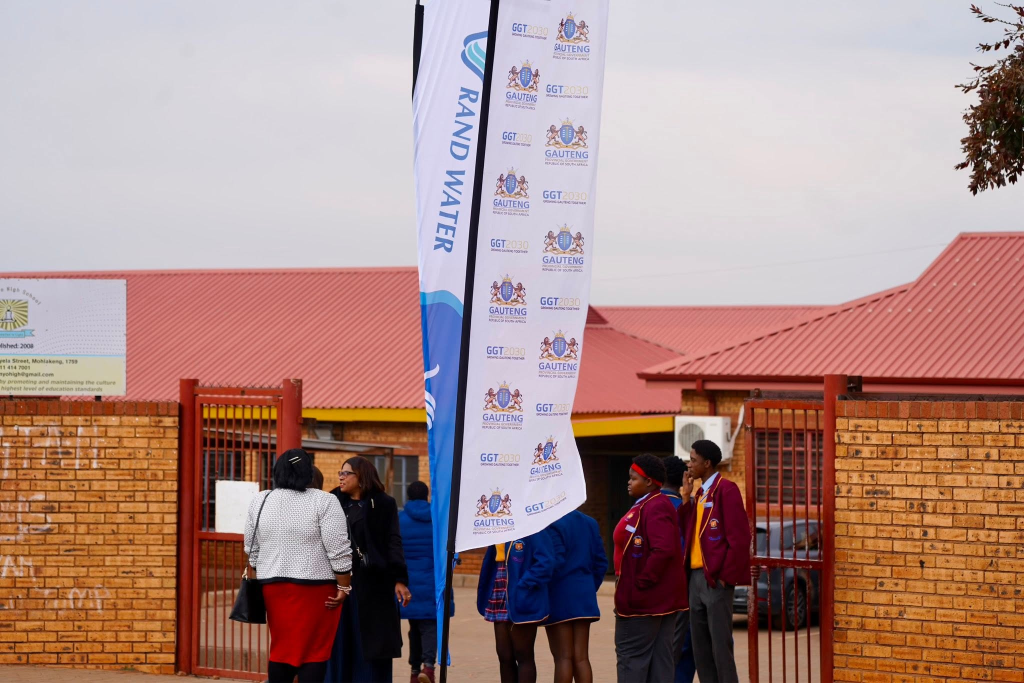
Water and Sanitation Minister Pemmy Majodina has handed over a new decentralised water supply system at Lukhanyo Secondary School in Mohlakeng, Rand West City, aimed at addressing persistent water interruptions affecting the school and surrounding community.
Majodina, accompanied by Water and Sanitation Deputy Minister David Mahlobo, Gauteng MECs, local government leaders and Rand Water officials, officially handed over the system on Monday.
The intervention forms part of government efforts to strengthen water security and ensure learners and staff have access to a safe and conducive learning environment.
Lukhanyo Secondary School, which has about 1,544 learners, has experienced persistent interruptions to its municipal water supply. The unreliable supply affected ablution facilities, contributed to unhygienic conditions and disrupted teaching and learning.
Implemented through the Rand Water Foundation, the new system includes a borehole drilled to a depth of 55 metres, with a yield of about 6,500 litres an hour, two 5,000-litre storage tanks and water filtration units.
Two communal taps have also been installed, with one serving the surrounding community and the other the school.
The handover formed part of a wider ministerial programme in Rand West City, where Majodina and Mahlobo also handed over 150 completed low-flush household sanitation systems in the Zenzele and OR Tambo townships.
The government said the intervention was aimed at addressing sanitation shortages and providing immediate relief to communities lacking adequate sanitation services.
“Today marks more than the hand-over of infrastructure. It is a demonstration of government working together to restore dignity, improve lives and bring essential services closer to communities,” the Department of Water and Sanitation said.
In a statement on X, Rand Water said Rand West City continued to face sanitation and drainage challenges, including overflowing sewage, blocked street drains and poorly maintained waste infrastructure.
It said most informal settlements in the municipality were served by ventilated improved pit (VIP) toilets, highlighting the need to expand access to improved sanitation.
The latest handover brings to 430 the total number of low-flush sanitation systems constructed and installed by the Rand Water Foundation in Rand West City since the 2023/24 financial year.
Of these, 80 were installed in 2023/24, 200 in 2024/25 and 150 in 2025/26.
The programme has benefited about 300 women-headed households over the past three years, while creating 200 temporary employment opportunities and supporting four local small, medium and micro enterprises.
The ministerial delegation also inspected household water-storage and supply systems installed through the Rand Water Foundation programme in the Zenzele community.
The department said the intervention demonstrated the importance of cooperation between national, provincial and local government in addressing service-delivery challenges.
Majodina and Mahlobo also handed over a further 100 completed low-flush household sanitation systems in Mimosa Township in the Victor Khanye Local Municipality in Mpumalanga.
The systems are expected to benefit about 500 residents.
The government said the projects formed part of its broader efforts to bring essential services closer to communities, strengthen water security and improve living conditions in areas facing persistent basic service-delivery challenges.
The Eastern Cape Department of Education has confirmed that 123 schools will be closed in the coming financial year due to dwindling learner numbers, with an additional 300 schools earmarked for closure in the coming years.
The move, already being implemented in some facilities, is part of a broader rationalisation plan to merge under-enrolled schools and redirect resources more effectively.
Eastern Cape Department spokesperson Malibongwe Mtima explained that the closures are driven by shrinking enrolments, which directly affect the allocation of teachers and resources.
“The unviable schools are schools that have got lesser numbers leading to lesser resources. We resource based on learner numbers. Once learner numbers are dwindling, we will not have enough educators, and there’s not going to be enough resources,” Mtima said.
He acknowledged that rural communities would be most affected by the closures, but stressed that the department is working with other government entities to mitigate the impact.
“The rural areas will be impacted. The department has looked into the rationalisation with other officials, including those from the Department of Transport and the Department of Education. These will ensure that schools are merged and transport is provided accordingly,” Mtima said.
The department insists that the closures are necessary to ensure sustainable education delivery in the province.
Mtima said that the initiative is not a unilateral decision but a coordinated effort across government.
“This is a joint effort or venture that the department would look into,” he said.
The Eastern Cape has long struggled with resource constraints and infrastructure challenges in its education system.
Officials argue that consolidating schools will allow for better use of limited resources, while ensuring that learners are transported safely to merged institutions.
As South Africa marks Women’s Month, new data from tech education provider HyperionDev shows women are approaching parity in its student enrolment, even as they remain significantly underrepresented in technical jobs.
Women now make up 49% of HyperionDev’s student body, up from 33.7% in 2022, pointing to growing female participation in technology education.
“We’ve seen a steady increase in female participation over the past few years, and it reflects a positive trend towards greater gender diversity in technology education,” said Simone Botes, Director of Education Operations and Learning Impact at HyperionDev.
However, HyperionDev said women still hold just 23% of technical roles in South Africa, or roughly 56,000 of the country’s 236,000 technology jobs.
According to the latest Commission for Employment Equity data cited by HyperionDev, women make up around 45% of employees in South Africa’s ICT sector, up from 39.5% three years earlier.
Their representation falls to roughly a quarter in core technical positions such as software engineering, infrastructure and cybersecurity.
HyperionDev also cited the 2024 IITPSA ICT Skills Survey, which found that just 13% of South Africa’s STEM graduates are women, compared with a global average of 35%.
This comes against the backdrop of an estimated shortage of more than 100,000 unfilled digital roles across software development, data and IT.
Botes said the challenges faced by female students were often linked to responsibilities outside their studies rather than their ability to learn.
“Where challenges arise for female students, they’re often related to external responsibilities rather than learning ability. Many are balancing careers, caregiving or family commitments alongside their studies.”
“We’ve intentionally designed our learning model – flexible online study, self-paced learning, live mentorship and dedicated student support – so that learners can fit their education around their lives without compromising on quality.”
HyperionDev reported that 88% of its graduates receive a job offer within six months and 86% successfully transition into technology careers, with graduates recording a median salary increase of 178%.
Botes said salary outcomes for male and female graduates were also closely aligned.
“In terms of salary outcomes, we’re pleased to see that they are highly comparable.”
“The average reported starting salary for female graduates is approximately 0.5% higher than for male graduates, indicating strong parity in employment outcomes.”
Dr Anjali Ramburn, Senior Vice President: Commercial at HyperionDev, said employers continued to have a business incentive to broaden the pool of women entering the sector.
“A few years ago, many companies had explicit diversity hiring targets. Today, some organisations have become less vocal about DEI, but the underlying business need hasn’t gone away,” she said.
“When employers look to hire more women in tech, I don’t think it’s about meeting quotas anymore. It’s about expanding an already constrained talent pool and asking: how do we reach capable people we’re currently missing?”
Ramburn said the biggest challenge was no longer simply attracting women into technology education, but ensuring that they were able to enter the workforce, remain in the sector and progress into leadership positions.
“The most significant drop-offs occur during the transition into the first tech job, followed by retention and progression into leadership,” she said.
“The ‘leaky pipeline’ is most pronounced after women enter the workforce rather than at the point of education. It’s one thing to learn to code and land your first job, but it’s another to feel supported, continue growing, and eventually move into leadership. Too many women don’t have mentors, sponsors, or role models who’ve walked the path before them, and that can make the journey feel a lot harder than it needs to be.”
Ramburn said progress should ultimately be measured not only by the number of women entering technology education, but by how many remain in the industry and advance into senior roles.
“Success isn’t just about seeing more women enrol in coding programmes. It’s about seeing more women stay in tech, lead teams, build innovative solutions, and inspire the next generation. That’s when we’ll know we’ve really started to break down the barriers.”
Basic Education Minister Siviwe Gwarube has published three sets of draft regulations and a related draft notice under the Basic Education Laws Amendment (BELA) Act for public comment as government continues implementing the legislation.
The public has 30 days to submit comments, with the consultation period closing on 5 September at 23:59.
The four implementation instruments deal with the election and functioning of School Governing Bodies (SGBs), additional remuneration for certain state employees, minimum standards for teacher development facilities, and the National Education Information System.
The first instrument, the draft Notice Relating to the Election of Members of Governing Bodies, proposes a common national framework for SGB elections.
It provides for three possible voting methods: a traditional election meeting, voting throughout a designated election day, or secure electronic voting where a school has the necessary capacity and safeguards.
The second instrument, the Draft Regulations on the Prohibition of the Payment of Unauthorised Remuneration or the Giving of Other Financial Benefits or Benefits in Kind to Certain Employees, deals with circumstances in which an SGB seeks to compensate a state-employed educator or another qualifying state employee for genuine additional work.
The proposed regulations make clear that such payments may not be made informally or without oversight.
The third set of regulations proposes minimum norms and standards for Provincial Teacher Development Institutes and District Teacher Development Centres.
According to the department, the measures are intended to ensure teachers across the country have access to functional, safe and inclusive facilities for professional development.
The fourth instrument, the Draft Regulations on the National Education Information System, proposes a national framework for collecting, verifying, storing, protecting and using education information.
The department said reliable information was essential for determining the number of learners and teachers in the system, identifying where classrooms, textbooks, educators and other resources were required, and tracking whether services were reaching schools and communities most in need.
“The BELA Act is law and its implementation is continuing. Our responsibility is to ensure that implementation is lawful, responsible and workable, and that the schools, governing bodies and education officials who must give effect to the law have clear and practical guidance,” Gwarube said.
“Public consultation is an important part of that process. These draft regulations and the related notice will support greater certainty and consistency across the sector, while giving the sector a meaningful opportunity to help improve the proposals before they are finalised.”
The department said that the consultation process does not pause the implementation of the BELA Act, which is already in force.
The Act amends the South African Schools Act of 1996 and the Employment of Educators Act of 1998.
President Cyril Ramaphosa signed the legislation into law on 13 September 2024 after years of parliamentary deliberation and public consultation.
The Act came into operation on 24 December 2024 after Ramaphosa proclaimed the date of publication of the commencement notice in the Government Gazette as the date on which the legislation would take effect.
Among its reforms, the Act makes Grade R attendance compulsory, changes provisions governing admissions and language policies at public schools, further regulates home education, strengthens governance and financial accountability requirements for SGBs, and makes changes affecting the management and conduct of educators.
The legislation also gives provincial heads of department greater authority in relation to learner admissions and allows them, under specified circumstances, to direct public schools to adopt more than one language of instruction. It also requires SGB members to disclose certain financial interests and further regulates additional remuneration paid to state employees by governing bodies.
Admissions and language provisions have been among the most contested parts of the legislation. When Ramaphosa signed the Act in September 2024, implementation of sections 4 and 5 — dealing with admissions and language — was initially delayed for three months to allow further discussions. The Presidency later confirmed that the Act was brought fully into force.
The department said the new instruments were intended to provide additional clarity, consistency and practical support in areas where schools, governing bodies and education departments must give effect to the amended law.
Gwarube encouraged parents, teachers, learners, SGBs, education organisations, unions, faith-based organisations, civil society groups and other interested parties to make submissions.
All comments received will be considered before the regulations are finalised, she said.
The Gauteng Department of Education recorded 22,020 child abuse, learner protection and related cases across its reporting, counselling and investigation systems between 2023 and 2026.
The figures were disclosed by Gauteng Education MEC Lebogang Maile in a written reply to questions in the Gauteng Provincial Legislature about mechanisms available to learners to report abuse and access support services.
According to the department, 18,843 cases were recorded through its 24-hour helpline, 3,022 by the Learner Psycho-Social Support Directorate’s clinical counselling service and 155 were reported to the Special Investigations Directorate (SID).
“The total number of child abuse cases reported over the past ten years is not available. However, a total of 22 020 cases were reported during the period 2023 to 2026,” Maile said in his written response.
The figures cover a range of learner safety, protection and wellbeing concerns within and beyond the school environment.
The department’s records include physical, emotional and sexual abuse, rape, attempted rape, sexual assault, sexual harassment, neglect, bullying, gangsterism, discrimination, domestic violence, substance abuse and mental health-related cases.
Among cases recorded by the Learner Psycho-Social Support Directorate’s clinical counselling service were 695 rape cases, 423 sexual assault cases, 74 sexual harassment cases, 398 domestic violence cases, 369 neglect cases, 256 emotional abuse cases and 179 physical abuse cases.
The 24-hour helpline recorded 3,960 emotional abuse cases, 2,006 physical abuse cases, 1,995 deliberate physical neglect cases, 1,936 deliberate emotional neglect cases, 681 harassment cases, 665 involving exposure to domestic violence, 571 involving child starvation, 376 sexual assault or abuse cases and 344 rape cases.
The SID received 155 cases over the reporting period, including 15 corporal punishment cases, seven cases involving educator bullying of learners, two cases of learner assault by educators, three cases of sexual abuse involving educators and four involving principals.
Its caseload also included allegations involving racism, discrimination, gangsterism, learner fights and other serious misconduct.
“The Gauteng Department of Education has established multiple formal mechanisms to enable learners to report incidents of abuse and to access appropriate psycho-social and protective services,” Maile said.
He said 118 social workers had been deployed to schools through a partnership with the Gauteng Department of Social Development to intervene in abuse and child protection cases.
“All schools have established School-Based Support Teams, which serve as the first point of receipt and management of reported cases. Cases received by School-Based Support Teams are referred, where appropriate, to social workers and District-Based Support Teams for further intervention and support,” Maile said.
The department said turnaround times varied according to the complexity of matters and the availability and willingness of witnesses.
The Democratic Alliance said the absence of a standard measure of investigation times made it difficult to assess whether cases were being handled promptly.
DA Gauteng education spokesperson Sergio Isa Dos Santos said the figures highlighted the scale of learner protection concerns in the province and called for stronger case-monitoring systems.
“The department’s failure to provide the average turnaround time for investigations is concerning. This lack of transparency makes it impossible to assess whether allegations of child abuse are being investigated or whether vulnerable learners are receiving the protection they deserve,” he said.
Dos Santos said the party would write to Maile requesting the introduction of a centralised case-tracking system with enforceable investigation deadlines.
“Every parent deserves to know that no matter which school their child attends, reports of abuse will be tracked properly, investigated timeously, and escalated to relevant authorities,” he said.
He said a DA-led Gauteng government would introduce a learner protection system under which every abuse report would receive a reference number and be tracked from start to finish, while urgent cases would be referred to the South African Police Service, social workers and psychologists.
The party also wants stronger vetting of educators and staff and regular training on learner protection.
Maile said learners could already make reports anonymously through toll-free and confidential channels used by the department and its partner organisations.
“Anonymous reporting systems are currently available to learners through the existing toll-free and confidential reporting platforms utilised by the Department and its partner organisations,” Maile said.
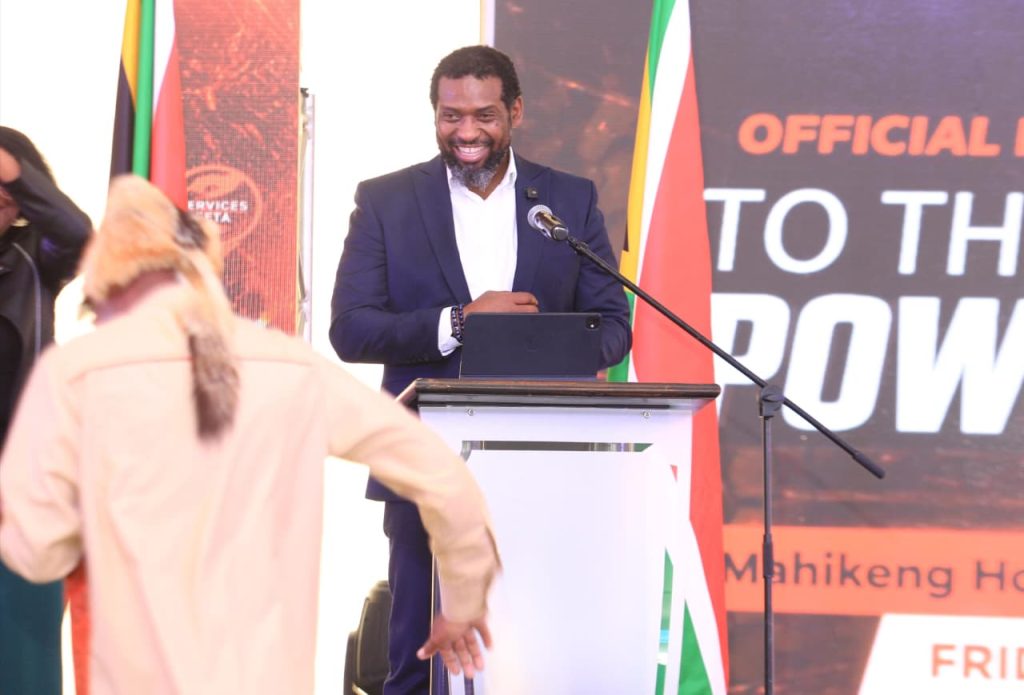
Minister of Higher and Training Buti Manamela at the National Launch of the Power X2 Services SETA 20 000 internships. Mahikeng Hotel School.
Photo:Eddie Mtsweni
Launched at the Mahikeng Hotel School in North West on Friday under the theme, “Experience Multiplied. Impact Magnified,” the programme seeks to bridge the gap between education and employment by giving graduates practical workplace experience, mentorship and exposure to industry while creating a pipeline of skilled workers for employers.
Delivering his keynote address, Minister of Higher Education and Training Buti Manamela said the success of the initiative would ultimately depend on whether it moves graduates from qualifications into meaningful work.
“The test begins after today, and it is a simple test. Does this programme take a young person who has completed a qualification, place them in real work under proper supervision, and move them into employment or enterprise?” Manamela said.
Manamela said South Africa could no longer treat access to education as the end goal when many qualified young people remained locked out of the labour market because they lacked workplace experience.
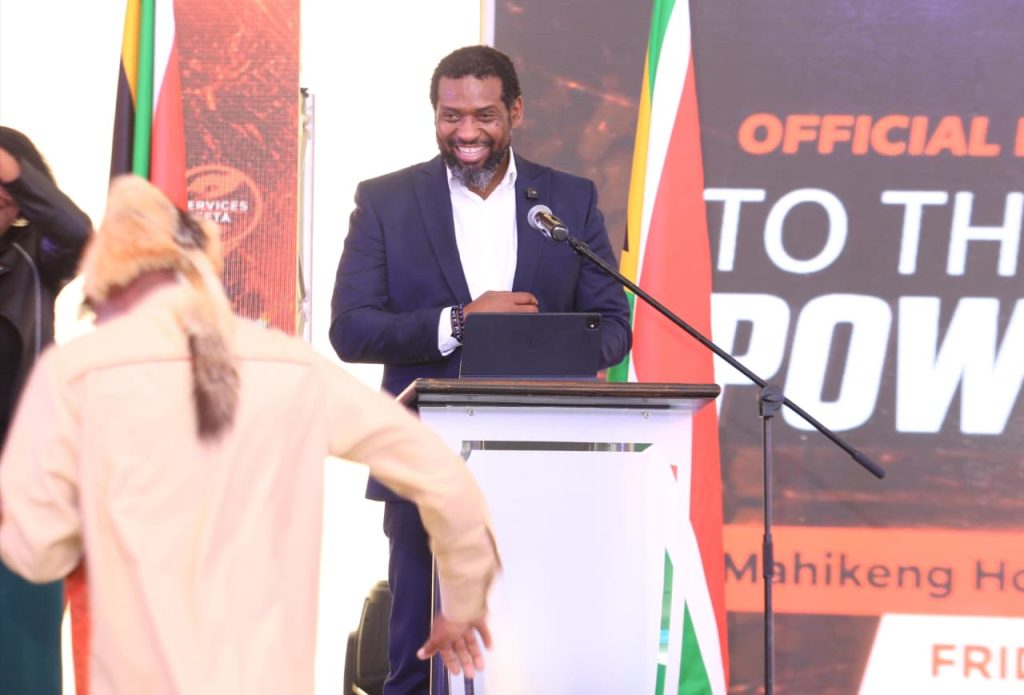
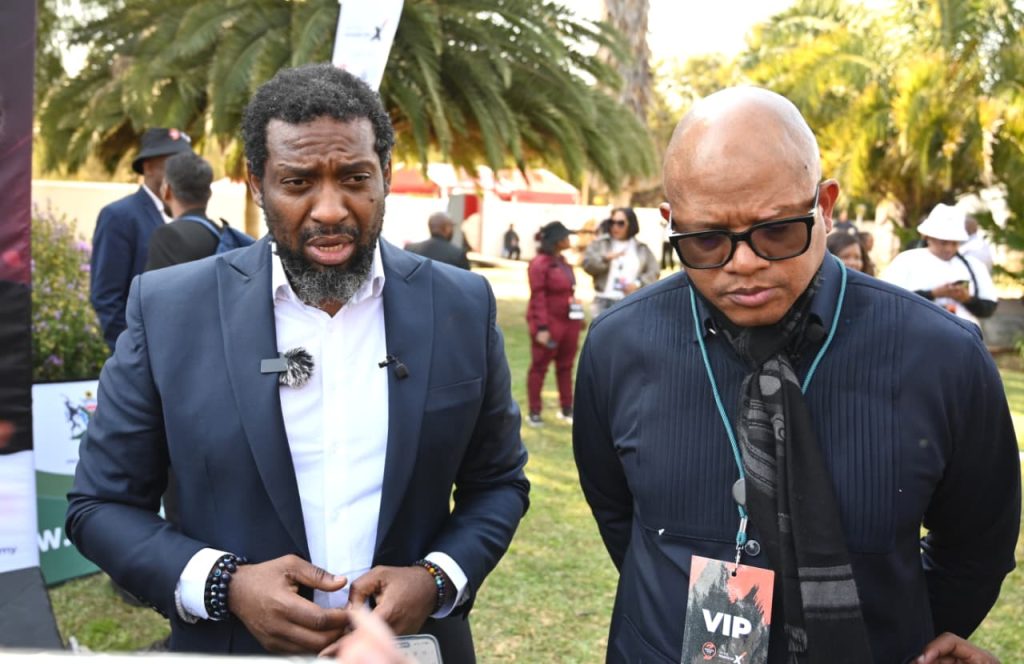
Minister of Higher and Training Buti Manamela (left) and Services SETA Administrator Mr Lehlogonolo Masoga (right) at the National Launch of the Power X2 Services SETA 20 000 internships. Photo:Eddie Mtsweni
“A young person can complete a qualification and then spend years being told they lack experience, without anyone explaining how experience is acquired if no employer provides the first opportunity,” he said
He described this gap between education and employment as a barrier the programme was intended to break.
Services SETA has set aside R2.9 billion to place 20,000 university and TVET college graduates into structured workplace-based learning for 24 months.
He said the initiative would mobilise approximately 3,000 employers nationally, including government departments, municipalities, public entities, state-owned companies, private businesses and small enterprises.
An initial cohort of 1,000 placement-ready graduates has also been made available to the Offices of the Premier in all nine provinces
Manamela called on government departments, municipalities, public entities, state-owned companies, corporations and small businesses to open their workplaces to graduates.
He said employers should provide meaningful work, capable mentors and opportunities for young people to gain practical skills.
“Employers cannot remain at the end of the skills pipeline, waiting to receive a finished product. They must become co-producers of skills, helping design programmes, mentoring young people and considering them for available positions,” Manamela said.
He warned that placements should not become a revolving door where young people repeatedly enter publicly funded programmes without progressing into employment.
“A young person must leave with more than a line on a CV,” he said.
Manamela also highlighted the importance of strengthening the TVET sector and ensuring that young people gain both theoretical knowledge and practical workplace experience.
He said South Africa needed skills across a range of sectors, including the digital economy, services, finance and logistics, as well as occupational trades such as plumbing, electrical work, welding, mechanics and technical occupations.
Services SETA Administrator Lehlogonolo Masoga said the programme represented a commitment to ensuring that academic qualifications translated into meaningful careers.
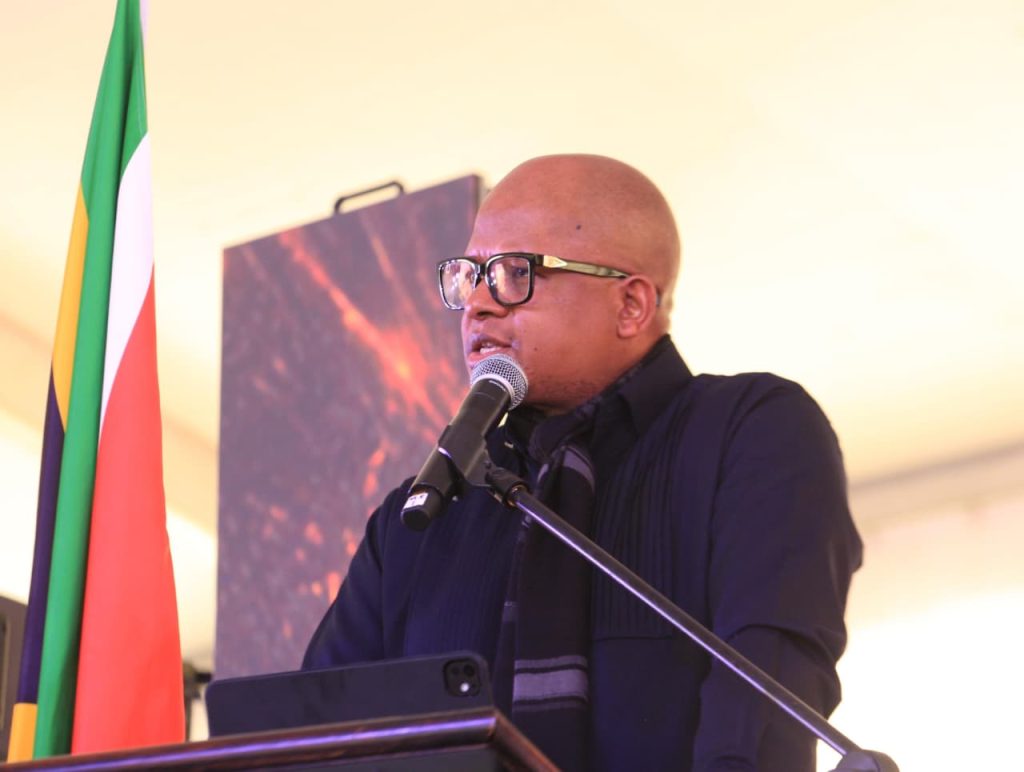
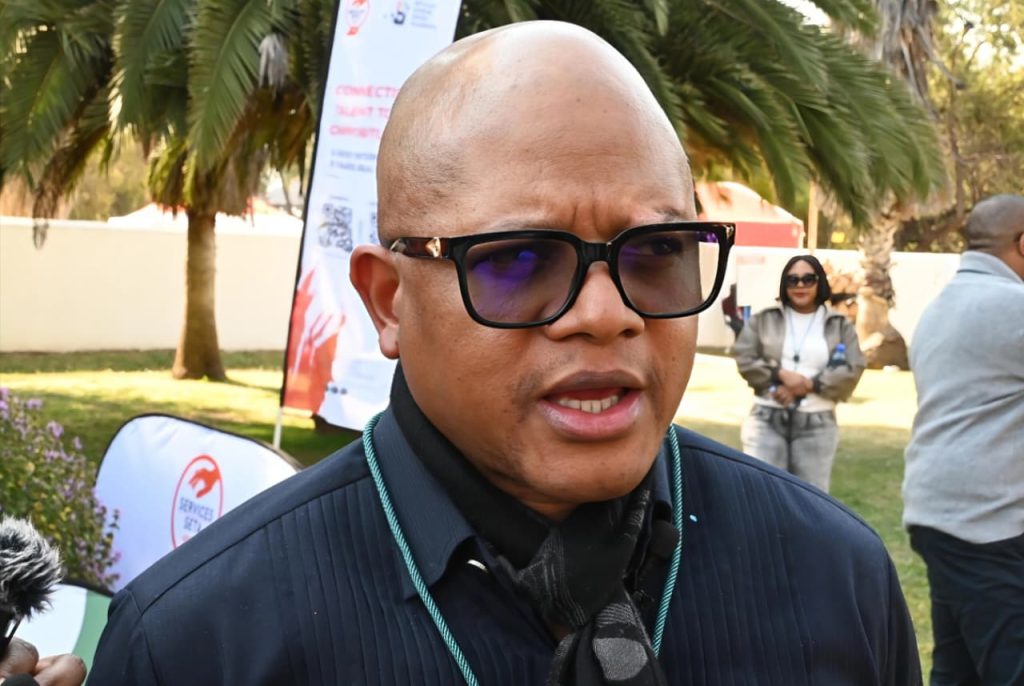
Services SETA Administrator Mr Lehlogonolo Masoga at the National Launch of the Power X2 Services SETA 20 000 internships. Mahikeng Hotel School. Photo:Eddie Mtsweni
“Today marks more than the launch of another programme. It marks our collective commitment to ensuring that a qualification does not become the end of a young person’s journey, but rather the beginning of a meaningful career,” Masoga said.
He said thousands of graduates leave universities and TVET colleges each year but struggle to enter the labour market because they lack practical workplace experience.
“We cannot continue to allow experience to become the barrier that prevents talent from contributing to economic growth,” he said.
Masoga said the “X” in PowerX² represented workplace experience, exposure, excellence, expansion and exchange, while the multiplication symbol represented the impact created when government, employers, institutions and mentors work together.
The programme is open to unemployed graduates holding NQF Level 4 to Level 7 qualifications obtained from public universities or TVET colleges.
Graduates from all fields of study will be considered, with placements matched according to employers’ skills needs.
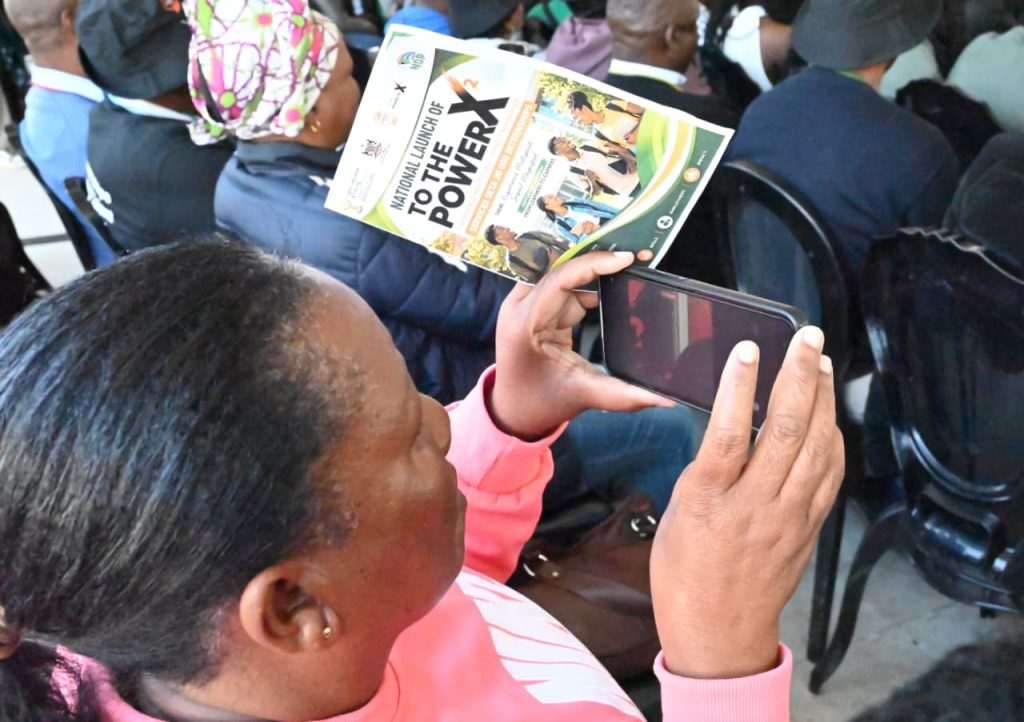
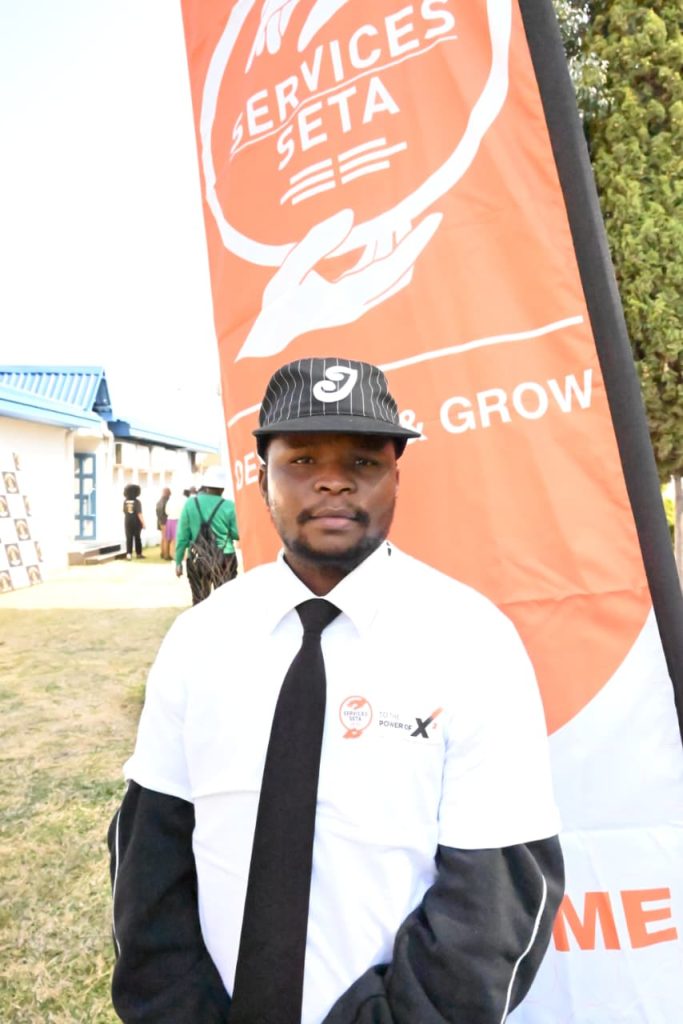
Beneficiary Bokamoso Shame at the National Launch of the Power X2 Services SETA 20 000 internships. Mahikeng Hotel School. Photo:Eddie Mtsweni
Masoga said the programme’s success would not be measured only by the number of graduates placed, but by the quality of the placements and the number of participants who progress into permanent employment, entrepreneurship or further opportunities.
“Our real measure of success will be the quality of each placement, the strength of employer participation, the development of workplace competencies and, ultimately, the transition of graduates into employment, entrepreneurship or further career opportunities,” he said.
He also urged employers across the public, private and non-profit sectors to participate by opening their workplaces and providing mentorship.
Following the launch, Manamela and Masoga addressed members of the media, where they provided further details on the implementation of the PowerX² programme.
Manamela told the 20,000 graduates who will benefit from the programme to approach their internships as an opportunity to prove themselves to potential employers.
“To the 20,000 graduates watching, treat this as a job because it’s basically an audition for a job. It’s more than an interview,” Manamela said.
He urged graduates to arrive on time, perform their tasks diligently and listen to their mentors.
“You’ve been let into the workplace to experience what it means to be working,” he said.
Manamela said graduates should use the opportunity not only to gain experience but also to identify possibilities for permanent employment, entrepreneurship or further study.
He also challenged companies to change the way they approach workplace learning by opening their workplaces as training spaces.
“What’s one thing you want companies to do differently after today? Well, let’s open up our workplaces as learning spaces,” he said.
He said factories, offices, hotels, kitchens and other places where work takes place could all provide valuable learning environments for young graduates.
During the media address, Manamela acknowledged that the programme was being launched against a backdrop of high graduate unemployment.
He said graduate unemployment remained closely linked to the country’s weak job creation, stressing that graduates should not be blamed for being unable to find work.
“We don’t obviously want to give false hope, but I think what is important is that this is an internship, it’s an intervention facilitating full-time employment,” he said.
“The fact that a graduate is unemployed is not their fault. It’s because the economy has not been producing jobs.”
Manamela said the programme was intended to help accelerate the transition from qualifications to employment by giving graduates experience that could strengthen their position in the labour market.
Manamela acknowledged concerns about what would happen to graduates who complete the 24-month programme but are not offered permanent employment.
He said that even where a graduate was not immediately absorbed, the workplace experience would improve their chances of securing employment when opportunities became available.
“If they’re not absorbed, at least they’ll be exposed, and will stand a better chance when there is employment available,” he said.
He added that the programme had been designed to ensure graduates could be considered for employment opportunities arising within participating workplaces.
Masoga also addressed concerns around the payment of stipends, assuring prospective interns that funding had already been secured.
“The money is available and we have appointed a competent project management team that will assist us in disbursing those funds to ensure every learner receives their stipend on the agreed payment date,” he said.
He said Services SETA had also strengthened its implementation systems before launching the programme.
“We wanted to tighten all the requirements before launching. We’re ready now to deliver smoothly,” Masoga said.
Each intern will also receive a laptop when reporting for duty, which Masoga said would become their property after completion of the 24-month programme.
“Every learner who reports for duty will report with a laptop in hand, which will become their property after completing the programme,” he said.
Masoga said Services SETA would use an electronic dashboard to monitor the programme, including attendance, placements and employment outcomes.
“We have an electronic system that allows us to monitor every learner daily. We’ve done extensive preparation to ensure we don’t repeat the mistakes of the past,” he said.
He also warned graduates to be vigilant against scams and stressed that no applicant should pay anyone to gain access to the programme.
“No applicant should ever pay anyone for access to this programme,” Masoga said.
The programme will ultimately depend on the cooperation of Services SETA, employers and graduates.
“This work we’re doing is a partnership between three parties. It’s ourselves as Services SETA, the employers and the graduates. We have to work together to make sure that this programme is a success,” he said.