A wave of militant attacks on schools in Nigeria over the past week has left more than 80 children missing, local officials and a rights group said Sunday, the latest in school abductions in the West African country where the government is battling an array of jihadi and other armed groups.
The attackers targeted a primary school in the conflict-battered state of Borno, in Nigeria’s northeastern corner, sometime between Wednesday and Thursday. The militants abducted 42 children there, in the Askira Uba and Chibok areas.
Amnesty International said that attack took place in the village of Mussa near Sambisa Forest, a stronghold of militants from Boko Haram and its splinter group, an Islamic State affiliate known as the Islamic State West Africa Province.
Across the country, two secondary schools in the southwestern Oyo state were attacked hours apart on Friday, and at least 40 children were abducted there, according to Amnesty’s Nigeria branch. Such abductions are rare in this particular area.
The rights group warned on Sunday that the threat of abduction is forcing many children out of school, while underage girls are being pulled out of classrooms and forced into marriage by families seeking to protect them from school attacks.
Peter Wabba, a government official from Mussa, said on Sunday that he was told the “exact number” of children abducted in Oyo was 48.
“The government is assuring us that they are doing their possible best to see that these children are rescued but up till now, we are still waiting,” he told The Associated Press.
Amnesty also said that the authorities “never fulfill promises to investigate the incidents and bring the perpetrators to justice.”
“Victims and their families continue to be denied access to justice,” it said.
On Saturday, police spokesperson Ayanlade Olayinka told the AP that three gunmen were detained in connection with the Oyo attack, which took place in the Oriire area, about 220 kilometers (135 miles) from the city of Lagos.
The suspects were identified by the community and arrested, Olayinka said. Police did not say if they were searching for more suspects.
Abductions of schoolchildren are common in Nigeria, Africa’s most populous nation, especially in the country’s north. Last year, two mass abductions from schools rocked the nation, with over 300 children taken in the northern region.
School kidnappings have come to define insecurity in Nigeria, and analysts say it’s often because armed gangs see schools as strategic targets they can exploit to draw more attention.
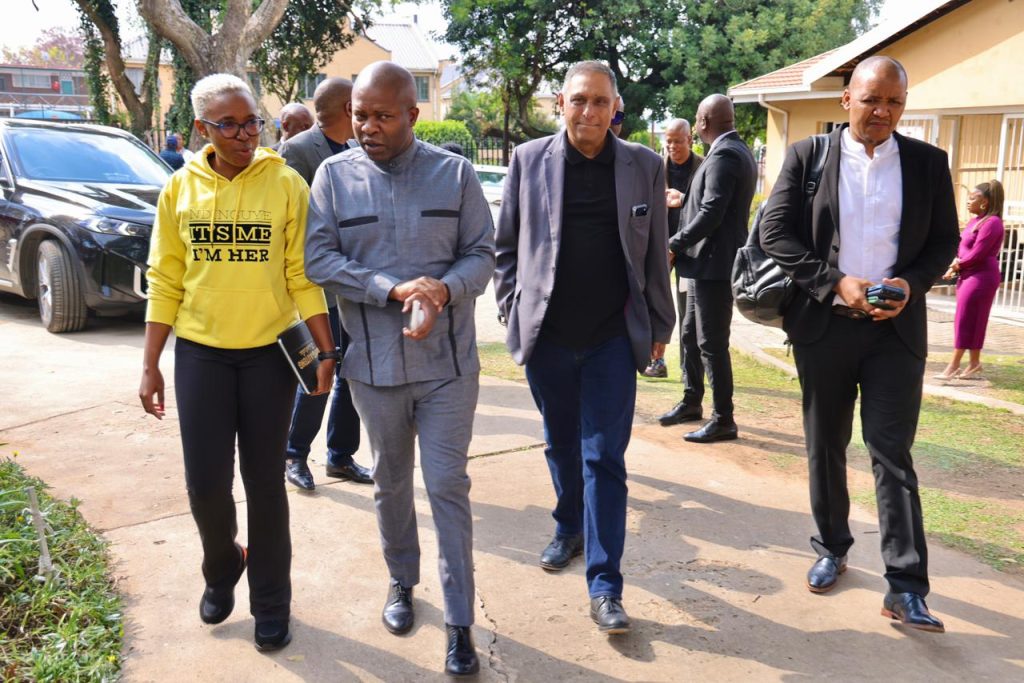
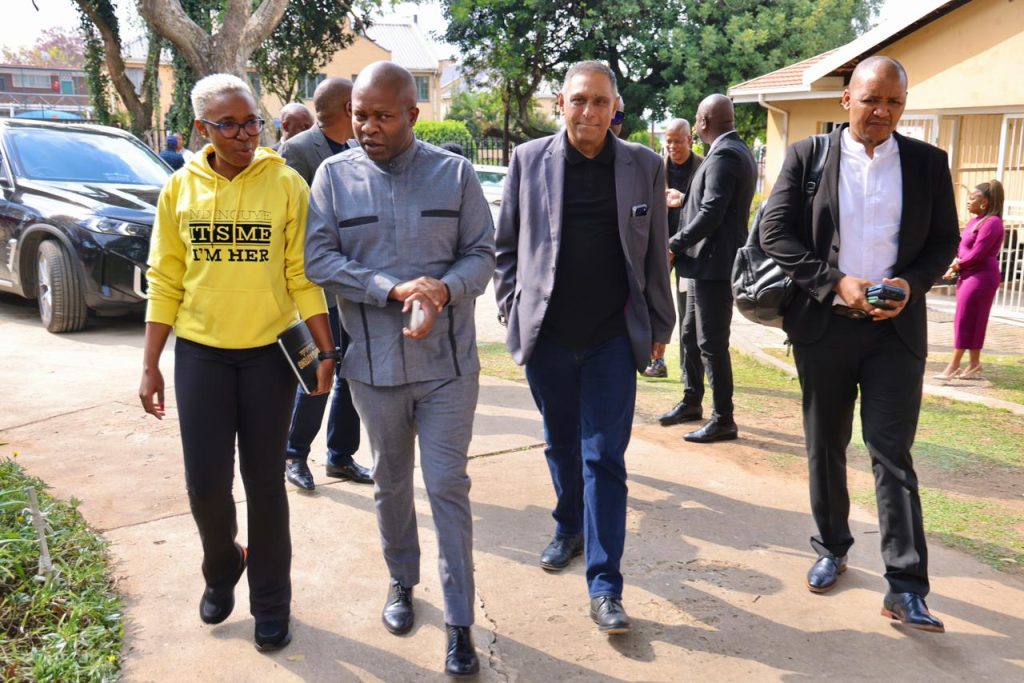
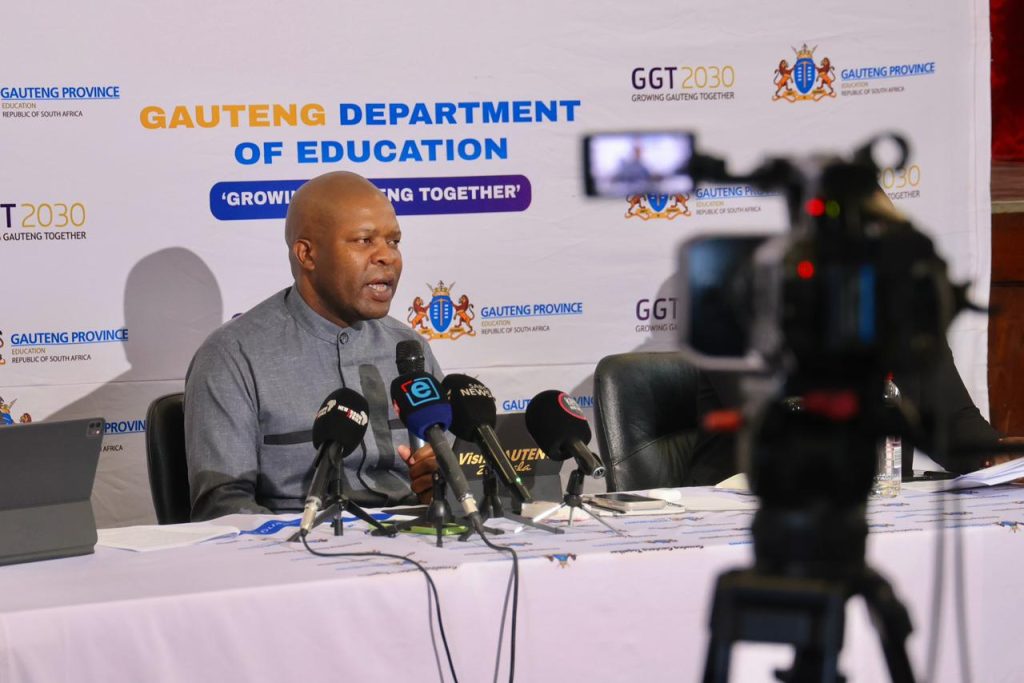
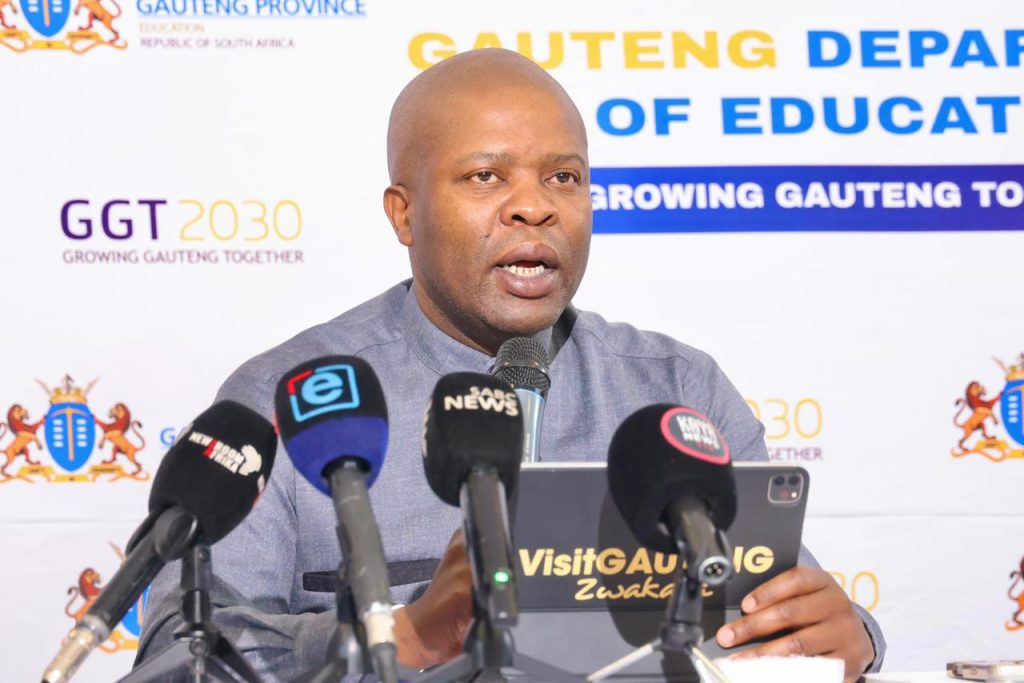
Gauteng Education MEC Lebogang Maile has announced the review of the department’s decentralised management model used in public schools following mounting debt to municipalities, widespread billing disputes and disruptions to teaching caused by water and electricity cut-offs.
In a press briefing at Lyndhurst Primary School in Johannesburg on Sunday, Maile maintained that despite the potential benefits that decentralisation could provide to the province, it has become inevitably necessary to review the model.
“For this reason, we are reviewing the de-centralisation model. This has been made necessary by the impediments that it has posed, particularly as it pertains to challenges with financial management and sound governance, which result in the non-payment of municipal services,” Maile said.
Maile outlined the growing financial and infrastructure pressures facing Gauteng’s education system, warning that rapid in-migration, overcrowding and ageing infrastructure were threatening the sustainability of basic education in the province.
This follows a ruling by the North Gauteng High Court earlier in the month that schools could not have their electricity disconnected over unpaid municipal property rates, ordering Tshwane to immediately restore power to affected schools and prohibiting future disconnections.
Maile welcomed the judgment, saying it reaffirmed education as a constitutionally protected right that should not be interrupted because of financial disputes.
He acknowledged, however, that municipalities themselves were under severe financial strain due to poor revenue collection, rising debt and the broader cost-of-living crisis affecting households and businesses.
Maile said Gauteng’s public school system had expanded dramatically since 1994, with learner numbers increasing from about 1.4 million in 1995 to double that, or 2.8 million, in 2026.
Gauteng MEC Lebogang Maile. Photo: supplied
Although the provincial education infrastructure budget had grown from R1.63 billion in 2021/22 to R2.84 billion in 2025/26, he said the increase remained insufficient to meet infrastructure backlogs, maintenance needs and the impact of inflation.
Maile also highlighted the province’s unique challenges, including schools built on dolomitic land, which require costly specialised engineering and foundation designs.
The MEC provided a detailed overview of municipal debt owed by Gauteng schools.
According to the provincial government, schools owe municipalities nearly R584 million for accounts older than 60 days, while debt to Eskom stands at R6.32 million.
The largest share of municipal debt is owed to the City of Johannesburg at R390.71 million, followed by the City of Ekurhuleni at R75.14 million and Tshwane at R51.7 million.
Maile said part of the problem stemmed from estimated billing and schools being under-billed initially before municipalities later applied revised charges based on actual meter readings.
“In some cases, schools have been significantly impacted by inflationary pressures that are not of their own doing. In these instances, there has been a misalignment between increases in municipal tariffs and the annual incremental allocations provided to schools in terms of the National Norms and Standards for School Funding that is issued in terms of Section 35 of the South African Schools Act (SASA),” the MEC said.
He said schools had struggled to absorb sharp tariff increases that exceeded annual state funding allocations.
The MEC said the decentralisation model, introduced mainly for Section 21 schools, transferred responsibility for paying municipal services from the Gauteng Department of Education to individual schools and their School Governing Bodies.
He said the system was intended to promote financial autonomy, accountability and faster decision-making at school level, allowing schools greater flexibility in procurement and resource allocation.
However, Maile admitted the model had also produced serious unintended consequences, particularly for no-fee and low-income schools.
Among the challenges identified were rising municipal debt, weak financial management capacity among some School Governing Bodies, disputes over historical debt, and interruptions to teaching and learning caused by electricity and water disconnections.
He said some schools had inherited debt accumulated before decentralisation was implemented, while others were struggling with escalating operational costs and inadequate funding.
Maile said his department is now reassessing the decentralisation approach and consulting stakeholders on reforms aimed at strengthening governance, improving financial management and protecting teaching and learning from service disruptions.
He said schools should ultimately focus on delivering quality education rather than becoming overwhelmed by administrative and financial burdens.
He added that the provincial government would continue engaging municipalities through intergovernmental structures to ensure compliance with the High Court ruling and assist schools contesting billing disputes.
“Residents of Gauteng must recognise that schools are properties of their communities. Above all, education is a social responsibility and a public good. We all need to play our part in strengthening the education ecosystem in our province – it is in our collective interest,” Maile said.
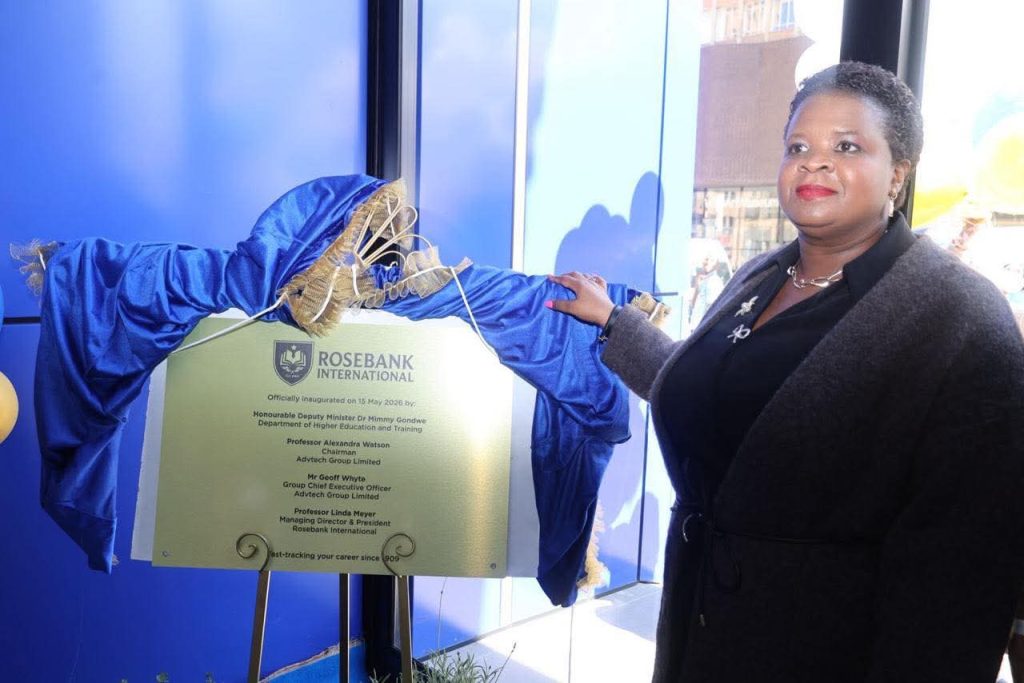
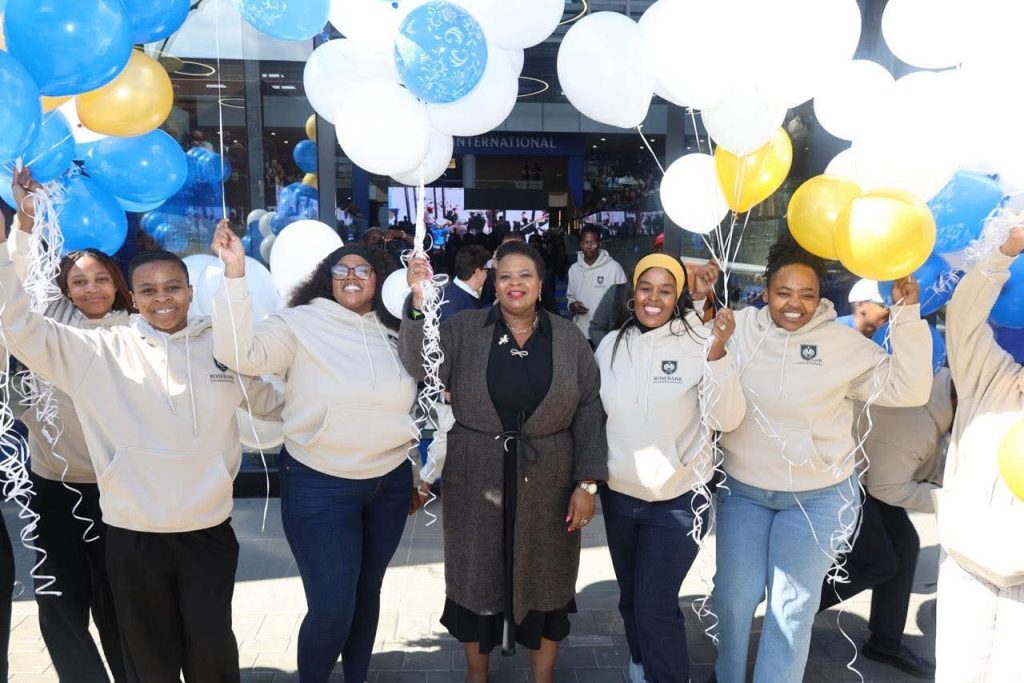
Advtech group has officially rebranded IIE Rosebank College to Rosebank International (RI) , marking a major milestone in its ambition to become a fully-fledged private university and expand its footprint across Africa
The launch, held at the Braamfontein campus on Friday under the theme, “Educating Africa’s Next Era,” signalled the institution’s broader expansion of access to higher education across the continent.
RI confirmed during the launch its existing operation in Ghana through the establishment of Rosebank International University College (RIUC), marking Advtech ‘s first university outside South Africa.
Speaking at the launch, Geoff Whyte, Group CEO of Advtech, said the institution was experiencing rapid growth and was on track to become South Africa’s largest private tertiary institution.
“This name change and new corporate identity better reflect Rosebank International’s ambition to become Africa’s largest and most respected private university. We are already making good progress towards this goal with significant and accelerating enrolment growth both locally and abroad,” Whyte said.
He revealed that Rosebank International added more than 10,000 students during the latest registration cycle, with student growth occurring at nearly three times the rate of its closest competitor.
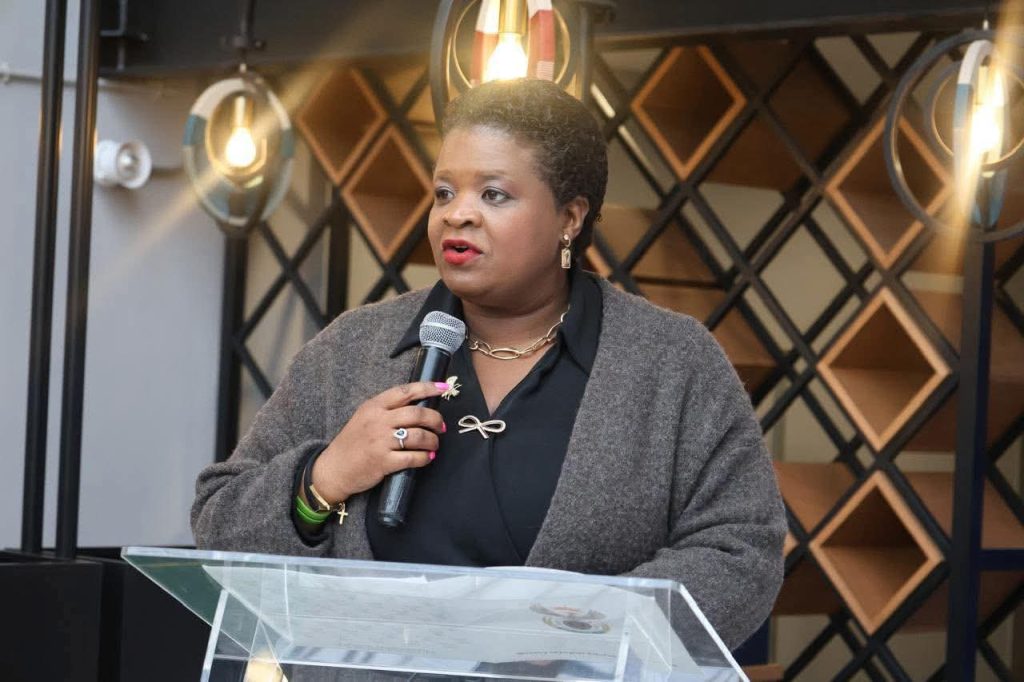
Deputy Minister of Higher Education and Training Dr Mimmy Gondwe welcomed the launch, describing it as an important development for the country’s higher education sector.
“This development reflects the kind of bold private-sector innovation South Africa needs in the Higher Education sector to drive skills development. Together, the public and private sectors can work towards realising our shared goal of expanding access to quality university-level education while producing skilled graduates who are empowered to drive our economy and the African continent forward,” she said.
Gondwe said the department will continue to pursue partnerships focused on technology, innovation and digital literacy to strengthen educational access and student support.
“May this launch mark not only the beginning of a new chapter for Rosebank international but a also renewed commitment to building a higher education system that is inclusive, innovative , globally revelant and responsive to the future of our continent,” she said.
Managing director and President of Rosebank International, Professor Linda Meyer said the rebrand represented more than a name change but an opportunity in creating international academic collaboration.
She described the transition as a “defining moment in higher education”, saying Rosebank International aims to become a globally respected Pan-African institution focused on transformation through education.
She highlighted the role of education in addressing South Africa’s unemployment crisis, noting that graduates continue to have significantly lower unemployment rates compared to the broader youth population.
” Education remains the single greatest force for transformation in Africa. Our mission is to democratise access to quality higher education, pursue excellence without compromise and prepare graduates who will lead with integrity, purpose and impact,” Meyer said.
Meanwhile, Chief Mabizela Director; Operations and Sector Support of Universities South Africa (USAF) described the transition as a “declaration of intent”.
“This rebranding reflects a vision of growth and internationalisation, positioning Rosebank International as a pioneer among private higher education institutions.”
Three universities of technology have launched a high court application in Pretoria over an unresolved dispute with the South African Dental Technicians Council (SADTC).
In a joint statement, the Cape Peninsula University of Technology (CPUT), Durban University of Technology (DUT), and Tshwane University of Technology (TUT) said discussions with the SADTC on accreditation, assessment and registration processes had continued since 2019 without resolution.
The three universities are the only South African institutions training dental technicians and technologists.
They said the unresolved discussions had resulted in no new student intakes over a number of years, placing the programmes at risk.
“The five students who graduated from TUT since 2023 constitute the country’s graduate output,” the universities said.
“Dental technicians and technologists are essential members of the oral healthcare team. A prolonged shortage will harm public access to dental services.”
The universities said that technician work undergoes multiple layers of professional review before reaching the dentist, who retains final responsibility for patient care.
The institutions are asking the high court for various orders, including setting aside what they said was SADTC’s unfair and unilaterally imposed current final practical examination framework.
According to the statement, the framework requires a diploma student to fail if any one of 112 binary pass/fail criteria is failed. The universities said the framework was not aligned with national or international norms and standards.
They are also asking the court to require the SADTC to register 159 “pipeline students” who lawfully completed their qualifications before 2022.
The universities said the application was launched to enable the sustainable continuation of dental technology training and to ensure continued student intake in the programmes.
“We call on the Department of Higher Education and Training and the National Department of Health to support a swift, constructive outcome that safeguards high-quality dental technology education and meets South Africa’s oral health needs,” the universities said.
Commuters in several provinces will pay more for minibus taxi trips after taxi associations this week announced fare increases on local and long-distance routes.
In the Western Cape, the South African National Taxi Council (SANTACO) confirmed during a media briefing in Bellville on Thursday that fares on several routes would increase from Monday.
Speaking at the briefing, Cape Organisation for the Democratic Taxi Association (CODETA) chairperson Nceba Enge apologised to commuters for the short notice.
“We want to apologise to the commuters for maybe not giving them enough notice. But prior to this increase, we issued a statement where we notified our commuters that prices will increase because operators cannot pay for their vehicles. Their vehicles are being repossessed by financial institutions. So that forced us with no choice but to increase,” he said.
Enge said CODETA and the Cape Amalgamated Taxi Association (CATA) had met in Nyanga to discuss the effect of rising fuel costs before consulting regions across the Western Cape.
Commuters on some local routes can expect increases of between R2 and R3, while long-distance routes will also be affected.
The single-trip fare to the Eastern Cape will increase from R1,000 to R1,150, while the special Thursday trip will rise from R1,250 to R1,400. The special Wednesday trip will increase from R1,200 to R1,350.
Passengers travelling to Saldanha will also pay more, with the single-trip fare increasing from R1,000 to R1,200 and the special trip fare rising from R1,300 to R1,450.
The long-distance fare increases are expected to take effect from Thursday, 21 May.
Gauteng
In Gauteng, the Hebron Taxi Association said its fare increases would take effect from next month. The association said local-distance fares would increase by R3, while short-distance commuters would pay R5 more.
The Hammanskraal Taxi Organisation also confirmed fare increases from next month, with local routes increasing by R3 and short-distance fares by R5.
Similarly, the Northern Tshwane Taxi Industry announced fare hikes effective from next month, with commuters expected to pay an additional R3 on local trips and R5 on short-distance routes.
Limpopo
In Limpopo, the Seshego Polokwane Taxi Association (SPTA) confirmed that fare increases would come into effect from Monday.
Affected routes include Seshego to Polokwane town, Extension 70s, Emdo, Ladanna, Mall of the North and surrounding areas. The fare is expected to increase by R5.
“After careful consideration, the industry has been left with no choice but to adjust fares in order to keep services running and protect the long-term sustainability of public transport for commuters,” SANTACO said.
Families in the greater Hluvukani region affected by recent floods received essential household items on Wednesday as government departments, municipalities and humanitarian organisations joined forces to assist communities still recovering from the disaster.
The relief initiative was led by the Department of Social Development in partnership with the Industrial Development Corporation (IDC), Ashraful Aid International Humanitarian Organisation, Ehlanzeni District Municipality and Bushbuckridge Local Municipality.
Hundreds of residents gathered to receive aid packages containing grocery hampers, cleaning materials, gas stoves, gas cylinders, kitchen utensils, blankets, plastic containers and other household essentials aimed at helping families rebuild their lives after the floods destroyed property and displaced residents.
Bushbuckridge mayor Moroane thanked stakeholders and humanitarian partners for their continued support to struggling families.
The intervention follows severe flooding in Bushbuckridge earlier this year after persistent heavy rains battered parts of Mpumalanga, causing rivers to overflow, roads to become inaccessible and homes to be damaged across several communities.
The Mpumalanga Department of Education temporarily suspended classes in Bushbuckridge due to dangerous weather conditions and flooded roads affecting learners and teachers.
Government assessments later revealed that more than 2,000 households in Bushbuckridge were affected by the floods, with several wards suffering extensive damage to homes and infrastructure.
Wednesday’s handover in Hluvukani formed part of an ongoing humanitarian response aimed at helping affected residents recover from months of hardship caused by the severe weather conditions.
Durban-born researcher Dr Sahil Tulsi has provided important new insights into how genetic differences among South Africans may influence responses to TB treatment.
Tulsi, who earned his Doctor of Philosophy in Virology from the University of KwaZulu-Natal, examined how genetic variation affects the way patients process anti-TB medication in his study, Influence of Drug Transporter Gene Polymorphisms on Pharmacogenetic and Treatment Outcomes in African Mycobacterium tuberculosis Cohorts.
His research highlights a critical gap in global health science — the underrepresentation of African genetic data in studies that inform treatment approaches.
“South African patients may respond differently to TB treatment because of their unique genetic makeup,” Tulsi said.
“Understanding these differences moves us closer to more personalised treatment for TB and HIV rather than a one-size-fits-all approach.”
Tulsi’s work highlights how genetic diversity can influence drug absorption, distribution and elimination.
Analysing data from 1,407 black South African participants in KwaZulu-Natal, he identified specific genetic variants that affect how the body processes moxifloxacin, a key anti-TB drug.
One variant in particular was linked to reduced drug concentrations, suggesting that some patients may metabolise the drug more rapidly than others.
While these variants were not directly associated with TB susceptibility, HIV infection or recurrence, further genome-wide analysis revealed additional understudied genetic markers linked to HIV and TB co-infection, as well as TB recurrence, with notable differences compared to non-African populations.
“These findings show that understudied genetic variants unique to African populations potentially influence treatment outcomes,” Tulsi said.
“Future studies may help to validate the potential of these variants to serve as biomarkers to guide dosing strategies and improve treatment success.”
Professor Veron Ramsuran, who supervised Tulsi’s study, said the implications were significant.
“By paving the way for precision medicine approaches tailored to African populations, the research could help reduce treatment failure and relapse rates, ultimately strengthening healthcare outcomes in communities hardest hit by TB,” Ramsuran said.
Tulsi said completing his PhD was a rewarding achievement.
“I feel a great sense of pride in having achieved this personal goal and in contributing, even in a small way, to the advancement of science,” he said.
Tulsi completed his undergraduate and postgraduate studies at UKZN.
Inspired by early exposure to infectious disease research during his time with the Medical Research Council TB Unit and the Centre for the AIDS Programme of Research, Tulsi developed a passion for understanding the intersection of microbiology and human health.
He credited his success to the support of Ramsuran, as well as funding from GlaxoSmithKline and Novartis, and encouragement from his wife, Nazley Tulsi.
Currently a Senior Genomics Sales Specialist at Illumina, Tulsi works across Southern and East Africa, supporting advanced genomic technologies, including next-generation sequencing and microarray workflows.
Minister in the Presidency for Women, Youth and Persons with Disabilities Sindisiwe Chikunga has said that education, training and support for youth-led enterprises must be linked to growing sectors and the practicalities of employment.
Chikunga said government, the private sector, higher education institutions, SETAs and industry needed to work more closely to ensure young people are trained for the economic demands of the present and the future.
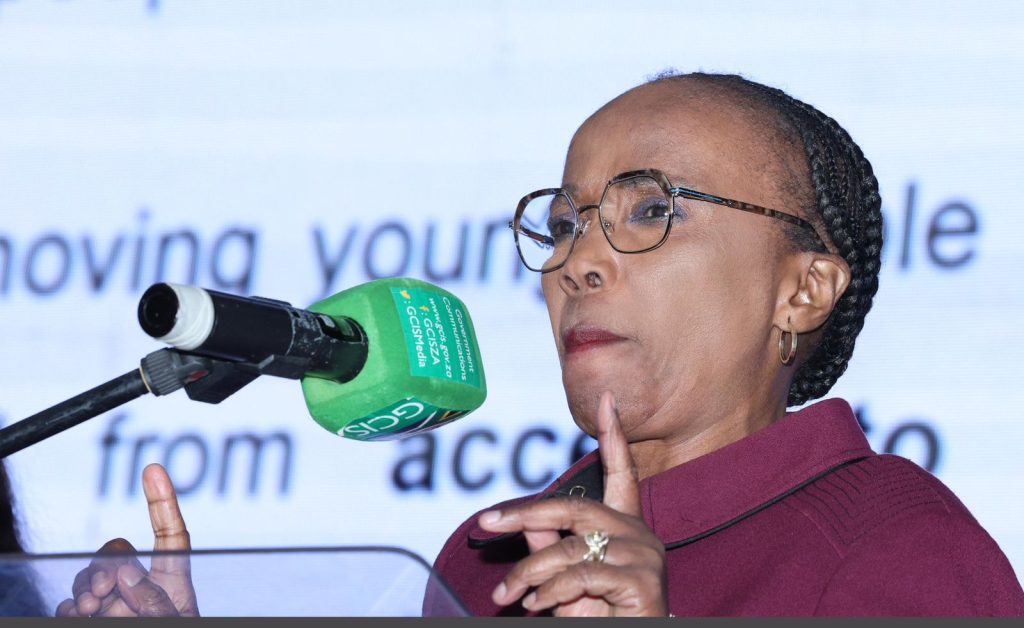
DWYPD Minister Sindisiwe Chikunga at the launch of the 50th Anniversary of the 1976 Youth Uprising in Soweto. Photo Cred: GCIS (X)
“It is not enough for young people to enter education if they do not complete [it], and if completion does not lead to work, enterprise or further training. It is not enough to train young people if those skills are not linked to growing sectors, real employers and productive opportunities,” she said.
“It is not enough to support young people with ideas, businesses and digital access if they remain outside finance, procurement, markets, value chains and the digital economy.”
Chikunga was delivering a keynote address at the media launch of the Golden Jubilee Commemoration of the 1976 Youth Uprising in Soweto on Thursday.
The launch marked the start of a year-long government programme to reflect on and honour the sacrifices of the 1976 student uprising, while mobilising young people around the challenges facing the country today.
Held under the theme “RESET@50 — The Future Calls”, the commemoration seeks to connect the legacy of the 1976 generation with present-day struggles.
The 1976 uprising was sparked by resistance to the apartheid government’s enforcement of Afrikaans as a medium of instruction in black secondary schools.
Chikunga said the contribution of the 1976 generation remained relevant to the lives of young South Africans today, although the struggle had shifted to include unemployment, economic exclusion and the need for access to future industries.
She said that more than 30 years after the attainment of democracy, government could not measure progress only by access to institutions.
Rather, she said, “it must be measured by completion, transition, absorption, ownership and dignity”.
Chikunga called for a “social reset” aimed at rebuilding the social fabric around young people through social cohesion, patriotism, national identity and shared responsibility.
She said confronting social ills affecting young people was essential to unlocking economic development and growth.
“When young people are no longer ashamed of saying on TV that ‘I drink alcohol’, it cannot be,” Chikunga said, warning about the dangers of alcohol abuse.
The minister said youth had an integral role to play in shaping South Africa’s future.
She urged them to help ensure that the country’s development goals for the next 50 years are met.
“We must ask young people to help shape the next 50 years — towards a National Youth Development Plan 2076 that speaks to digital inclusion, future industries, innovation, ethical and patriotic leadership, economic ownership and a society where no young person is left behind,” said Chikunga.
The Services SETA says R10 million will be allocated to each province to support Community Education and Training (CET) development.
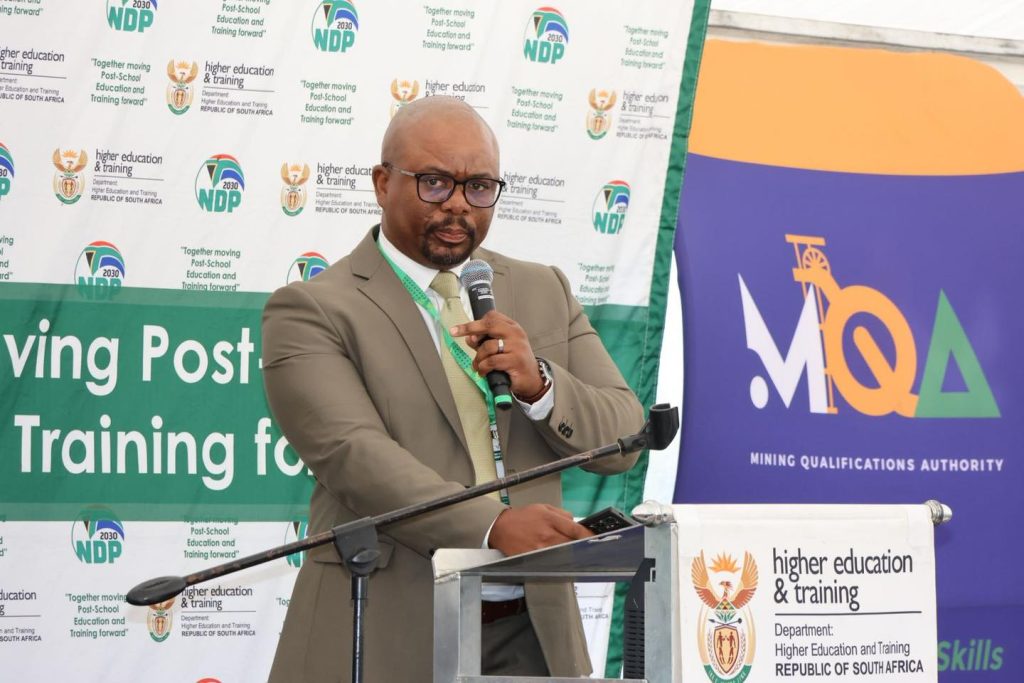
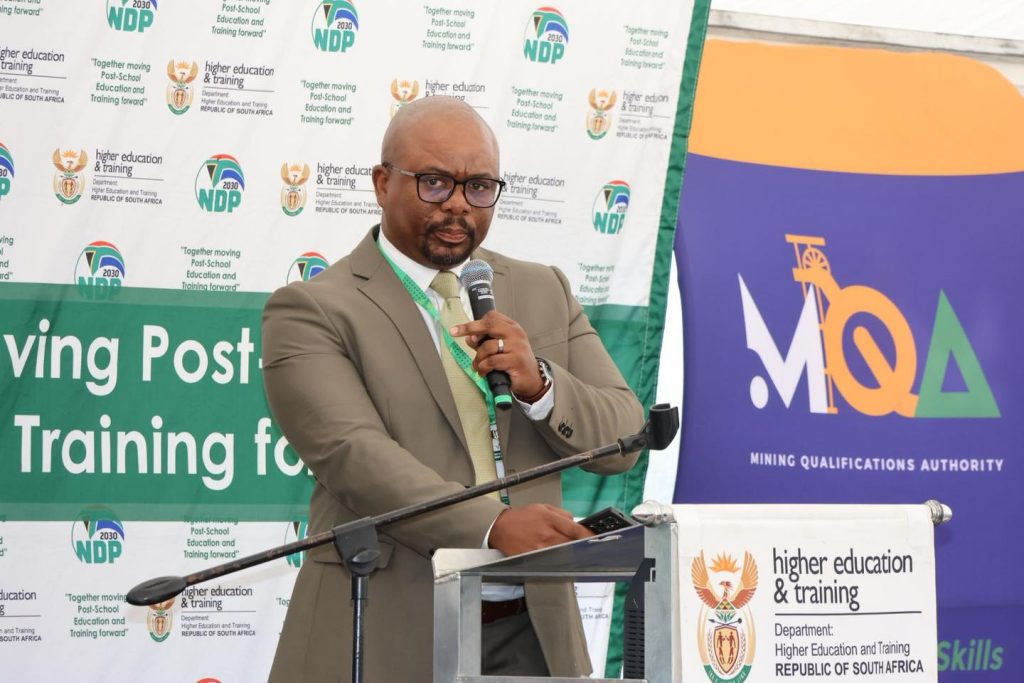
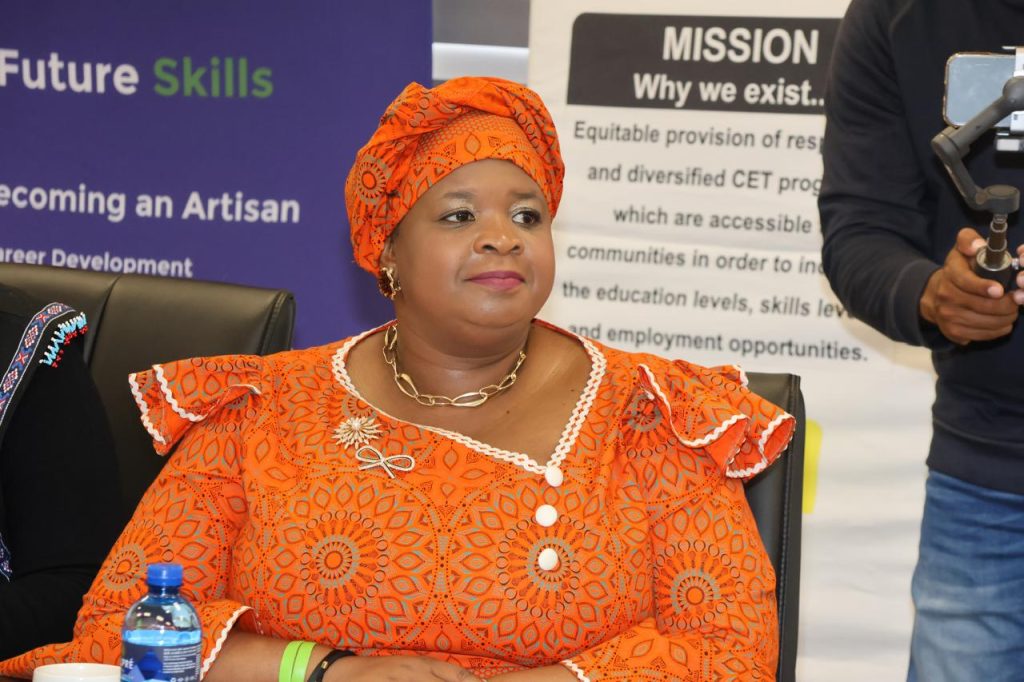
The commitment was formally made on Tuesday during the launch of the National Adult Literacy for Empowerment Campaign 2026–2030, led by Deputy Minister of Higher Education and Training Mimmy Gondwe at Lovedale TVET College in King William’s Town.
Gondwe emphasised the importance of CET colleges as key institutions for lifelong learning and second chances.
“If we are serious about repositioning CET Colleges as centres of lifelong learning and community renewal, then we must also be serious about investing in the conditions that will allow proper teaching and learning to flourish in our CET Colleges,” Gondwe said.
“These institutions must become places where a young person who left school due to pregnancy can return with dignity; where an unemployed adult can acquire skills and training; where a grandmother can learn to read and write; and where a mineworker can gain digital skills.”
The R90 million commitment was first announced by Administrator, Lehlogonolo Masoga, during the launch of a R5 million infrastructure upgrade project at Mlandeleni Community Learning Centre in Ndwedwe, KwaZulu-Natal, on Monday.
Thembinkosi Mosia, Manager for Real Estate and Related Services Chamber at Services SETA, reiterated the organisation’s dedication to driving change in the perception, quality and scope of education at CETs.
“The intervention supports Service SETA’s broader mandate, which includes skills development, economic development, rural and township development, and youth development,” Mosia said.
“Now is the time for CETs to receive the dignity, opportunity, and respect they deserve.”
Services SETA said the National Adult Literacy for Empowerment Campaign aims to reach one million adult learners by 2030.
It responds to the challenge of approximately 3.8 million functionally illiterate adults in South Africa, and will deliver basic and functional literacy, numeracy, digital, financial, entrepreneurial and civic skills.
“The campaign will focus on rural, mining, and marginalised communities, where access to education and skills development remains critical,” Services SETA said.
Services SETA said its intervention will support needs-based improvements across CET colleges, including classrooms, workshops, ICT facilities, digital learning infrastructure, skills training spaces, refurbished facilities and enhanced learner support environments.
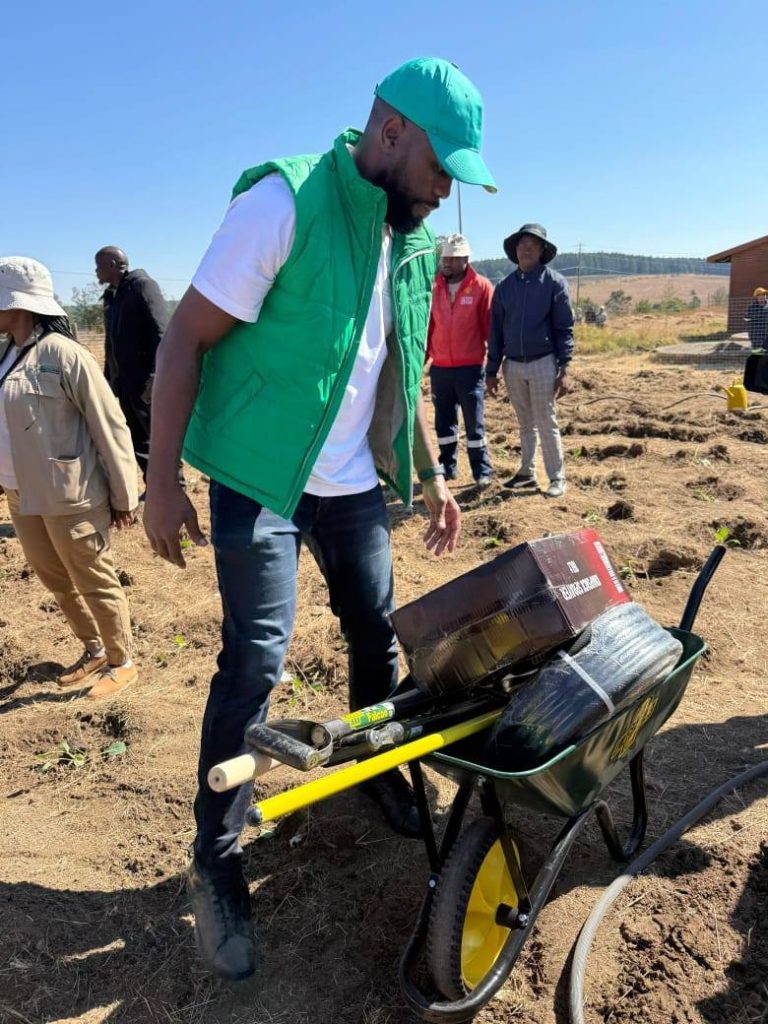
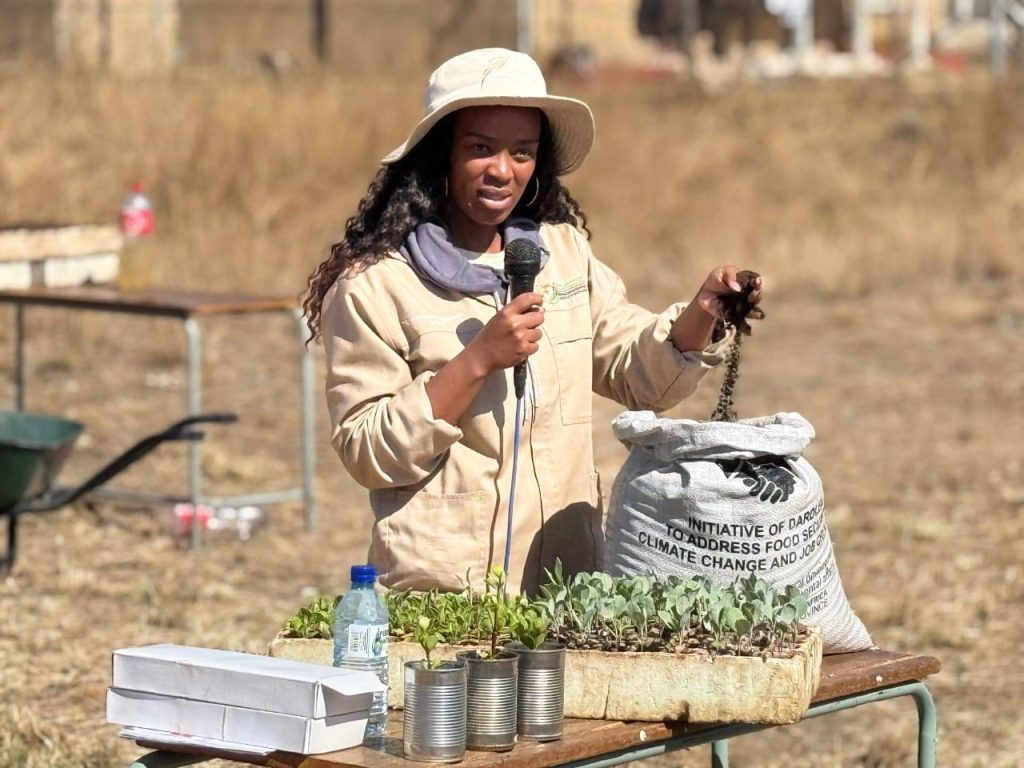
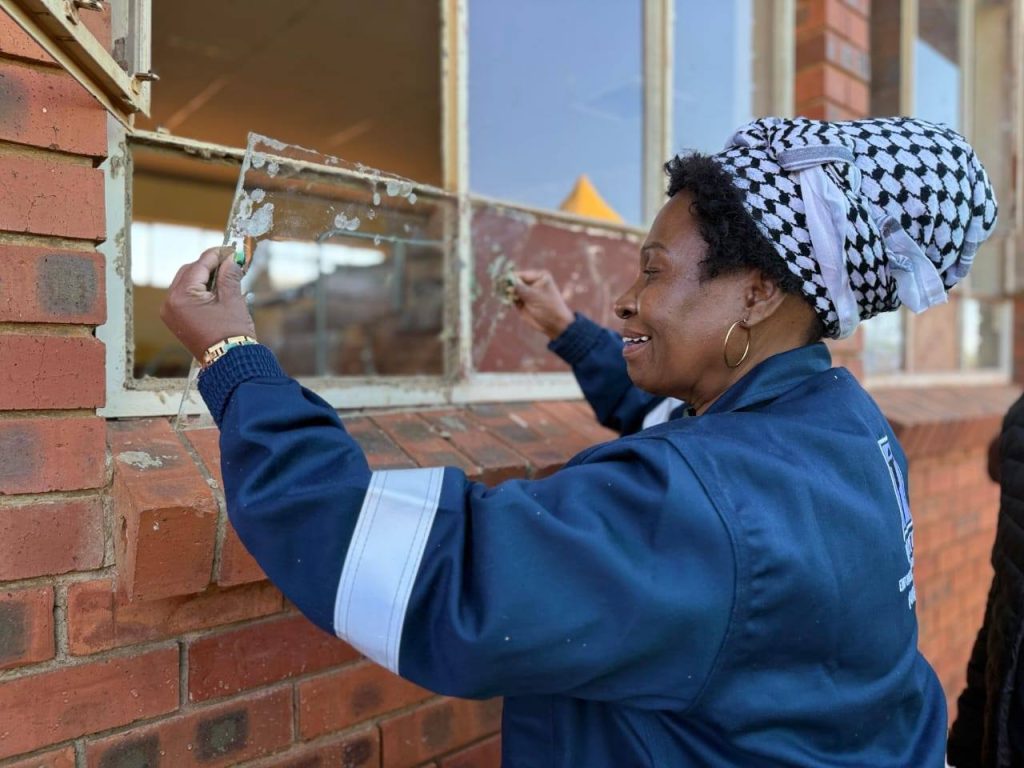
Mpumalanga’s cleanest school will receive more than R200,000 this year as the provincial education department relaunches a campaign aimed at improving school safety, cleanliness, infrastructure, and community ownership.
Education MEC Lindi Masina announced the prize on Tuesday during the launch of the 2026 Rhandza Xikolo Xa Wena Campaign at Mahhushe Agricultural Secondary School in Nkomazi.
“This year, the winning school will receive prize money exceeding R200,000, as part of our commitment to incentivise excellence and promote sustainable school environments,” Masina said.
The prize will be awarded through the 2026 Cleanest School Competition, which will follow district activations across Mpumalanga later this month. Each of the province’s 71 circuit managers will be expected to submit one school per circuit to their district by 30 June.
Districts will then adjudicate the entries and submit one winning school each to represent them at provincial level. The provincial winner will be announced in September, aligned with International Clean-up Day celebrations.
Masina said the campaign was intended to do more than encourage schools to clean their premises.
“This campaign goes beyond infrastructure and cleanliness. It is about instilling pride, reinforcing values, strengthening accountability and building a culture of excellence within our schooling system,” Masina said.
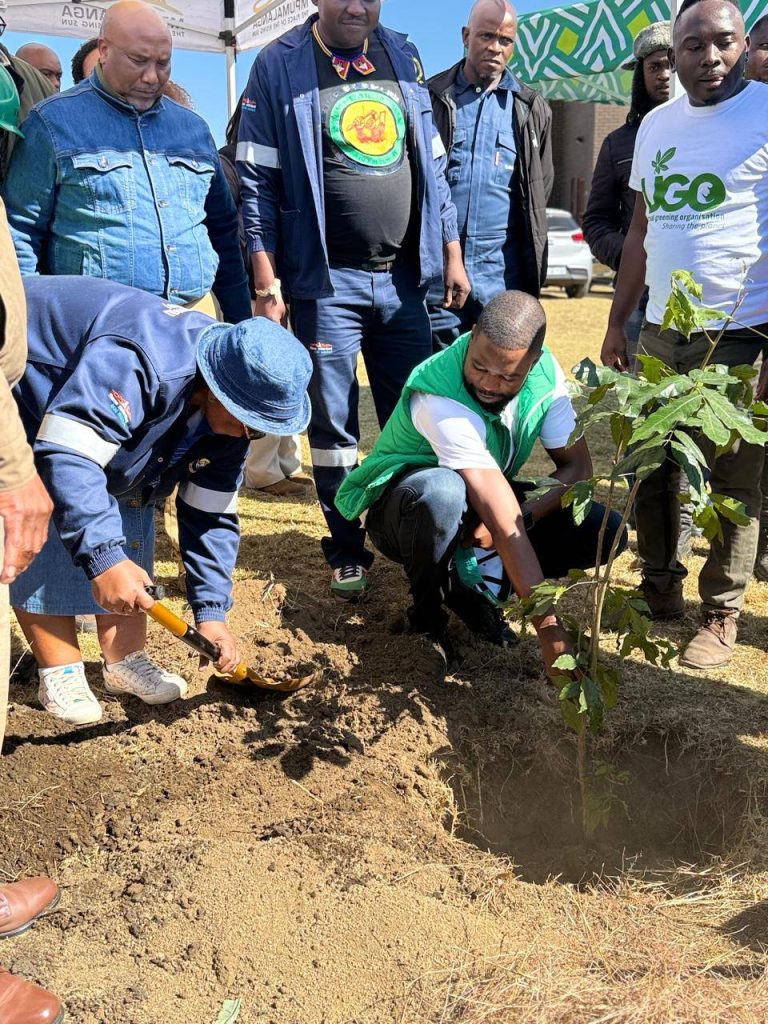
She said the objectives of the campaign included improving teaching and learning surroundings, promoting “safe, disciplined, and drug-free school environments”, encouraging the planting of vegetable gardens and enhancing food sustainability through education.
The campaign is being driven through partnerships with the Department of Agriculture, Rural Development, Land and Environmental Affairs, Correctional Services, municipalities, non-governmental organisations, the private sector, school governing bodies and learner formations.
Masina said schools should be seen as community assets, not only as government institutions.
“The Rhandza Xikolo Xa Wena Campaign must continue to inspire every one of us to take full responsibility for our schools and, by extension, the future of our beautiful province – Mpumalanga,” she said.
She said communities had to take a direct role in protecting and developing schools.
“We have joined hands across sectors to mobilise our communities to become the first line of defence in protecting and developing our schools,” Masina said.
The district activations are scheduled for 19 May in Nkangala, 22 May in Gert Sibande, 26 May in Ehlanzeni and 27 May in Bohlabela.
Masina urged schools to embrace the campaign with “innovation, commitment, and inclusivity” and to involve parents, learners, school governing bodies, traditional leaders, churches, businesses and civil society.
“We remain resolute in our belief that when a community protects its school, it protects its future and when a community invests in education, it invests in its own prosperity,” Masina said.