Gauteng Education MEC Matome Chiloane is set to introduce a law firm appointed to investigate the circumstances surrounding the death of a Grade 5 learner at Reagile Primary School in Tembisa.
The introduction will take place on Wednesday, where the MEC will formally present the legal team to the school community and outline the terms of reference guiding the independent investigation.
The learner, 10-year-old Milton Neo Mokgoatsane, died on Monday, 16 February 2026, following an incident on the school premises.
According to the Gauteng Department of Education, the incident occurred during the second break when a group of learners were playing near soccer goal posts.
“It is reported that a group of learners, including the deceased, were playing around the soccer posts when a goal post fell on the learner, resulting in severe injuries,” the department said.
Paramedics were immediately called to the scene and arrived approximately 20 minutes later. Despite efforts to resuscitate him, the learner was declared dead at the scene.
The Department of Basic Education (DBE) urged parents and guardians to remain vigilant after videos circulated showing pupils inhaling chemical fumes through improvised devices.
The department said it condemned the behaviour and warned that inhaling chemical substances in this way posed serious and potentially fatal health risks, including brain damage, respiratory failure and sudden death.
“Schools are meant to be safe environments dedicated to learning and the development of our children,” the DBE said.
“Any activity that endangers the lives and wellbeing of learners undermines this responsibility and will not be tolerated.”
The department called on parents to speak to their children about the dangers of substance abuse and harmful social media trends. It also urged them to watch for behavioural changes, unusual objects brought home or other signs that pupils may be involved in risky activities.
The DBE said schools should immediately strengthen and strictly enforce safety protocols.
This included random inspections, monitoring items brought onto school premises, strengthening life orientation education on substance abuse, peer pressure and risky behaviour, and ensuring prompt intervention by educators.
It also called for closer collaboration between schools, school governing bodies, parents and local authorities to prevent such activities.
“Provincial education departments are also encouraged to intensify awareness campaigns on the dangers of substance abuse and other harmful trends affecting learners,” the department said.
“The safety and well-being of students remain a top priority.”
The National Student Financial Aid Scheme (NSFAS) has warned the public against “false and misleading” information circulating on social media claiming that a student received a payment of R630,434.44 from the scheme.
NSFAS said preliminary verification indicates that the image being shared online about the payment was manipulated, possibly AI-generated, and did not correspond with any legitimate NSFAS transaction.
The claim stems from a viral social media post alleging that a South African student was accidentally paid R630,434.44 instead of an expected R6,000 allowance.
Screenshots circulating online show a bank balance displaying the amount as “Today – Salary,” alongside a mirror selfie reportedly taken by the student in a public bathroom.
The viral post further claimed that the student returned the full amount immediately. The story drew widespread public attention, attracting thousands of views and shares, with some social media users comparing it to the 2017 Sibongile Mani case, in which a Walter Sisulu University student was mistakenly credited with R14 million, spent some of the money, and later faced theft charges.
The scheme said it does not make large lump-sum payments directly to students. Instead, funding allocations are paid to universities, which then administer student allowances in line with approved funding guidelines. NSFAS said these processes are governed by strict financial controls and oversight mechanisms.
“No such payment has been made by NSFAS. The student in question created this content for social media purposes, likely to gain traction as part of content creation opportunities on platforms,” the scheme said in a statement.
NSFAS reassured students, institutions and the public that its systems remain secure and that no irregular payment or breach had occurred in relation to the claim.
The scheme also stressed that the creation and distribution of false or misleading information that misrepresents its operations is taken seriously. NSFAS said it reserves the right to pursue legal action against individuals who deliberately spread misinformation that could harm its reputation and integrity.
Members of the public have been urged to rely only on official NSFAS communication platforms for accurate and verified information.
Former President, Thabo Mbeki, said 62.1% – equivalent to more than six out of ten – children are identified as multidimensionally poor, which he referenced to a statement released by Statistics South Africa (STATS SA) on the July 2020 Report on Children Poverty in South Africa.
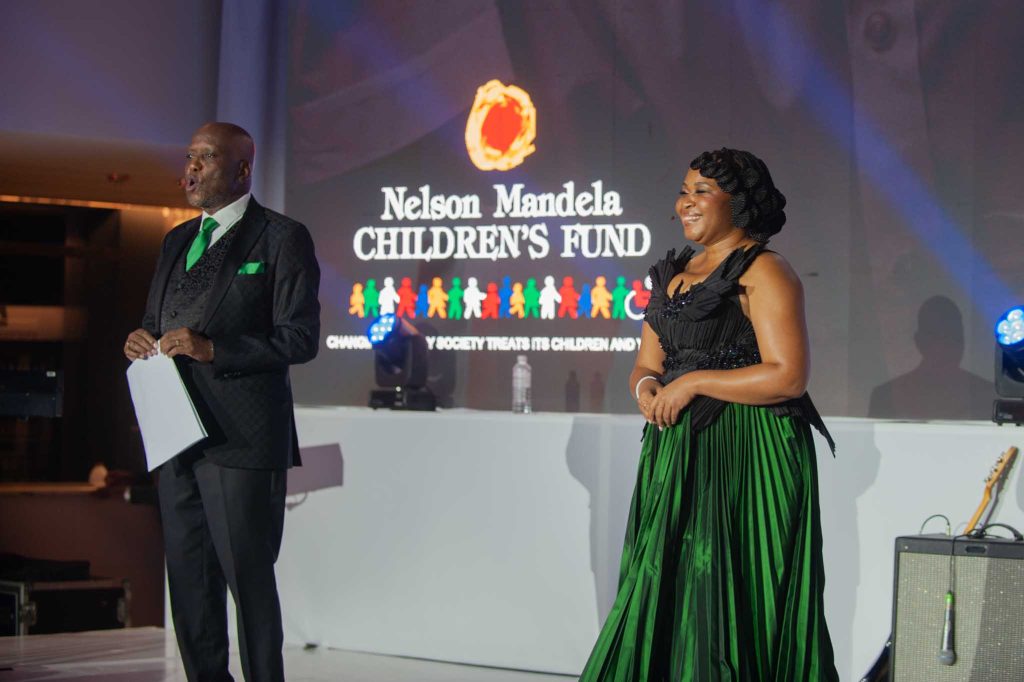
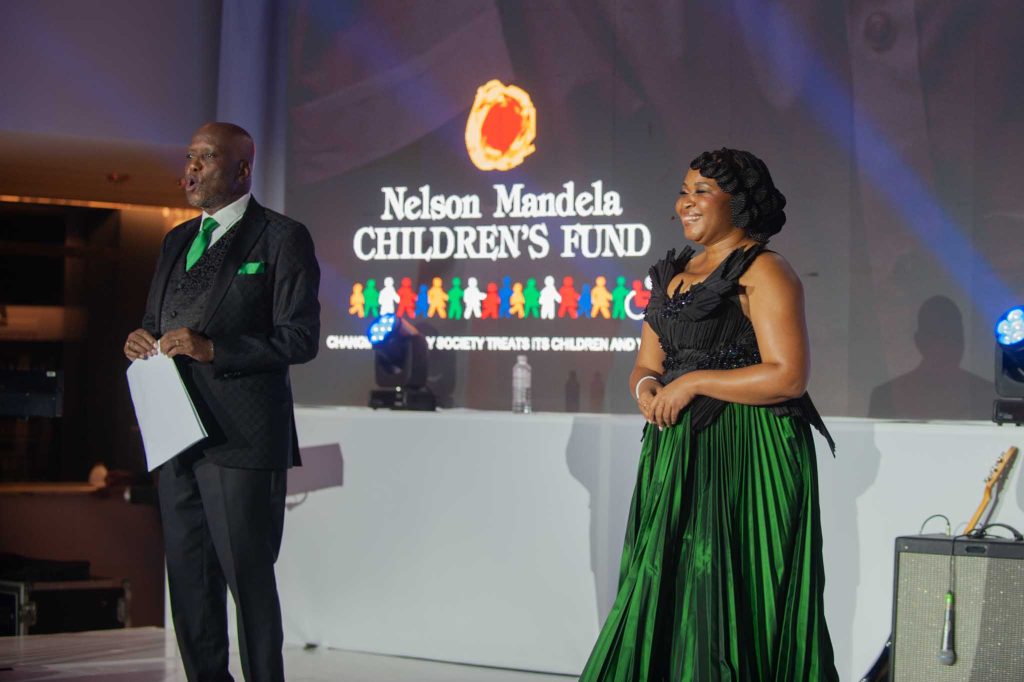
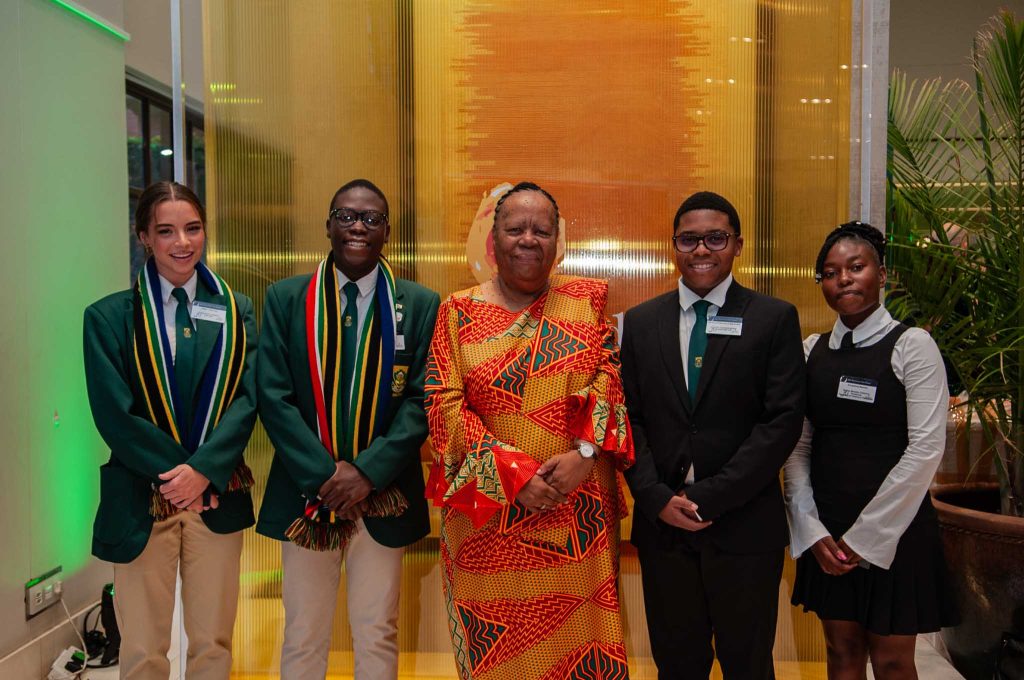
In his keynote address at the Nelson Mandela Children’s Foundation (NMCF), in Bryanston, Mbeki outlined the concerning problem of poverty in children, by STATS SA report, which further stated that “Rural Child poverty fell from 86% in 2006 to 64.3% in 2023.”
“Obviously, it would be difficult to claim that the soul of the nation is informed by the philosophy of ubuntu when it still has so many millions of children living in poverty,” Mbeki said.
“Of course, it is obvious that we cannot seriously consider the situation of the children in South Africa outside the context of society as a whole.’
Mbeki further said such situations of children, could have been better if it were not for certain interventions made to ensure that democratic South Africa fails.
However, he said that he believes that the Nelson Mandela Children’s Fund will play a critical role in helping shape the outcome of the National Dialogue discussion about the SA’s children.
In Celebration of the NMCF’s 30th Anniversary since its adoption in 1996, he questions in the country’s commitment to children as well as the societal language eloquence being put to practice.
“In this regard, it is important that, as has been said, we must go back to basics,” he said.
“To do this means that we must fully internalise the understanding that millions of our people engaged in a protracted both to achieve political emancipation as well as realise liberation from poverty and underdevelopment.”
He said that the government must position the important work this Fund has been doing for three decades.
Adding that the Reconstruction and Development Programme (RDP) which Mbeki outlined through the constitutional act where says “No polical democracy can survive and flourish if the mass of our people remain poverty, without land, without tangible prospects for a better life.”
He also stated the Section 28 of the Bill of Rights on children’s rights, where he said that it is paramount that the supreme law of the Republic places child’s welfare above all other interests in every matter affecting their life.
“Our constitution fundamentally aspires to be a caregiving document,” he said.
“It does not just prohibit cruelty to children; it also imposes a positive obligation – on the state, on institutions, and on all of us- to ensure that every child is held, nourished, and protected.”
President Cyril Ramaphosa, said South Africa currently is a far cry from the apartheid past where the majority of the children were denied their rights to education, shelter, safety and to an environment that is conducive to their health well-being and growth.
“As a democratic nation, we have invested substantially in Early Childhood Development in Basic Education in child nutrition and in health care for children, and all of these processes are continually upscaling on an ongoing basis,” Ramaphosa said.
“We have an extensive social welfare net that today reaches more than 13 million children from impoverished families.”
Ramaphosa said that, over the past few decades the NMCF has amplified the voices of children who might otherwise have gone unheard.
He also added that the Fund has also turned compassion into action, built partnerships that extend far beyond borders and despite the progress that has been made, too many children still face hunger and poverty on the African continent and in home countries.
“More than a quarter of South African children under the age of five started to eat non-vegetarian food, despite the many efforts that we continue to make,” he said.
“We therefore need to redouble our efforts to make sure that we create our country of salty and non-vegetarian food; behind every suggestion is a child whose potential risks are being diminished before it has even begun to unfold.”
He said that these realities have empowered the government, civil society, businesses and communities to act with urgency of compassion by accelerating action through the fifth national plan for children and the national strategy to strengthen coordination across departments of government and various social partners.
He emphasised that the government is prioritising the first 1,000 days of a child’s life, by expanding aid charity development, development processes in strengthening the school and the power of school nutrition programmes.
“We are supporting parents and caregivers to create natural environments, where children feel safe, valued and supported,” he said.
“As government we cannot walk this journey alone. The success of the Nelson and Mandela Children’s Fund reminds us that lasting change is worth the part to the donors, to the educators, to activist, to community leaders and to young advocates gathered this evening.”
He commends the parents who are present for bringing a deeper vision to life every day, as well as honouring the promise “that every child, whether born in a rural village, an informal settlement or a city centre, deserves an opportunity.
“We need to continue to build a South Africa and an Africa where every child is empowered to realise their true potential, because when we care for our children, we are not only shaping their future, but safeguarding the future of a nation.”
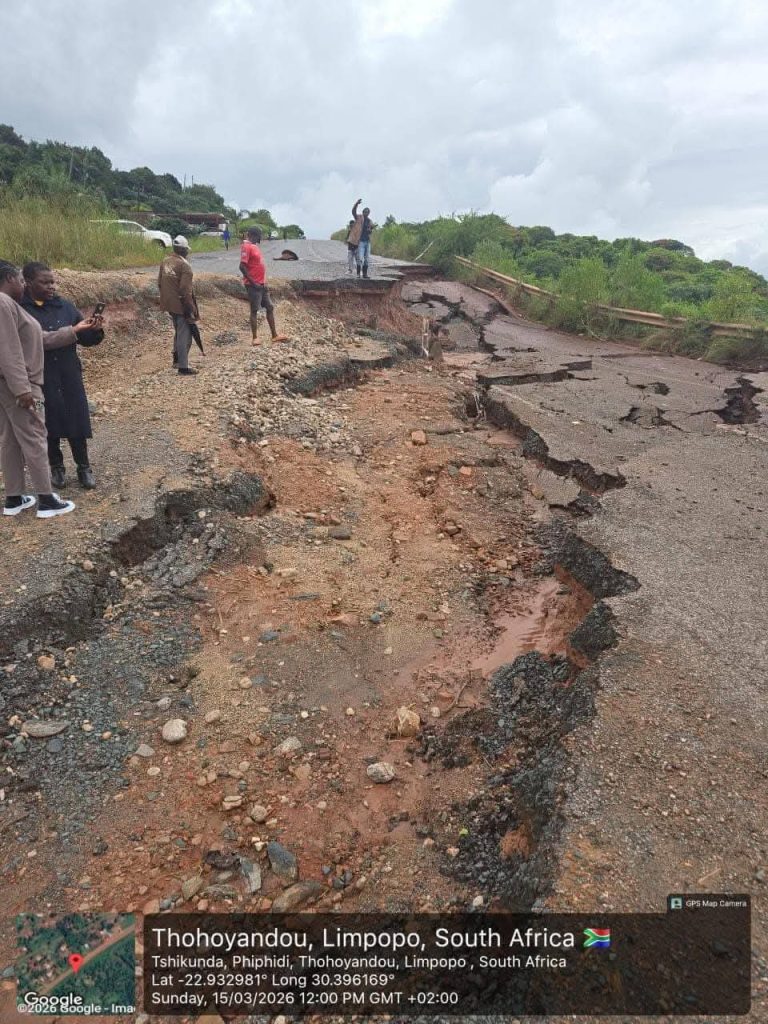
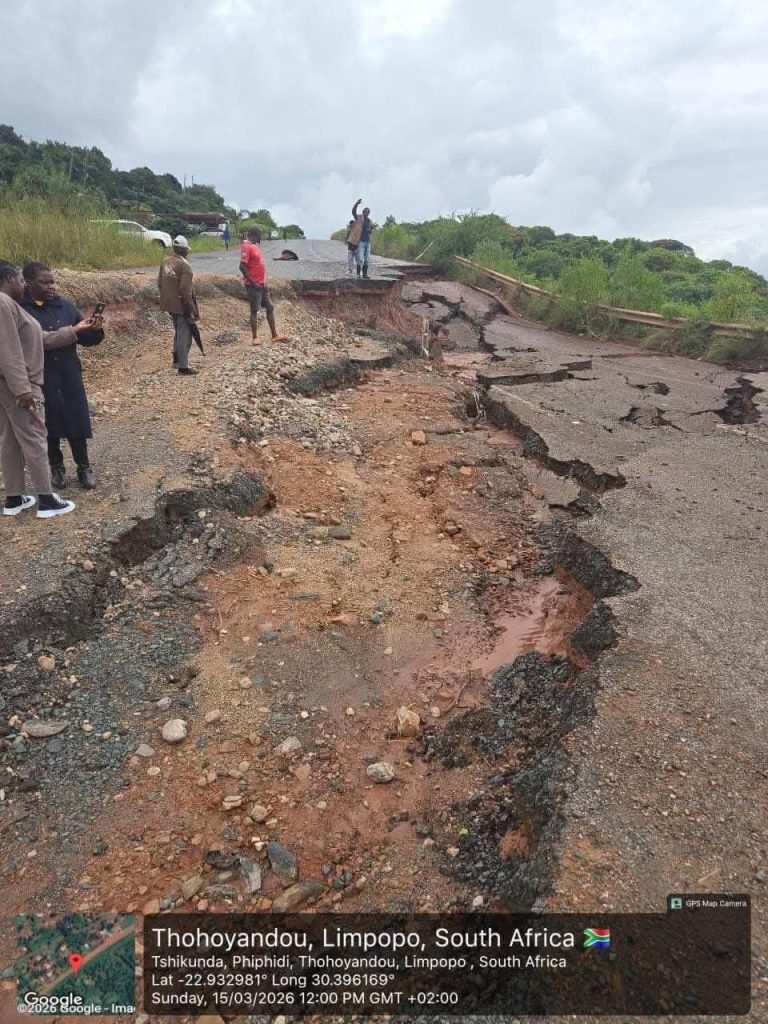
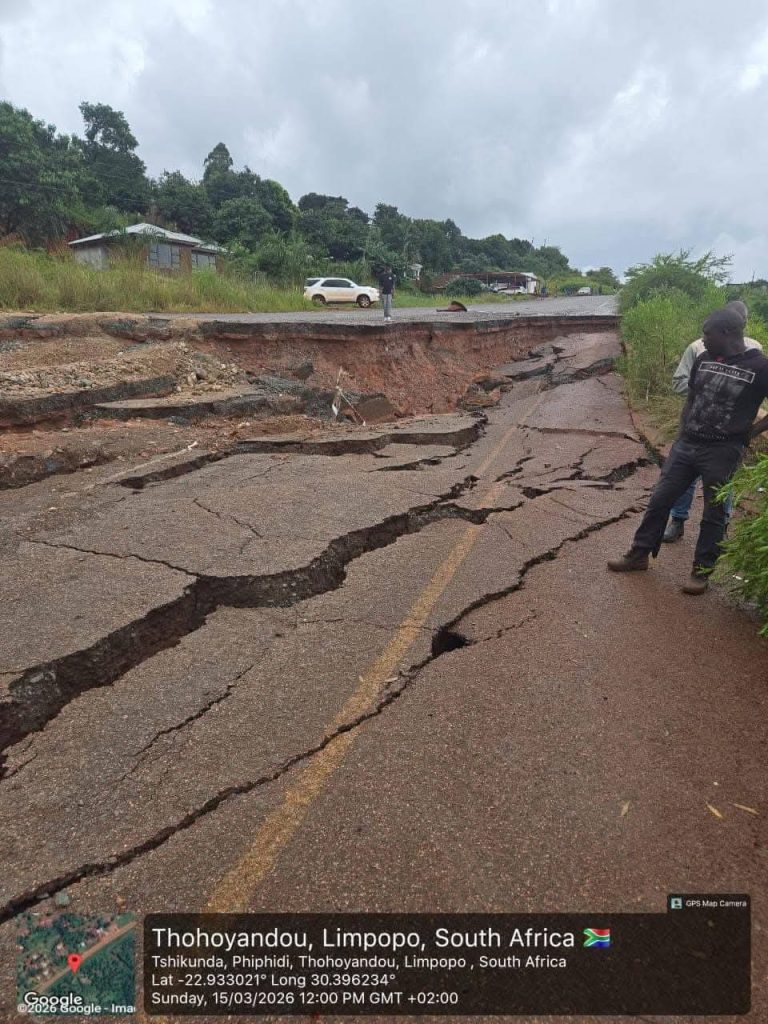
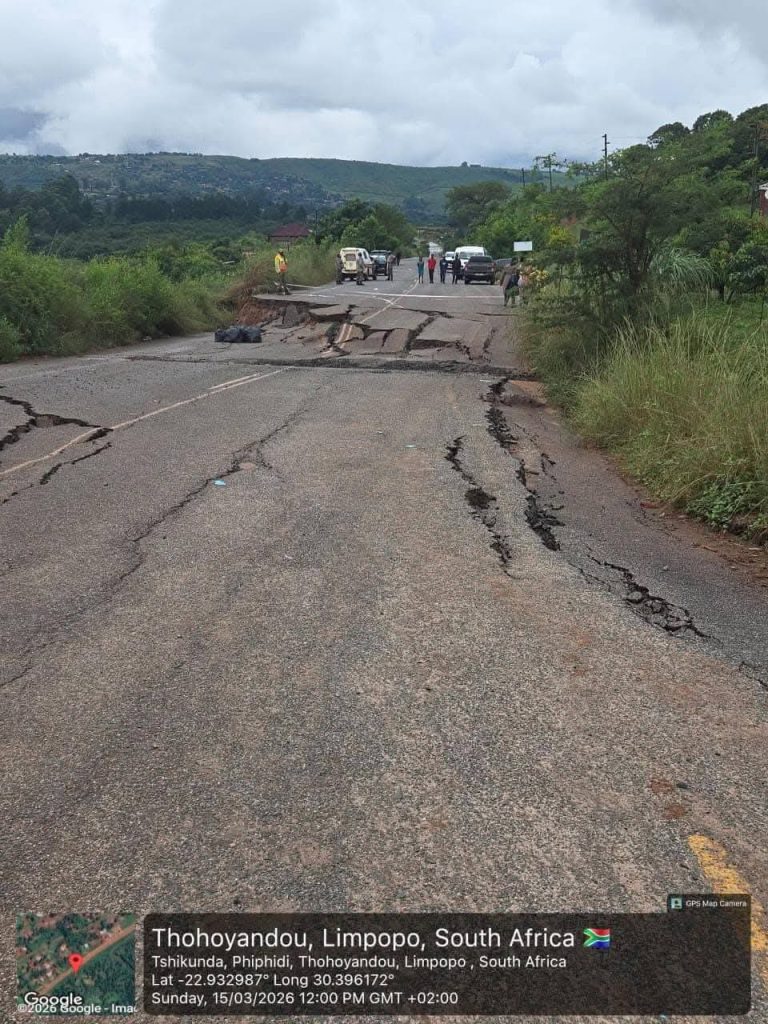
The Limpopo Department of Education has suspended schooling in several flood-affected districts for two days after heavy rains that peaked on the weekend left roads impassable and raised concerns about damage to school infrastructure and pupil safety.
In a statement on Sunday, the department said the temporary suspension would take effect from Monday, 16 March, until Tuesday, 17 March, to allow for a thorough assessment of the weather conditions.
“The safety of learners and staff is a paramount concern. With reports of flooded roads and compromised building integrity, the suspension is a necessary measure to prevent any potential tragedies,” said Isaac Mahlangu, department spokesperson.
In January, the province experienced devastating floods that left dozens of people dead and caused widespread damage to infrastructure, roads, schools and healthcare facilities. The provincial government said at the time the estimated cost of repairs was valued at R2 billion.
Heavy rains fell again last week, affecting districts such as Vhembe, Waterberg, and Mopani.
Several bridges were washed away due to the resultant flooding. The Middle Letaba Dam, located a few kilometres outside Giyani, was overflowing for the first time in 26 years as a result of the downpours.
The department said that learners who are unable to sit for tests due to flooding will be afforded an opportunity to write at a later date.
The department also discouraged parents from forcing learners to attend school until conditions had eased.
“The department, in coordination with District Municipalities and disaster management teams, will continue to closely monitor the weather situation and its impact on school infrastructure and accessibility,” Mahlangu said.
Calls for stronger anti-bullying measures and mental health support have intensified after the death of Grade 3 learner Imibongo Ntamehlo from Gxulu, outside Mthatha in the Eastern Cape, with her family alleging she had endured persistent bullying from fellow pupils.
Imibongo’s mother, Sisipho Ntamehlo, said her daughter had been bullied for a long time before the incident.
Speaking to the Daily Dispatch, Sisipho said other schoolchildren made her daughter’s life extremely difficult.
“She was isolated for carrying R2 at school while other children had R10. We are struggling because I am unemployed,” she said.
According to her mother, the bullying extended beyond the school premises.
“On their way to and from school she was also bullied. While on the transport to and from school, other pupils would beat her up and force her to make space for them,” she said.
The incident has sparked widespread concern about bullying in schools and the mental wellbeing of young learners.
The Select Committee on Education, Sciences and Creative Industries expressed “deep sadness” following reports of the learner’s death.
Committee chairperson Makhi Feni extended condolences to Imibongo’s family, as well as fellow learners and educators affected by the tragedy.
“It is not normal that a learner as young as Imibongo would commit such an act. We are therefore calling for a thorough investigation into this incident,” Feni said.
He said bullying remained a serious challenge in schools and stressed the need for educators and authorities to intensify efforts to address it.
“Our children must find parental love and protection in schools. This is a tragic story that reflects on our system, and the sooner incidents like these are properly addressed and resolved, the better,” he said.
Feni said schools, together with provincial and national education authorities, had to take stronger steps to prevent bullying and protect learners.
“The reality is that many of our schools lack social work and welfare services, as well as adequate learning security,” he said.
The committee said it would seek further information about the circumstances surrounding the incident, while urging provincial authorities to provide support to the affected family.
“The province must assist the family in every way possible,” Feni added.
South African Depression and Anxiety Group supervisor Phumla Mbuyane said the incident highlighted the urgent need for mental health awareness programmes in primary schools.
Mbuyane said children often experienced trauma and emotional distress at a very young age, yet mental health programmes typically focused on older learners.
“Eight years is very young. For a child to even think of harming themselves, it means they must have gone through a lot and felt that there was no way out,” she said.
She added that many children who experienced bullying might engage in self-harm as a way of coping with emotional pain.
“There are many children who self-harm because they feel the pain inside them needs to be released,” she said.
Mbuyane said the organisation runs programmes that visit schools to educate learners about mental health, but these initiatives often focus on older grades.
“We usually go to schools to speak about mental health, but we do not always focus on younger grades such as Grade 3. This incident shows we need to revisit those programmes and also include primary schools,” she said.
She said early intervention was critical because unresolved trauma in childhood could affect learners as they grew older.
“When learners reach high school, many of them have already experienced trauma. Some start self-harming, using drugs or struggling to concentrate in class,” she said.
Mbuyane also raised concerns about children’s exposure to social media at a young age, saying it might influence how they perceived themselves and others.
“Children now have access to platforms such as TikTok, Instagram and YouTube. They see unrealistic lifestyles and sometimes harmful content, which can affect how they think and behave,” she said.
She emphasised that addressing bullying required collective responsibility from parents, schools and society.
“We cannot place the blame only on the child, the parents or the school. Society as a whole needs to do more to protect children,” she said.
Mbuyane said schools and communities should also ensure that learners from disadvantaged backgrounds were not excluded or humiliated because of poverty.
“If there are activities such as fundraising for food at school, teachers and school governing bodies should ensure that every child is included so that no learner feels left out,” she said.
Imibongo will be laid to rest in Gxulu village on Saturday.
WaterCAN will host its 2026 Schools Water Testing Week from March 16 to 20, with 158 schools across all nine provinces taking part in the citizen-science campaign, focused on drinking water safety and accountability.
The initiative builds on the organisation’s inaugural 2025 schools project, which empowered learners from 95 schools across six provinces to test their own school drinking water, identify contamination risks, and raise awareness about water justice.
Nomsa Daele, project lead and WaterCAN’s Citizen Science and Training Coordinator, said the week is about giving learners practical skills while showing them that science can be a tool for public action.
“Schools are critical spaces in the fight for water justice because learners experience the reality of unsafe or unreliable water first-hand. This campaign gives young people the opportunity to test, learn and speak up using evidence from their own environment,” said Daele.
Using WaterCAN’s Citizen Science Testing Kit, participating schools will test their water and upload their findings to WaterCAN’s MapMyWater portal.
The portal is a flagship WaterCAN initiative that provides real-time analysis of uploaded results while making them publicly accessible, helping build one of South Africa’s largest independent, citizen-generated water quality datasets.
Daele said 2026 marks a near doubling in the number of participating schools compared with the previous year, and that reaching all nine provinces is a sign of how important the schools project has become.
She said this milestone would not have been possible without WaterCAN’s partners, including Adopt-a-River, Enviro Vito, the Ahmed Kathrada Foundation, Rhodes University, the Nelson Mandela Bay Science Centre, the Wildlife and Environment Society of South Africa, the Cape Town Science Centre, the Institute for Water Research and the LEAP Institute.
“When learners are equipped to test water and understand what the results mean, they are not just taking part in a classroom activity. They are becoming part of a wider movement for safer water, healthier schools and more responsive governance,” she said.
Daele said access to safe water has become a central rallying point for activists across the country, with schools among the institutions most affected.
“According to the Department of Basic Education’s 2022 School Monitoring Survey, 80.7% of schools met the minimum standard for running water, which implies that nearly one in five schools did not,” she said.
“In many schools we have worked with, onsite water tanks contain signs of bacterial contamination, making the water unsafe to drink. Teachers, learners, and their parents have a right to know whether their water is safe to drink, and this citizen science campaign helps empower that process,” she said.
The University of Johannesburg-hosted Central Gauteng Athletics Provincial Championships ended on Saturday, with the three-day meeting serving as an important selection platform for athletes targeting the national junior and senior championships next month.
Among the standout performances was teenager Oluchi Ndubueze, who broke the South African under-18 women’s long jump record with a leap of 6.49m, one of the most notable achievements of the championships.
In the men’s 400m, world under-20 champion Lythe Pillay stormed to victory in 44.32 seconds, the fastest one-lap time in the world this year.
The championships also attracted top athletes from across the region, including competitors from Botswana led by Olympic 200m champion Letsile Tebogo. South African stars also featured prominently, adding quality to a strong provincial showcase.
UJ head of athletics Roger Haitengi, praised the standard of the meeting and the performances produced across the championships.
“I’ll just say it’s been amazing. The event has been spectacular and I hope we will be the number one provincial championships for the week,” Haitengi said. “There were fantastic performances, great organisation, everything was smooth and on time, and we were blessed with good weather too.”
He said the level of participation reflected the growing reputation of athletics competitions in Gauteng and their ability to attract elite competitors.
“We’re going to have another competition on the 4th of April, and we expect a full house,” Haitengi said.
“We’re hoping to showcase good performances from the guys and give them the last preparation they need for SA’s as well as Hezekiel Sepeng’s event in Potchefstroom.”
The upcoming meeting is expected to offer athletes a final opportunity to fine-tune their form ahead of the junior championships in Germiston and the senior national championships in Stellenbosch.
The Mining Qualifications Authority (MQA) commemorated its 30th anniversary at Gallagher Estate in Midrand, underscoring three decades of advancing skills development in South Africa’s mining and minerals sector.
The milestone event reflected on the institution’s achievements while setting out priorities for a sector facing technological change, energy transition pressures, and rising demand for artisanal and technical skills.
Established in 1995, the MQA has played a central role in coordinating training, learnerships and workplace-based skills programmes aligned to industry needs.
Between the 2003/04 and 2024/25 financial years, the MQA implemented an extensive set of Sector Education and Training Authority (SETA) programmes, resulting in 458 941 beneficiaries completing sector-funded programmes of which 987 435 were skills programmes.
Over this period the MQA allocated R11 972 320 603 in discretionary grants to support these development efforts.
The anniversary was not only a celebration but a call to strengthen collaboration across government, industry and training institutions.
The sector needs a dedicated body to coordinate skills development, and SETAs have accumulated a body of knowledge that is invaluable. SETA funds a significant proportion of students in the post-school system, contributing to broader access to education and training.
The mining industry is evolving rapidly as artificial intelligence and other advanced technologies become increasingly integrated into its operations.
The sector now provides training for the operation of robotic systems used in hazardous underground environments, reducing risk to workers. Simulated machinery training and mock mine environments form part of the MQA’s training offering, enabling learners to gain practical experience under supervised conditions before entering production sites.
The MQA is also responding to South Africa’s Just Energy Transition.
As coal operations wind down in certain areas, reskilling initiatives are being introduced to support affected workers. These include programmes to retrain artisans, such as electricians transitioning to solar technology installation and maintenance.
We have to collaborate as we cannot continue training in silos. There is a need for SETAs to pool resources for cross-cutting priorities such as green hydrogen and renewable energy skills.
Close to 900 000 learners wrote matric examinations last year and improving pass rates, together with a growing number of bachelor-level passes, have increased demand for higher education and vocational training opportunities.
South Africa’s 26 public universities now serve approximately 1.1 million students, up from around 400 000 in the mid-1990s, yet capacity remains constrained for a developing economy of the country’s size. This system is under pressure and needs to expand.
Universities, Technical and Vocational Education Training (TVET) colleges and SETAs must work in alignment to accommodate the expanding pipeline of learners.
The current mining sector outlook is stable, despite global challenges, and the industry remains a key contributor to the economy amid ongoing global volatility.
The rally in the gold price over the past year has strengthened investor interest and has the potential to stimulate demand across other minerals. When this occurs, the industry must be prepared to supply the required skills.
As the MQA marks 30 years, its leadership maintains that the next phase will require deeper partnerships, innovation in training delivery and responsiveness to structural shifts in the economy.
The anniversary celebration also reaffirmed the Authority’s mandate to ensure that the mining and minerals sector has the skills base necessary to operate safely, competitively, and sustainably in a changing global environment.
This will include maintaining the four-year clean audit opinion we have received from the Auditor General and the 100% performance we have achieved over the past two financial years.
Dr Thabo Mashongoane is the Chief Executive Officer of the MQA.
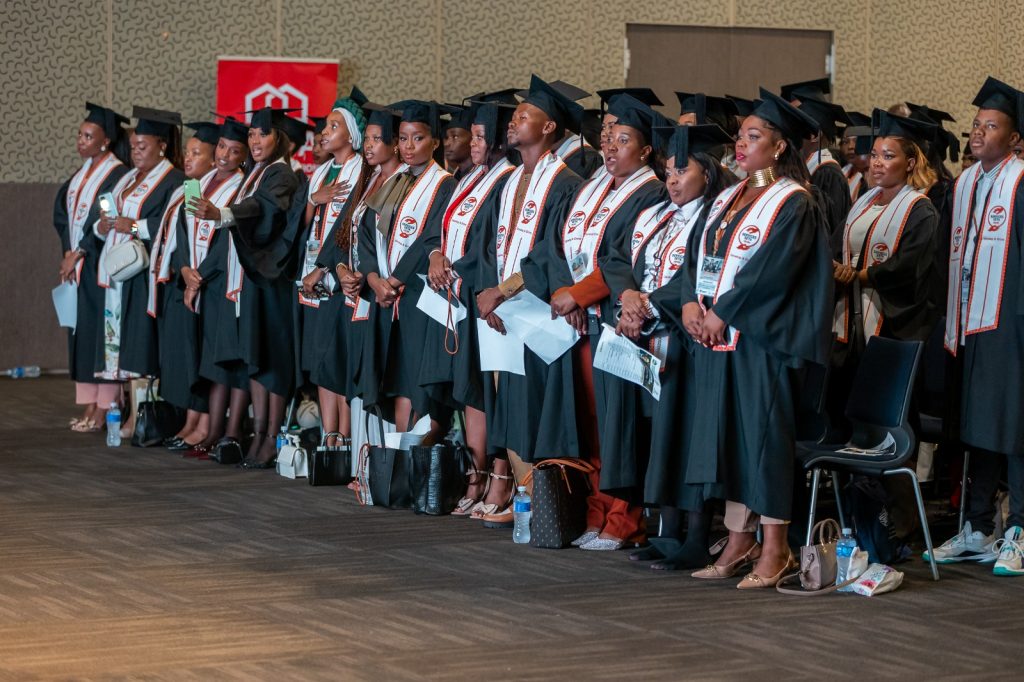
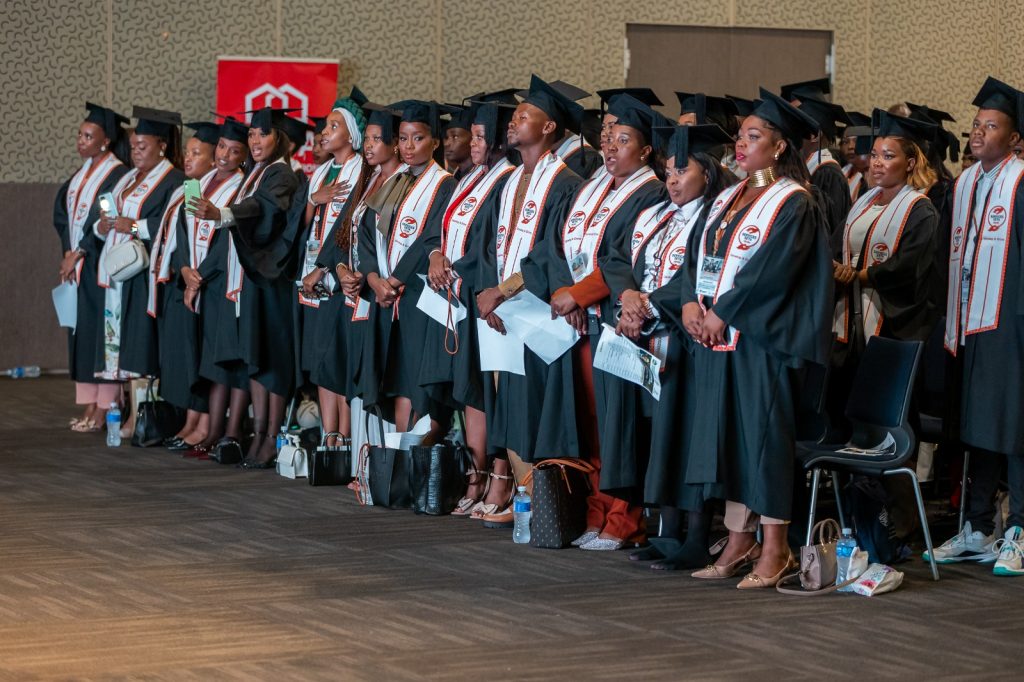
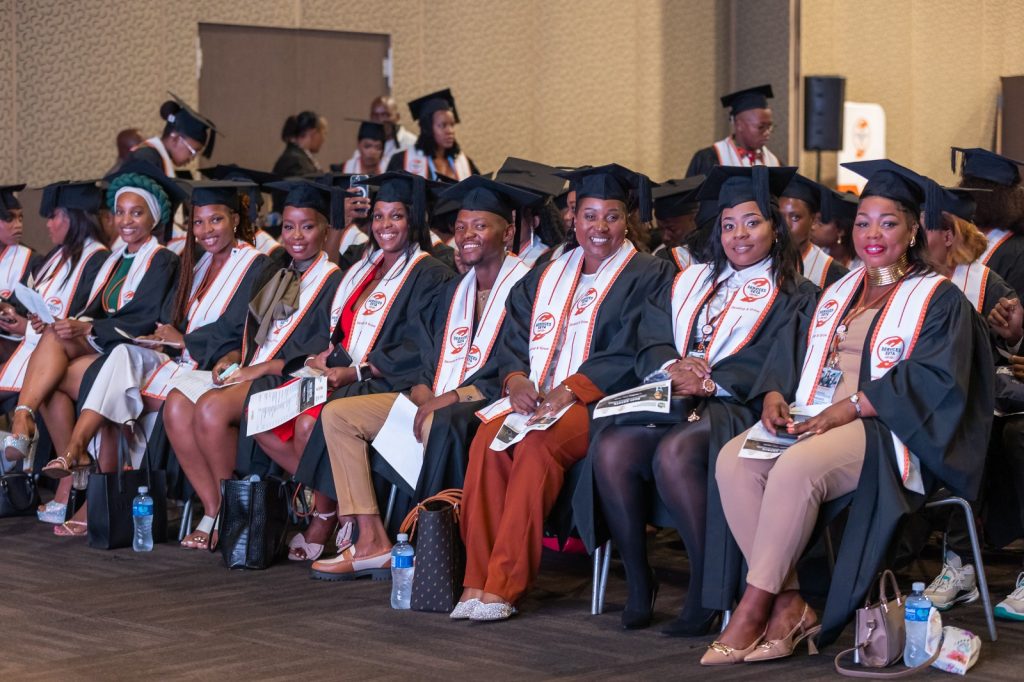
A new generation of black property professionals officially stepped into the industry on Saturday as part of Services SETA’s ambitious drive to transform the real estate market in South Africa.
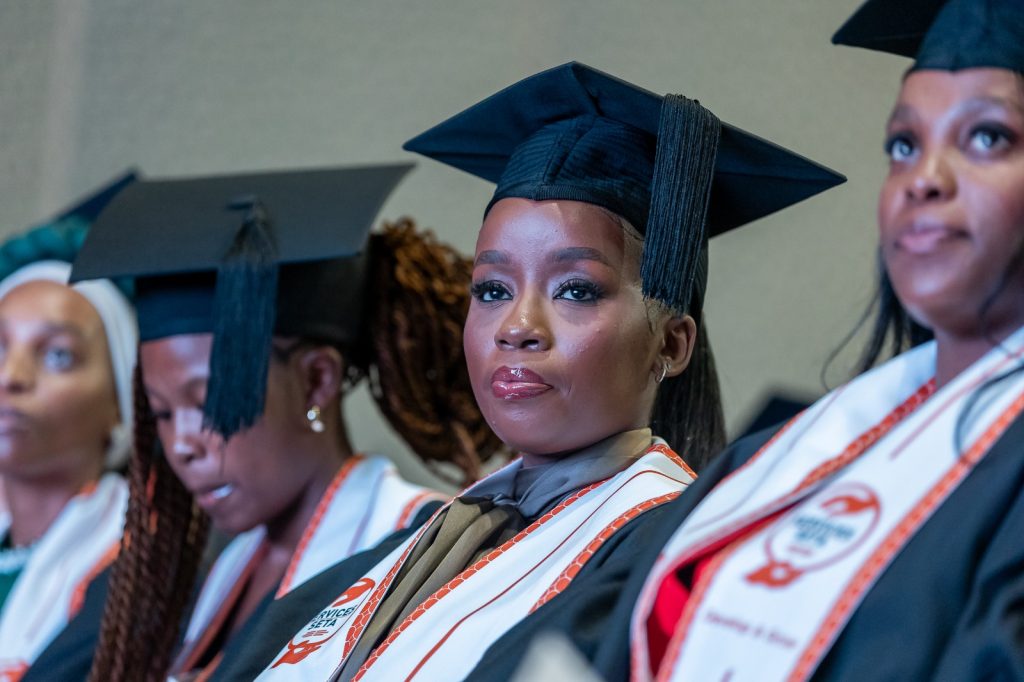
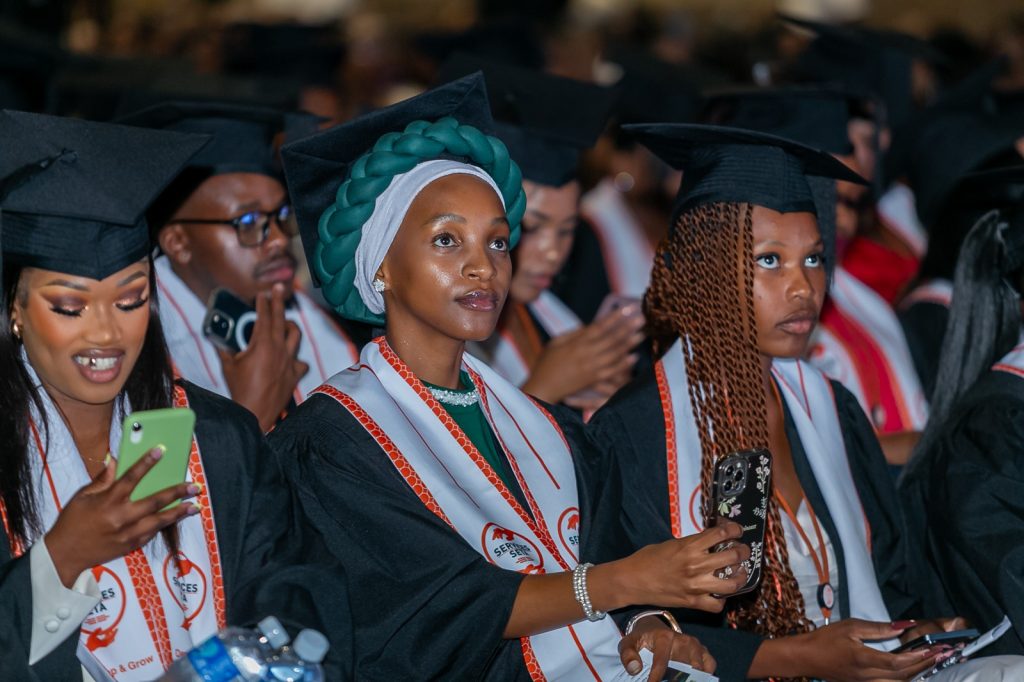
A total of 537 young people graduated as certified real estate practitioners at the Durban International Convention Centre, a ceremony that marked the completion of the KwaZulu-Natal Real Estate Training and Placement Programme.
The initiative is a partnership between Services SETA, the KwaZulu Natal Department of Economic Development, Tourism and Environmental Affairs (EDTEA), the Property Practitioners Regulatory Authority (PPRA) and industry partners.
Over the past 12 months, the graduates completed a professional journey that combined structured training, on-the-job experience, and industry examinations. They received certificates issued by the PPRA, South Africa’s statutory property regulator, as formal recognition of their compliance and readiness to serve as professionals in the real estate industry.
In terms of key industry valuations and trends, as of 2026, the combined value of residential and commercial property excedded R8,8 trillion, with the residential property market valued at roughly R6,9 trillion.
KZN EDTEA Musa Zondi said programmes such as the Real Estate Training and Placement Programme provided young people with market-relevant skills, practical industry exposure and pathways to sustainable careers.
“This milestone marks the beginning of their professional journey into the property sector,” he said, emphasising the need for such programmes to be spread across the country.
The Services SETA Acting Chief Executive Officer, Sibusiso Dhladhla, in his address, announced that the organisation graduated over 530 young people out of the 700 who enrolled in the programme, which is an achievement reflecting more than an 80% success rate.
“454 of the graduates received a 99% pass rate on PPRA exams and today they are recognised as professional real estate agents,” he said. Dhladhla further highlighted the importance of acknowledging real estate as a broad industry that plays a vital role in shaping the economy.
“The more we invest in the real estate industry and expand such programmes, the more we will change how this industry is perceived. It will move away from being seen as a light industry to becoming a recognisable sector,” Dhladhla said.
“Property will forever live. Government is moving into public properties, municipalities are reviving, and that requires professional agents”.
PPRA Board Chairperson, Queendy Gungubele, congratulated the graduates and noted that the milestone represents more than the completion of a training programme.
“This moment represents access to opportunity and the transformation of an industry that for many years did not reflect the diversity of talent in our country,” she said.
Anathi Gasa, one of the graduates, shared his journey in real estate industry, saying that he believes the sector holds untapped potential for South Africa’s economy.
“Post matriculating, I realised that I wanted to pursue a career that is more practical,” he said, referencing his early experience in sales.
“In high school, I used to sell t-shirt as a way of making income”.
For Gasa, the programme did not only offer personal growth, but an entry into an industry that is increasingly recognised as a driver of entrepreneurship and community upliftment.
“This programme was more practical and really developed my confidence of being an entrepreneur”.
He acknowledged that the industry demands discipline and foresight.
“Pursuing a career in real estate needs patience. It has a lot of money but also requires thinking and alignment of plans. This qualification is a key to better my living and also change the lives many, this is an industry that needs recognition,” Gasa said, adding that the real estate industry was evolving from a secondary career option into a cornerstone of economic transformation and opportunity.
The graduates will now enter the property sector as candidate property practitioners, supported through mentorship and industry guidance as they establish their careers.