Uncategorized

Ntuli calls doctors back to province as UKZN alumni raise funds for future MDs

Staff Reporter

KwaZulu-Natal Premier Thamsanqa Ntuli has asked doctors trained in the province who are working abroad or elsewhere in South Africa to return home and help strengthen the health system.

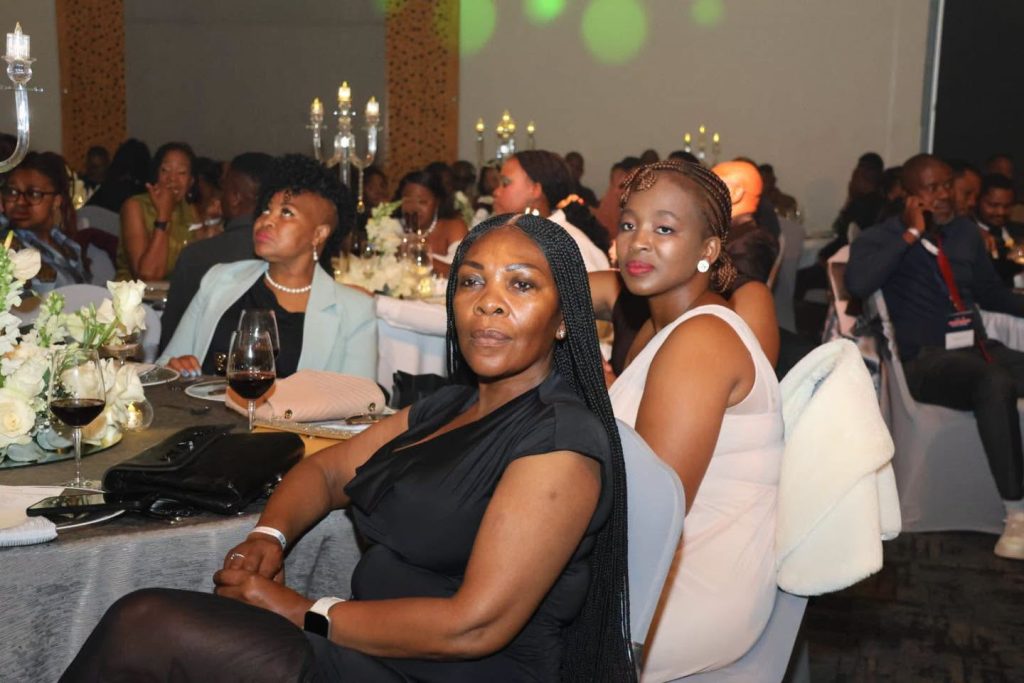
“I never imagined that there would be a time when a doctor would be on the street saying, ‘We want jobs,’” Ntuli said, while delivering the keynote address at the UKZN Medical School Class of 2006 20-Year Graduation Anniversary Gala Dinner & Symposium at The Capital Zimbali Hotel in Ballito.

He said he was proud that KwaZulu-Natal had moved to address the unemployment of doctors, but acknowledged that financial and “systemic constraints” continued to limit the province’s ability to employ health professionals.

ALSO READ: CPUT extends academic year after three weeks of lost tuition from protests

He said the provincial government was investing in primary healthcare and expanding the health workforce as part of “a strategic shift toward a more proactive and resilient health infrastructure”, aimed at easing pressure on tertiary hospitals.

He praised the class of 2006 for using its 20-year reunion to raise money for current medical students, saying the gesture would help ensure KwaZulu-Natal “continues to produce future doctors who will heal the nation” and contribute to “a brighter future for the province and the country”.

Addressing the alumni, Ntuli said their contribution extended beyond treating patients in hospitals.

“Really, your commitment extends far beyond the clinical walls of hospitals. It permeates the very communities you serve, shaping the quality of life for countless individuals and families who rely on your expertise and compassion,” he said.

ALSO READ: Unisa appoints Professor Mpho Ngoepe as new vice-principal

Ntuli also warned of the emotional burden carried by medical professionals, saying the pressures of their work were often overlooked.

“The weight of the stethoscope, the late shifts, and the emotional toll of witnessing both profound recovery and devastating loss can quietly accumulate, creating a quiet, persistent burden that often goes unacknowledged.”

He described a “paradox” in which those who heal others “often find it most difficult to extend that same grace to their own weary spirits”.

Ntuli called self-care a “fundamental necessity” for sustaining empathy and quality healthcare and linked the experiences of the class of 2006 to the historical and economic pressures on South Africa’s health system.

ALSO READ: CPUT extends academic year after three weeks of lost tuition from protests

He said the graduates had entered medicine during “a time of profound transition”, as KwaZulu-Natal faced the combined pressure of chronic diseases and the HIV/AIDS pandemic.

“The healthcare system was stretched to its absolute limits, grappling with the dual burden of chronic disease management and the urgent and unrelenting demand for primary healthcare services,” he said.

Ntuli said doctors, nurses and community health workers had become “the bedrock of a society in flux, holding together the fragile infrastructure of public health with little more than their own unwavering dedication.”

He said the achievements of UKZN medical graduates were a “testament” to the university’s impact on society, with alumni influencing public policy as well as clinical care.

“Their contributions extend far beyond the clinical setting, living a narrative of transformation that resonates in the corridors of policymaking, where their expertise informs strategies that address the most pressing challenges of the time,” he said.

Ntuli also placed the class of 2006 within the history of apartheid-era exclusion and restrictions imposed on black doctors seeking to train and practise medicine.

“They had entered a profession that was only open to black people in the 1940s,” Ntuli said, adding that the class “could not afford to dishonour those who, although they had been admitted to medical schools, could not finish their degrees because they were not allowed to practise in white wards.”

Turning to more recent pressures on health workers, Ntuli said the COVID-19 pandemic had exposed “hidden vulnerabilities” in the medical profession.

“While others retreated to the safety of their homes, you were thrust into the epicentre of the storm,” he said.

ALSO READ: SADTU demands urgent action over alleged learner abuse of North West teacher

“The isolation of the pandemic did not merely separate you from your loved ones; it also severed a vital, unspoken connection you had with your patients, transforming the bedside experience into a sterile, impersonal barrier of plastic shields and muffled voices.”

Ntuli said the class of 2006’s decision to use its milestone anniversary to support current medical students demonstrated an enduring commitment to the profession and to the communities its members serve.

INSIDE EDUCATION

The post Ntuli calls doctors back to province as UKZN alumni raise funds for future MDs appeared first on Inside Education..
Uncategorized

DUT finalises R1.15m Motsepe Foundation allocation for students with historical debt

By Lebone Rodah Mosima

Durban University of Technology (DUT) has finalised the allocation of a R1.15 million Motsepe Foundation donation to students burdened by historical debt, months after the funding was provided to the university’s Student Representative Council.

DUT said the contribution was made at the beginning of the year and was aimed at providing financial relief to students facing outstanding historical fees.

“The payment process for students identified through DUT’s Financial Aid processes has now been finalised, marking an important milestone in the initiative and providing support to students affected by historical debt,” the university said.

“The donation was received by representatives of the DUT SRC, with the funding directed towards assisting students identified as beneficiaries through the relevant processes,” it said.

“This contribution will make a meaningful difference to students who have been carrying historical debt. As the SRC, we recognise the responsibility that comes with managing this support and remain committed to ensuring that the initiative reaches the students it is intended to assist,” said SRC Finance Officer Thalente Mteshane.

Mteshane, who serves as SRC Finance Officer for the 2025 to 2027 term, said partnerships such as the one with the Motsepe Foundation were important in addressing challenges faced by students.

“Financial challenges can place significant pressure on students and can affect their ability to focus on their studies. Support such as this provides much-needed relief and gives students an opportunity to continue working towards completing their qualifications,” he said.

The R1.15 million contribution follows a R1.1 million donation made by the Motsepe Foundation to the DUT SRC in 2024.

That funding was allocated to initiatives supporting students with historical debt, food security, gender-based violence, mental health and peace building.

The Foundation has also previously provided funding to assist DUT students with registration.

“For students, historical debt can present significant challenges, particularly where outstanding fees affect their ability to progress or complete their academic journey. The latest intervention therefore provides important support to students identified through the University’s Financial Aid processes.”

DUT said the initiative also demonstrated the value of partnerships between universities, student leadership and external organisations.

“DUT appreciates the Motsepe Foundation for its continued support of the University’s students and its commitment to initiatives that contribute towards student success.”

“The partnership demonstrates the value of collaboration between higher education institutions, student leadership structures and external stakeholders in addressing challenges that can affect students’ ability to succeed.”

INSIDE EDUCATION

The post DUT finalises R1.15m Motsepe Foundation allocation for students with historical debt appeared first on Inside Education..
Uncategorized

SADTU, DA clash over Gwarube and Mweli in textbook catalogue row

By Thapelo Molefe

The South African Democratic Teachers’ Union (SADTU) has called on President Cyril Ramaphosa to sanction Basic Education Minister Siviwe Gwarube over her decision to keep the new Foundation Phase textbook catalogue suspended for the 2027 school year.

The union’s call follows a growing dispute between Gwarube and the department’s Director-General, Mathanzima Mweli, over the National Catalogue for Foundation Phase Learning and Teaching Support Materials for Grades 1 to 3.

ALSO READ: Western Cape rolls out ‘Little Ears’ to tackle newborn hearing screening gap

Gwarube announced last week that the suspension would remain in place while the department sought legal advice on the findings of an independent investigation. Mweli, however, subsequently said that the new catalogue had been given a “green light”.

The Department of Basic Education said the investigation had identified material areas of non-compliance, governance weaknesses and potential risks relating to procurement and financial management. The existing catalogue will remain available to provinces and schools for procurement for the 2027 school year while the new catalogue undergoes legal scrutiny.

SADTU said Gwarube’s decision was unjustified, adding that investigations into the procurement process had found no evidence of wrongdoing.

“The current dispute concerning the National Catalogue for Foundation Phase Learning and Teaching Support Materials (Grades 1-3) raises issues that go far beyond procurement,” SADTU said.

The union accused Gwarube of deliberately delaying implementation of the new catalogue to allow established publishers to continue benefiting from the existing system.

SADTU specifically named Via Afrika, Maskew Miller and Naspers, which owns News24, alleging that Gwarube’s actions were designed to protect the commercial interests of legacy publishers at the expense of transformation and fair competition.

“Her strategy from the beginning has been to delay the implementation of the new catalogue so that these incumbents can continue to benefit perpetually from the outdated catalogue,” SADTU said.

The union also accused Gwarube — a senior member of the Democratic Alliance — of political interference and alleged an improper relationship between the minister’s office, the DA and News24.

“This interference is facilitated through a deeply troubling and convoluted relationship between the Ministry, the Democratic Alliance (DA), and News24, owned by Naspers,” SADTU said.

“The Minister is using News24 as a channel to communicate with the sector, bypassing established departmental protocols,” the union said.

ALSO READ: Dead even, but Paul Roos wins in Marius Schoeman Sevens thriller final

It further claimed that access given to News24 journalist Prega Govender to the ministry “suggests a coordinated campaign to discredit the legitimate administrative process”.

SADTU also pointed to News24’s earlier reporting on the textbook catalogue.

“It is worth recalling that News24 was the very platform that broke the story about a company with no history of publishing being given the bulk of the tender,” the union said.

The union also alleged that Gwarube’s former chief of staff now works for Naspers and said this created a conflict of interest.

“A key indicator of this cronyism is the revolving door between the Minister’s office and Naspers,” SADTU said.

“This proximity creates an undeniable conflict of interest,” the union said.

“The Minister is using the media to shut down departmental officials and undermine their legally mandated functions, effectively using News24 as a tool to advance a narrow political and commercial agenda,” SADTU said.

SADTU also targeted Michael Walters.

“Furthermore, the Minister is attempting to govern through a pseudo-DG, Mr. Michael Walters of the DA, who acts as her political proxy and special adviser in administrative matters,” SADTU said.

“This is an unacceptable violation of the separation of powers between the executive authority and the administration.”

The union’s statement comes after DA leader Geordin Hill-Lewis called on Ramaphosa to intervene and either act himself or give Gwarube the authority to hold Mweli accountable, including suspending him if warranted.

SADTU rejected Hill-Lewis’s intervention, saying it was part of an attempt to portray the Director-General as incompetent or corrupt because he was not appointed by the DA minister.

“The call by DA’s Geordin Hill-Lewis to President Cyril Ramaphosa to suspend the Director General of Basic Education for giving the green light for the new Foundation Phase Textbook catalogue comes as no surprise,” SADTU said.

“It is part of an agenda to portray the Director General as incompetent or corrupt simply because he was not appointed by the minister from DA.”

ALSO READ: Maile: Gauteng has enough school places, but not where parents want them

Hill-Lewis, however, defended Gwarube and said the minister was confronting governance and procurement concerns while trying to ensure learners had textbooks for 2027.

“Minister Gwarube is doing exactly what South Africans should expect from a responsible Minister, confronting serious governance and procurement concerns, protecting public money, and making sure that millions of children still have the textbooks they need when schools open in 2027,” Hill-Lewis said.

He said that a minister could not be held accountable by Parliament and the public for a department while lacking the authority to manage it.

“What cannot be tolerated is a situation in which a Director-General simply carries on regardless after serious problems have been uncovered and the responsible Minister has acted to address them,” Hill-Lewis said.

Gwarube has instructed the department to continue with legal verification and rectification of the new catalogue, with the State Attorney obtaining advice from Senior Counsel on the legal implications of the investigation’s findings.

The minister has said the decision is intended to protect the 2027 academic year while ensuring schools have access to approved learning materials.

“My first responsibility is to protect our learners and ensure that schools are ready for the 2027 academic year. I will not allow uncertainty around a procurement process to become uncertainty in our classrooms,” Gwarube said.

SADTU said the dispute had become part of wider ideological battles over transformation, economic inclusion, language policy, the implementation of the BELA Act and the role of public institutions in advancing substantive equality.

“SADTU will not stand by while political interests and the interests of multinational corporations are prioritised at the expense of smaller companies with quality materials, educators and, importantly, learners,” the union said.

INSIDE EDUCATION

The post SADTU, DA clash over Gwarube and Mweli in textbook catalogue row appeared first on Inside Education..

UJ, Barloworld open science centre at rural Limpopo school
Uncategorized

UJ, Barloworld open science centre at rural Limpopo school

By Levy Masiteng 

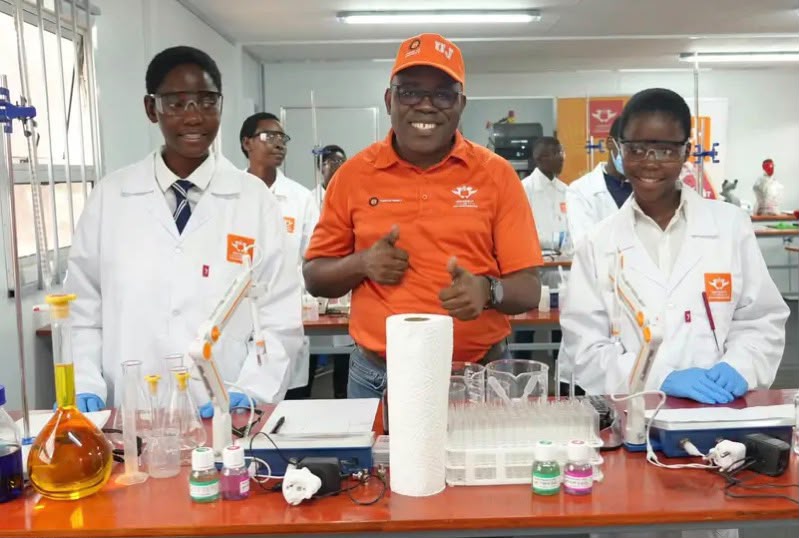
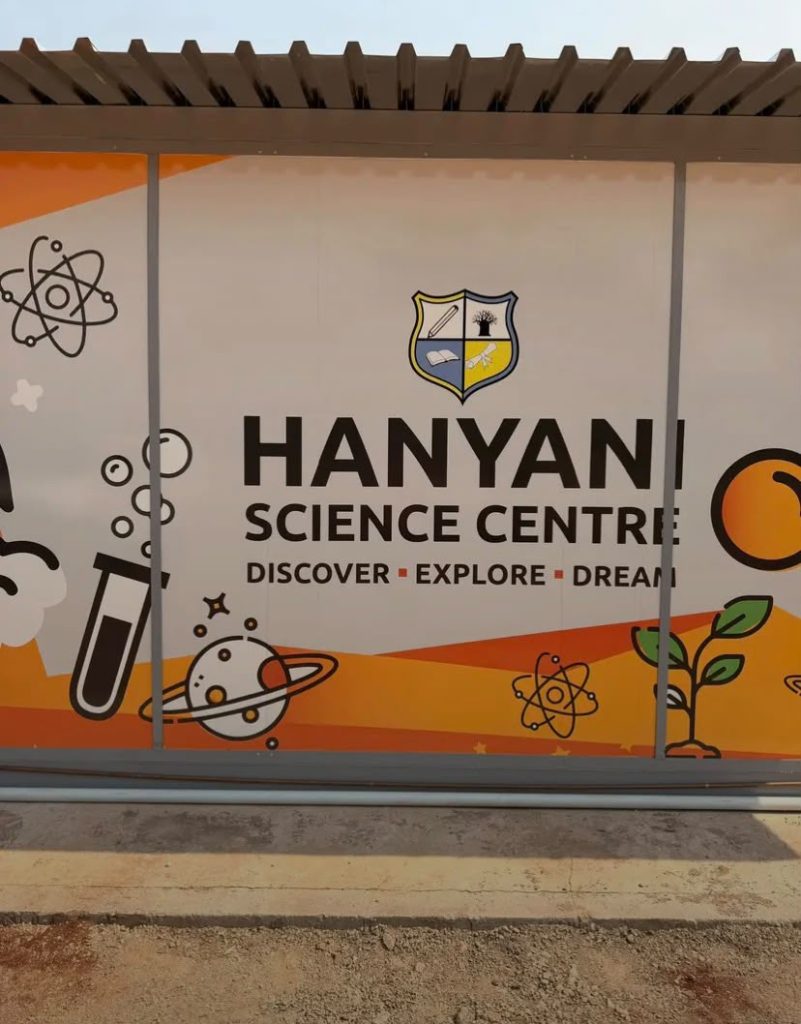
The University of Johannesburg (UJ) and Barloworld have opened a new science centre at Hanyani Secondary School in Limpopo, saying it will expand access to practical STEM education for learners in the rural Tshipise area.

The centre, officially opened on Monday, is equipped with microscopes, 3D printing technology and digital learning resources and is aimed at giving learners practical experience in science, engineering and technology.

UJ said the facility formed part of its Societal Impact project, which has brought infrastructure and education initiatives to communities in the area since 2014.

UJ Vice-Chancellor and Principal Professor Letlhokwa Mpedi said the project demonstrated what could be achieved through partnerships between universities, businesses and communities.

“Local talent deserves global opportunity,” Mpedi said.

“Science is a mindset, it is the courage to ask why, the curiosity to ask how and the determination to ask what if.”

UJ said the centre was intended to bridge the gap between classroom learning and practical science, allowing learners to experiment and become familiar with equipment they may use in further study and technical careers.

Grade 11 learners were given an opportunity to explore the centre during the opening, with students conducting practical activities using some of the new equipment.

The facility builds on UJ’s work at Hanyani, where the university has previously installed solar panels and established the Tshumisano Learning Centre, which is equipped with computers, books and other learning materials.

The wider project, launched in the area in 2014, spans communities including Gwakwani, Matatani and Mbodi and has involved interventions in energy, water, connectivity, education, food security and healthcare.

Hanyani Secondary has recorded a dramatic improvement in its matric results. According to the Department of Basic Education School performance report for the 2025 matric exams, the pass rate was 57.4% in 2023 to 92.1% in 2024 and 94.9% in 2025.

Barloworld Divisional Chief Executive Officer Andronicca Masemola said its investment was intended to extend beyond conventional corporate social responsibility.

ALSO READ: Gauteng has enough school places, but not where parents want them

“Investing in this state-of-the-art science facility is far more than a Corporate Social Investment project for us; it is a deliberate, long-term commitment to South African technical innovation and industrial capability,” Masemola said.

“At Barloworld, we firmly believe that Science, Technology, Engineering, and Mathematics (STEM) form the essential bedrock of sustainable economic development.”

She said advances in areas such as precision engineering, 3D rapid prototyping, digital diagnostics and material science meant learners needed greater exposure to modern technology.

“By equipping this facility with microscopes, 3D printing technology, and digital learning resources, we are closing the gap between classroom theory and real-world application for high school learners in remote communities who might otherwise lack access to modern equipment.”

INSIDE EDUCATION

The post UJ, Barloworld open science centre at rural Limpopo school appeared first on Inside Education..

Allan Gray Makers uses Fusion Fest to drive artisan business growth
Uncategorized

Allan Gray Makers uses Fusion Fest to drive artisan business growth

By Lebone Rodah Mosima

Allan Gray Makers is pushing for a coordinated trades economy capable of supporting hundreds of thousands of artisan-led businesses by 2035, as the number of unemployed young South Africans reaches five million.

The youth unemployment rate rose by 1.5 percentage points to 47.4% in the second quarter of 2026, according to Statistics South Africa, with the number of unemployed people aged 15 to 34 increasing by 264,000 to five million. Youth employment fell by 40,000 to 5.6 million over the same period.

Allan Gray Makers used its Fusion Fest 2026 in Gauteng to set out its longer-term plan aimed at turning technical and vocational skills into sustainable businesses capable of generating employment.

“By 2035, South Africa will have a coordinated trades entrepreneurial ecosystem catalysing the launch of 200 000 and growth of 20,000 artisan-led trades businesses,” said Seth Mulli, Programme Director of Allan Gray Makers.

The Makers programme focuses on developing entrepreneurship in technical and vocational trades. It says its aim is to support technical entrepreneurs to establish and grow businesses and, in turn, create employment.

The programme began as a pilot in 2018, with a focus on testing models that could accelerate entrepreneurship and job creation in vocational and technical trades, before being expanded more widely.

Its interventions include business incubation and entrepreneurship training for artisans. The 2026 StartUp Academy, for example, is an eight-month incubation programme aimed at aspiring entrepreneurs in bricklaying, carpentry, electrical work and plumbing, providing entrepreneurship training and business support.

Fusion Fest 2026 ran over three days in September, with its main conference bringing together about 150 participants from across the trades entrepreneurship ecosystem.

The conference at the Radisson Hotel & Convention Centre brought participants together in five working groups to examine ways of strengthening the sector.

Allan Gray Makers said the 2026 gathering moved beyond identifying weaknesses in the sector towards developing practical solutions.

ALSO READ: UJ, Barloworld open science centre at rural Limpopo school

Mulli said the work built on an assessment conducted around Fusion Fest 2025, when the organisation examined the sector against 10 conditions: institutions, culture, networks, infrastructure, demand, intermediaries, talent, knowledge, leadership and finance.

“We consolidated 10 conditions into five goals — not because the system became simpler, but because shared action must become clearer. Five goals that can be owned, resourced and measured,” Mulli said.

Those goals cover building stronger connections between organisations operating in the sector, improving the use of data, expanding the pipeline of artisan entrepreneurs, improving access to finance and markets, and changing perceptions of trades as a career and business opportunity.

The market-access element took a more concrete form during Fusion Fest, with the launch of Find A Maker, a digital platform aimed at connecting artisans directly with customers.

Allan Gray Makers said the app allows customers to find verified trade professionals through profiles, in-app messaging and two-way ratings. The platform has initially been launched in Gauteng.

Market-access is one of five areas Allan Gray Makers said must be addressed if small artisan businesses are to expand beyond survivalist enterprises.

The first area is building a more connected ecosystem in which funders, training bodies, government institutions and businesses better understand what others in the sector are doing.

The second is improving the evidence available to policymakers, funders and support organisations through research and shared data.

ALSO READ: UJ researchers honoured at 2026 NRF Awards

The third is creating a stronger pipeline of young people entering trades through TVET colleges, apprenticeships and other vocational pathways, with entrepreneurship presented as an option alongside formal employment.

The fourth focuses on making it easier for artisan-led enterprises to access appropriate funding, business support and paying customers — that requires business support that fits artisan enterprises, finance that reflects their real risk, and markets that reward quality, credibility and compliance.

The fifth goal is to change the status of trades and entrepreneurship so that artisan business owners are regarded as viable contributors to employment and economic growth rather than trades being seen primarily as a fallback career.

The Fusion Fest programme also included the Artisans of Mzansi business competition, where finalists pitched for prizes worth up to R200,000, followed by the South African National Artisan Awards, held in partnership with the Department of Higher Education and Training.

Allan Gray Makers said entrepreneurship alone would not solve South Africa’s employment crisis, but that improving access to skills, funding, markets and business support could allow more artisans to build enterprises capable of supporting livelihoods and creating jobs.

INSIDE EDUCATION

The post Allan Gray Makers uses Fusion Fest to drive artisan business growth appeared first on Inside Education..

Manamela says TVET workplace training backlog could be cleared within a year
Uncategorized

Manamela says TVET workplace training backlog could be cleared within a year

By Lebone Rodah Mosima

Higher Education and Training Minister Buti Manamela says his department could clear a backlog of between 29,000 and 36,000 TVET students needing workplace opportunities within the next year, as it pushes SETAs, colleges and employers to better coordinate training and placements.

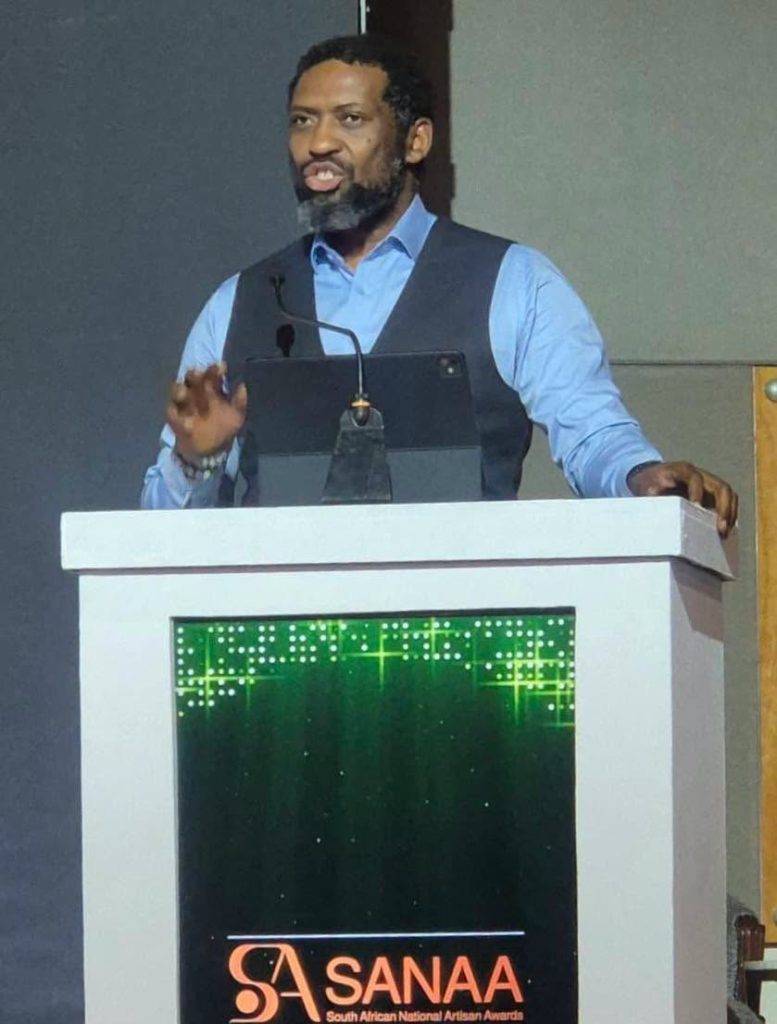
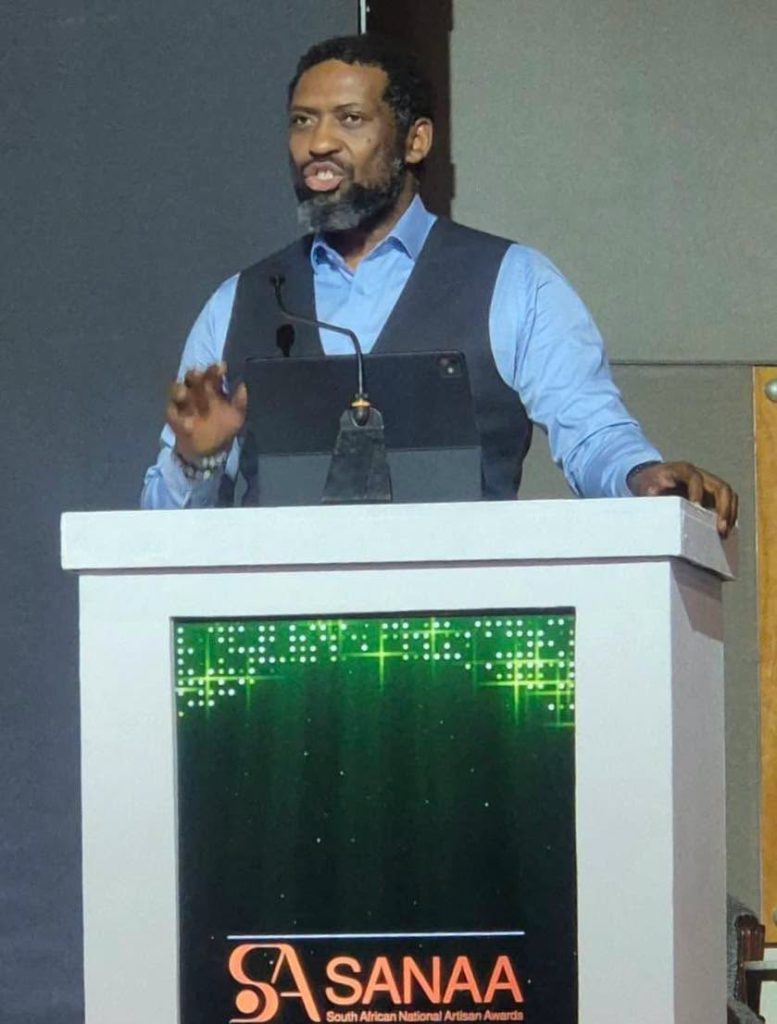
Speaking to Inside Education on the sidelines of the South African National Artisan Awards (SANAA) 2026 in Gauteng, Manamela said figures presented last week showed between 29,000 and 36,000 students still needed assistance, but he believed most could be brought into programmes over the coming year.

ALSO READ: UJ researchers honoured at 2026 NRF Awards

“So that’s the second number we are working on. The third and big number is being able to place each and every student who registers for an occupational trade at our TVET colleges – not just theory, not just workshop, but also link them to a host employer. That will be the major sign of success,” he said.

Manamela said the objective was to create a system in which training led students into workplace experience, employment or entrepreneurship.

He said every young person who walked onto the stage at the awards was linked to employment or had started a business, with each award recipient intentionally connected to some form of work.

“What we need to do additionally is to link them into entrepreneurship,” he said.

“Our economy has been facing major challenges. For the last five years, the economy has been under decline. Unemployment has been its worst, and graduate unemployment has also been affected greatly.”

Manamela said having an in-demand skill improved a young person’s chances of finding work, but the department could not stop training people simply because the economy was struggling to absorb them.

Institutions contributing to the country’s skills pool, he said, had to work more deliberately with industry so that money spent on training produced programmes linked to economic demand.

A particular challenge was finding workplace opportunities for N6 graduates who had completed the academic component of their studies but still needed workplace-integrated learning to obtain their diplomas.

“About two or three years ago, the President announced a target of 10,000 initially of our N6, in particular graduates, getting them into workplace-integrated learning,” he said.

ALSO READ: DUT finalises R1.15m Motsepe Foundation allocation for students with historical debt

“If we succeed with the integrated planning that we have enforced between the department, the SETAs, the National Skills Fund, and to mobilise industry, we should be way in advance to ensure that all those students who have their N6, who do not have their diploma, who do not have work places, are placed.”

Manamela said the department would continue visiting colleges throughout the year to assess infrastructure, the availability of teaching material and whether occupational programmes were starting as planned.

“We have to understand that this is a major transition. It has been in the build up for some few years, and there are going to be a lot of challenges that we’re going to be confronted with,” he said.

“Now and then, there’ll be a student who does have a stipend. We have to check with the principal, the HOD, the person who was responsible for occupational programmes. We have to check with the SETAs that are supposed to fund these programmes, and the National Skills Fund that’s dedicated billions of to this.”

He said the department had to establish whether problems stemmed from inadequate resources or failures in planning, and ensure fragmentation within the system did not hurt students.

College principals, he said, had to take responsibility for what happened at their institutions and would be held accountable by the department.

“Whoever they hold accountable subsequent to that, working together with their council, that’s their issue.”

“We’re going to drag them. We’re going to push them. We’re going to make sure that they give us the results that we want in the country.”

Manamela acknowledged that the transition from legacy qualifications to occupational programmes could temporarily affect the number of artisans qualifying, but said getting the system right over the next year or two could ultimately put the country ahead of its artisan targets.

ALSO READ: Public school fees rise faster than inflation as families battle cost of living crisis

“[W]e think that with time, we should be able to get the TVET college system, the SETA system, our people at NAM, and all these other institutions that are responsible for artisan training programmes, to give us the numbers that we need over time,” he said.

His comments came as SANAA held its second annual awards under the theme “Changing Artisanal Identity and Status”, recognising artisans across 13 priority trades.

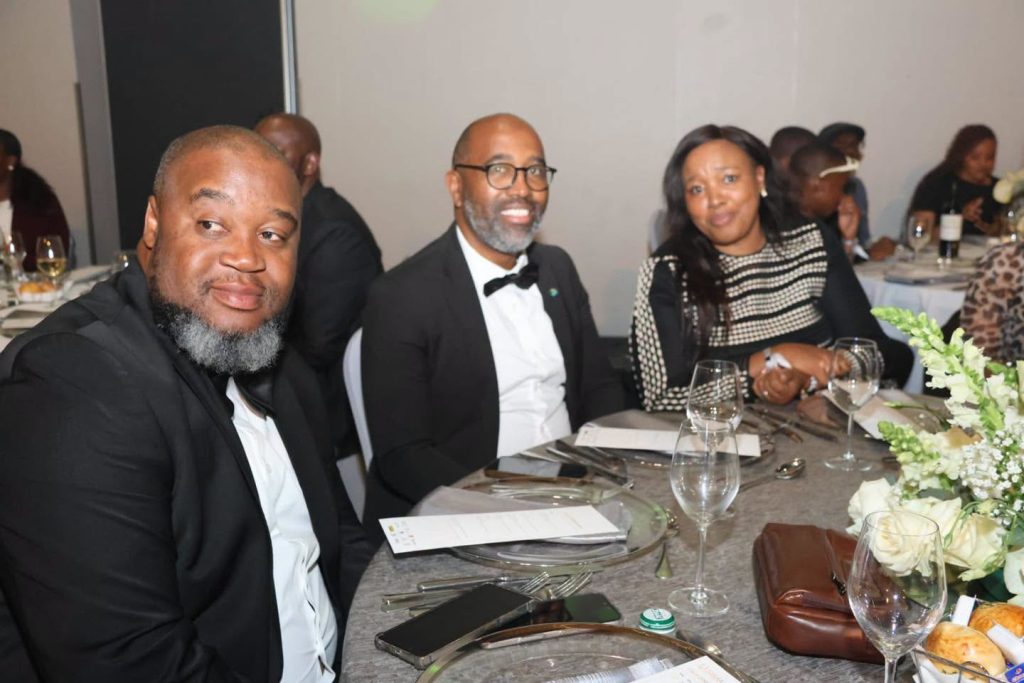
The gala featured the SANAA Awards, Artisans of Mzansi Awards and Inter-College Competition Awards, while a Rite-of-Passage Ceremony formally invested 34 artisans as National Artisan Ambassadors.

“The recitation of the SANAA National Artisan Ambassador Declaration is more than a ceremonial moment – it is a solemn pledge that defines the values, responsibilities, and legacy of every artisan chosen to wear the SANAA Ambassador Blazer,” SANAA said.

“This declaration is not just words — it is a living commitment. It reminds artisans that their craft is a cornerstone of South Africa’s economic growth, industrialisation, and community development.”

In his keynote address, Manamela challenged the perception that a university degree was the only path to professional success, saying that qualified artisans carried advanced applied knowledge, judgement and discipline.

“A nation that cannot produce its own plumbers, welders and cobblers does not have the luxury of dreaming about sending people to Mars,” he said.

“The point is simple. Ambition must stand on capability.”

He said talented young people were too often forced to carry the consequences of fragmented planning, weak equipment, delayed certification and too few workplace opportunities.

“The classroom, the workshop and the workplace must operate as one learning system,” Manamela said.

“When they are disconnected, the student pays. When they are aligned, the country gains a capable artisan.”

Manamela said the National Development Plan set an objective of producing 30,000 qualified artisans a year by 2030, but cautioned that progress could not be measured merely through registrations, launches or agreements.

“We must count learners who complete, artisans who qualify, graduates who enter work, and enterprises that survive and grow,” he said.

“We must modernise college workshops and simulators, strengthen lecturer development and industry exposure, and protect the integrity and turnaround times of assessments, trade testing and certification.”

He said workplace learning was a central bottleneck in the artisan training system. While government could fund training and colleges could provide theoretical and simulated practical learning, apprentices could not become fully competent artisans without meaningful exposure to real workplaces under qualified mentors.

Employers, he said, needed to help design programmes, open workplaces, provide mentors, verify competence and absorb capable graduates, while SETAs and the National Skills Fund had to ensure funding followed learners throughout their training.

“The measure is not how many meetings we hold. It is whether, week by week, the system moves more apprentices into workplaces, more candidates through trade tests and more qualified artisans into productive work,” he said.

Manamela also called for women, people with disabilities and young people from rural and township communities to have greater opportunities to enter, qualify and advance in the trades.

“Inclusion is not achieved by enrolment alone. It requires safe training environments, fair assessment, competent mentorship and visible routes into employment, ownership and leadership,” he said.

Addressing the finalists, Manamela said recognition carried a responsibility to uphold the standards of their trades, mentor young people and help create opportunities for others.

He said South Africa valued and needed its artisans, and was now asking them to lead.

INSIDE EDUCATION

The post Manamela says TVET workplace training backlog could be cleared within a year appeared first on Inside Education..
Uncategorized

Maile: Gauteng has enough school places, but not where parents want them

By Thapelo Molefe

Gauteng has 405,627 available school places for the 2027 academic year, but the province says a mismatch between where capacity exists and where families want their children to attend is fuelling overcrowding at popular schools.

The Gauteng Department of Education received 805,688 applications for Grade 1 and Grade 8 for 2027, representing 346,877 individual learners after accounting for parents who applied to multiple schools.

Gauteng Education MEC Lebogang Maile said at a press briefing on Sunday about online placements and admissions for 2027 that the figures show that the province’s problem is not simply a shortage of school places, but the concentration of demand in particular areas and schools.

“We have 405,627 available spaces. So in theory, we don’t have a problem,” Maile said.

However, he said the available capacity could not simply be used to accommodate learners because parents’ demand is heavily concentrated around certain schools.

At Grade 8 level, Hoërskool Langenhoven in Tshwane West received 3,462 applications, while Alberton High School received 2,756, Katlehong Secondary School 2,747, Katlehong Engineering School of Specialisation 2,573 and Parktown Boys’ High School 2,448.

At Grade 1 level, Laerskool Akasia received 1,355 applications, followed by Palmridge Primary School with 1,330, Alston Primary School with 1,207, Lakeside Primary School with 1,162 and Stoneridge Primary School with 1,153.

Maile said the department could not move learners from one part of the province to another simply because another school had available classrooms.

“I went to a school in Sebokeng. I think they’ve got space for about 500. There’s space for about 500, but it’s in Sebokeng. And then if you go to a school here in Alex, there are 500 more or 1,000 more, but Alex is here. So you can’t take those kids from Alex to Sebokeng because they stay here in Alex,” he said.

Maile said the department needed to rethink how existing capacity across Gauteng’s public schools is used, rather than continually expanding schools that are already popular.

He said the pressure was particularly difficult when thousands of parents selected a school that could accommodate only a fraction of the applications.

The department said placement would therefore have to follow its prescribed criteria, including the learner’s home address and proximity to the school.

Other factors include whether the learner has a sibling at the school, the learner’s previous school in the case of Grade 8 applicants, the parent’s work address and whether the learner lives within 30 kilometres of the school.

Where none of the schools selected by a parent has available space, the department may offer a place at the next closest school with capacity.

Maile said the concentration of learners at popular schools also had consequences beyond admissions.

“Unfortunately, where there’s overcrowding, there’s many other social problems because sometimes kids don’t have enough furniture and that becomes a source of fights amongst learners. There’s bullying, gangsterism, and all those issues,” he said.

The province is also facing pressure to increase capacity as Gauteng’s population grows and new residential areas develop.

Maile said the department had identified the need to build at least 200 schools, which he estimated would require at least R35 billion.

“Those schools include some of the schools that are just temporary schools,” he said.

The department said it was considering a combination of permanent infrastructure, public-private partnerships, alternative construction methods and mobile classrooms to respond to demand.

It is also considering whether leasing mobile classrooms could be more practical than buying them in areas where enrolment pressures are temporary or likely to shift.

At the same time, Maile said the province needed to make better use of existing facilities, including underused libraries, while expanding hybrid and e-learning.

“If you’ve got, for instance, libraries, which are not utilised and classrooms are full, you can still have kids going to those libraries and we teach them from there,” he said.

The department said placement offers for learners with complete applications are scheduled to begin on 15 October.

Parents will receive offers by SMS and will have seven days to accept or decline an offer. Placement will continue through the remainder of the year as the department works to accommodate all learners.

Maile said the goal was to have as many learners placed as possible before January to reduce the disruption that typically accompanies the start of the school year.

The department has also warned parents against paying people who claim they can secure school places, saying such payments amount to corruption and cannot guarantee admission.

INSIDE EDUCATION

The post Maile: Gauteng has enough school places, but not where parents want them appeared first on Inside Education..
Uncategorized

Western Cape rolls out ‘Little Ears’ to tackle newborn hearing screening gap

By Levy Masiteng 

The Western Cape will start rolling out a universal newborn hearing screening programme in three areas later this year.

The Western Cape Department of Health and Wellness has partnered with Hold My Hand on “Little Ears”, an early hearing detection and intervention programme that will initially be rolled out in George, Oudtshoorn and the Khayelitsha sub-district.

Implementation will continue across the respective sites early next year.

The programme comes against evidence of significant gaps in newborn hearing screening nationally.

ALSO READ: Dead even, but Paul Roos wins in Marius Schoeman Sevens thriller final

A 2026 policy brief by Hold My Hand and Change Ideas, developed with an Early Hearing Detection and Intervention Community of Practice, estimates that fewer than 10% of newborns in South Africa currently receive hearing screening. It says around 17 babies are born with permanent hearing loss each day, or more than 6,000 a year.

More recent Western Cape research has found similar problems closer to where Little Ears is being introduced.

A May 2026 study reviewed records from Red Cross War Memorial Children’s Hospital’s audiology service between August 2019 and August 2024. Of 7,871 children under six seen during the period, 511 had documented newborn or infant hearing screening results.

The researchers found the mean age of initial screening among the study group was 16.3 months — well beyond the newborn period — and said screening in the tertiary setting was delayed, resource-dependent and disproportionately concentrated at higher levels of care.

ALSO READ: Maile: Gauteng has enough school places, but not where parents want them

The study found 60.7% of children in the sample had been referred from tertiary facilities, while only 10% came through primary healthcare centres. Researchers said strengthening screening at primary healthcare level was essential to improving access and identifying hearing loss earlier.

The Western Cape Department of Health and Wellness says it has prioritised newborn hearing screening through its Start Well portfolio, which focuses on the first 1,000 days of a child’s life.

“This is to ensure all children in the Western Cape thrive and reach their full potential by supporting them in the first 1000 days, with a specific focus on early intervention, particularly in the neonatal period,” said Nicolette Henney, Deputy Director of the Early Life Course Unit at the Western Cape Department of Health and Wellness.

“With the launch of Little Ears, a universal newborn hearing screening programme that integrates early hearing detection and intervention by leveraging public-private partnerships, we have focussed on strategic partnerships, integrated data management, systems strengthening, and civil society engagement,” Henney said.

The provincial department has previously said newborn hearing screening is quick, gentle and painless and that objective screening is the most reliable way of identifying hearing loss early because a baby’s behaviour alone can be misleading.

In a World Hearing Day statement in March, the department said babies may respond to facial expressions rather than sound, making hearing difficulties difficult to identify through observation alone. It encouraged parents with concerns to approach their nearest clinic or community health centre for assessment and referral where necessary.

ALSO READ: CPUT extends academic year after three weeks of lost tuition from protests

The drive for earlier screening has also moved onto the national policy agenda.

Cabinet approved the National Strategy to Accelerate Action for Children in December 2025. Among its priorities are stimulating language and learning in young children and ensuring the timely screening and referral of children with hearing and visual disabilities.

Hold My Hand said that identifying hearing loss early allows families to make decisions about communication and intervention while children are still in the critical early stages of development, including through South African Sign Language, spoken language or both.

In a separate hearing-screening campaign earlier this year, University of Pretoria Professor of Audiology De Wet Swanepoel said: “No child should wait years for a condition that can be identified within hours after birth!”

He added: “No caregiver should leave a facility without knowing whether their baby’s hearing was checked and what to do next if there is a concern.”

Hold My Hand Strategy Lead Dr Noxolo Gqada said Deaf Awareness Month should also be used to challenge assumptions about deaf children and focus on access to language and communication.

“We hope everyone can use this month to learn more about what it means to be Deaf, celebrate Deaf culture and South African Sign Language and back the full inclusion of deaf people in South African life,” Gqada said.

“We are also calling out to parents and caregivers to find out more about hearing screening for their child and remember that bonding does not depend on how they hear, it depends on how you communicate.”

She added: “Healthcare workers, communities and governments, all have a part to play in making sure children with hearing loss get early access to language, communication and the support they need to thrive.”

The focus on language comes three years after South African Sign Language was formally recognised as the country’s 12th official language when President Cyril Ramaphosa signed the Constitution Eighteenth Amendment into law in July 2023. The amendment was intended to advance the cultural acceptance of SASL and strengthen equality and dignity for Deaf and hard-of-hearing South Africans.

The Little Ears rollout also coincides with Deaf Awareness Month in September.

PanSALB launched this year’s observance under the theme “Declaring Deaf People’s Human Rights”, with CEO Dr Keaobaka Seshoka calling for greater access to information and SASL interpretation.

“We must, as a society, come together and ensure that access to quality information becomes a lived reality for the deaf community. We must also make sure that providing South African Sign Language interpretation is not treated as charity; it is a right,” Seshoka said.

INSIDE EDUCATION

The post Western Cape rolls out ‘Little Ears’ to tackle newborn hearing screening gap appeared first on Inside Education..
Dead even, but Paul Roos wins in Marius Schoeman Sevens thriller final
Uncategorized

Dead even, but Paul Roos wins in Marius Schoeman Sevens thriller final

By Johnathan Paoli

Paul Roos Gymnasium were crowned U17 champions of the Marius Schoeman Sevens on Saturday after surviving a dramatic final against Hoërskool Garsfontein that finished 19-19 after extra time.

Hosted by Paarl Gimnasium in the Western Cape over the weekend, Paul Roos were declared winners following the deadlock because they had been the first team to score in the match.

Paul Roos u15 Rugby team

ALSO READ: Maile: Gauteng has enough school places, but not where parents want them

The Stellenbosch-based school completed a memorable double, with its U15 side also lifting the Cup after dismantling Paarl Boys’ High 43-5 in the final.

The U17 decider was the closest possible contest, with little separating the two sides throughout.

Liam Armitage – u15 Player of the Tournament

For Garsfontein, the result was particularly painful after an impressive run through the knockout stages.

The Pretoria-based school eliminated Hoërskool Outeniqua 21-15 in the quarterfinals before beating Boland Landbou 31-17 in the semifinals.

Paul Roos, meanwhile, defeated Charlie Hofmeyr 24-15 in the quarterfinals before overcoming hosts Paarl Gimnasium 28-19 in the semifinals.

Paarl Gimnasium’s U15 side also fell short, losing 26-21 to Paarl Boys’ High in the corresponding Cup semifinal.

Paul Roos had negotiated a demanding U17 pool containing Bellville, St Andrew’s College and Bosmansdam.

They opened their campaign with a 26-7 victory over St Andrew’s, followed it with a 17-0 win against Bellville and completed the pool stage with a commanding 48-0 victory over Bosmansdam.

ALSO READ: CPUT extends academic year after three weeks of lost tuition from protests

Garsfontein also had to recover from an early setback.

After beating Melkbosstrand 36-5, they suffered a 24-0 defeat to Durbanville before responding with a 38-10 victory over Overberg to progress to the knockout stages.

Paul Roos players also claimed the individual honours, with Cadynn Samuels named U17 Player of the Tournament and Liam Armitage taking the U15 award.

Samuels had impressed during the school’s 15-man rugby season with his speed and agility, while Armitage normally plays as eighthman in the 15-man game.

In the U15 competition, Paul Roos went unbeaten in their pool before beating Parel Vallei 33-0 in the round of 16, Boland Landbou 38-7 in the quarterfinals and Oakdale 44-19 in the semifinals.

Their 43-5 victory over Paarl Boys’ High in the final secured a second trophy in as many weeks after Paul Roos edged Paarl Gimnasium in the U15 final of the Cape Sevens at Hoërskool Hugenote in Wellington.

The Marius Schoeman Sevens celebrated its 10th edition this year.

The tournament is named after Paarl Gim alumnus and former Blitzbok Marius Schoeman and has established itself as an important fixture on the schoolboys’ sevens calendar.

Paarl Gimnasium entered as defending champions in both age groups after winning both Cups in 2025, but neither side retained its title.

The competition featured 32 teams in each of the U15 and U17 age groups, with eight pools of four, while a further 32 teams contested the U12 competition.

Durbanville reached the U17 Cup quarterfinals, while Boland Landbou advanced to the semifinals before losing to Garsfontein.

Paarl Gimnasium finished third in the U17 competition after edging Boland Landbou 29-26, while Paarl Boys’ High won the U17 Plate after beating Oakdale Landbou 29-12.

Paul Roos’s U17 side will now turn its attention to the Clover High Schools Sevens Series Champion of Champions tournament at North-West University in Potchefstroom on 18 and 19 September.

ALSO READ: Money, poor performance drive dropouts among older learners

After the tournament, the school congratulated its players.

“Congratulations to our Paul Roos Gymnasium players on their outstanding performances in the tournament. A special mention to Cadynn Samuels (U17) and Liam Armitage (U15), named Player of the Tournament in their respective sections,” the school said on social media.

INSIDE EDUCATION

The post Dead even, but Paul Roos wins in Marius Schoeman Sevens thriller final appeared first on Inside Education..

Uncategorized

CPUT extends academic year after three weeks of lost tuition from protests

Staff Reporter

The Cape Peninsula University of Technology has extended its 2026 academic programme after losing about three weeks of teaching time during a student shutdown, with the revised calendar now expected to run until 14 December.

“Senate, at its special meeting, considered the proposed adjustments to the 2026 academic calendar following the disruption of the academic programme and the loss of approximately three weeks of tuition,” CPUT management said in a statement.

“Its intention was to restore the academic year and to safeguard the students’ graduation prospects across all qualification levels.”

The shutdown began in early August over a range of financial and governance grievances, with CPUT’s proposed 2027 Financial Recovery Plan at the centre of the dispute.

Students objected to proposals that could have required some returning students to make an upfront payment of as much as R7,000 to register in 2027. Other grievances included historical student debt, residence costs, the NSFAS accommodation funding cap, access to academic records and what student leaders said was inadequate consultation over the proposed financial changes.

CPUT initially said the plan was still under consideration and that no final decisions had been made. Council withdrew the draft plan on 12 August for further consultation, but the protest action continued.

READ| This is why CPUT students are protesting

The unrest later escalated, with CPUT reporting damage across three campuses, including broken windows, a burnt vehicle, damaged classroom, flooded buildings and damage to security equipment and the recently restored IKAMVA building.

On 17 August, the Old Education building at the Bellville campus was set alight. CPUT described the incident as an arson attack and the following day ordered all campuses closed, suspended academic activities and instructed students to leave university residences.

Student leaders rejected suggestions that they supported the destruction of university property.

Higher Education Minister Buti Manamela subsequently sent a departmental team to facilitate talks between university management, Council and student leaders.

READ| Manamela steps in as arson, violent student protests shut down CPUT campuses

At a Special Council meeting on 29 August, CPUT unconditionally withdrew the draft Financial Recovery Plan and agreed that students who had accumulated debt because of the NSFAS accommodation cap should be allowed to receive their academic transcripts and certificates.

The same meeting asked Senate to consider adjustments to the 2026 calendar to “rescue the academic project”.

Under the revised programme, the scheduled recess from 4 to 14 September will remain unchanged.

Tuition will be extended by two weeks, while faculties will recover the equivalent of another five teaching days through arrangements suited to their disciplines.

“Based on the current scenario the revised adjusted calendar will complete by 14 December 2026,” the university said.

Implementation is dependent on academic activities resuming on 14 September.

CPUT said operational support departments would continue cleaning and repairing damaged facilities to ensure campuses were ready for students and staff to return.

Reassessments and special assessments will be accommodated during the existing January 2027 reassessment period, while the summer graduation scheduled for 10 December will proceed as planned.

Additional days worked by academic staff will be credited to their leave, subject to further discussions and finalisation through the university’s human capital processes.

“Staff who complete their academic responsibilities earlier, could commence leave sooner by arrangement with their Heads of Department,” the statement said.

INSIDE EDUCATION

The post CPUT extends academic year after three weeks of lost tuition from protests appeared first on Inside Education..