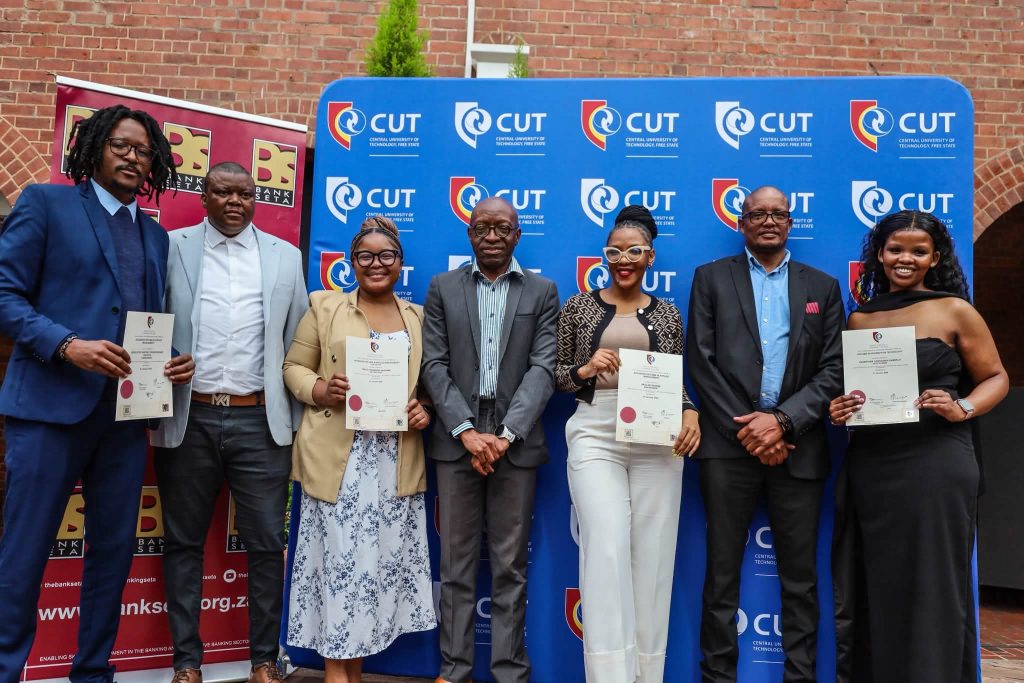
The Banking Sector Education and Training Authority (BANKSETA) has provided R13.9 million to clear historical debt owed by 253 Central University of Technology (CUT) graduates, allowing them to access qualifications previously withheld because of outstanding fees.
CUT said in a statement that student debt remained a significant challenge across the post-school education sector, with outstanding balances often preventing graduates from accessing academic records and certificates.
“This, in turn, limits their ability to pursue employment opportunities and establish financial stability,” the university said.
“Consequently, outstanding debt can create a cycle in which graduates are denied access to the very opportunities that could enable them to secure employment, improve their financial circumstances, and ultimately settle their outstanding obligations.”
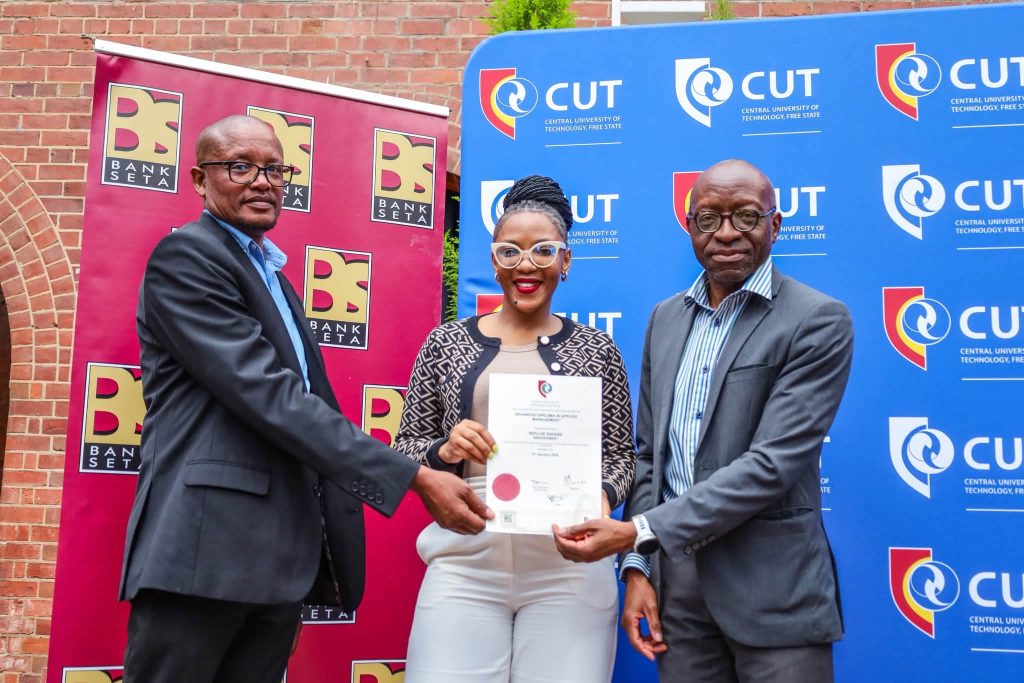
The funding covered graduates in Information Technology, Accounting, Internal Auditing and the Advanced Diploma in Applied Management.
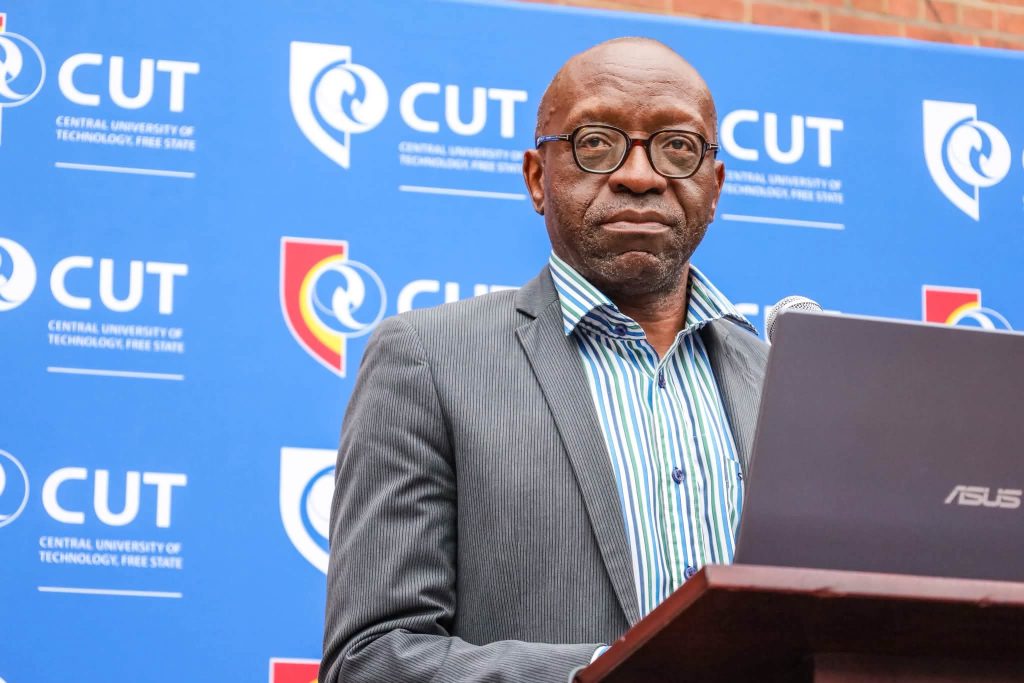
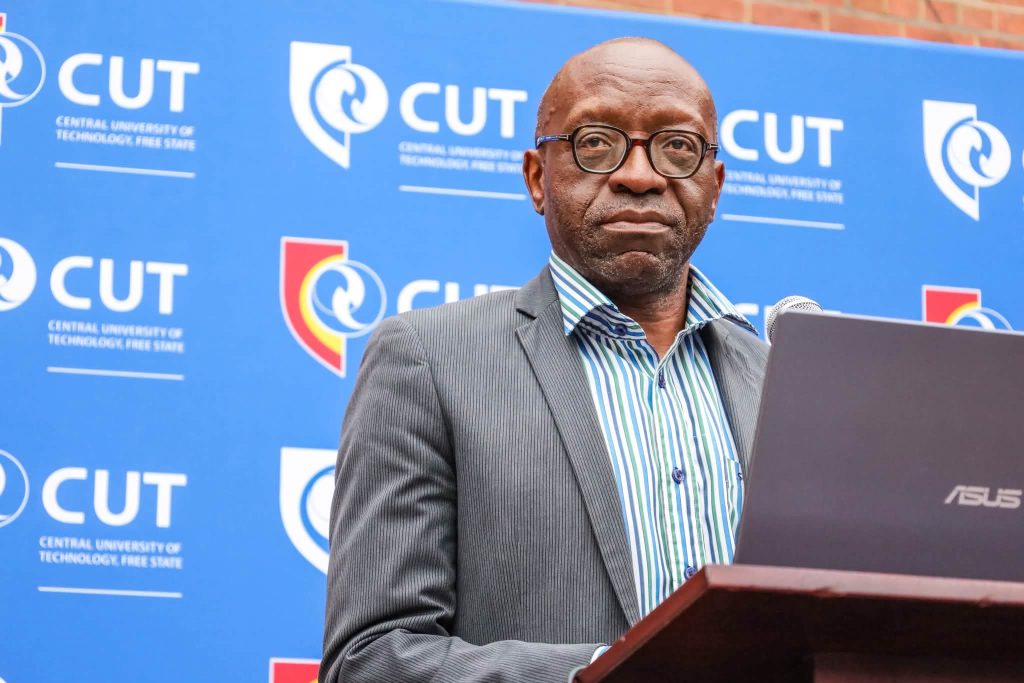
Acting Vice-Chancellor and Principal Prof Samson Mashele said the intervention represented an investment not only in the affected graduates, but also in their families and their future contribution to the economy.
“Behind every outstanding balance is a student who has worked hard to complete their studies.
“There is a family that has made sacrifices. There is a young professional ready to enter the world of work,” Mashele said.
“The funding will provide our graduates with an opportunity to move forward, enter the workforce and begin contributing to their families, communities and the broader economy,” he said.
BANKSETA Senior Manager for Human Resources Dr Lefaso Motsoeneng said historical debt funding was intended to remove financial barriers preventing deserving students and graduates from completing their academic journeys.
“Through strategic partnerships, we can tackle these challenges, expand access and help shape a more inclusive future.”
He said BANKSETA remained committed to supporting young people facing financial barriers and helping them transition into professional employment.
CUT said partnerships such as the BANKSETA intervention formed part of its efforts to remove financial obstacles that prevented graduates from using their qualifications to pursue employment and build sustainable careers.
One beneficiary, Skejana Philasande, completed a National Diploma in IT Software Development in 2017 but said outstanding debt had prevented her from accessing her qualification.
Philasande said she had spent years being employed on the strength of her Grade 12 certificate rather than her university qualification.
“It was painful knowing that my qualification was being withheld because of my outstanding debt. The BANKSETA funding has given me renewed hope and the opportunity to pursue a career aligned with my studies,” Philasande said.
“What may seem like financial support is, for me, a chance to build the future I have always worked towards. I am deeply grateful.”
Refiloe Maduna, who completed a National Diploma in IT Software Development in 2026, said being defunded by the National Student Financial Aid Scheme had left her unsure how she would settle her outstanding fees.
She said she discovered that BANKSETA had paid the amount while checking her university ITS account.
“The relief and gratitude I felt in that moment are difficult to put into words. BANKSETA paid an amount that I simply did not know how I was going to afford on my own,” Maduna said.
“I am sincerely grateful to BANKSETA and CUT for this life-changing opportunity. I hope this support continues to open doors for many other students like me and graduates who find themselves in need of a helping hand.”
Basic Education Minister Siviwe Gwarube has paid tribute to South Africa’s 485 000 educators, saying their daily work in classrooms is helping to build the country’s future as World Teachers’ Day shines a spotlight on the support and working conditions teachers need to perform their duties.
“Today is National Teachers’ Day, and I want to say to almost half a million of you that we see you, we see your hard work, we see just how much you dedicate yourselves to building South Africa,” Gwarube said.
“I want you to remember that every single time you walk into a classroom, that you are building the future of this country brick by brick, learner by learner. We want to say sianibulela, sianishonipa, and we want to say we appreciate the work that you do.”
World Teachers’ Day is observed annually on 5 October to recognise the contribution of teachers and draw attention to the professional conditions that shape their work.
This year’s observance is particularly significant as it marks 60 years since the adoption of the 1966 International Labour Organisation (ILO)/UNESCO Recommendation concerning the Status of Teachers.
UNESCO’s 2026 theme, “Standing with teachers: 60 years of protecting the profession, advancing its status and shaping our futures”, calls for more than recognition of educators. It places the spotlight on whether education systems are providing teachers with the professional, material and institutional support they need.
The Department of Basic Education said it was continuing to strengthen the foundations of the education system, including early childhood development and Foundation Phase teaching.
Over the past year, the department registered more than 13 300 early childhood development centres against a target of 10 000.
The DBE said a R496 million fund had been established to create ECD spaces in KwaZulu-Natal, Limpopo and the Eastern Cape.
In addition, 10 000 Foundation Phase teachers are receiving targeted training in literacy and numeracy this year as the department works to strengthen the National Reading Literacy Strategy.
The interventions come as the education sector continues to grapple with challenges including learner performance, teacher workload, infrastructure, safety and the changing demands placed on educators.
Dean of Education at Rosebank International, Dr Shani Steyn, said World Teachers’ Day should be an opportunity to move beyond celebrating teachers and reflect on what it means to genuinely support the profession.
“Teaching is about far more than delivering curriculum. At its heart, it is relational work. Teachers see potential, build confidence, encourage curiosity and help young people make sense of themselves and the increasingly complex world around them,” Steyn said.
“Standing with teachers therefore means more than thanking them for what they do. It means recognising them as professionals, investing in their development, listening to their voices and ensuring that they are equipped and supported to respond to the changing needs of the learners and communities they serve.”
Steyn said teachers were working in increasingly complex classrooms while having to navigate technological developments, artificial intelligence, changing assessment approaches, learner wellbeing, neurodiversity and inclusive education.
She said teacher preparation therefore needed to extend beyond subject knowledge.
“This means that preparing teachers for the future cannot simply be about giving them subject knowledge and sending them into classrooms,” Steyn said.
“They need strong pedagogical knowledge, the ability to make sound professional judgements and the confidence to adapt their teaching so that different learners have meaningful opportunities to participate and succeed.”
The 60th anniversary of the international recommendation on the status of teachers also provides an opportunity to consider how educators are prepared before entering the profession and how they are supported throughout their careers.
“We need teachers who are knowledgeable, certainly, but also reflective, adaptable and willing to keep learning throughout their careers. The classroom will continue to change,” Steyn said.
“Good teacher education therefore cannot prepare graduates for one version of the classroom; it must prepare them to continue learning and responding as education itself evolves.”
Steyn said pathways into teaching should remain accessible while maintaining professional standards.
Rosebank International offers a Higher Certificate in Early Childhood Care and Education as an entry-level route for people interested in early childhood education, while students can progress through Bachelor of Education qualifications in Foundation Phase and Intermediate Phase Teaching.
“The journey to becoming a teacher does not always begin and end with a single qualification,” Steyn said.
“For some aspiring educators, a higher certificate may be that important first step. What matters is that we create meaningful pathways into the profession while maintaining the quality and professional standards that teaching demands.”
She said investing in teachers ultimately meant investing in learners.
“As we celebrate World Teachers’ Day, we should celebrate both those already serving in our classrooms and those preparing to join them. Standing with teachers means investing in the profession across the entire journey, from the aspiring student teacher to the experienced educator who continues to learn, adapt and lead,” Steyn said.
“Because when we invest in teachers, we are ultimately investing in every learner whose future they will help to shape.”
Meanwhile, the South African Democratic Teachers’ Union (SADTU) used World Teachers’ Day to call for stronger protection of teachers’ rights, improved working conditions and greater investment in public education.
SADTU said the theme was a reminder that the future of society was inseparable from the dignity, rights and working conditions of teachers.
The union paid tribute not only to school teachers but also to lecturers in higher education, education support personnel and early childhood development practitioners.
According to SADTU, the 1966 ILO/UNESCO Recommendation set out principles relating to teachers’ rights and responsibilities, initial teacher preparation, further education, recruitment, employment, and teaching and learning conditions.
It also promoted teachers’ participation in educational decision-making through consultation and negotiation with education authorities.
SADTU said the principles remained relevant as teachers faced a range of pressures in the education system.
The union highlighted the gender imbalance in the profession, saying that while the majority of teachers were women, men continued to dominate leadership positions.
It said women were also heavily represented in early childhood education, which plays a critical role in children’s academic, emotional and physical development, but that many ECD practitioners continued to struggle for recognition as teachers.
SADTU said the formalisation of the ECD sector by the Department of Basic Education was partly a result of its advocacy.
The union called for women teachers to be protected from harassment and discrimination and afforded equal opportunities to advance into leadership positions.
It also raised concerns about violence against teachers and the safety of educators in schools.
“No teacher should have to enter a classroom fearing for their lives,” SADTU said, calling for stronger measures to protect teachers and address the social conditions contributing to violence in schools.
The union said schools needed to be places of teaching, learning, safety and dignity rather than spaces where educators faced violence, intimidation or abuse.
SADTU further warned that teachers were bearing the impact of austerity measures and resource constraints, arguing that cuts to education budgets could affect the ability of educators to provide quality teaching.
Overcrowded classrooms, inadequate resources, insufficient support and growing administrative workloads were among the challenges identified by the union.
SADTU cited a University of Stellenbosch study which found that 50% of South African teachers were considering leaving the profession within a decade, with administrative burdens identified as a major source of stress.
The union said teachers could not be expected to continually do more with fewer resources while carrying the responsibility of preparing future generations.
It called for sustained investment in public education, saying education should be treated as a fundamental social investment rather than expenditure to be reduced when budgets come under pressure.
“Honouring teachers means ensuring decent working conditions, fair remuneration, safe schools, adequate resources, professional development, and meaningful participation in decisions that affect the education system and the teaching profession,” SADTU said.
The union also called for the restoration of the social status and dignity of teaching, saying teachers should be recognised as professionals whose expertise and commitment were essential to building a just, equal and prosperous society.
As the country marks World Teachers’ Day, SADTU also congratulated the educators recognised at the Department of Basic Education’s National Teaching Awards, saying the awards celebrate excellence, dedication and innovation in teaching and school leadership.
The union said it wanted to see more initiatives recognising teachers not only from government but also from the private sector.
Young people from political parties, youth-led organisations and unemployed graduates have been urged to help communities understand government policies and development plans that directly affect their lives.
The call was made by African Luminary, a non-profit dedicated to “shaping young minds for a stronger South Africa”, following a special youth meeting held at the Faranani Multipurpose Centre in Tsakane, Ekurhuleni, this month.
The meeting was chaired by Sthembiso Sibiya, a Social Curriculum Developer, Educator, LLB Student and Chairperson of African Luminary NPC.
The organisation said the discussion centred on the question: “What can young people do to contribute to a better South Africa?”
The programme introduced African Luminary’s Social Curriculum and began work towards developing a Youth Programme of Action.
“One of the issues considered was the question of the generational struggle of young South Africans,” the organisation said.
“Inequality and social class emerged as important areas of consideration, although participants did not reach a final collective conclusion that these alone define the generation’s struggle.”
“A key principle of the Social Curriculum discussed during the meeting is that solutions should emerge from an understanding of the problems,” it said.
“The objective is therefore to move beyond discussion towards practical interventions.”
The meeting also identified quality education and social awareness as important foundations for building a more informed, active and independent generation.
African Luminary called on young people to help communities access and understand the National Youth Policy and Integrated Development Plan documents, including by encouraging their availability in libraries, clinics and other accessible public and community spaces.
“Young people should not rely exclusively on government to solve every problem affecting them,” it said.
“They can also become active participants in understanding public policy, identifying community problems, and contributing to solutions.”
It urged young people across Africa to convene similar meetings bringing together people from different political parties and youth-led structures to independently define their generation’s challenges, mission and programme of action.
“The broader objective is to encourage young Africans to move from identifying problems to developing practical solutions for their communities, countries, and continent,” the organisation said.
Romeo Sibeko, representing local youth and the Al-Jama party, said that the session taught him how media can influence thoughts and behaviours, and how youth can stay united in their approach for South Africa.
“I think with the decisions that was taken within the collective, we will empower a lot of youth going forward,” Sibeko said.
Thapelo Ntuli, a youth community member from Tsakane, said the meeting was a step towards youth empowerment and improving living standards, also mentioning its focus on guiding boys to becoming men and men to being responsible.
“We were trying to create a loophole for the youth when it comes to job opportunities, equality, and empowerment,” Ntuli said.
Outstanding Services SETA bursary payments and allowances for students at Ekurhuleni East TVET College are being processed after government intervention over delays that left some students waiting late into the academic year.
Deputy Minister of Higher Education and Training Yusuf Cassim said progress had been made in resolving outstanding bursary benefits for 162 qualifying students following an oversight visit to the college’s Kwa-Thema Campus on Friday.
Services SETA had allocated bursaries worth R15.6 million for 200 students at the college. Of 195 applicants, 162 were submitted as qualifying beneficiaries after screening by the college. The remaining 33 either did not meet the criteria or had outstanding documentation.
Of the 162 students, tuition fees for 145 were processed in September, while a further 17 cases remained in progress.
The college also reported that R1.98 million in outstanding allowances had been paid to 132 students during September. Another 30 students had not yet been processed because of banking or documentation problems, with the college committing to finalise those cases by October 9.
Textbooks have been provided to all Services SETA-funded students, but laptops remain outstanding. The college said procurement had been expedited and laptops were expected to be delivered by mid-October.
The intervention is the latest in a series by Cassim over delayed student funding this year. In August, the Transport Education Training Authority committed to clear outstanding allowances for 104 students after his intervention, while Central University of Technology undertook to pay accommodation allowances to 1,392 students who had been waiting since the beginning of the year. Later that month, NSFAS released R222.7 million for 2,927 Funza Lushaka bursary students following another intervention by the deputy minister.
Cassim said delays in bursary payments were a broader problem across the post-school education system.
“Students should not have to wait this far into the academic year to receive the full bursary benefits for which they qualify,” he said.
The department will also seek a report and turnaround plan on delays in issuing National N-Diploma and NCV Level 4 certificates, another issue raised during the visit.
Justice and Constitutional Development Minister Mmamoloko Kubayi has called for greater protection of children online, saying the state has a constitutional duty to safeguard learners from digital harm.
Speaking at the 15th National Schools Moot Court Competition at Constitution Hill on Sunday, Kubayi said online safety could not be left to children to manage on their own.
“Section 7(2) places the duty on the State to respect, protect, promote and fulfil these rights. Online safety is not something we can leave to children to manage alone,” she said.
Kubayi said the issues raised reflected the growing challenge of balancing constitutional rights with the risks children face in digital environments.
Inside Education reported in June that 67% of South African children aged eight to 18 had experienced at least one major cyber risk, including cyberbullying, exploitation, harmful content and technology overuse, according to Child Online Safety Index data.
The moot court competition, launched in 2011, is run by the justice and basic education departments together with the South African Human Rights Commission.
Last year, more than 900 Grade 9 learners entered the competition, with 36 teams progressing to the national rounds before finalists argued at the Constitutional Court.
Kubayi said hundreds of schools and thousands of learners from urban, township and rural communities had taken part in constitutional education programmes this year.
She said government wanted to broaden participation so learners had access to legal literacy programmes regardless of geography or school resources.
The competition also coincides with the 30th anniversary of the adoption of South Africa’s Constitution.
Kaizer Chiefs and Mamelodi Sundowns Ladies have been crowned 2026 Engen Champ of Champs winners after dominant victories in Sunday’s finals.
Playing at the University of Pretoria’s High Performance Centre, Tshwane, on Sunday, Chiefs claimed the Under-18 boys’ title with a 3-0 victory over East High Academy of Mpumalanga, while Sundowns Ladies completed their campaign with a 2-0 win over RV United of the Western Cape in the Under-20 girls’ final.
The two Gauteng champions capped impressive campaigns at a tournament bringing together provincial champions from across South Africa under the theme “Where Diski Legends Start”.
Chiefs had entered the final after overcoming Western Cape champions Antalyaspor JPM Cape Town in their semi-final, while East High Academy booked their place in the decider by beating KwaZulu-Natal champions AmaZulu.
The final victory completed an unbeaten tournament for Chiefs, who topped Group A with three wins and a draw before navigating the knockout stage.
The Amakhosi development side had opened their campaign with a 2-0 victory over Tshepo Academy and followed that with a goalless draw against East High.
They then defeated TenPont Academy 3-1 before edging Pixley Youth 1-0 to finish at the summit of the group.
East High finished second in Group A after victories over Pixley Youth and TenPont Academy and a goalless draw against Chiefs.
Sundowns Ladies were even more driven on their way to the girls’ crown, completing the tournament without conceding a goal.
The Gauteng side swept through Group A with victories over Toti Ladies, Mafikeng Ladies, Royal Wizards and Ixias Ladies before defeating Superstrikers in the semi-finals.
Their group-stage campaign included a 4-0 victory over Toti Ladies and a 5-0 demolition of Mafikeng Ladies, followed by further wins over Royal Wizards and Ixias.
They carried that defensive record into the final, where the 2-0 victory over RV United from the Western Cape, secured the girls’ championship.
RV United had topped Group B and reached the final after defeating Ixias Ladies in the semi-finals.
Chiefs’ Malibongwe Mtshali was named the Player and Striker of the Tournament in the boys’ competition after playing a key role in the Amakhosi’s successful title-winning campaign.
Mamelodi Sundowns’ Lebogang Buthane was named both Player and Top Goalscorer of the Tournament in the U20 girls’ competition after helping her side secure the title.
The boys’ top goalscorer award was shared by Kaizer Chiefs trio Shaun Els, Lebohang Dhlamini and Tsheamo Mosana, alongside Omphile Bokala of TenPont United.
The final day brought together a number of prominent figures from South African football landscape, attending during the competition.
Mamelodi Sundowns chairman Tlhopie Motsepe, Kaizer Chiefs sporting director Kaizer Motaung Jr., Banyana Banyana coach Desiree Ellis and national team captain Refiloe Jane were among those who watched the young players in action.
AmaZulu coach Arthur Zwane also attended, alongside former Chippa United coach Kwanele Kopo and Usuthu head of football strategy Sinesipho Mali.
Kaizer Chiefs defender Rushwin Dortley was also spotted supporting his younger brother Emile, who represented the Amakhosi development side.
The tournament also highlighted the pathway between youth football and the professional game through the presence of several Engen alumni.
Mamelodi Sundowns Ladies players Ronnel Donnelly and Katlego Malebane attended after their recent COSAFA Women’s CAF Champions League Qualifier success, while Bennet Mokoena and Kamogelo Mareletse were present following Amajita’s COSAFA Under-20 Cup triumph.
Keabetswe Morake, another Amajita player, was involved on the field for Chiefs.
The 2026 tournament featured nine boys’ and nine girls’ teams representing provincial champions from across the country.
The Auditor-General (AG) has warned that financial management problems across the country’s higher education portfolio are no longer isolated failures, raising concerns about recurring audit findings, weak project management, fruitless and wasteful expenditure and a lack of consequence management.
Briefing Parliament’s Portfolio Committee on Higher Education on Friday, the AG said the portfolio was regressing, despite an improvement in the audit outcomes of TVET colleges specifically.
The warning came after committee member Dr Delmaine Christians questioned whether the overall portfolio was getting worse, pointing to a decline in clean audits from 11 entities to nine and an increase in qualified audits from nine to 11.
The AG said the distinction between the TVET sector and the broader portfolio was important.
“When it comes to the portfolio, we would not necessarily say that there has been an improvement. In fact, I would say that there has actually been a regression,” the AG said.
The AG said the weaknesses identified across entities were similar and increasingly pointed to a systemic problem rather than isolated failures.
“We are seeing that over the years, it’s getting worse instead of getting better, which is an area of concern,” the AG said.
The AG said recurring weaknesses included poor project management, incorrect financial reporting, irregular expenditure and failures to properly account for skills-development initiatives.
The AG said some entities had received qualified audit opinions for several consecutive years, making it necessary to investigate the underlying causes rather than simply attributing the problems to a lack of capacity.
“You may find that it actually could get to a point of realising that it’s being done deliberately,” the AG said, while stressing the need for deeper investigations to establish the root causes.
Christians also raised concerns about NSFAS, whose audit was again outstanding because of the late submission of its financial statements.
The committee member questioned whether the repeated problems were evidence of systemic deterioration in financial management across the portfolio.
“What I have to ask then is, is the portfolio actually getting worse?” Christians asked.
The AG said the biggest problem was not the absence of corrective action plans, but the failure to implement them and hold officials accountable.
“The key thing that we would recommend is consequence management, a culture of consequence management in the sector,” the AG said.
The AG said audit action plans were assessed for whether they adequately addressed the root causes of findings, but implementation and monitoring remained weak.
“You can clearly then link it to somebody who hasn’t done what they’re meant to have done,” the AG said.
However, officials were often not subjected to disciplinary or other consequences when they failed to implement corrective measures, allowing the same problems to recur.
Christians agreed that the problem was no longer identifying what was wrong.
“The problem is that nobody is being held sufficiently accountable to fix that,” she said.
The AG also raised concerns about the growing amount of fruitless and wasteful expenditure in the portfolio.
Christians said the closing balance had increased from about R275 million to R536 million, with another R87 million incurred during the financial year.
She said the expenditure included services that were not delivered, learner stipends that were not paid, bank payment fraud and overpayments to skills-development providers.
The AG said the continued accumulation of fruitless and wasteful expenditure was directly linked to failures to investigate losses, recover money and impose consequences on those responsible.
“That’s why you are seeing a growing trend of that fruitless and wasteful expenditure in terms of accumulation,” the AG said.
The official said institutions were required to investigate the causes of fruitless and wasteful expenditure, identify those responsible, institute disciplinary processes where necessary and recover losses.
The AG said investigations often remained outstanding for long periods, with institutions continuing to report that investigations were still in progress.
The committee also raised specific concerns about the Northern Cape Urban TVET College, where problems have reportedly remained unresolved since 2022. The college has previously been the subject of parliamentary scrutiny over allegations of financial mismanagement and governance failures.
Christians told the committee that the problems at the college were continuing to spiral out of control and urged the department to urgently conduct a forensic investigation.
“The fact that the Auditor-General has raised it once again, where a team has been sent by the DHET, and the team has come back with no substantive information, that is even more concerning,” she said.
Higher Education Minister Buti Manamela said the department shared the concern over the college and was committed to stabilising its governance and management.
“I do share your concern that if that college or any of the colleges anywhere in the country collapses, you know, it has serious implications,” Manamela said.
Deputy Director-General for TVET Sam Zungu said the department had previously sent a team led by its chief director responsible for finance to examine some of the issues raised at the college.
However, Zungu said the team was not made up of forensic investigators and therefore could not establish whether potential fraud had occurred.
“The team that is sent, they are not trained as forensic investigators,” Zungu said.
He said the department would therefore have to consider conducting a forensic investigation following the concerns raised by the Auditor-General.
“It’s something that we will be embarking on as a department in that regard,” Zungu said.
The committee chairperson, Tebogo Letsie, meanwhile raised separate concerns about consequence management at a construction-sector SETA that has been under administration since 2025.
Letsie said a forensic report that cost the state almost R18 million had made recommendations that administrators were supposed to implement, but he could not identify a single recommendation that had been implemented a year after their appointment.
He also questioned the decision to return a supply-chain official to the same position from which she had been suspended while disciplinary processes were under way.
Letsie said the official was subsequently found guilty of 42 charges, raising further questions about how consequence management was being applied.
He said he intended to provide the department and Auditor-General with documentation relating to the matter and indicated that law-enforcement agencies could ultimately be approached.
The chairperson said the committee could not accept a situation in which institutions continued to disregard audit findings and corrective measures.
The AG’s warning places the repeated audit failures, growing fruitless and wasteful expenditure and weak consequence management at the centre of concerns over the financial administration of the higher education sector.
The Auditor-General said the recurring nature of the problems meant that the portfolio needed to look beyond individual audit findings and establish why institutions continued to fail to correct problems that had been identified year after year.
Police fired rubber bullets and stun grenades at protesting Rhodes University students and arrested 13 people outside a graduation ceremony in Makhanda on Friday as tensions over a proposed student debt policy escalated.
About 100 students gathered outside the 1820 Settlers National Monument, where the university was holding its spring graduation ceremony, to protest against proposed new rules governing outstanding student fees.
[LISTEN] Rhodes University says it is addressing SRC concerns as a student alleges that protest disruptions have left some students without food and feeling unsafe.
Eastern Cape police spokesperson Brigadier Nobuntu Gantana said Public Order Police acted after protesters failed to comply with a High Court order and warnings to disperse.
The 13 students arrested were aged between 19 and 23 and were charged with contravening a court order. Police said no serious injuries were reported.
Students, however, disputed the police version of events, saying they had been sitting on the grass outside the Monument with placards and were not blocking access to the venue.
One student told SABC News that protesters were given five minutes to leave after police read the interdict before officers moved in.
The protest came two days after the Eastern Cape High Court in Makhanda granted Rhodes University an interim interdict restricting unlawful protest activity following disruptions on campus earlier in the week.
The order applies to SRC president Thalethu Magidela, several other named respondents and people associating themselves with conduct covered by the order. Police were authorised to enforce it. The matter is due back in court on October 27.
Friday’s gathering was not formally sanctioned by the Student Representative Council.
In a statement later on Friday, the SRC described it as a “silent protest” organised by an unidentified group of students and reminded students that the interim court order remained in force.
The SRC also appealed to police to take students’ vulnerability into account and said violence should not be used to resolve the dispute.
The unrest centres on Rhodes University’s proposed student fee-payment protocol for 2027, which introduces tougher conditions for students carrying historical debt.
Under the proposed system, indebted students would face restrictions on access to academic results and transcripts, while students seeking to register for a new academic year would have to settle debt or enter approved repayment arrangements.
Students who still owe more than R25,000 after making the required upfront payment would generally not be allowed into university residences unless they have confirmed NSFAS funding.
Students have called for the university to abandon the withholding of academic results and transcripts and to increase the residence debt threshold from R25,000 to R75,000.
The SRC has also proposed a sliding repayment system under which the proportion students are required to pay upfront would depend on the amount they owe.
Rhodes has argued that tighter controls are necessary because mounting student debt is putting pressure on the university’s finances.
The university said students owed it R321 million in 2024, while its audited 2023 financial statements showed that provision for student debt regarded as unlikely to be recovered had increased from R24 million in 2022 to R91 million.
The dispute initially brought activity on the Rhodes campus to a halt earlier in the week.
The university said students had blocked access for employees providing essential services, including food preparation, residence cleaning and water provision, prompting management to approach the High Court.
However, talks between the university executive and the SRC on Wednesday evening appeared to have lowered tensions before Friday’s confrontation.
Rhodes said the discussions had produced significant agreement on some issues, while others required further financial and operational assessment. Further negotiations are expected next week before recommendations are submitted to the University Council.
University spokesperson Olwetu Gwanya declined to comment directly on Friday’s arrests, referring questions about the police operation to SAPS, but said Rhodes remained committed to continuing discussions with student representatives.
Friday’s graduation ceremony went ahead despite the protest and arrests.
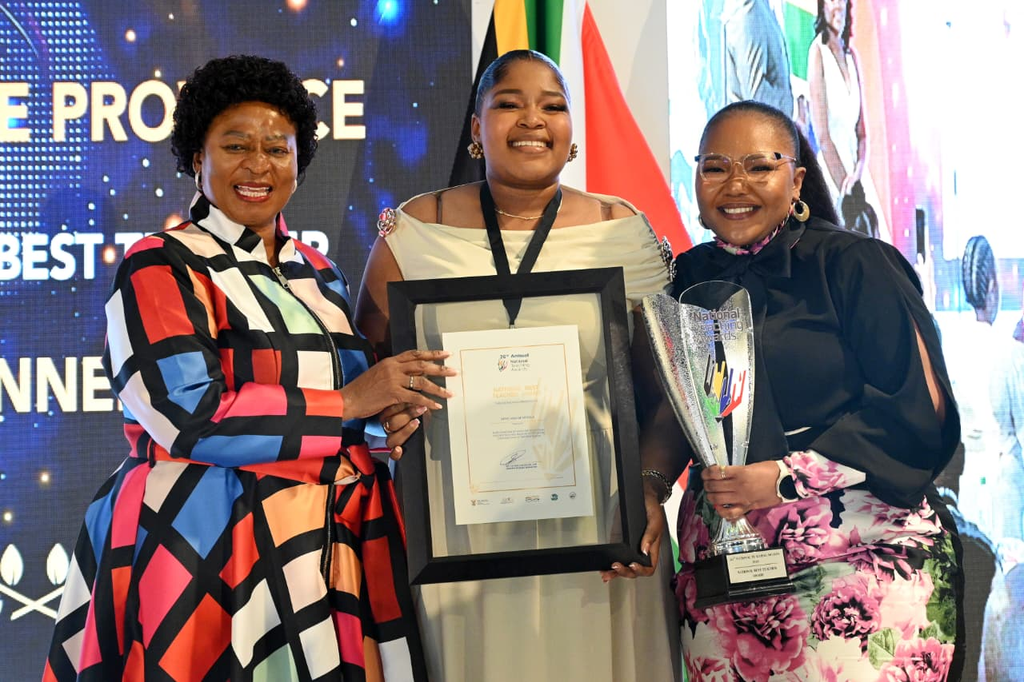
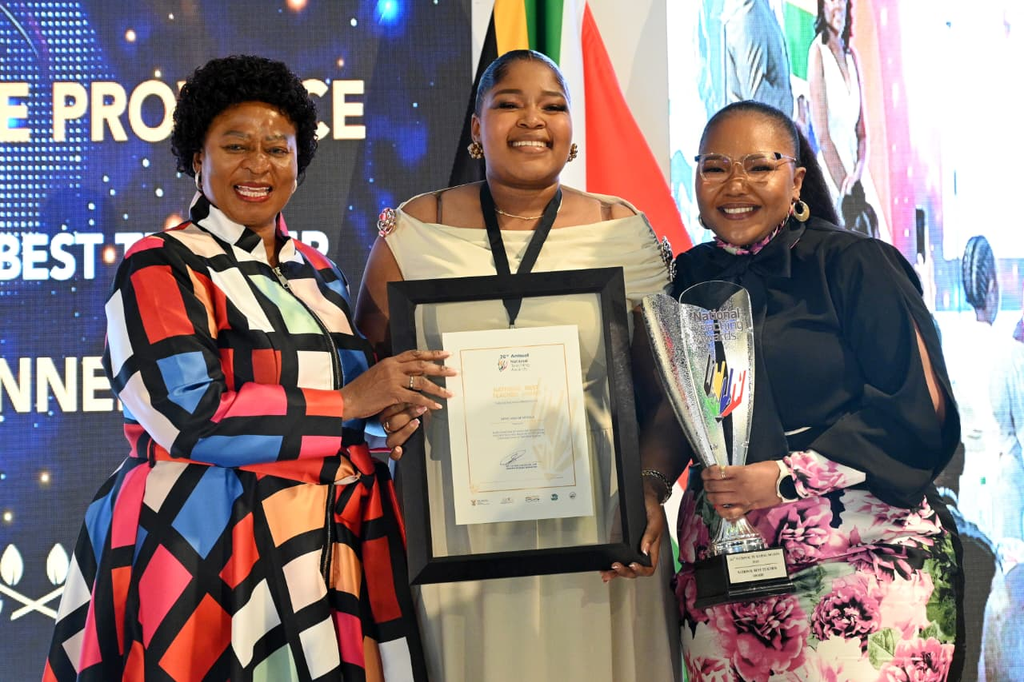
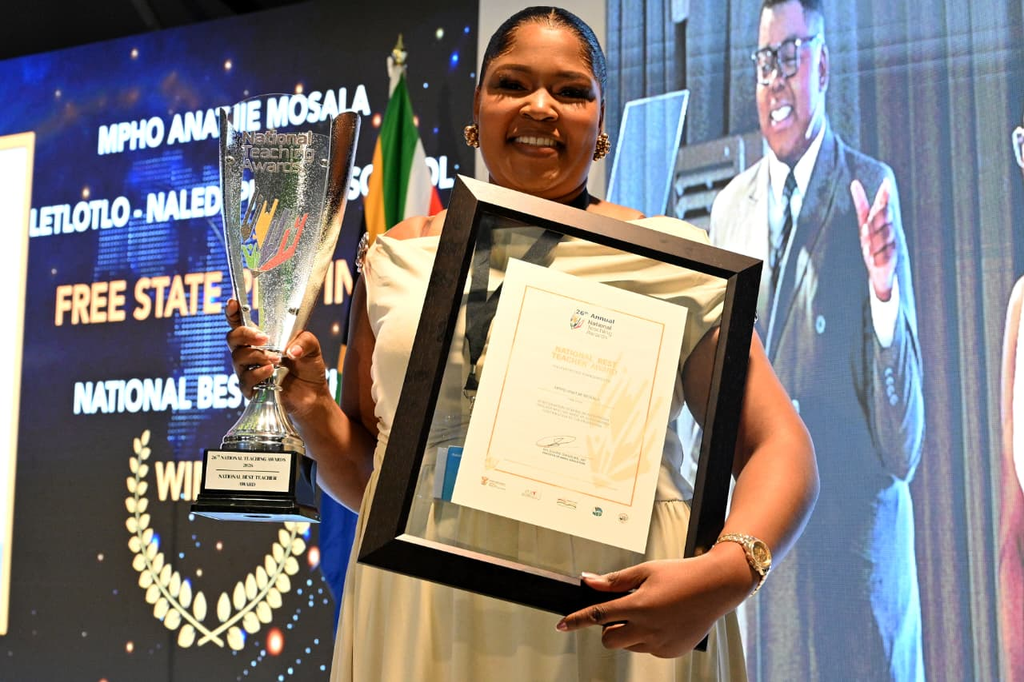
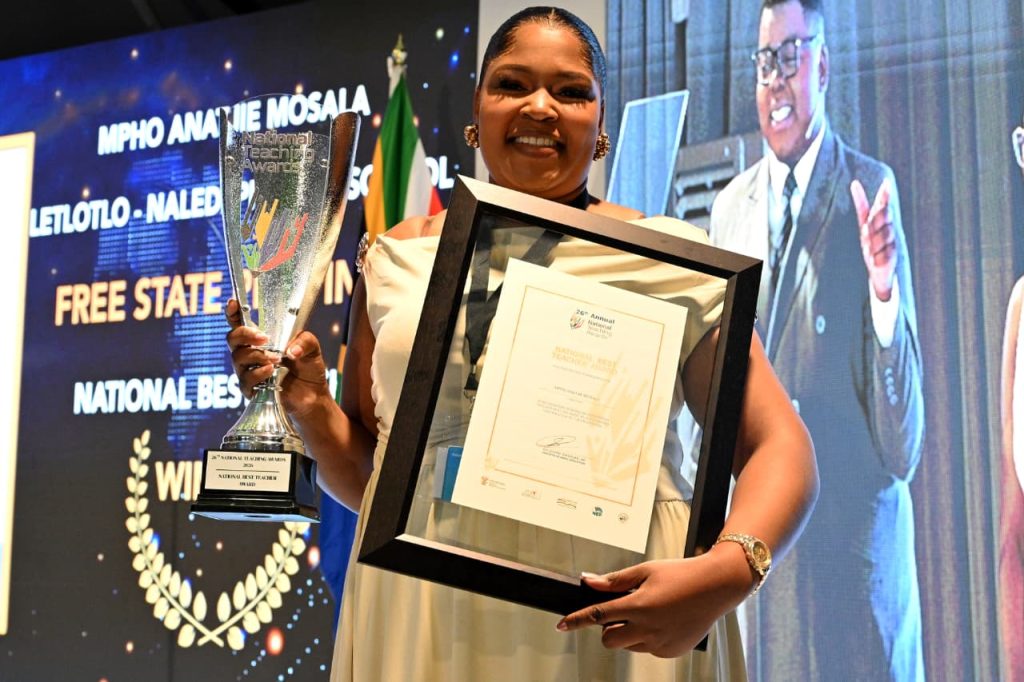
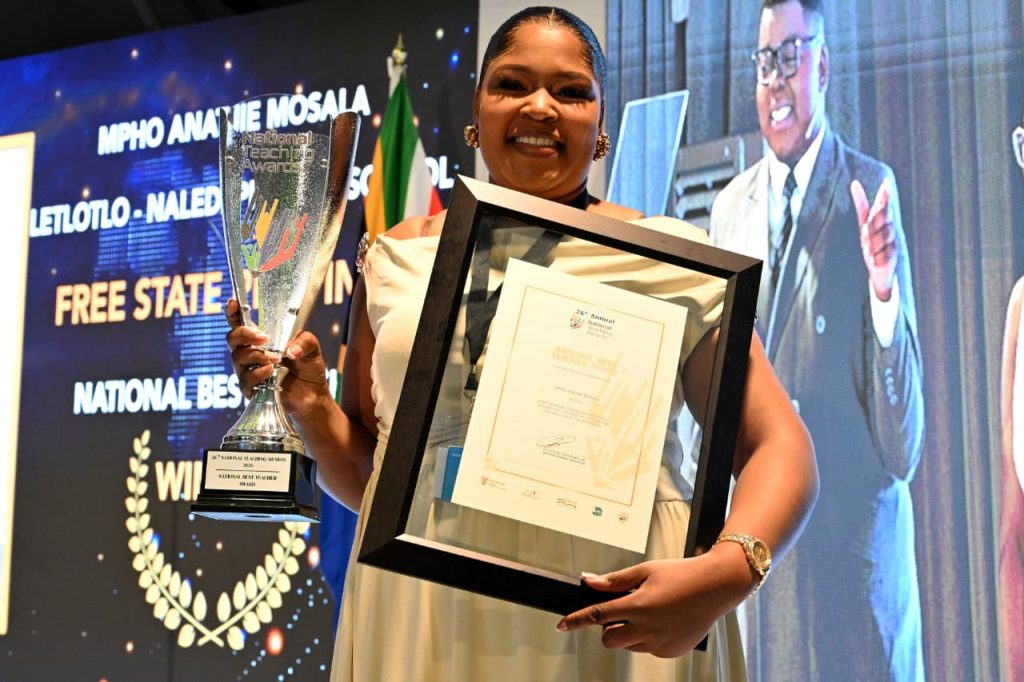
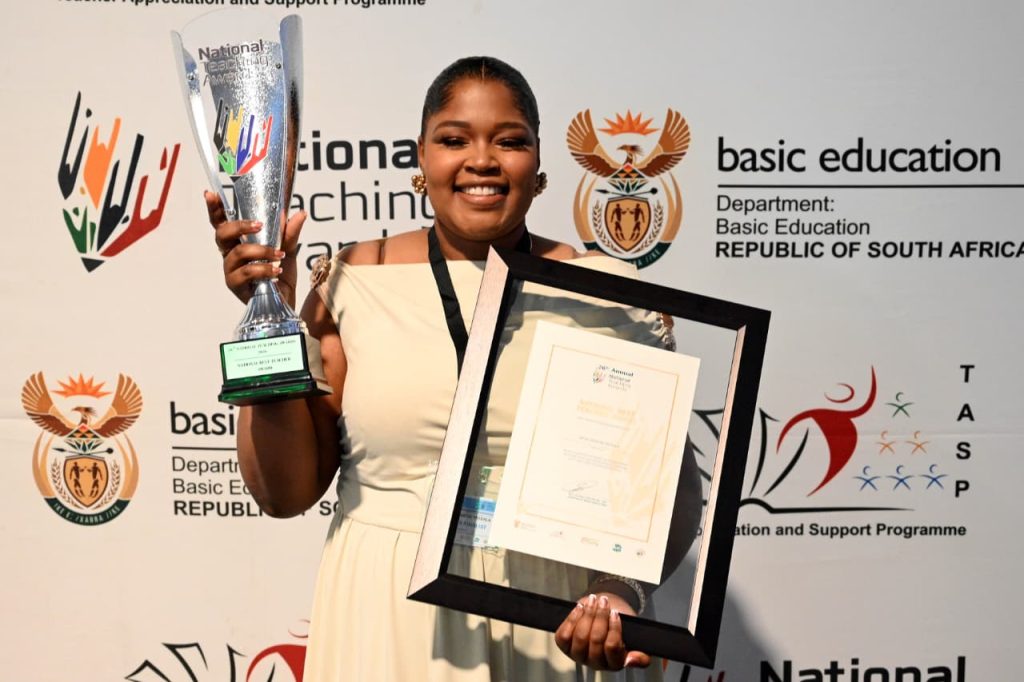
A Free State teacher from Letlotlo Naledi Primary School, Mpho Anatjie Mosala, has been named South Africa’s National Best Teacher at the 26th National Teaching Awards.
Mosala was recognised for her commitment to literacy and supporting learners beyond the classroom.
She was among more than 133 teachers who participated in the national adjudication process before being recognised at the awards ceremony hosted by the Department of Basic Education (DBE) at the Birchwood Hotel and OR Tambo Conference Centre in Benoni, Gauteng, on Thursday.
The National Teaching Awards are the department’s flagship platform for recognising educators whose dedication, innovation and leadership contribute to teaching and learning across the country.
This year’s awards were held under the theme, “Uniting for Excellence: Elevating Achievement, Empowering Educators to Shape South Africa’s Future.”
Speaking about her achievement, Mosala said her approach to teaching extended beyond the classroom, with a particular focus on understanding learners’ backgrounds and strengthening literacy from an early age.
“I’m a teacher that believes in supporting learners beyond the classroom and also understanding the background of my learners,” Mosala said.
“Most importantly, I am a language teacher. I believe in making sure that my learners know how to read for comprehension, and I also encourage early literacy in schools, neighbouring schools and in ECDs.”
Teachers from across the country were also recognised in categories covering school leadership, inclusive education, mathematics, science, Grade R teaching, primary and secondary school teaching and technology-enhanced learning.
The awards also recognised teachers whose work demonstrates the importance of strong foundations in literacy, numeracy and learner development.
In the Excellence in Secondary School Teaching category, Samukelisiwe Melody Msibi from Phendukani Full Service High School in KwaZulu-Natal took first position. Nokuthula Claudia Zulu from Prudens Secondary School in Gauteng was second, while Zininzi Ncwama from Monchusi Secondary School in North West took third.
In Excellence in Teaching Mathematics (GET), Fulufhedzani Zwivhuya Mulaudzi from Danel Mubvu Primary School in Limpopo took first position, followed by Winnie Sithembiso Mashabz from Laerskool Mooifontein in Gauteng and Thabo Ivirn Mazibuko from Makause Combined School in Mpumalanga.
Abiud Prosper Baloyi from Mungwazeni Secondary School in Limpopo was named the top teacher in Excellence in Teaching Physical Science (FET). S’nenhlanhla Nicholus Sibutha from Elangwane Secondary School in Mpumalanga took second position, followed by Sabata Benjamin Hlohlolo from Senakangwedi Secondary School in Mpumalanga.
Hortense Frances Stegmann from Welgemoed Primary School in the Western Cape took first position in Excellence in Technology-Enhanced Teaching and Learning.
Ridwaan Saith from Dr Yusuf Dadoo Primary School in Gauteng was second, while Emanuel Sampodi Tonga from Sihakwaneng Primary School in Mpumalanga took third.
In Excellence in Life Skills (Grade 1-6), Vusi Christopher Maseko from Hlanguphala Primary School in Mpumalanga took first position. Matabane Laura Mmutle from Thabanapitsi Primary School in Limpopo was second, while Mpho Molatlhwa from Pitso Tolo Primary School in North West took third.
Other educators recognised included Duduzile Constance Nkuna of Sekampaneng Primary School in Gauteng, who received the Kader Asmal Lifetime Achievement Award.
Mosimanegape Webster Moepi of Rayogana Primary School in North West received the award for Excellence in Primary School Leadership, while Mthobi Ian Fihla of Phakamisani Primary School in the Western Cape was recognised for Excellence in Inclusive Education Leadership.
Hendrik Jacobus Küchelhoffer of Hoërskool Trio High School in the Free State was recognised for Excellence in Secondary School Leadership.
In Excellence in Grade R Teaching, Danielle Sherilyn Bosch of Koos Sadie Primary School in the Western Cape took the award, while Xolile Gladness Mazibuko of Sipheni Primary School in KwaZulu-Natal was recognised for Excellence in Primary School Teaching.
Toetso Evidance Mmako of Molamo Primary School in Limpopo received the award for Excellence in Teaching Natural Science (GET), while Tshepang Confidence Olifant of Pholoho Special School in the Free State was recognised for Excellence in Inclusive Education Teaching.
Among the highlights of the awards was the Minister’s Special Award, which recognised Grade 6 and 7 teacher Paulos Emmanuel Mthimunye from Khulufunde Primary School in Buhlebesizwe, KwaMhlanga.
Mthimunye was nominated by one of his Grade 7 learners, Appreciate Jiyane, for his contribution and the positive and lasting impact he has had on his learners.
Mthimunye received R20,000, while Jiyane received R15,000.
Delivering the keynote address, Basic Education Minister Siviwe Gwarube said the National Teaching Awards provided an opportunity for the country to recognise educators who give the education system its “human face and its soul”.
“These Awards are an opportunity for the country to pause and recognise the people who give our education system its human face and its soul,” Gwarube said.
She said teachers played a crucial role in helping young people understand their potential, regardless of the circumstances in which they were born.
Gwarube used the example of two hypothetical 10-year-olds, Lindiwe and Nelson, to illustrate inequalities that can emerge before children enter formal schooling.
While Lindiwe had access to early childhood development, reading and other learning opportunities from an early age, Nelson grew up without access to an ECD centre and with limited opportunities to develop literacy and numeracy foundations.
Gwarube said the difference was not about ability, but about the foundations children received.
“The reality is that the majority of South African children are Nelsons and not Lindiwes and that is the great injustice that we, in the basic education sector, must work incredibly hard to correct,” she said.
She said the department’s focus on Strong Foundations for Strong Futures was aimed at addressing these inequalities through early childhood development, Grade R, Foundation Phase literacy and numeracy, teacher development, school safety, inclusion and improved governance.
Gwarube said more than 13,300 ECD centres had been registered over the past year against a target of 10,000, while about 1.2 million children were accessing registered ECD programmes.
The subsidy rate had also increased from R17 to R24 per funded child per day, while the department was implementing an ECD Nutrition Pilot in the Eastern Cape.
She said a R496 million fund had also been established to create ECD spaces in KwaZulu-Natal, Limpopo and the Eastern Cape.
Gwarube said 10,000 Foundation Phase teachers were receiving targeted training in literacy and numeracy this year, while the department was strengthening the National Reading Literacy Strategy.
She also said the department was reviewing the Post Provisioning Norms, which determine how teachers are allocated to schools.
“We want to have more teachers in the Foundation Phase, we want them to be better trained and to be highly skilled,” Gwarube said.
She highlighted the department’s support for Mother Tongue-Based Bilingual Education, saying language could play an important role in improving learning outcomes.
Gwarube also addressed the administrative burden placed on teachers, saying the department was finalising a circular aimed at reducing unnecessary administrative requirements.
“Teachers are not data capturers. Teachers must teach,” she said.
At the same time, Gwarube warned that teachers had a responsibility to protect learners and the teaching profession from abuse.
She said 40 teachers had been found guilty of sexual offences by the South African Council for Educators since January 2026, while fewer than 35% of teachers had submitted themselves for vetting against the National Register for Sex Offenders.
“All teachers must be vetted,” she said.
Gwarube also urged the sector to look beyond matric results when assessing the quality of the education system, saying foundational literacy, numeracy, learner retention and access to subjects such as Mathematics and Physical Sciences were equally important measures.
She said the National Teaching Awards should not only recognise individual excellence but also help spread successful teaching practices across the education system.
“These awards must connect recognition with system improvement,” Gwarube said.
“The purpose of these awards should therefore extend beyond today. An outstanding teacher should become a source of professional knowledge for other teachers. Excellence should travel, knowledge should travel.”
Gwarube thanked the country’s 485,000 educators for their contribution to South Africa’s education system.
She reflected on her own grandmother, who was a teacher, and described teachers as being like candles that consume themselves to light the way for others.
“To all 485,000 teachers, I want to say, on behalf of the people of South Africa, thank you,” Gwarube said.
“Thank you for your professionalism, for your courage and for the sacrifices you make for our learners.
“Thank you for building an education system capable of preparing South African children for the country they will inherit.”
She reminded teachers that while the awards ceremony was a moment to celebrate excellence, their work would continue when they returned to their classrooms.
“Teachers, on Monday, you will return to your schools and the work of building South Africa’s future will continue,” Gwarube said.
“But today, you must celebrate.”
She ended by calling for the work recognised at the National Teaching Awards to extend beyond the ceremony and contribute to stronger foundations for South Africa’s learners.
“May you continue to inspire the profession. May the work recognised today travel far beyond this room. And may our collective efforts continue to build an education system founded on strong foundations of learning,” she said.
Social Development Minister Dina Pule told a two-day Children’s Summit in White River, Mpumalanga, on Thursday that children must be directly involved in shaping policies and recommendations aimed at protecting them from abuse.
The summit, held under the theme Nothing About Children Without Children, brings together government departments, civil society, law-enforcement agencies, development partners, the private sector and child representatives ahead of the Second Global Ministerial Conference on Ending Violence Against Children in Manila on November 18 and 19.
It forms part of the Department of Social Development’s October programme for Social Development Month, held this year under the theme Strengthening Families through Partnerships.
“The Department of Social Development is responsible for children and responsible people with disabilities. Today, we will showcase the work that we do for the vulnerable people that we are responsible for, but we chose to start with the children’s summit,” Pule said.
The summit follows commitments made by South Africa at the First Global Ministerial Conference on Ending Violence Against Children in Bogotá, Colombia, in November 2024.
At that gathering, South Africa committed to seven child-protection breakthroughs to be implemented across the country’s 52 districts.
Pule said the Bogotá discussions had highlighted the need for countries to strengthen measures to prevent and end violence against children.
Online safety is among the issues receiving particular attention as children increasingly use smartphones and digital platforms for communication, education and social interaction.
Pule said the growing use of technology had created an urgent need to consider how children could be protected from abuse in digital spaces.
“We’re trying to check if children are not going to be abused online,” she said. “We know that children have smartphones and they communicate with them.”
The summit is expected to produce child-informed recommendations and strengthen cooperation between sectors involved in child protection, while ensuring that children’s priorities are reflected in renewed commitments and accountability measures.
According to the World Health Organization’s Global Status Report on Preventing Violence Against Children 2020, about one in two children aged two to 17 — roughly one billion children globally — experiences some form of violence each year.
The scale of the problem means preventing violence against children requires coordinated action across government, communities, families, schools, law-enforcement agencies and organisations working with children.
The recommendations developed during the summit will contribute to future policies, programmes and accountability efforts aimed at protecting children from violence in both physical and digital environments.

 : Supplied