Uncategorized

Jansen says postgraduate education needs reset

Staff Reporter

South African universities need to recover the intellectual purpose of postgraduate education, resist xenophobia in the academy and improve the quality of supervision, Professor Jonathan Jansen said at a national higher education colloquium this month.

Jansen, a distinguished professor of education at Stellenbosch University, made the remarks while delivering the keynote address at the third Enabling Quality Postgraduate Education colloquium, held in Gauteng on March 16 and 17.

The colloquium brought together academics, postgraduate supervisors, and higher education specialists to examine how to strengthen research culture and postgraduate training across the country.

Jansen opened with a warning about the impact of anti-foreign rhetoric on universities, saying academic life depended on the free movement of scholars and ideas.

“I never thought the day would come when I would see my government issuing blatantly xenophobic statements about foreign nationals who teach and do research on our campuses,” he said.

“Xenophobia has no place, whether on the streets or in the halls of the academy,” he added.

He said universities could not treat knowledge production as a closed national project. “None of us has developed knowledge in isolation from people in other countries,” he said, adding that South African institutions had to remain open to intellectual exchange across borders.

Jansen’s remarks came after Parliament in February questioned universities and TVET colleges over their employment of foreign academics, warning institutions not to use “internationalisation” as a pretext to sidestep immigration and labour laws.

The higher education and home affairs committees said foreign appointments had to match genuine scarce-skills needs and “must not disadvantage South Africans”, while committee chair Tebogo Letsie said institutions had to show why foreign academics were needed and comply fully with the law.

In March, the Department of Higher Education and Training was ordered to submit a detailed list of foreign academics employed at universities and colleges, amid fallout from an SIU probe into corruption in visa and permit processing.

Higher Education Minister Buti Manamela adopted a more qualified stance than some MPs, saying South Africans “must be prioritised in employment opportunities” and that internationalisation was “not a loophole to bypass local employment”.

But he also said foreign nationals made up about 12% of permanent academic staff at public universities and that there was “no evidence of systematic displacement of South Africans in permanent academic posts”.

At the colloquium, Jansen then turned to what he said was a more basic question: what postgraduate education is actually for.

He said universities too often fall back on narrow, instrumental answers linked to labour market needs, research methods, and professional preparation, while neglecting deeper intellectual goals.

Distortion of priorities

He warned that financial pressure was distorting academic priorities. “In real terms, government spending on higher education has steadily declined,” he said. “Departments, therefore, feel pressure to produce more master’s and doctoral students simply to sustain themselves.”

That pressure, he said, could erode standards. “At its worst,” Jansen said, “the entire process of postgraduate education has been corrupted in a relentless quest to maximise income and research outputs.”

He was highly critical of practices he said undermined academic integrity. “Do not claim authorship on your students’ work,” he said. “You are paid to supervise that student. It is the student’s work.”

He also condemned “salami slicing”, where one study is broken into several smaller papers, saying: “You take a small piece of research, and you churn it into several mediocre articles. That is not scholarship. That is gaming the system.”

Jansen said the purpose of postgraduate study should be broader than getting students over the line. “The purpose of postgraduate education is to cultivate the intellectual mind,” he said. “It should produce students who can think deeply within and beyond the confines of their field.”

He also challenged the traditional one-on-one supervision model. “No one supervisor, unless you are extremely arrogant, has the depth and the range of knowledge to educate the postgraduate student fully,” he said, calling instead for cohort-based models that expose students to wider intellectual communities.

The colloquium, held under the theme “Enhancing the Knowledge Project”, was the last in a three-part EQPE series led by Professor Sioux McKenna of Rhodes University with funding from the Department of Higher Education and Training.

It was implemented with the Community of Practice for Postgraduate Education and Scholarship, led by Professor Stephanie Burton of the University of Pretoria.

INSIDE EDUCATION
Uncategorized

eThekwini, DUT students rally against GBVF in awareness hike

Staff Reporter

eThekwini Municipality and activist group Mzansi Act Now led a four-kilometre awareness hike on Saturday with 50 female Durban University of Technology students in a campaign against gender-based violence and femicide.

The initiative, led through the municipality’s Community Services Committee, aimed to educate and empower young women while linking physical activity to advocacy, awareness and healing, the city said in a statement.

The municipality said the session focused “not only on physical wellness, but also on promoting healing as a critical component of long-term solutions to gender-based violence”.

“We are excited to be partnering with Mzansi Act Now and various stakeholders in delivering youth development programmes where participants can grow, support one another, and learn together,” Community Services Committee Chairperson Councillor Zama Sokhabase said.

The city said the hike formed part of efforts to address gender-based violence through partnerships, strategic planning and educational programmes that encourage open dialogue.

According to the 2022 National GBV Study by the Human Sciences Research Council, more than 35% of South African women aged 18 and older have experienced physical or sexual violence in their lifetime.

The municipality said the hike marked its first monthly collaboration of the year.

“The Committee will table and discuss ways to strengthen this partnership and engage more Municipal Directorates to extend the programme’s reach to more universities, and both male and female students,” Sokhabase said.

Mzansi Act Now — a movement founded by South African men to combat GBVFA, champion youth and female development, and promote men’s health and wellness — welcomed the partnership.

The organisation said no individual, regardless of gender, should experience gender-based violence.

INSIDE EDUCATION

Uncategorized

Chiloane wants stronger school sports drive to grow Gauteng talent

Lebone Rodah Mosima

Gauteng MEC for Education, Sport, Arts, Culture and Recreation Matome Chiloane used the Gauteng Sport Indaba in Boksburg this week to call for wider school sport participation, stronger talent pathways and more investment in township facilities.

Speaking at the indaba, Chiloane said Gauteng needed a more integrated approach to sport from school level upward.

“This Indaba anchors a clear vision, which is a seamless, integrated, and lifelong pathway for every citizen,” Chiloane said.

“This vision requires data-driven decision-making, strong governance, inclusive facility planning, and a united focus on literacy, equity, and building a business case for funding sports and recreation in the province.”

He said too many pupils were falling out of organised sport because schools remained heavily concentrated around a narrow set of codes.

“We might be losing some of our kids because we expect them to perform in football or netball as a form of recreation. So if they are not in the school team for either sport, they are out, and in this way we miss the talent,” he said.

The call aligns with national school sport resolutions adopted in 2023, which urged closer implementation between the sport and basic education departments, stronger monitoring, educator-led school sport, formal training programmes, and the introduction of Physical Education as a stand-alone subject.

Chiloane said access to sport also had to be widened in poorer communities.

“Our former Model-C schools have facilities that just need upgrading — but in our townships, that’s where investments must be focused, so we can get these learners involved,” he stated.

Gauteng supported 208 school leagues with 13,617 participants in the 2024/25 financial year and provided equipment and attire to 409 non-fee-paying schools, with soccer, netball, volleyball, and chess emerging as the most popular school league codes.

Chiloane said earlier talent identification could help Gauteng produce more top-level athletes over time.

“If we start now, in schools, identifying their talent, it gives us around 10 years to prepare for those Olympics,” he said.

“We still have time. So let’s be the first in Gauteng to get ready on the streets and set the scene for the Olympics to come.”

He also said sport spending was a broader social and economic investment, a theme echoed in official messaging around the indaba, which brought together government, federations and private-sector stakeholders to discuss the future of Gauteng’s sport system.

“Let this Indaba be a place where we build a house that is truly the foundation of champions and an economic hub for sports and recreation in the country and the province — a place for every citizen to enjoy their rights, participate, belong, excel, and thrive from cradle to the grave.”

The indaba came just over a week after Chiloane launched Vorentoe Sports School of Specialisation in Johannesburg, which the provincial government said was Gauteng’s 38th School of Specialisation.

INSIDE EDUCATION

Uncategorized

Court clears way for KZN’s controversial R2.5bn school nutrition programme

Staff Reporter

The KwaZulu-Natal education department will press on with its R2.5 billion school nutrition programme after the Pietermaritzburg High Court struck off the roll an urgent bid by service providers to halt the awarding of contracts.

The programme provides meals to about 2.5 million learners a day in KwaZulu-Natal.

The court ruled in its favour on Friday and ordered the applicants to pay costs, allowing the programme to continue, while any remaining administrative and operational issues are dealt with through due process.

“This outcome means the Department can continue implementing the programme without disruption, while allowing space for due process to be followed in addressing any outstanding administrative or operational matters,” the department said in a statement.

The urgent application was brought by a group of service providers seeking to interdict the tender rollout. They argued that if the department were allowed to proceed with appeals currently pending with the provincial treasury, unsuccessful bidders would be prejudiced and left without recourse.

In their court papers, the applicants also raised allegations of corruption and irregularities in the tender process. These included claims involving a company linked to the mother of Education MEC Sipho Hlomuka, companies allegedly tied to politically connected individuals, and assertions that some firms were registered after the tender closed but still received contracts.

The department, in a replying affidavit by its director for nutrition, Thanduxolo Cele, said the application was flawed because it sought to stop the entire process, including clusters where there were no disputes.

Following Friday’s ruling, the department sought to reassure schools and families that the feeding scheme would continue uninterrupted.

“We must reassure all stakeholders — learners, parents, and schools — that working together with committed service providers, the School Nutrition Programme remains fully operational across the province,” the statement said.

“We remain firmly committed to ensuring that there are no interruptions to the programme and learners continue to receive nutritious meals daily.”

The department said there were “ongoing constructive engagements with all stakeholders” to ensure the programme functioned optimally and that it was already taking steps to tighten monitoring, improve procurement and payment efficiency, ensure accountability, and make sure service providers were paid on time.

“While the matter has been struck off the roll, our priority remains unchanged—ensuring that no learner goes hungry. We will continue to strengthen the implementation of the School Nutrition Programme and address any challenges with urgency and transparency,” Hlomuka said.

The department said it remained committed to adhering to procurement rules and regulations in delivering the programme as a vital support to teaching and learning.

INSIDE EDUCATION

NSRI, Scouts roll out water safety, skills programme for youth
Uncategorized

NSRI, Scouts roll out water safety, skills programme for youth

By Charmaine Ndlela

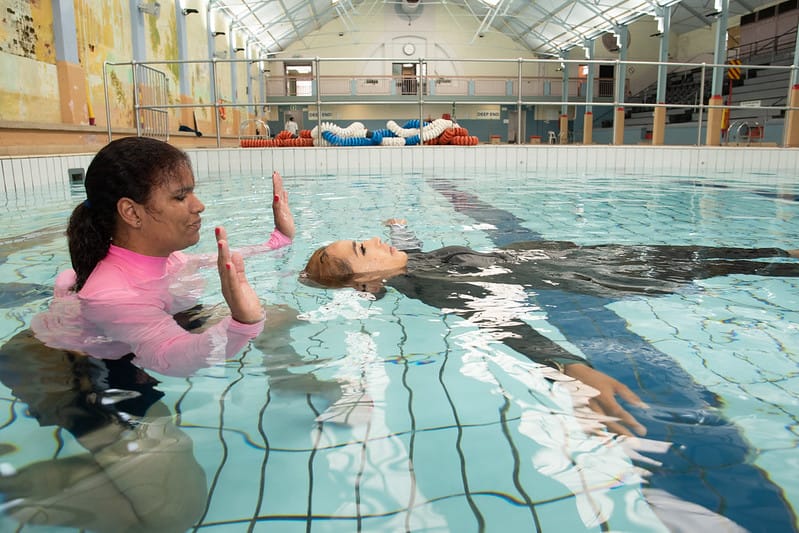
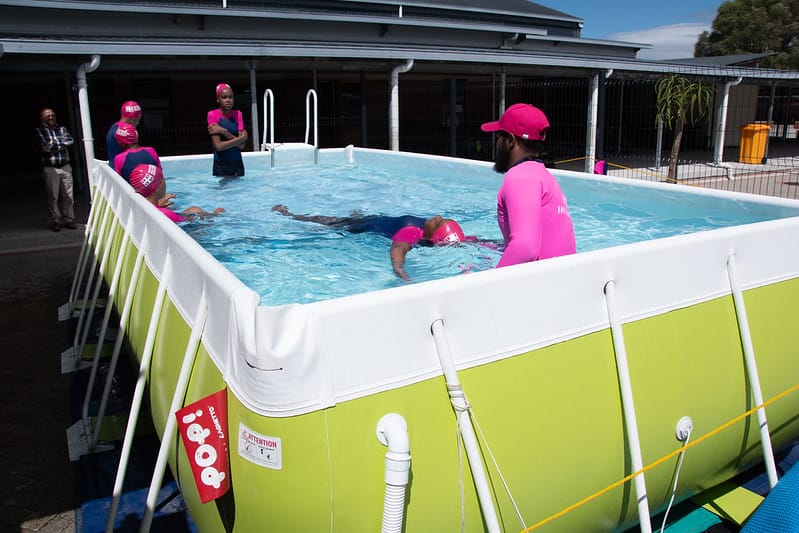
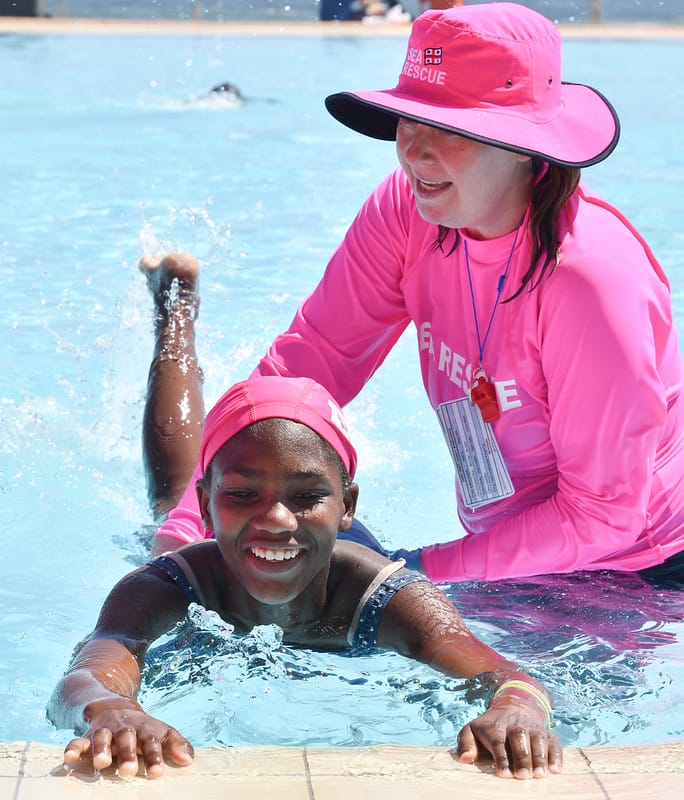
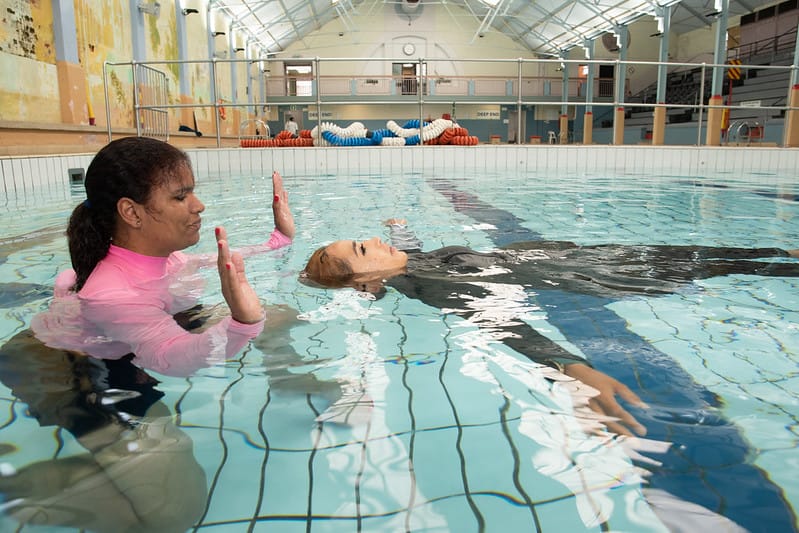
The National Sea Rescue Institute (NSRI) and SCOUTS South Africa Western Cape Region have launched a youth development programme that tackles high drowning rates in vulnerable communities, while opening doors to volunteering and lifeguarding roles for youth.

“The partnership addresses two linked challenges — high drowning rates in vulnerable communities and limited access to opportunities for young people who are not in employment, education or training,” NSRI Communications Manager Andrew Ingram told Inside Education.

ALSO READ: SA takes first place at African Spelling Bee, world champs up next

“Many of these communities lack basic water safety knowledge and swimming skills, while young people also lack clear pathways into meaningful work or volunteering. This programme tackles both by combining drowning prevention with skills development and career pathways.”

The initiative, which started in February and will run until December, focuses on water safety, survival swimming and long-term skills development.

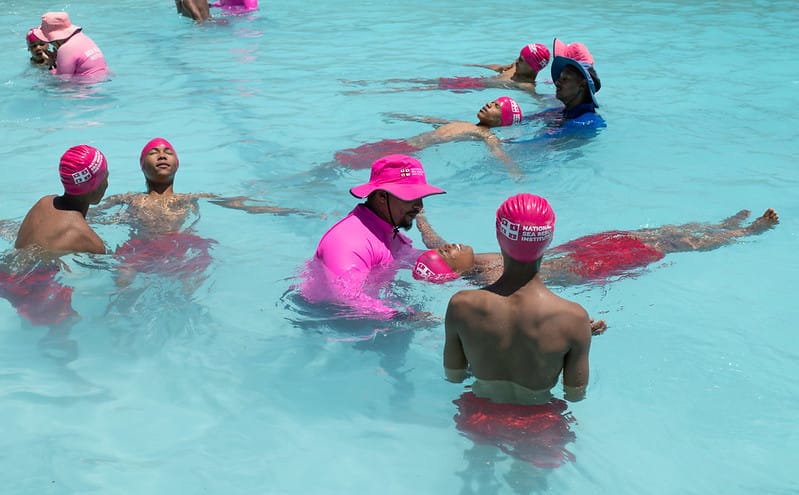
It was introduced during the Western Cape Scouting-in-Schools leadership training camp at the Hawequas Scout Adventure Centre in Wellington, where about 335 volunteer Scout leaders took part in water safety education and survival swimming exercises.

The programme is being delivered in partnership with the Scouting-in-Schools initiative, which focuses on young people not in employment, education or training.

ALSO READ: Schoolgirl fight sparks probe into violence at township school

NSRI Honorary Life Governor Keith Burchell said the initiative was designed to create a route for young people into the organisation.

“We wanted to create a pathway for young people to come into the NSRI whether as volunteers, lifeguards or even future crew. What we are seeing now is that pathway coming to life,” he said.

Project Manager Tasmin Kriel said the programme was about opening doors for young people while also benefiting communities.

“This is about exposing young people to opportunities they’ve never had before. It creates a journey from learning to swim, to volunteering, and potentially to a career in lifeguarding,” she said.

The programme also aims to build community capacity by equipping participants with skills they can pass on to others.

“Young people are trained in water safety and survival swimming, and then equipped to take that knowledge back into their own communities,” Ingram said.

“This means more people learning how to float, stay calm, and avoid dangerous situations in the water, all of which are proven to reduce drowning risk.”

Ingram said the initiative was designed as a long-term intervention rather than a once-off project, with participants moving through successive stages of training.

ALSO READ: North West education targets R24m in staff debt

“Participants move from basic exposure to water safety, to survival swimming, to instructing, and potentially into lifeguarding and NSRI volunteer roles,” he said.

He said the programme starts with an introduction to water safety and survival swimming, followed by efforts to build basic swimming ability and work towards required distances.

“From there, participants can progress into training as survival swimming or water safety instructors, gain practical experience in their communities, and ultimately move into formal lifeguard training,” he said.

“This creates a clear, step-by-step journey from beginner to professional capability.”

More than half of participants who initially identified as non-swimmers reported gaining confidence in the water after just one session.

Participants were not externally selected. After the initial training, they chose voluntarily to continue.

The next phase will see 192 volunteers continue their development, including delivering water safety presentations in schools and working towards instructor and lifeguard qualifications.

INSIDE EDUCATION

Limpopo hands over new Baphuting community library
Uncategorized

Limpopo hands over new Baphuting community library

By Levy Masiteng 

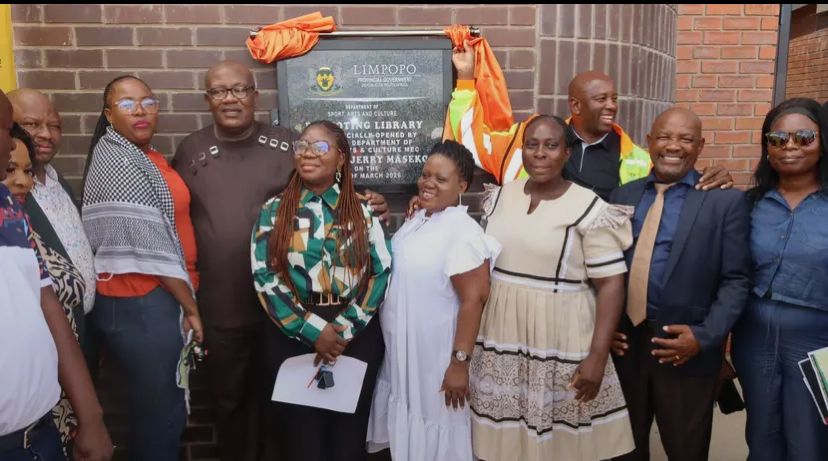
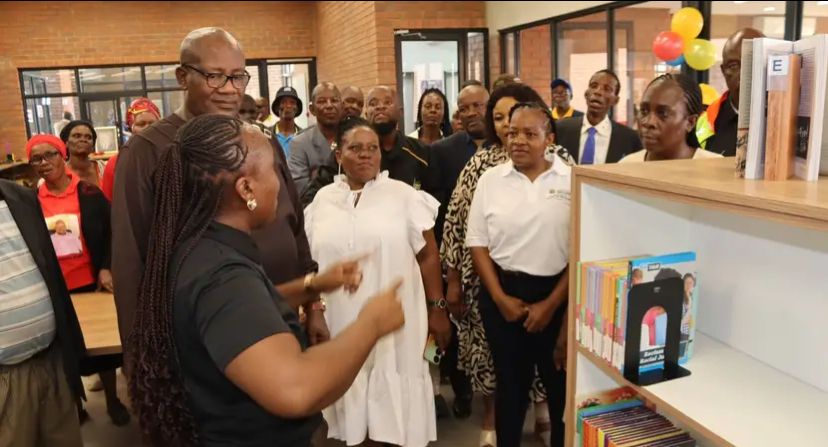
The Limpopo Department of Sport, Arts and Culture has officially handed over the Baphuting Community Library under the Seleka Tribal Authority,  marking a boost for access to information in the area.

The opening of the new facility drew residents from Ga Seleka and surrounding villages, as well as traditional leaders and local government officials.

ALSO READ: SA takes first place at African Spelling Bee, world champs up next

The multimillion-rand library is equipped with a computer lab offering free internet access, a collection of fiction, non-fiction and reference books, dedicated reading room, and a fully resourced children’s section with educational toys to support early childhood development.

The department said that a qualified librarian had also been appointed.

During the ceremony, the department handed over sporting equipment as part of its drive to promote community sport.

Addressing the community, Limpopo Sport, Arts and Culture MEC Jerry Maseko emphasised the importance of safeguarding the facility and ensuring it benefits residents.

“This library belongs to the people of Ga Seleka. It must be protected, it must be used, and it must be accessible to every member of this community,” he said.

ALSO READ: Universities start autumn graduation season

He added that the appointment of a qualified librarian would ensure the centre delivers “services of an international standard and makes a meaningful impact in people’s lives”.

The department said the construction of facilities such as the Baphuting Community Library forms part of a strategy to bridge the digital divide and expand access to knowledge in historically disadvantaged communities.

“This is not just a building; it is an investment in education, access to information and the future of this community,” Maseko said.

INSIDE EDUCATION

SA takes first place at African Spelling Bee, world champs up next
Uncategorized

SA takes first place at African Spelling Bee, world champs up next

By Lebone Rodah Mosima 

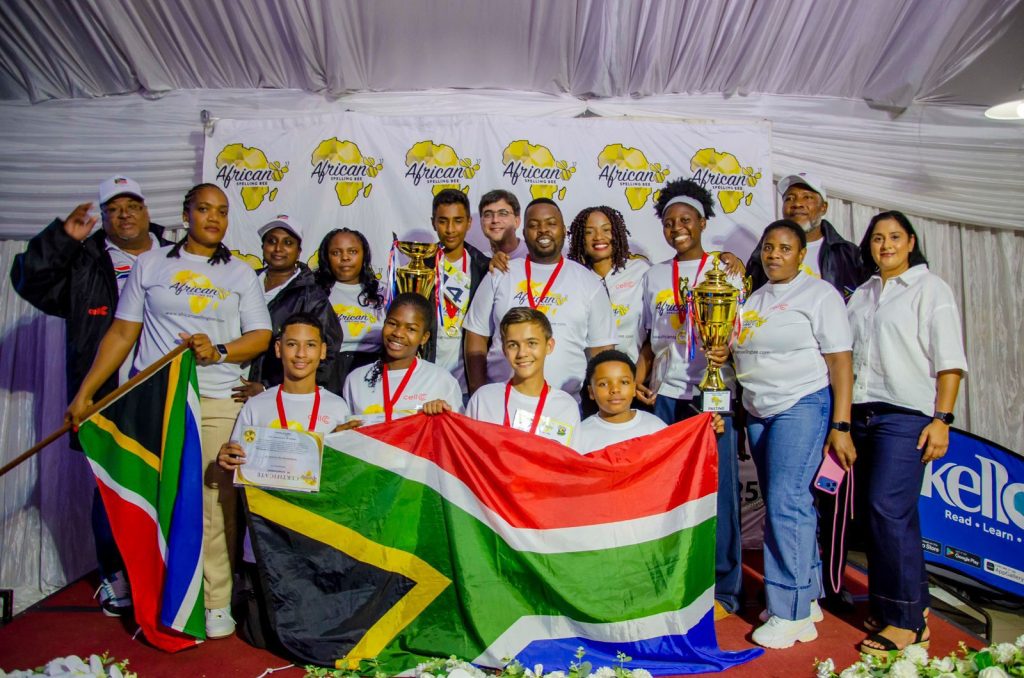
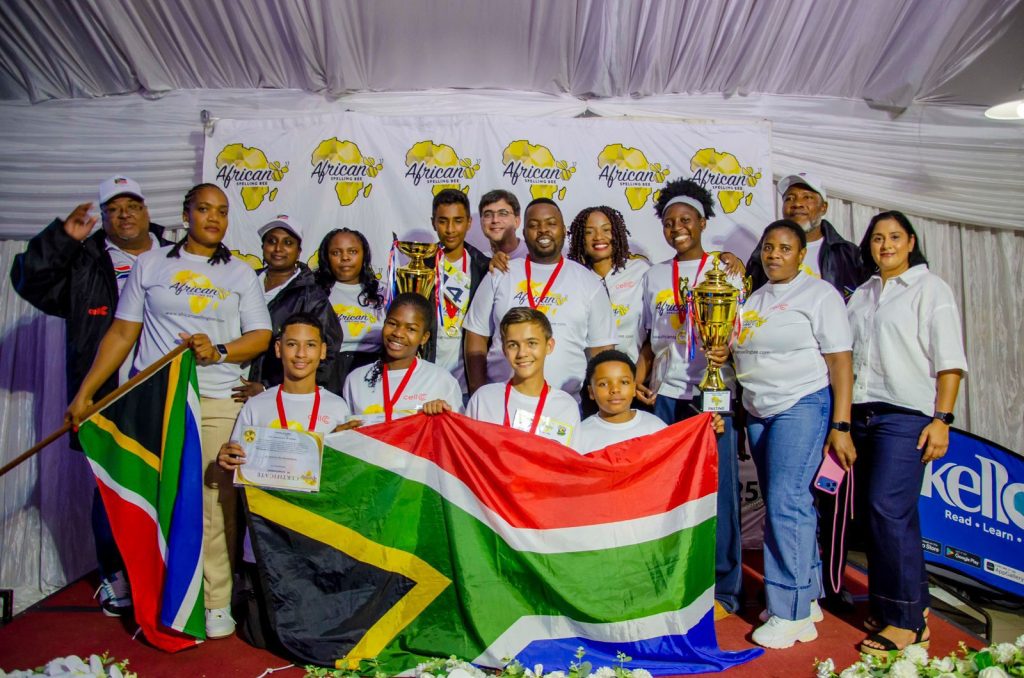
South Africa topped the team standings at the 8th African Spelling Bee, beating Nigeria into second place and Zimbabwe into third, while KwaZulu-Natal’s Ashton Singh finished runner-up in the junior division of the continental literacy competition.

The result marked another strong continental showing for Team South Africa at a championship that brought together national spellers from across Africa in Zimbabwe this week.

In the junior division, Nigeria’s Oluwadamilola Adeolu took first place, followed by Ashton Singh of KwaZulu-Natal in second, and Nigeria’s Abdurrahman Yusuf in third.

In the senior division, Rwanda’s Daniel O. Adesiyan won, with Zimbabwe’s Bree Kambasha second and Malawi’s Nicole Manguluti third.

Contestants were tested on words drawn not only from English but also from 21 African languages, in line with the competition’s aim of being “a truly African spelling bee, rather than simply an English spelling bee in Africa”.

Words such as griot, Moshoeshoe and Ouidah tested competitors on spelling, pronunciation and African cultural knowledge, the event organisers said.

ALSO READ: Committee seeks legal opinion after grilling Gwarube on DBE posts

The African Spelling Bee was founded in 2016 by 10 spelling bee organisations from across the continent. It markets itself as a pan-African literacy and education initiative focused on academic excellence, linguistic diversity and cultural exchange.

South Africa’s participation was supported by the Department of Basic Education, which runs its own national spelling bee as part of its literacy programme for schools.

“We are deeply grateful to the Department of Basic Education for their continued partnership and commitment to advancing literacy through the Spelling Bee programme,” Roger Dickinson, chief executive of the South African Spelling Bee, said.

Musa Zulu, assistant director in the Reading Directorate, said the team had impressed both in performance and conduct.

ALSO READ: Schoolgirl fight sparks probe into violence at township school

“I am very proud of the team, not only for how they performed on stage, but for how they represented South Africa. They were a true reflection of our excellence and diversity as a nation,” he said.

Dickinson said the result was a stepping stone to the next international stage.

“This is not the end of the journey for this team. The next step is to represent South Africa at the World Spelling Bee Championships, set to take place in Shanghai, China, in mid-July 2026,” he said.

INSIDE EDUCATION

Uncategorized

Committee seeks legal opinion after grilling Gwarube on DBE posts

By Charmaine Ndlela

The Portfolio Committee on Basic Education will seek legal advice after questioning Minister Siviwe Gwarube and the department over alleged irregularities in two senior appointments.

Committee chairperson Joy Maimela said this week that members remained unconvinced by the explanations provided by the minister and the department, particularly over the decision to recommend the second-ranked candidate instead of the top-performing applicant in the Deputy Director General (DDG) post.  

ALSO READ: Schoolgirl fight sparks probe into violence at township school

“We were told that the Minister has the authority to do so. However, how is it procedurally fair that the highest-scoring candidate — who also performed best in the assessment — is overlooked simply because such discretion exists? Where is the fairness in the process?” she asked.

The posts were advertised in November 2024 and interviews were held on 5 May 2025.

The committee heard allegations that Gwarube had unduly influenced the DDG appointment process by recommending the second-best performing candidate to Cabinet instead of the top candidate, and that the recommended candidate had been linked to cadre deployment claims.

The committee was told that the leading candidate had ranked highest in both the interview and competency assessment, but that the selection panel’s recommendation was not upheld after the assessment phase.

ALSO READ: North West education targets R24m in staff debt

In response, Gwarube said she had acted within her executive responsibilities to ensure proper process rather than interfere in it.

She maintained that her recommendation was based on interview performance and overall suitability, and denied any prior knowledge of or relationship with the recommended candidate, including any awareness of the individual’s political affiliations.

“I want to state on the record that…I have never met the individual that I have recommended. I have never heard of her before they applied. I don’t know this individual and I have never interacted with them.” Gwarube said. “The only knowledge I have of this person is what I saw on paper, and when this person came for the interview.”

The committee also dealt with the appointment process for the Chief Director: Communications post.

ALSO READ: Mhlauli encourages ‘curiosity’ at Vredenburg digital library handover

It heard allegations that a former chief of staff in the minister’s office had submitted two CVs directly to the human resources unit even though the applicants had not followed the prescribed application process.

It said HR had also been instructed to provide both an A-list of all applicants and a B-list of qualifying candidates. The former chief of staff had since resigned.

Tensions flared over the department’s failure to provide documents requested ahead of the meeting.

Maimela said the omission was unacceptable and undermined Parliament’s work. “We formally wrote to the Minister and the department requesting specific documents in preparation for today’s engagement. These were not provided, nor were reasons given for this failure. This is unacceptable and undermines the work of the committee,” she said.

Committee member Sedukanelo Louw said the committee had been hamstrung in preparing its questioning. “We are looking for documents with regards to our parliamentary privilege. We are, however, covered by the law to do oversight on any matter. Failure for us not to receive documentation is deliberate, since it’s not for the first time. We wanted documentation as to how we can align our line of questioning,” he said.

Other members also raised concerns.

Siphetho Mkhize accused the department of “unresponsiveness, blame shifting and scapegoating”, while Mandla Shiwkambana asked who had taken the decision to withhold the requested documents. Ciska Jordaan supported a proposal that future presentations should be accompanied by a letter explaining what documents could be shared and why others were unavailable.

Maimela said the committee would continue with its oversight work despite any pending executive processes.

“We understand and respect that some matters may still be subject to Cabinet processes. However, pending processes do not absolve the department from accountability to Parliament. The committee will continue to interrogate the processes followed and the governance implications arising from these matters,” she said.

ALSO READ: culture’ choking Services SETA, Gauteng launches specialised sports school, and more

The committee resolved to seek legal advice on how best to proceed.

The Democratic Alliance, in which Gwarube is a senior member, has backed the minister.

In a statement issued by DA deputy spokesperson on basic education Ciska Jordaan, the party said the department’s chief director for human resources had confirmed that the minister “did not interfere in the recruitment process under discussion”.

The DA said the minister’s actions were “consistent with her legal responsibilities as Executive Authority, including ensuring that recruitment processes are lawful, fair, and based on merit”.

It also cautioned against “unverified claims” and a narrative built on “insinuation rather than evidence”.

INSIDE EDUCATION

Uncategorized

North West education targets R24m in staff debt

By Lebone Mosima

The North West Department of Education says it has identified about R24 million for recovery in 2,128 staff debt cases, as it tries to recoup salary overpayments made to former employees.

The department said on Wednesday that it had made progress over the past three years in tracing affected employees and requiring them to sign Acknowledgement of Debt forms to facilitate repayment.

ALSO READ: Mhlauli encourages ‘curiosity’ at Vredenburg digital library handover

It said in a statement that the debt had accumulated since 2003, largely because of manual processes used to submit termination documents from district offices. “Many of these areas are remote and rural, which has caused delays in submitting critical documentation”.

“As a result, some employees continued to receive salary payments after their termination, leading to overpayments.”

The department said salaries are processed in advance around the 15th or 24th of each month, increasing the risk of overpayments when exits are not captured in time.

It also rejected allegations that “ghost workers” were involved.

“These cases do not involve ghost employees; all affected individuals were legitimately employed by the department,” the department said.

The Public Servants Association (PSA) said last week that the matter was actually about a “R100 million ghost-employee payroll scandal”.

It rejected the department’s attempt to explain it away as “isolated incidents” linked to manual system limitations. The union said the department’s account was “misleading” and that the losses pointed to a “systemic governance failure”.

ALSO READ: Two Gauteng learners killed in separate stabbings

The PSA said Auditor-General findings under Material Irregularity 01 of 2022/23 showed the department had recorded staff debts of more than R100 million, including salaries paid to employees who had resigned, retired or died, but had not been removed from the payroll in time.

It said this reflected failures in financial controls, human resources verification and executive oversight. Routine audits and reconciliations should have detected the problem earlier, it said.  

The union said improved systems alone would not be enough without accountability, and called for a forensic investigation into the payments.

It said the head of department and chief financial officer should vacate their positions immediately and that implicated officials should be suspended pending the outcome of a full probe.

ALSO READ: Universities start autumn graduation season

But North West Education MEC Viola Motsumi said in Wednesday’s statement that the department had introduced measures to address the causes of the problem, including an electronic system known as Salary Attendance Leave and Termination.

“This system has significantly reduced salary overpayments linked to delayed terminations. It updates Human Resources in real time and sends email notifications when an employee exits, enabling immediate processing on PERSAL,” she said.

“The department has also trained officials on the system to ensure its effective use. Since its implementation, there has been a noticeable reduction in staff debt.”

Motsumi said investigations into the causes of the problem and the implementation of consequence management were continuing.

“To date, 24 disciplinary letters and 64 warning letters have been issued.”

INSIDE EDUCATION

Uncategorized

Schoolgirl fight sparks probe into violence at township school

By Lebone Rodah Mosima 

A violent fight between two female learners in Bilanyoni township has prompted a KwaZulu-Natal education department investigation after footage spread online and allegations emerged that some community members encouraged the brawl.

The pupils are reported to be from Kanyekanye High School and Kwasa High School, near Vryheid in northern KwaZulu-Natal. The altercation, filmed in full view of other learners and community members, circulated widely on social media and drew condemnation from the education department.  

ALSO READ: North West education targets R24m in staff debt

KwaZulu-Natal MEC for Education Sipho Hlomuka said the department was also concerned by allegations that some community members had not only watched the violence but in some cases incited it.

“Schools must remain safe havens for teaching and learning. We cannot allow a culture of violence to take root within our communities and spill over into our schools. Those who incite or participate in such acts are failing our children and must be held accountable,” Hlomuka said.

ALSO READ: Two Gauteng learners killed in separate stabbings

The department said it was working with both schools to investigate the circumstances of the incident and would apply disciplinary measures in line with school policies. It also said psycho-social support would be provided to the learners involved and to others affected by witnessing the fight.

The department said it would meet with community leaders and law enforcement to address the root causes of the behaviour and to reinforce the responsibility to protect learners.

INSIDE EDUCATION