Tshepo Boshiane uses children’s book to teach courage, challenge bullying
By Levy Masiteng
For Tshepo Boshiane, helping children find the courage to stand up against bullying, embrace their identities and respect people from different cultural backgrounds is more than a writing project but it is part of a mission to give young people hope.
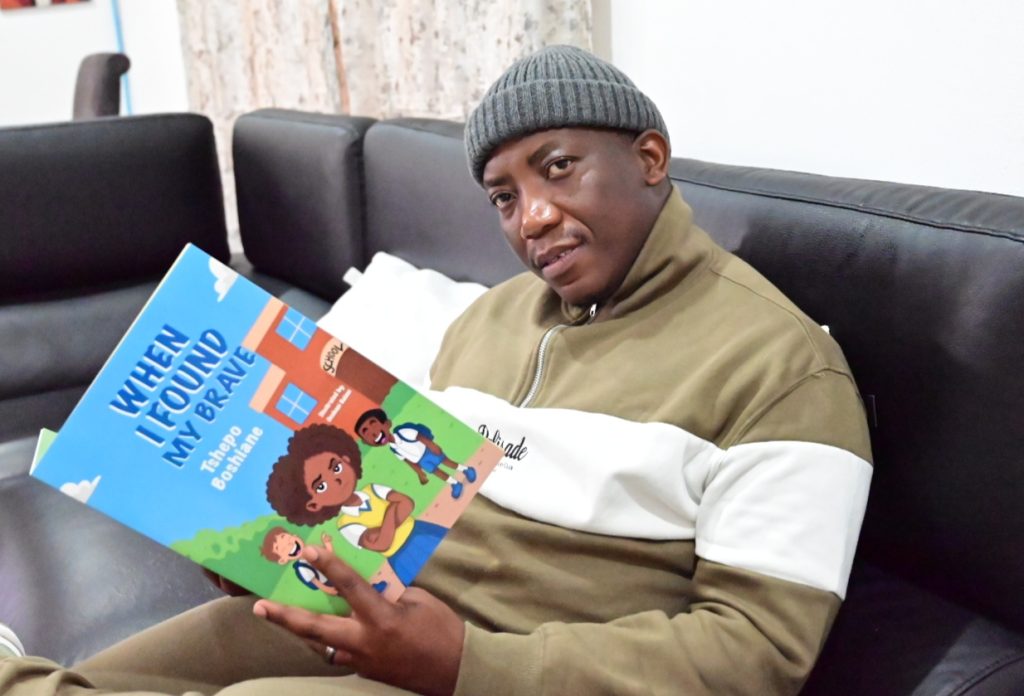
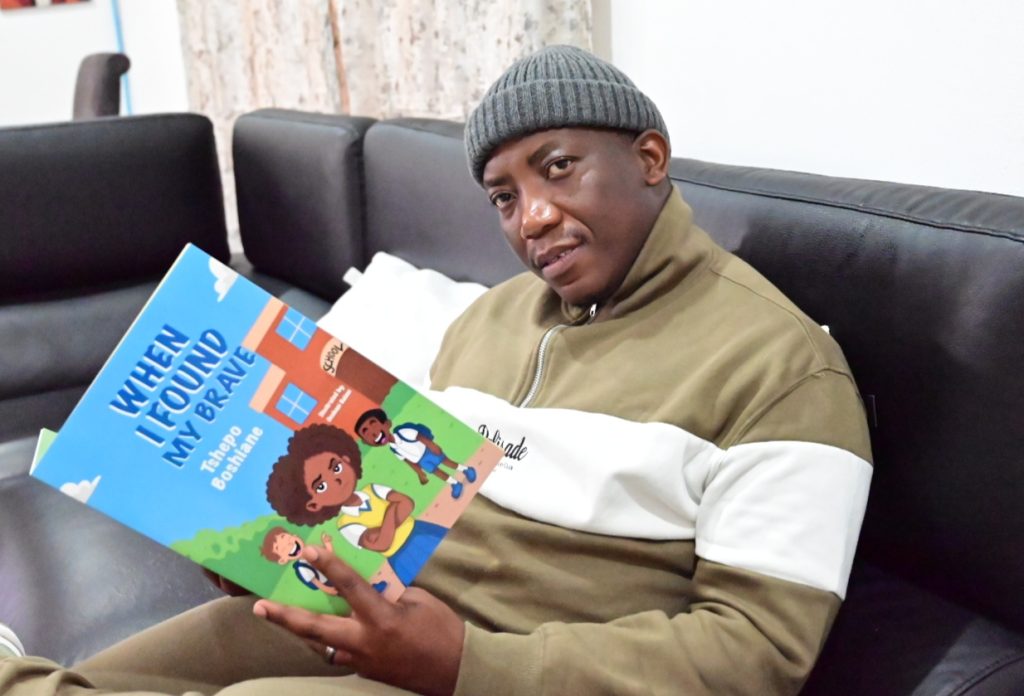
“My vision is to become a global ambassador for kids and young people,” said Boshiane, a South African author, communications practitioner and youth development advocate whose children’s book, When I Found My Brave, seeks to use storytelling to address bullying, discrimination and cultural identity.
ALSO READ: Malatsi warns digital skills gap is costing jobs for youth
The book was published in April 2026. Boshiane told Inside Education that the book reflects his belief that stories can help children understand their experiences, develop empathy and recognise the value of their identities.
Boshiane said his mission was to bring hope in the hopeless and change lives.
The author, who is from the Tshwane area of Hammanskraal, has extended that mission beyond the pages of his book through his work with young people and his efforts to promote education and youth development.
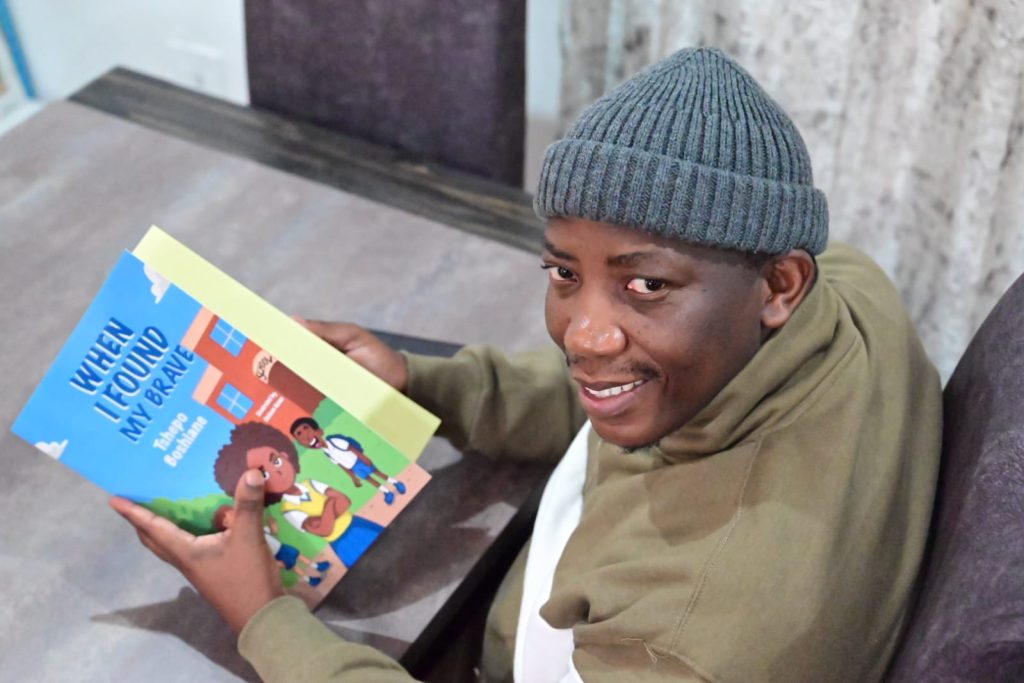
At the centre of When I Found My Brave is Baki, a child from Limpopo who moves to Soweto and experiences racial discrimination because of her name. The story follows her encounter with a white child who bullies her, before the two eventually become friends.
Through Baki’s experience, Boshiane explored how prejudice can affect children’s sense of belonging, while encouraging readers to look beyond differences and learn to respect one another.
The book also highlighted the preservation of African cultures, the importance of African names and the need to respect the heritage of others.
Boshiane said that the message extends beyond children, noting that adults can also experience bullying at home, in their communities and in the workplace.
His ambition is to make the story accessible to more young readers while encouraging meaningful conversations about bullying, identity and the responsibility people have towards one another.
ALSO READ: R83.2m Siyakhanyisa Primary School officially opens in KZN
Boshiane’s interest in storytelling stretches back more than two decades.
He began writing poetry for a local newspaper in Hammanskraal around 2003, laying the foundation for a journey that would eventually lead him to children’s literature.
“I fell in love with writing in 2003; that was before I was even enrolled in school. I started poetry writing for a local newspaper,” Boshiane said.
In 2024, he wrote a novel exploring interracial marriages before turning his attention to a children’s book that tackles issues affecting young people.
The idea for When I Found My Brave began taking shape towards the end of 2025. Talking to Inside Education, he said the book’s content took him about two weeks to finish, and he had not expected to reach the milestone so soon.
His work as a communications practitioner has also informed his approach to storytelling, allowing him to use words to communicate social issues in a way that can resonate with different audiences.
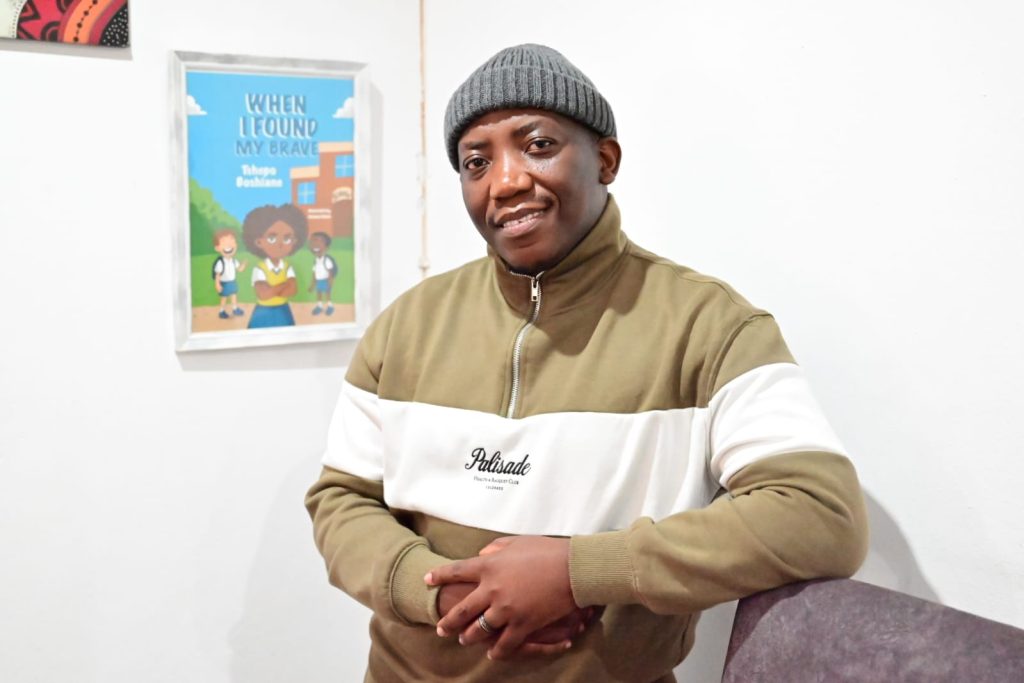
“The challenge I faced writing this book was that the writing is very different from journalism; I had to connect with the audience at the same level as them,” Boshiane said.
“I was observant in creating the characters. The main character’s name is the first two letters from my daughter’s name.”
ALSO READ: SASSA brings forward November grant payments ahead of elections
Beyond writing, Boshiane founded the Tshepo Boshiane Foundation, through which he has pursued projects involving children and young people. The foundation’s broader work focuses on social cohesion, educational initiatives, poverty alleviation and youth empowerment.
His commitment to education is particularly important to him. In addition to raising awareness about bullying, he has spoken about the need to keep young people in schools and tertiary institutions and has expressed concern about challenges such as teenage pregnancy.
“I got to see the latest statistics of bullying and decided to come with a solution to address the bullying faced by children and young people,” Boshiane said.
Boshiane has continued the discussion focusing on young people’s challenges and opportunities, with storytelling serving as a way to educate and empower them.
Boshiane described When I Found My Brave as a children’s story that promotes self-awareness and self-love, discourages bullying and encourages respect for other cultures and heritage.
The message is one he also hopes to reinforce through his role as a father.
For Boshiane, the hope is that children who encounter the book will recognise that differences should not become reasons to ridicule or exclude others.
Instead, they should be encouraged to understand themselves, appreciate other people and find the confidence to confront harmful behaviour.
Although he said he does not recall being bullied himself, he wants to use writing to communicate how damaging bullying can be and encourage people to take the issue seriously.
His ambition is to see When I Found My Brave reach classrooms and young readers across the country, opening conversations that might otherwise remain unspoken.
Ultimately, Boshiane’s work is rooted in the belief that empowering young people begins with giving them the tools to understand their experiences and the confidence to navigate them.
Through Baki’s journey, he hopes to remind children that courage is not about being untouched by adversity, but about learning to stand up for themselves and others while respecting the differences that make people who they are.
“I had to be brave and actually head on this challenge of writing children’s book. If you know and believe in yourself, take that pen and the ideas will run to you,” Boshiane said.
The post Tshepo Boshiane uses children’s book to teach courage, challenge bullying appeared first on Inside Education..